
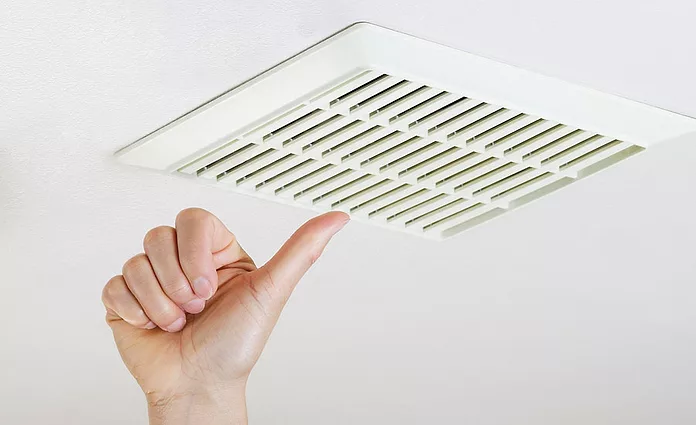
Is your bathroom feeling damp, stuffy, or full of unpleasant odors? Poor ventilation can cause these problems and even lead to mold and mildew, which harm your health and damage your home.
But don’t worry—improving your bathroom’s ventilation is easier than you think. You’ll discover simple, effective ways to freshen up your space, protect your walls, and enjoy a more comfortable bathroom every day. Ready to breathe easier and keep your bathroom dry?
Let’s get started!

Credit: mcmanuskitchenandbath.com
Importance Of Bathroom Ventilation
Bathroom ventilation is more than just a convenience—it plays a key role in maintaining a healthy and comfortable space. Without proper airflow, moisture and pollutants can build up quickly, affecting your wellbeing and the condition of your home. Understanding why ventilation matters can motivate you to take effective steps to improve it.
Health Benefits Of Fresh Air
Fresh air in your bathroom helps reduce the presence of airborne bacteria and viruses. Stale, humid air creates an environment where germs can thrive, increasing the risk of respiratory issues and allergies.
Have you noticed feeling stuffy or uncomfortable after a shower? That’s a sign your bathroom needs better ventilation to keep the air clean and breathable. Regular airflow supports your overall health and can make your bathroom a more pleasant place to start your day.
Preventing Mold And Mildew
Mold and mildew love damp, poorly ventilated spaces. They can appear quickly on walls, ceilings, and grout, causing damage that’s expensive to fix.
Beyond the ugly stains, mold spores can cause serious health problems, especially for those with asthma or weakened immune systems. Improving ventilation helps control moisture levels, making it harder for mold to grow and protecting your bathroom’s surfaces.
Reducing Odors And Humidity
Bathrooms often trap unpleasant odors and excess humidity, which can linger long after you leave. Ventilation helps push out these smells and moisture, keeping the air fresh.
High humidity can also damage paint, wallpaper, and fixtures over time. By increasing airflow, you not only improve comfort but also extend the life of your bathroom’s finishes and materials. What small changes can you make today to keep your bathroom smelling fresh and feeling dry?
Natural Ventilation Techniques
Natural ventilation techniques offer a simple and cost-effective way to improve airflow in your bathroom. These methods rely on fresh air movement without electrical devices, reducing moisture and odors naturally. Improving your bathroom’s ventilation this way can prevent mold growth and keep the space feeling fresh.
Using Windows And Vents
Windows are one of the easiest ways to increase ventilation in your bathroom. Opening a window during and after a shower helps release humidity quickly. If your bathroom doesn’t have a window, consider installing a vent near the ceiling to let out moist air.
Think about how often you actually open your bathroom window. Could a simple habit change make a big difference in air quality?
Installing Ventilation Grilles
Ventilation grilles allow air to flow between rooms or to the outside, improving overall circulation. You can install these grilles on doors or walls to help stale air escape. They are especially useful if your bathroom lacks windows or exhaust fans.
Choosing the right size and location for these grilles is key. Too small, and airflow won’t improve much; too large, and you may lose privacy or let in unwanted noise.
Maximizing Cross Ventilation
Cross ventilation happens when air enters from one opening and exits through another. If your bathroom has two openings, like a window and a door, opening both can create a breeze that refreshes the space.
Try leaving your bathroom door slightly open while the window is open during showers. You might be surprised how quickly the room dries out. What openings can you adjust right now to boost airflow?
Mechanical Ventilation Options
Mechanical ventilation options help remove moisture and odors from your bathroom. They improve air quality and prevent mold growth. These solutions work actively to keep air flowing and fresh. Choosing the right system depends on your bathroom size, layout, and budget.
Choosing Exhaust Fans
Exhaust fans pull moist air out of the bathroom. They fit into the ceiling or wall. Look for fans with good airflow, measured in CFM (cubic feet per minute). A higher CFM suits larger bathrooms. Quiet models avoid noise disturbances. Some fans come with built-in lights or humidity sensors. These sensors turn the fan on automatically when moisture rises.
Installing Inline Fans
Inline fans sit in the ductwork, away from the bathroom. They work silently and move air efficiently. These fans connect to ducts that lead outside. They suit bathrooms far from exterior walls. Inline fans reduce noise inside the bathroom. Proper installation ensures strong airflow. Maintenance is easier since the fan is out of sight.
Using Dehumidifiers
Dehumidifiers reduce moisture by drawing water from the air. Portable models fit easily in small bathrooms. They help keep humidity below 60%, reducing mold risk. Some models have automatic shut-off when the tank is full. Dehumidifiers work best alongside exhaust fans. They offer extra moisture control during cold or humid weather.
Improving Airflow Design
Improving airflow design helps bathroom air move freely, reducing moisture and odors. Installing vents or fans near windows boosts fresh air circulation. Proper placement of vents ensures stale air exits quickly, keeping the space dry and comfortable.
Improving airflow design in your bathroom can enhance comfort and hygiene. Proper ventilation reduces moisture, preventing mold and mildew. This section explores effective ways to boost airflow.Door Ventilation Solutions
Adding vents to your bathroom door helps circulate air. These vents allow fresh air to enter, pushing stale air out. Louvered doors are a popular choice. They offer privacy while promoting airflow. If replacing doors isn’t an option, consider installing a door vent. This can be a cost-effective solution.Positioning Fixtures Strategically
The placement of bathroom fixtures affects airflow. Ensure vents and fans are not blocked by cabinets or furniture. Install exhaust fans directly above showers or baths. This helps remove steam quickly. Keep the layout open to promote air movement.Clearing Obstructions
Remove items that block airflow paths. Clear away towels or clothes hanging in front of vents. Ensure the exhaust fan is free from dust and debris. Regular cleaning keeps the fan working efficiently. Keep windowsills clear for better air passage.Maintenance For Effective Ventilation
Maintenance plays a crucial role in keeping your bathroom ventilation working efficiently. Without regular upkeep, even the best ventilation systems can lose their effectiveness. Simple actions like cleaning and checking components can make a big difference in air quality and moisture control.
Cleaning Fans And Vents Regularly
Dust and grime buildup on fans and vents block airflow and reduce ventilation efficiency. You can easily clean these parts with a vacuum or a damp cloth every few months. If you skip this, you might notice lingering odors or foggy mirrors after showers.
Think about the last time you cleaned your bathroom fan. Did you find a thick layer of dust? That’s a clear sign it’s time for maintenance. Regular cleaning keeps air moving freely and prevents mold growth.
Checking For Blockages
Blockages can occur inside ductwork or vents, often from debris or even small animals. Inspecting these areas ensures air isn’t trapped or redirected back into your bathroom. Use a flashlight to look through vents and listen for unusual sounds coming from the fan.
Have you ever wondered why your bathroom feels stuffy despite having a fan? A blockage might be the culprit. Clearing these obstacles improves airflow and reduces moisture buildup.
Replacing Filters
If your ventilation system includes filters, replacing them regularly is essential. Dirty filters restrict air passage and strain the fan motor, shortening its lifespan. Check the manufacturer’s guidelines on how often to replace or clean filters.
Imagine breathing through a clogged filter—it’s uncomfortable and unhealthy. Keeping filters fresh ensures your bathroom air stays clean and your ventilation system runs smoothly.

Credit: makeitright.ca
Energy-efficient Ventilation Tips
Improving bathroom ventilation doesn’t have to mean hiking up your energy bills. Small changes can make a big difference in how efficiently your bathroom stays fresh and dry. Let’s look at ways to boost ventilation while keeping energy use low, so you save money and the environment.
Using Timers And Sensors
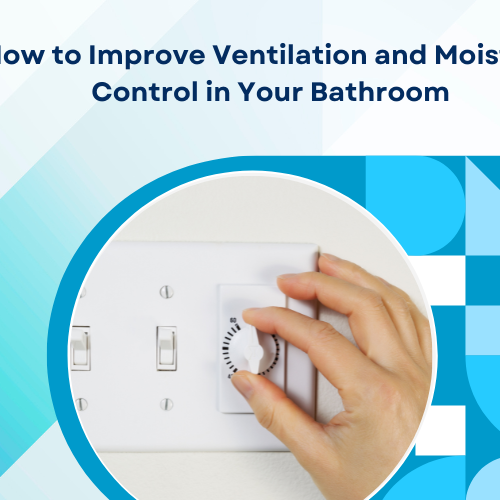
Timers and humidity sensors are game-changers for bathroom fans. Instead of running the fan all the time, a timer lets it run just long enough to clear moisture. Sensors automatically turn the fan on when humidity rises and off when it drops, preventing wasted energy.
I installed a humidity sensor fan last year, and it cut my electric bill noticeably. Think about how often your fan might be running with no one around—timers and sensors fix that effortlessly.
Selecting Low-energy Fans
Not all bathroom fans use the same amount of energy. Look for Energy Star-rated models—they use less power without sacrificing airflow. These fans often have quieter motors, making your bathroom more pleasant too.
Check the fan’s CFM (cubic feet per minute) rating to match your bathroom size. A fan that’s too powerful wastes energy, while one that’s too weak won’t ventilate properly. Balancing power and efficiency keeps your bathroom comfortable and your bills low.
Sealing Air Leaks
Air leaks around your fan or bathroom windows can let warm air escape and cold air in, making your HVAC system work harder. Use weather stripping or caulk to seal gaps and improve overall ventilation efficiency.
After sealing leaks in my bathroom, I noticed the fan performed better, and the room stayed dryer with less effort. Have you checked your bathroom for hidden leaks lately? Sealing them could be the easiest upgrade you make.
Credit: ccsupply.ca
Frequently Asked Questions
How Can I Improve Bathroom Ventilation Naturally?
Open windows and doors regularly to allow fresh air flow. Use exhaust fans to remove moisture. Adding plants can also help absorb humidity and improve air quality.
What Type Of Fan Is Best For Bathroom Ventilation?
Choose an exhaust fan with a high CFM rating suitable for your bathroom size. Look for energy-efficient, quiet models with humidity sensors for automatic operation.
How Often Should Bathroom Ventilation Systems Be Cleaned?
Clean fans and vents every 3 to 6 months to maintain airflow. Remove dust and debris to prevent mold growth and ensure efficient moisture removal.
Can Ventilation Reduce Bathroom Mold And Mildew?
Yes, proper ventilation lowers humidity, preventing mold and mildew growth. Use fans during and after showers to keep surfaces dry and inhibit fungal development.
Conclusion
Improving bathroom ventilation keeps air fresh and reduces mold. Open windows or use exhaust fans to let air flow. Clean vents often to keep them working well. Simple steps make a big difference in your bathroom’s air quality. A well-ventilated bathroom feels cleaner and more comfortable.
Start with small changes and see the results quickly. Good airflow protects your home and health. Don’t wait—better ventilation is easy and worth it.



