
Have you ever wondered what keeps your home cool in the summer and warm in the winter without you lifting a finger? Your HVAC unit is the silent hero making that happen.
Understanding how it works can help you take better care of it, save money on energy bills, and avoid unexpected breakdowns. You’ll discover exactly what goes on inside your HVAC system and why it’s so important for your comfort all year round.
Keep reading—you’ll be surprised at how simple and fascinating it really is!
Basic Components Of An Hvac Unit
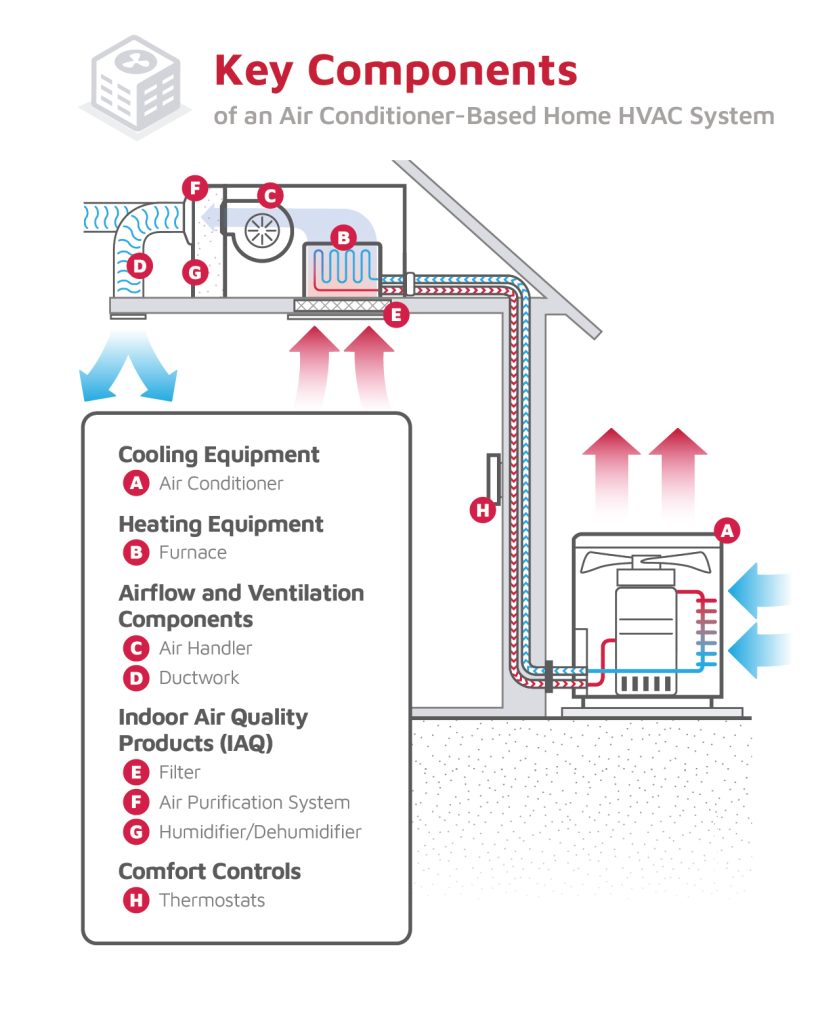
Understanding the basic components of an HVAC unit helps you see how your home stays comfortable year-round. These components work together to heat, cool, and move air efficiently. Knowing their roles can also help you spot issues early and maintain your system better.
Heating Elements
The heating part of an HVAC system often uses a furnace or a heat pump. Furnaces burn fuel or use electricity to create heat, which warms the air before it enters your home. Heat pumps, on the other hand, move heat from outside to inside, even in cold weather.
Have you ever wondered why some heating systems feel faster? That’s because of the type of heating element and how well it distributes warmth. Choosing the right heating element affects both comfort and energy bills.
Cooling Elements
Cooling in an HVAC system mainly depends on the evaporator coil and the compressor. The compressor pumps refrigerant, which absorbs heat from your indoor air at the evaporator coil. This process cools the air before it circulates throughout your home.
One practical tip: keeping your cooling elements clean can prevent expensive repairs. Dust and debris reduce efficiency and make your system work harder, costing you more. Think about the last time you changed your air filter—did it improve your cooling?
Air Distribution System
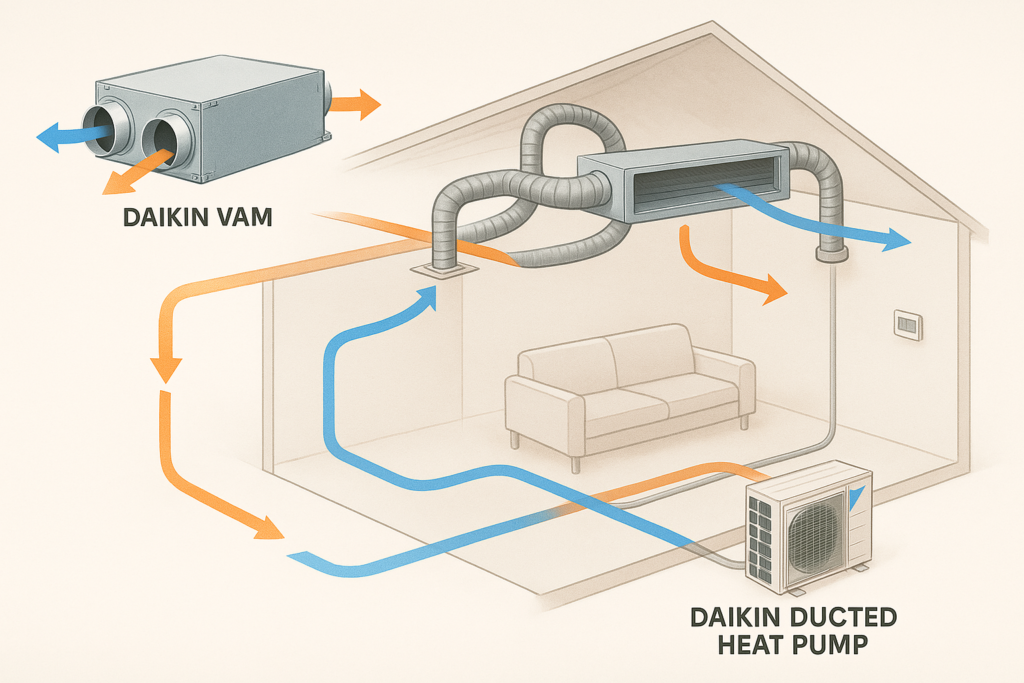
The air distribution system moves heated or cooled air through your home using ducts and fans. Properly sealed and insulated ducts ensure air reaches every room without losing temperature. Fans control the airflow, helping your system respond quickly to temperature changes.
Imagine sitting in a chilly room while the rest of the house is warm—this could mean your air distribution system needs attention. Regular inspection of ducts and vents can improve comfort and reduce energy waste. Are your vents clean and unobstructed?
Credit: blizzard.co.nz
How Heating Works
Understanding how heating works in your HVAC system can help you appreciate the comfort it provides during cold days. Heating systems convert energy into warmth and distribute it evenly throughout your home. Knowing the basics can also help you spot issues early and maintain your system better.
Furnace Operation
A furnace heats your home by burning fuel such as natural gas, propane, or oil. It starts when your thermostat signals the need for warmth. The fuel ignites in the burner, creating heat.
This heat warms up metal heat exchangers inside the furnace. Air blows over these exchangers, absorbing the heat and then circulating through your home’s ductwork. This warm air raises the indoor temperature efficiently.
Ever noticed how your furnace cycles on and off? That’s your system maintaining a steady temperature. If the furnace runs constantly or doesn’t turn on, it might be time to check the filters or call a technician.
Heat Pumps Explained
Heat pumps work differently by moving heat rather than generating it. During cold months, they extract heat from the outside air—even when it feels chilly—and transfer it indoors.
This process uses a refrigerant that absorbs heat outside and releases it inside your home. It’s energy efficient because it doesn’t burn fuel but shifts existing heat.
Heat pumps can also reverse the process to cool your home in summer. Have you ever felt your heat pump running quietly and wondered how it produces warmth on a freezing day? That’s the magic of heat transfer at work.
How Cooling Works
Cooling in an HVAC unit happens through a smart process that moves heat from inside your home to the outside air. This keeps your rooms fresh and comfortable. The system uses a special fluid called refrigerant to absorb heat and carry it away. The process depends on several parts working together to remove warm air and replace it with cooler air.
Refrigeration Cycle
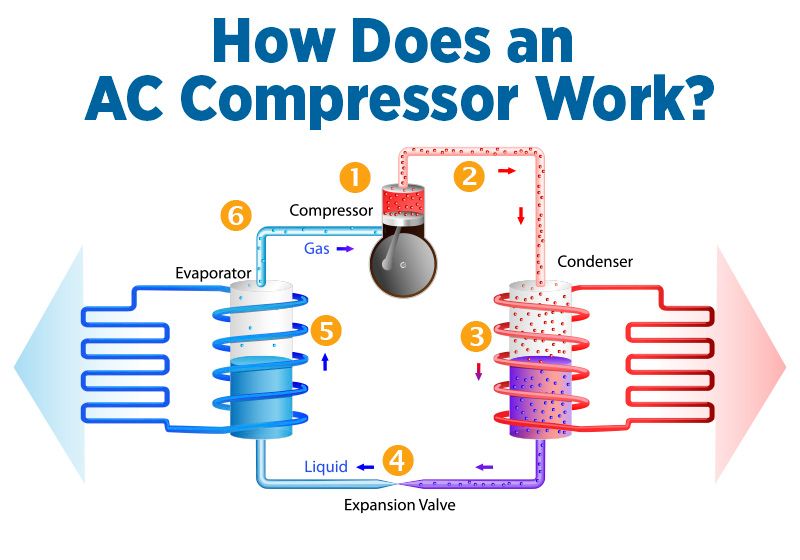
The refrigeration cycle is the heart of cooling. It starts with the refrigerant absorbing heat inside your house. This makes the air cooler. The warm refrigerant then travels outside. It changes from a gas to a liquid, releasing the heat outdoors. After that, the refrigerant returns inside to repeat the cycle.
Role Of The Compressor And Condenser
The compressor pumps the refrigerant through the system. It raises the pressure and temperature of the refrigerant gas. This prepares it for heat release. The condenser is a set of coils outside the house. It cools the hot refrigerant gas, turning it back into liquid. This process sends heat away from your home, keeping it cool.
Credit: www.mrcool.com
Air Filtration And Ventilation
Air filtration and ventilation are vital parts of how an HVAC unit works. They keep indoor air clean and fresh. Good air quality improves comfort and health. HVAC systems use filters and ventilation methods to control air purity and flow inside buildings.
Filters And Air Quality
Filters trap dust, pollen, and other particles. They stop these from entering your home or office air. Different filters capture different sized particles. Higher quality filters remove smaller pollutants.
Regular filter changes are important. Dirty filters reduce airflow and lower system efficiency. Clean filters keep air fresh and reduce allergens. This helps people with allergies or asthma breathe easier.
Ventilation Techniques
Ventilation moves fresh air inside and pushes stale air out. It controls humidity and removes odors. Proper ventilation prevents mold and mildew growth.
Common techniques include:
- Natural ventilation using windows and vents
- Mechanical ventilation with fans and ducts
- Exhaust fans to remove moist or polluted air
- Air exchangers that balance indoor and outdoor air
Effective ventilation works with filtration to maintain a healthy environment. Together, they keep indoor air quality high and comfortable.
Thermostat And Controls
Thermostats and controls regulate the temperature of HVAC units. They signal the system to heat or cool spaces. Efficiently maintaining desired temperatures ensures comfort and energy savings.
The thermostat and controls in your HVAC unit are more than just a dial on the wall. They are the brain of your system, dictating how and when your heating or cooling systems operate. This small device plays a crucial role in maintaining your home’s comfort.Temperature Regulation
Your thermostat is responsible for temperature regulation in your home. You set your desired temperature, and the thermostat ensures that your HVAC system maintains this level. If the temperature drops or rises outside your set range, the thermostat signals the system to kick in and adjust accordingly. Imagine waking up on a chilly morning, and your home is perfectly warm. That’s your thermostat at work, ensuring you start your day comfortably. It’s like having a personal assistant who knows exactly how you like things.Smart Thermostats
Smart thermostats take comfort to a new level by offering more control and efficiency. They learn your preferences and adjust settings automatically, saving energy and reducing costs. With a smart thermostat, you can control your HVAC system from your smartphone. Forgot to turn down the heat before leaving home? No problem—you can adjust it remotely. This flexibility not only enhances convenience but also contributes to significant savings on your energy bill. Have you ever considered how much comfort and savings you could gain by upgrading to a smart thermostat? It’s a small change that could make a big difference in your daily life.Energy Efficiency Tips
Improving your HVAC unit’s energy efficiency can save you money and reduce your environmental impact. Small changes in how you maintain and upgrade your system can lead to big differences in energy use. Let’s look at some practical tips that you can start applying right away.
Regular Maintenance
Keeping your HVAC unit in good shape is key to efficient operation. Dirty filters make your system work harder, increasing energy consumption. Changing or cleaning filters every 1-3 months can lower your energy bills noticeably.
Check the outdoor unit for debris like leaves and dirt. A clean area around the unit allows better airflow and cooler operation. Have you ever noticed your system running constantly without cooling well? That might be a sign it needs a professional tune-up.
Scheduling annual inspections helps catch small problems before they drain your energy. Technicians can clean coils, check refrigerant levels, and tighten electrical connections. These simple steps keep your unit running smoothly and efficiently.
Upgrading Components
Sometimes, older parts reduce your HVAC’s efficiency more than you realize. Upgrading to modern, energy-efficient components can cut your energy use significantly. For example, replacing an old thermostat with a programmable or smart model lets you control temperatures better and avoid waste.
Consider swapping out aging motors or fans with high-efficiency versions. They use less electricity and improve airflow. Did you know that newer compressors also operate more quietly and use less power?
Insulating your ductwork reduces energy loss as air travels through your home. Sealing leaks with mastic or foil tape is a low-cost upgrade that improves system performance. Are your energy bills higher than expected despite regular maintenance? This might be the hidden culprit.
Common Hvac Problems
Common HVAC problems can disrupt your comfort and increase energy bills. Understanding these issues early helps you avoid costly repairs and system breakdowns. Your HVAC unit works hard year-round, so it’s normal to face occasional hiccups, but knowing what to look for can save you time and stress.
Signs Of Malfunction
Have you noticed uneven temperatures in your home or strange noises from your HVAC system? These are clear signs something isn’t right. Other warning signals include:
- Reduced airflow or weak air coming from vents
- Unusual smells like burning or mildew
- Frequent cycling on and off without completing a full cycle
- Higher than usual energy bills without increased usage
Ignoring these signs can lead to bigger problems. Have you checked your system’s filter lately? A clogged filter often causes many of these issues.
Troubleshooting Tips
Before calling a technician, there are simple checks you can perform. Start by inspecting your thermostat settings; incorrect settings often cause confusion about whether the HVAC is working properly.
- Replace or clean air filters every 1-3 months to maintain airflow
- Clear debris around outdoor units to ensure proper ventilation
- Check circuit breakers and reset if necessary
- Listen for unusual sounds and note when they occur to help professionals diagnose the problem faster
Have you tried turning your system off for a few minutes and restarting it? Sometimes a simple reset can resolve minor glitches. But if problems persist, scheduling a professional inspection is the safest option to avoid further damage.

Credit: www.aljazeera.com
Frequently Asked Questions
What Is The Main Function Of An Hvac Unit?
An HVAC unit controls indoor temperature and air quality. It heats, cools, and ventilates spaces efficiently. This system maintains comfort and improves air circulation in homes or buildings.
How Does An Hvac Unit Cool A Room?
An HVAC cools a room by circulating refrigerant through coils. The refrigerant absorbs heat inside and releases it outside. This process lowers indoor temperature and removes humidity effectively.
What Components Make Up A Typical Hvac System?
A typical HVAC system includes a furnace, air conditioner, evaporator coil, and ductwork. The thermostat controls temperature. Together, these parts regulate heating, cooling, and air distribution.
How Often Should An Hvac Unit Be Serviced?
HVAC units should be serviced at least once a year. Regular maintenance ensures efficiency, prevents breakdowns, and extends lifespan. Seasonal checks before summer and winter are recommended.
Conclusion
An HVAC unit keeps your home comfortable year-round. It moves heat in and out using simple parts. The system cools air in summer and warms it in winter. Regular care helps the unit work well longer. Knowing how it works helps you spot problems early.
Stay comfortable by understanding your HVAC system today.



