
Have you ever wondered how your home stays fresh and free from dampness without using noisy fans or complicated systems? The secret might be in something called a passive vent.
Understanding what a passive vent is can help you improve your living space’s air quality and comfort without extra effort or energy costs. You’ll discover how passive vents work, why they matter for your home, and how they can make a real difference in your everyday life.
Keep reading to unlock the simple solution to better ventilation you didn’t know you needed.
Passive Vent Basics
A passive vent is a simple device that helps air flow naturally. It does not need electricity or moving parts. Passive vents improve ventilation in homes and buildings by letting fresh air in and pushing stale air out. This keeps spaces healthier and reduces moisture build-up.
Understanding the basics of passive vents helps you choose the right type for your needs. Knowing how they work and the materials used can guide better decisions for ventilation.
How Passive Vents Work
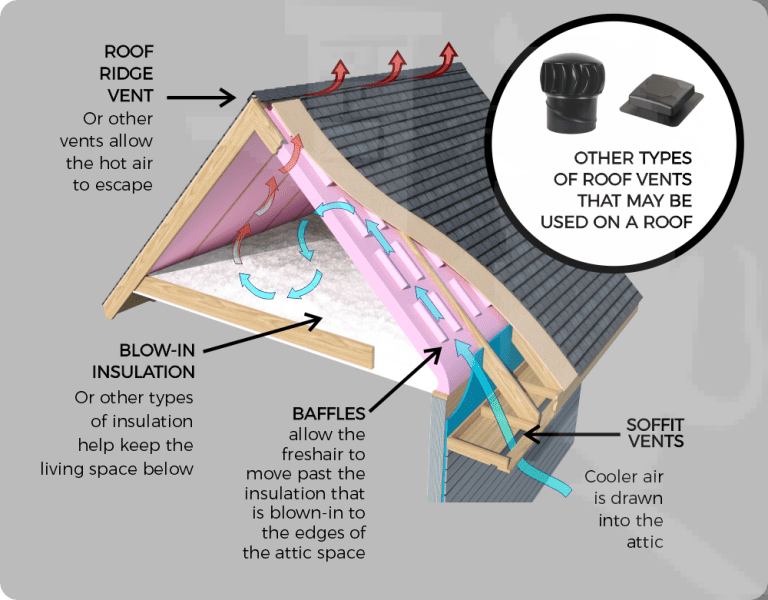
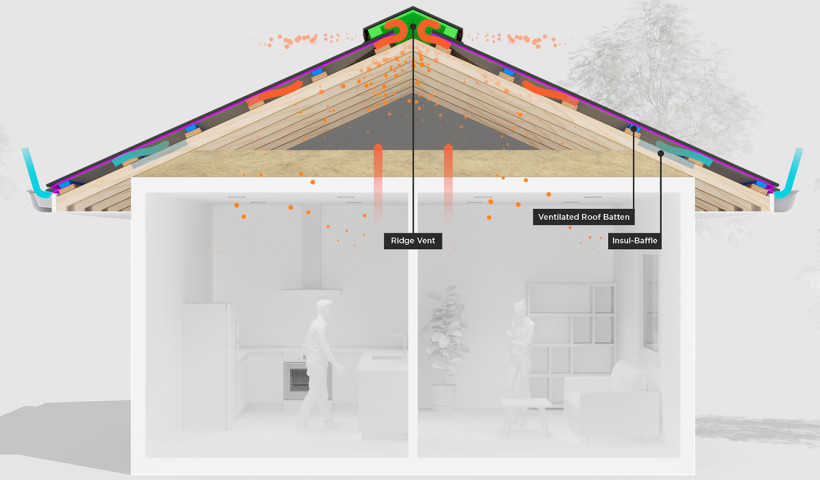
Passive vents rely on natural air movement. Warm air rises and escapes through the vent. Cooler air enters through other openings to replace it. This cycle keeps air moving without fans or power.
The process uses pressure differences and temperature changes. It works quietly and saves energy. Proper placement is key for effective airflow.
Types Of Passive Vents
- Ridge Vents:Installed along the roof peak to release hot air.
- Soffit Vents:Located under roof eaves to allow cool air in.
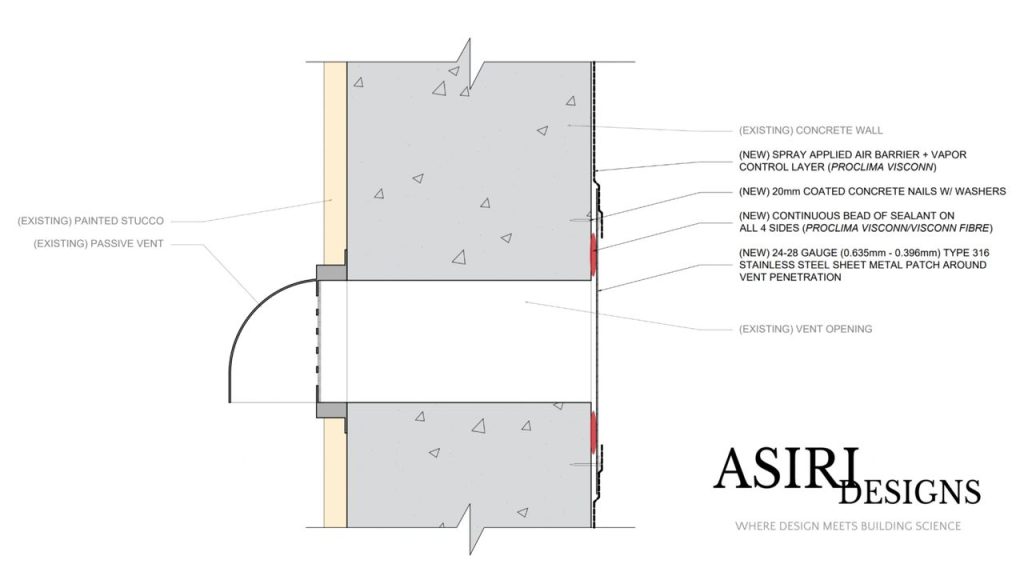
- Wall Vents:Mounted on exterior walls for room ventilation.
- Gable Vents:Positioned in gable ends to help attic airflow.
- Window Vents:Built into windows for fresh air without opening them.
Materials Used In Passive Vents
| Material | Benefits | Common Uses |
|---|---|---|
| Aluminum | Durable, rust-resistant, lightweight | Roof and wall vents |
| Plastic | Cost-effective, easy to install | Window and soffit vents |
| Wood | Natural look, good for decorative vents | Gable and wall vents |
| Steel | Strong and long-lasting | Heavy-duty roof vents |
Advantages Of Passive Vents
Passive vents offer several benefits that make them a smart choice for improving your home’s ventilation. They work without electricity or moving parts, relying on natural airflow to keep your space fresh and comfortable. Understanding these advantages can help you decide if passive vents fit your needs.
Energy Efficiency
Passive vents help reduce your energy use by promoting natural airflow. This means your heating and cooling systems don’t have to work as hard. Over time, this can lead to noticeable savings on your energy bills.
Have you ever felt a room stay cooler just because the windows were open? Passive vents create a similar effect without you having to do anything.
Improved Air Quality
Good ventilation is key to healthy indoor air. Passive vents allow stale air, moisture, and pollutants to escape while bringing in fresh air. This helps reduce allergens and prevents mold growth.
If you or someone in your home suffers from allergies or asthma, installing passive vents could make a real difference in comfort.
Low Maintenance
Since passive vents have no moving parts or electrical components, they require very little upkeep. You won’t need to worry about motor failures or complicated repairs. A quick seasonal check to clear any blockages is usually enough.
Think about how much time and money you can save avoiding regular maintenance tasks.
Cost Savings
Passive vents are generally less expensive to install compared to powered ventilation systems. You also save on ongoing energy costs because they don’t use electricity. Over the long term, this adds up to significant savings.
Could investing in passive vents be a cost-effective way to improve your home’s comfort?
Common Applications
Passive vents are essential for proper air flow and moisture control. They allow fresh air to enter and stale air to exit without using power. These vents fit various settings and help maintain healthy environments. Below are some common places where passive vents are used effectively.
Residential Buildings
Passive vents improve air circulation in homes. They reduce humidity and prevent mold growth. Often found in walls, roofs, or soffits, they keep indoor air fresh. These vents help lower energy costs by reducing the need for mechanical ventilation.
Commercial Spaces
In offices and shops, passive vents maintain air quality. They support HVAC systems by balancing air pressure. These vents help keep spaces comfortable and safe. Their simple design makes them cost-effective for large buildings.
Attic Ventilation
Attics benefit greatly from passive vents. They release hot air in summer and moisture in winter. This prevents damage to roofing materials and insulation. Proper attic ventilation extends the roof’s lifespan and improves home energy efficiency.
Crawl Spaces
Passive vents in crawl spaces prevent dampness and mold. They allow moisture to escape, protecting wood and insulation. These vents reduce musty odors and improve indoor air quality. Proper ventilation also helps avoid structural damage.
Credit: www.northeast-home.com
Installation Tips
Installing a passive vent requires careful planning for the best results. Proper installation improves air flow and prevents moisture buildup. Follow these tips to ensure your passive vent works effectively.
Choosing The Right Location
Select a spot that allows air to flow freely. Avoid areas blocked by furniture or curtains. Place vents near sources of heat or moisture. This helps remove warm, damp air quickly. Make sure the vent is easy to access for cleaning.
Sizing And Placement
Choose a vent size that matches your room’s needs. Too small vents restrict airflow and reduce efficiency. Too large vents may cause drafts or energy loss. Position vents evenly to balance air circulation. Use multiple vents for larger spaces to improve ventilation.
Diy Vs Professional Installation
Simple installations can be done by homeowners with basic tools. Follow manufacturer instructions carefully for best results. Complex roofs or walls may need professional help. Experts ensure vents are sealed and placed correctly. This avoids leaks and maintains your home’s energy efficiency.
Comparing Passive And Active Vents
Passive vents work without electricity, using natural forces like wind and temperature differences to move air. They are cost-effective and require minimal maintenance. Perfect for energy-efficient ventilation in homes and buildings.
In the world of ventilation, passive and active vents offer different benefits. They both help in maintaining indoor air quality. But, they work differently and suit different needs. Let’s delve into their distinctions.Energy Consumption
Passive vents do not use electricity. They rely on natural airflow. This makes them energy-efficient. Active vents use fans or motors. They need electricity to function. This increases energy consumption. Choosing between them impacts your energy bills.Performance Differences
Passive vents work with natural forces like wind. They are quiet and require no moving parts. They may not work well in still air. Active vents provide consistent airflow. They use fans to move air efficiently. This ensures better performance in various conditions.Maintenance Requirements
Passive vents require minimal maintenance. They have no motors or fans. Regular cleaning is often enough. Active vents need more care. Their motors and fans need regular checks. Dust can affect their performance. Proper maintenance extends their lifespan.Potential Drawbacks
Passive vents offer a simple solution for airflow, but they come with certain limitations you should consider. Understanding these potential drawbacks helps you decide if passive ventilation suits your needs or if you should explore alternatives. Let’s look at some common challenges you might face.
Limited Airflow Control
Passive vents rely on natural air movement, which means you cannot adjust or regulate the airflow easily.
This lack of control can lead to inconsistent ventilation, especially in areas where airflow patterns change frequently.
Have you ever noticed some rooms feeling stuffy while others are drafty? That’s often a sign of limited airflow control with passive systems.
Weather Impact
Weather conditions heavily influence how well passive vents perform.
Strong winds can cause drafts, while calm days may reduce airflow to a minimum. Rain and snow can also block or damage vents, reducing their effectiveness.
Think about your local climate—does it frequently change? If yes, passive vents might struggle to maintain steady ventilation year-round.
Installation Challenges
Installing passive vents isn’t always as straightforward as it seems.
Proper placement is crucial to maximize airflow, but this often requires a good understanding of your building’s design and environment.
Incorrect installation can lead to poor performance or even structural issues like leaks. Have you checked if your home’s layout supports effective passive vent placement?
Enhancing Ventilation Effectiveness
Enhancing the effectiveness of a passive vent goes beyond just installing it. You need to think about how it works with other ventilation components, how to protect it from elements, and how often you check its condition. These actions can significantly boost the airflow and keep your space fresh and healthy.
Combining With Other Systems
Passive vents work best when paired with other ventilation systems. For example, combining passive vents with exhaust fans can create a steady airflow that removes stale air faster. Have you noticed how some rooms feel stuffy even with vents? Adding a small fan can move air more efficiently, helping the passive vent do its job better.
Another effective pairing is with air intakes that bring fresh air inside. This balance prevents pressure differences that can block airflow. Think about your home’s layout and where air enters and exits to maximize this effect.
Using Vent Covers
Vent covers play a crucial role in protecting your passive vents from debris and weather damage. Using covers with adjustable openings allows you to control airflow depending on the season. In winter, you might want to reduce airflow to keep warmth in, while in summer, you can open covers fully for better ventilation.
Choosing the right material for vent covers matters too. Metal covers resist damage better than plastic, especially in harsh climates. Have you checked if your vent covers are dirty or broken? Cleaning and replacing them can improve air movement instantly.
Regular Inspection
Regularly inspecting your passive vents is essential for maintaining peak performance. Look out for blockages like leaves, dust, or spider webs that can slow down airflow. It’s easy to forget these little things, but they have a big impact on ventilation.
Set a routine to check vents every few months, especially after storms or heavy winds. If you spot any damage or wear, fixing it early saves you from costly repairs later. How often do you take a closer look at your vents? Making this a habit can keep your indoor air fresh year-round.
Credit: www.eboss.co.nz
.png/:/cr=t:0%25,l:0%25,w:100%25,h:100%25/rs=w:1280)
Credit: asiri-designs.com
Frequently Asked Questions
What Is A Passive Vent In Roofing?
A passive vent allows air to flow naturally through attic spaces. It helps regulate temperature and moisture without using fans or electricity. This improves energy efficiency and prevents mold and damage in roofs.
How Does A Passive Vent Work?
Passive vents use natural airflow caused by temperature differences. Warm air rises and escapes through the vent, drawing cooler air in. This continuous exchange helps ventilate spaces effectively without mechanical assistance.
Why Are Passive Vents Important For Homes?
Passive vents prevent heat buildup and moisture accumulation in attics. This protection extends roof life, lowers cooling costs, and improves indoor air quality. Proper ventilation also reduces the risk of ice dams in winter.
Where Should Passive Vents Be Installed?
Passive vents are typically installed on roof ridges, soffits, or gable ends. Placement ensures optimal airflow by allowing hot air to exit and fresh air to enter. Proper location maximizes ventilation efficiency.
Conclusion
Passive vents help air flow without using power. They keep buildings fresh and dry. This stops mold and damage inside walls. Passive vents work quietly and need little care. They save energy by using natural air movement. Choosing the right vent improves home comfort.
Understanding passive vents helps you make smart choices. They offer a simple way to improve air quality. Consider them for better airflow and a healthier space.



