
Are you wondering how to keep a large building fresh, comfortable, and safe all year round? Proper ventilation is key, but with so many options out there, which method truly works best for big spaces like offices, schools, or shopping centers?
You’ll discover the preferred way to ventilate a large building that saves energy, improves air quality, and keeps everyone inside feeling their best. Keep reading to find out how you can make your building’s air flow smarter and healthier—your space deserves it.
Credit: www.jlconline.com
Importance Of Proper Ventilation
Proper ventilation is crucial for any large building. It controls the air quality, affects energy costs, and ensures a safe environment. Without the right ventilation, buildings can become uncomfortable, unhealthy, and expensive to maintain.
Impact On Air Quality
Good ventilation removes pollutants, dust, and excess moisture from indoor air. This keeps the environment fresh and reduces allergens that can trigger health issues. You might not notice poor air quality at first, but over time, it can cause headaches, fatigue, and respiratory problems.
Consider how a well-ventilated office feels more comfortable and productive. Would you want to spend hours in a stuffy, stale room? Proper airflow keeps your space inviting and safe.
Energy Efficiency Considerations
Ventilation systems can either waste energy or save it, depending on how they are designed. Efficient systems balance fresh air intake with heat recovery to reduce heating and cooling costs. This means you pay less on energy bills without sacrificing comfort.
Have you ever felt a sudden draft or uneven temperature in a building? That’s often a sign of poor ventilation design. Investing in smart ventilation technology can help you avoid these issues and keep your building running smoothly.
Health And Safety Benefits
Proper ventilation helps prevent the buildup of harmful gases like carbon monoxide and radon. It also lowers the risk of mold growth by controlling humidity levels. This protects both the building’s structure and the health of its occupants.
Think about the last time you walked into a space that smelled musty or chemical-heavy. That discomfort is a clear signal that ventilation needs improvement. Ensuring clean air means fewer sick days and a safer environment for everyone inside.

Credit: www.mdpi.com
Types Of Ventilation Systems
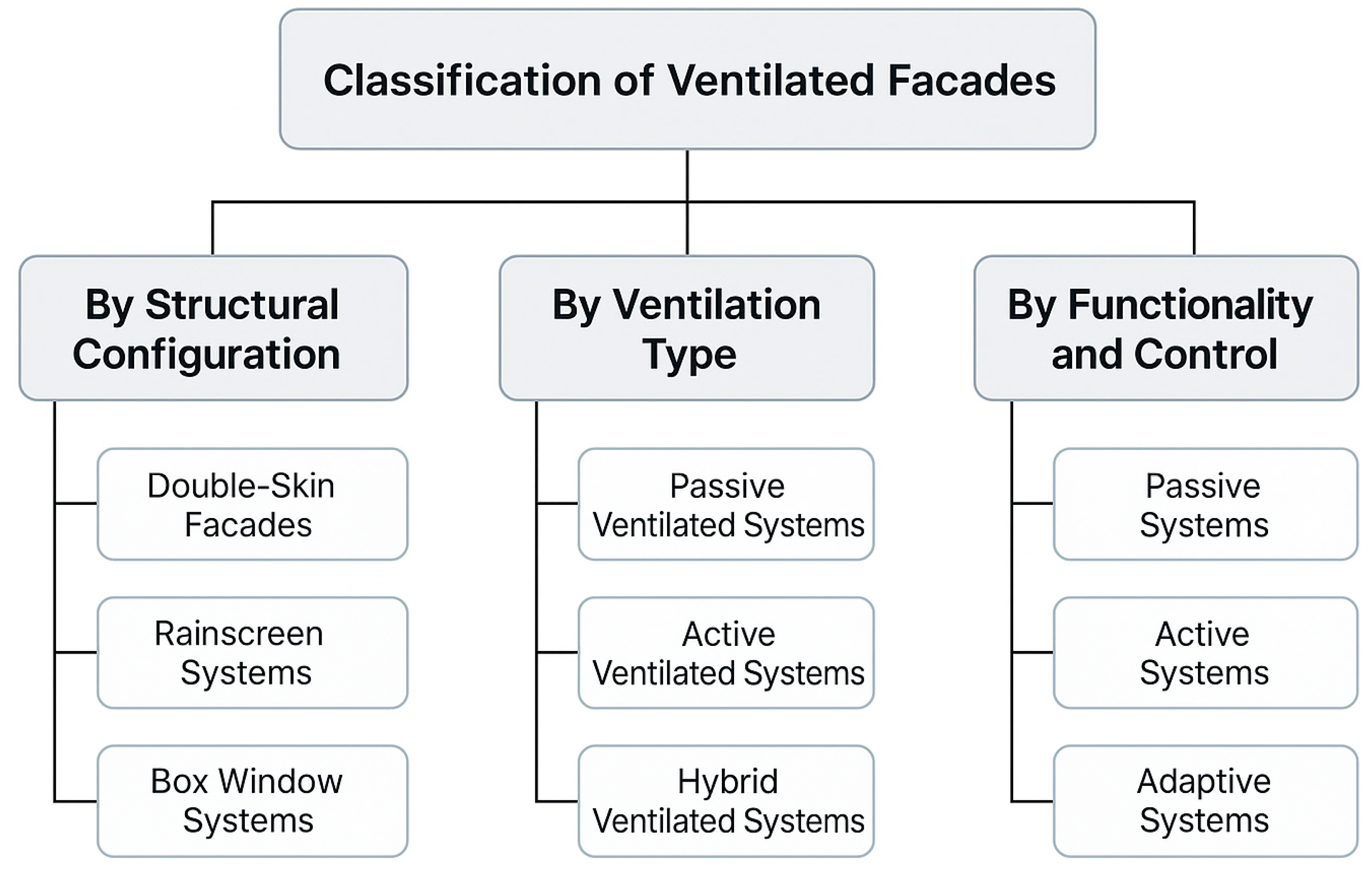
Ventilation systems are vital for large buildings to maintain fresh air and comfort. Different types serve various needs and conditions. Choosing the right system impacts air quality, energy use, and occupant health.
Natural Ventilation
Natural ventilation uses wind and temperature differences to move air. Open windows, vents, and design features help air flow without machines. This system saves energy but depends on weather and building layout. It works best in mild climates with good outdoor air quality.
Mechanical Ventilation
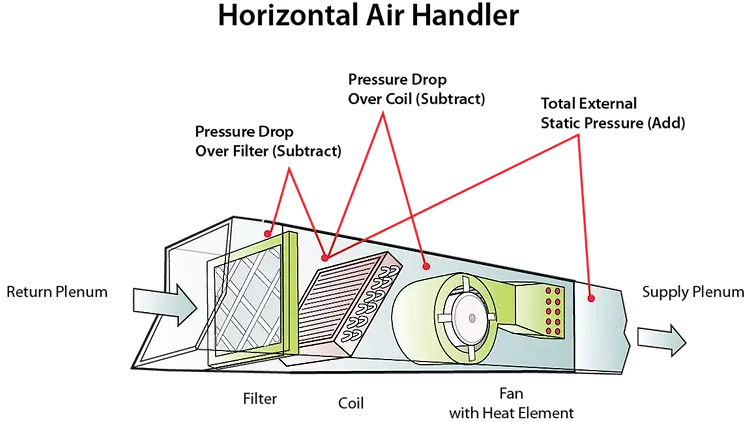
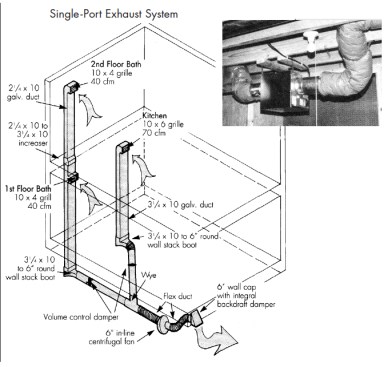
Mechanical ventilation uses fans and ducts to control air movement. It supplies fresh air and removes stale air consistently. Systems include exhaust fans, supply fans, and balanced ventilation. This method works well in any climate and ensures steady airflow regardless of outside conditions.
Hybrid Ventilation
Hybrid ventilation combines natural and mechanical methods. It uses natural airflow when conditions are good and machines when needed. This system balances energy savings with reliable air quality. It adapts to changing weather and building use.
Factors Influencing Ventilation Choice
Choosing the right ventilation method for a large building is crucial. Several factors guide this decision. Understanding these factors can improve air quality and energy efficiency.
Building Size And Layout
The size of the building impacts ventilation needs. Larger spaces may need more powerful systems. The layout also plays a role. Open spaces differ from partitioned areas in airflow requirements. Proper planning ensures even air distribution.
Climate And Weather Conditions
Local climate affects ventilation choices. In hot climates, cooling systems are essential. In colder areas, heat retention is a priority. Weather patterns also influence ventilation strategies. They dictate the need for air exchange rates.
Occupant Needs And Usage Patterns
The building’s use determines ventilation demands. High occupancy requires better airflow to maintain comfort. Usage patterns, like working hours, affect ventilation timing. Understanding these needs aids in efficient system design.
Expert Recommendations
Experts recommend effective ventilation strategies for large buildings to ensure fresh air circulation and maintain indoor air quality. Proper ventilation reduces pollutants and controls temperature and humidity. The choice of ventilation method depends on building size, usage, and climate. Experts emphasize balancing natural and mechanical ventilation to optimize energy use and comfort.
Best Practices For Large Buildings
- Use a combination of natural and mechanical ventilation systems.
- Install energy recovery ventilators to save energy.
- Regularly maintain HVAC systems for consistent airflow.
- Design ventilation paths to cover all occupied spaces evenly.
- Monitor indoor air quality with sensors for timely adjustments.
- Incorporate demand-controlled ventilation to adjust airflow based on occupancy.
Case Studies And Real-world Examples
Several large office buildings use mixed-mode ventilation successfully. One office tower in New York reduced energy costs by 30% using natural ventilation combined with mechanical cooling. A shopping mall in California improved air quality by installing advanced filtration in its ventilation system. A hospital in Europe uses demand-controlled ventilation to ensure fresh air without wasting energy. These examples show practical, efficient ventilation solutions.
Common Mistakes To Avoid
- Ignoring regular maintenance of ventilation equipment.
- Over-relying on natural ventilation in polluted or noisy areas.
- Poor design causing uneven air distribution.
- Not considering humidity control in humid climates.
- Failing to adjust ventilation based on building occupancy.
- Using outdated or inefficient ventilation technology.
Innovations In Ventilation Technology
Innovations in ventilation technology have transformed how large buildings maintain fresh air and energy efficiency. These advancements do more than just push air around—they intelligently manage indoor air quality and reduce energy costs. Understanding these new technologies can help you make better decisions for your building’s ventilation needs.
Smart Ventilation Systems
Smart ventilation systems use sensors to monitor air quality, temperature, and humidity in real-time. They adjust airflow automatically to maintain comfort and reduce energy waste. Imagine a system that senses when a room is empty and lowers ventilation, saving you money without sacrificing air quality.
These systems often connect to building management platforms, giving you control and insights from your phone or computer. This means you can respond quickly to any air quality issues or optimize performance based on actual usage patterns.
Energy Recovery Ventilators
Energy Recovery Ventilators (ERVs) capture heat or coolness from outgoing air and transfer it to incoming fresh air. This process helps maintain indoor temperature while improving ventilation. It’s like recycling energy that would otherwise be lost, making your system more efficient.
ERVs are especially useful in climates with extreme temperatures, where heating or cooling fresh air can be costly. Installing an ERV can cut your HVAC energy consumption significantly, which benefits both your budget and the environment.
Sustainable Ventilation Solutions
Sustainable ventilation solutions combine natural and mechanical methods to reduce environmental impact. Techniques like demand-controlled ventilation adjust airflow based on occupancy and outdoor conditions. This smart use of resources minimizes energy use while keeping air fresh.
Green roofs, vertical gardens, and airflow design also contribute by improving air quality naturally. Have you considered how integrating plants or architectural features might reduce your reliance on mechanical ventilation?
Credit: www.mdpi.com
Frequently Asked Questions
What Is The Best Ventilation Method For Large Buildings?
The best method is mechanical ventilation combined with natural ventilation. This approach ensures efficient airflow and maintains indoor air quality in large spaces.
How Does Mechanical Ventilation Benefit Large Buildings?
Mechanical ventilation controls airflow using fans and ducts. It removes pollutants, controls humidity, and provides consistent fresh air throughout the building.
Can Natural Ventilation Effectively Ventilate Large Buildings?
Natural ventilation helps but is often insufficient alone. It relies on windows and vents, which may not provide enough airflow in large structures.
Why Combine Natural And Mechanical Ventilation In Large Buildings?
Combining both methods maximizes energy efficiency and air quality. Mechanical systems handle airflow control, while natural ventilation reduces energy costs.
Conclusion
Choosing the right ventilation method keeps large buildings fresh and safe. Proper airflow controls temperature and removes bad air. Mechanical ventilation often works best for big spaces. It uses fans to move air efficiently. Natural ventilation can help but depends on weather and building design.
Combining both methods sometimes gives the best results. Regular maintenance ensures the system runs well over time. Good ventilation supports health and comfort for everyone inside. Make smart choices to keep your building’s air clean and fresh.



