
Have you ever wondered what HVAC really looks like inside your home or office? You might know it keeps you cool in the summer and warm in the winter, but do you know what parts make it work?
Understanding what HVAC looks like can help you spot problems early and save money on repairs. You’ll discover the key components that make up your heating and cooling system. By the end, you’ll see HVAC from a whole new angle—and feel more confident about maintaining your comfort all year long.
Ready to take a closer look? Let’s dive in.
Credit: www.carrier.com
Hvac Components
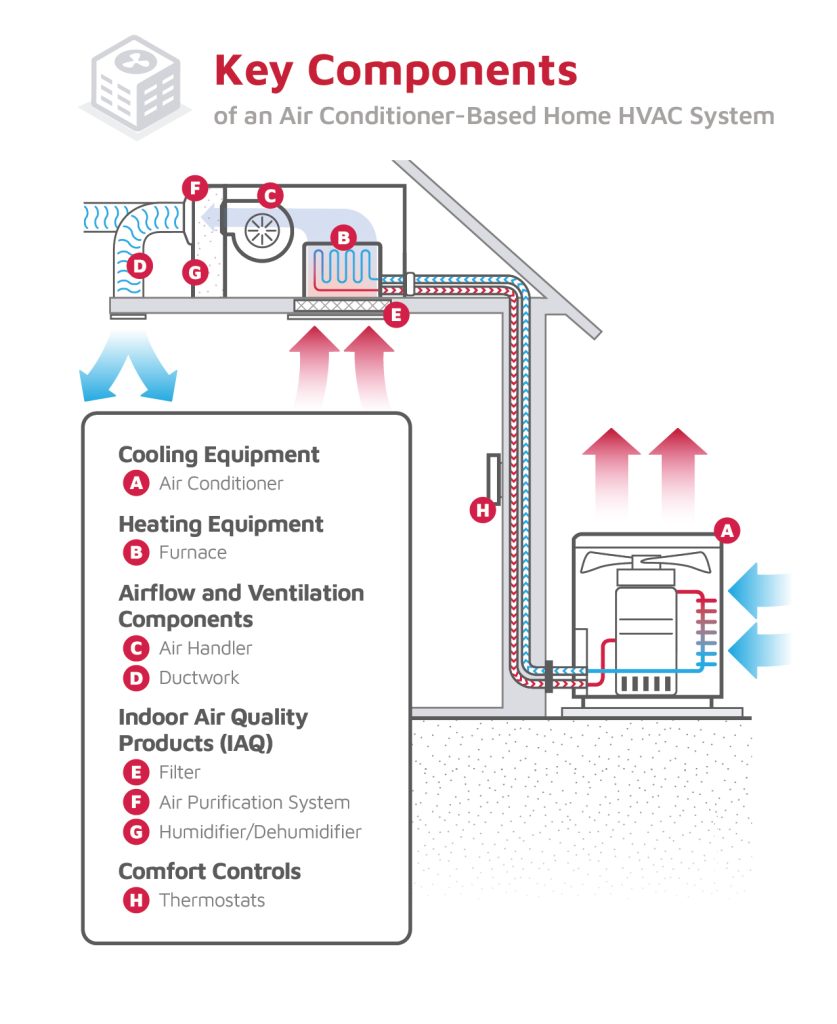
Understanding HVAC components helps you grasp how your home’s heating and cooling system works. Each part plays a crucial role in maintaining comfort, efficiency, and air quality. Knowing what these components look like and how they function can empower you to spot issues early or communicate better with service technicians.
Air Conditioner
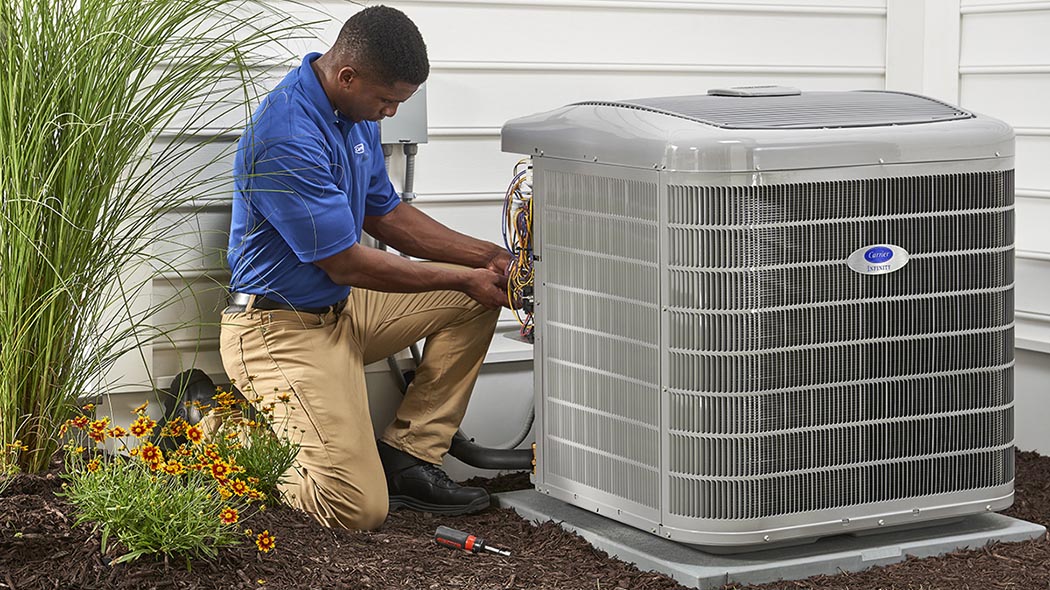
Your air conditioner is often the most visible part of the HVAC system, usually located outside your home. It consists of a compressor, condenser coil, and fan that work together to remove heat from inside your house. When you feel cool air blowing from your vents on a hot day, that’s the air conditioner doing its job.
Have you ever noticed the size and shape of your outdoor unit? It’s designed not just for cooling but also for durability against weather. If you hear strange noises or see ice buildup, it might be time to check the air conditioner’s health.
Furnace
The furnace is the heart of your home’s heating system, commonly found in basements or utility closets. It burns fuel—like natural gas or electricity—to generate heat and then distributes warm air through your ductwork. You might not see it often, but it’s essential during cold months.
Different furnaces have various components such as burners, heat exchangers, and blowers. If your home feels unevenly heated, the furnace or its parts could be the cause. Recognizing the furnace’s role helps you understand why regular maintenance is necessary.
Ductwork
Ductwork is the hidden network of tubes that delivers heated or cooled air throughout your home. It runs behind walls, under floors, or in ceilings, making it easy to overlook. Clean, sealed ducts improve airflow and energy efficiency, while leaks or blockages reduce comfort and increase bills.
Have you checked your ducts lately? Dust buildup or disconnected sections can affect your indoor air quality and system performance. Simple inspections can save you from costly repairs and keep your home comfortable.
Thermostat
The thermostat is your system’s control center, usually mounted on a wall inside your home. It senses the indoor temperature and tells the HVAC system when to turn on or off. Modern thermostats can even learn your schedule and adjust settings automatically.
Think about how often you interact with your thermostat daily. A programmable or smart thermostat not only adds convenience but also lowers energy costs. If your home’s temperature feels off, your thermostat might need recalibration or replacement.
Credit: thegentlemenpros.com
Air Conditioning Process
The air conditioning process is what makes your home or office comfortably cool during hot days. It’s a clever system that moves heat from inside your space to the outside, leaving cool air behind. Understanding how this happens can help you appreciate the technology that keeps you comfortable and even guide you in maintaining your AC unit better.
Cooling Cycle
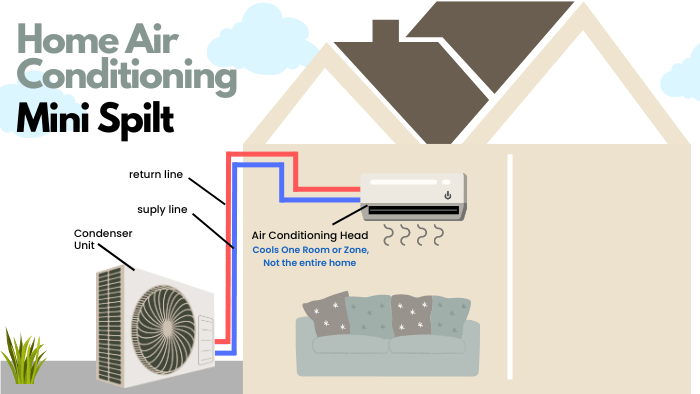
The cooling cycle is the heart of the air conditioning process. It starts when warm air from your room passes over cold evaporator coils inside the AC unit.
The coils absorb heat from the air, cooling it down before blowing it back into your room. This cycle repeats continuously, lowering the indoor temperature step by step.
Have you ever noticed how the air feels cooler right after the unit kicks on? That’s the cooling cycle in action.
Refrigerant Role
Refrigerant is the special fluid that makes cooling possible. It flows through the AC system, changing from liquid to gas and back again as it absorbs and releases heat.
When refrigerant evaporates in the indoor coils, it pulls heat out of the air. Then, it travels outside where it releases that heat and condenses back into a liquid.
Think of refrigerant as the delivery agent carrying heat away from your space—without it, the cooling cycle couldn’t happen.
Heat Exchange
Heat exchange is the process where heat moves from inside your home to the outside environment. This happens in two main parts of the AC unit: the evaporator coil inside and the condenser coil outside.
Inside, the evaporator coil absorbs heat from your indoor air. Outside, the condenser coil releases that heat into the air around your unit.
Understanding this exchange can help you see why keeping the outdoor unit clean is just as important as maintaining the indoor one. Could your AC’s efficiency improve with a quick outdoor coil cleaning?
Airflow And Ventilation
Airflow and ventilation form the heart of any HVAC system. They move air through your home or office, balancing temperature and freshness. Proper airflow ensures comfort and prevents stale or polluted air from lingering inside. Ventilation brings in fresh air and pushes out old air, keeping the indoor environment healthy.
Supply And Return Vents
Supply vents blow heated or cooled air into rooms. They deliver air directly from the HVAC system. Return vents pull air back to the system for filtering and temperature adjustment. Both types of vents must stay clear for good airflow. Blocked vents reduce system efficiency and comfort.
Air Filters
Air filters trap dust, pollen, and other tiny particles. They protect the HVAC system and improve indoor air quality. Clean filters help air flow smoothly through the system. Dirty filters block airflow and make the system work harder. Regular filter changes keep the air clean and the system efficient.
Indoor Air Quality
Good ventilation and clean airflow improve indoor air quality. Removing dust, allergens, and odors creates a healthier space. Proper airflow reduces moisture and the risk of mold. Fresh air circulation helps everyone breathe easier and feel better indoors.
System Maintenance
System maintenance keeps your HVAC running smoothly and efficiently. It prevents breakdowns and saves energy costs. Regular care extends the life of the system. Simple tasks can improve air quality and comfort in your home.
Filter Replacement
Filters catch dust and particles from the air. Dirty filters reduce airflow and strain the system. Change filters every 1 to 3 months. Use the correct filter size and type. Clean filters help maintain good indoor air quality.
Duct Cleaning
Ducts carry air throughout your home. Dust and debris build up inside ducts over time. Cleaning ducts removes allergens and dust. This improves airflow and system efficiency. Professional duct cleaning is recommended every few years.
Professional Inspections
Experts check your HVAC for issues you might miss. They inspect electrical parts, refrigerant levels, and mechanical components. Regular inspections catch problems early. Schedule inspections at least once a year. This keeps your system safe and working well.
Energy Efficiency Tips
HVAC systems control heating, cooling, and air flow in buildings. Efficient use lowers energy bills and keeps homes comfortable year-round. Simple steps like regular filter changes help HVAC run smoothly and save energy.
Energy efficiency is not just about saving money; it’s about being mindful of our environment. By optimizing your HVAC system, you can enhance comfort and reduce energy bills. Here are some actionable tips to get the most out of your system.Programmable Thermostats
Investing in a programmable thermostat can significantly cut down energy usage. These devices allow you to set specific temperatures for different times of the day. Imagine waking up to a cozy room without having to adjust the thermostat manually. Set it to lower temperatures when you’re asleep or away. This small change can lead to noticeable savings on your energy bill. It’s all about having control at your fingertips.Sealing Ducts
Leaky ducts can waste up to 30% of your heating or cooling energy. That’s like throwing money out of the window! Properly sealing your ducts ensures that the air you’re paying to heat or cool stays inside your home. Use mastic sealant or metal tape for the best results. Regularly check for leaks, especially in basements and attics where they are most common. A well-sealed duct system means efficient energy use and greater comfort.Regular Maintenance
Think of regular HVAC maintenance as a health check-up for your home. Just like a car needs regular servicing to run smoothly, so does your HVAC system. Schedule annual inspections to catch issues before they become costly repairs. Clean or replace filters every 1-3 months to maintain airflow and efficiency. A well-maintained system not only saves energy but extends the lifespan of your equipment. By adopting these energy efficiency tips, you can enjoy a comfortable home while being kind to your wallet and the planet. What’s stopping you from making these small yet impactful changes today?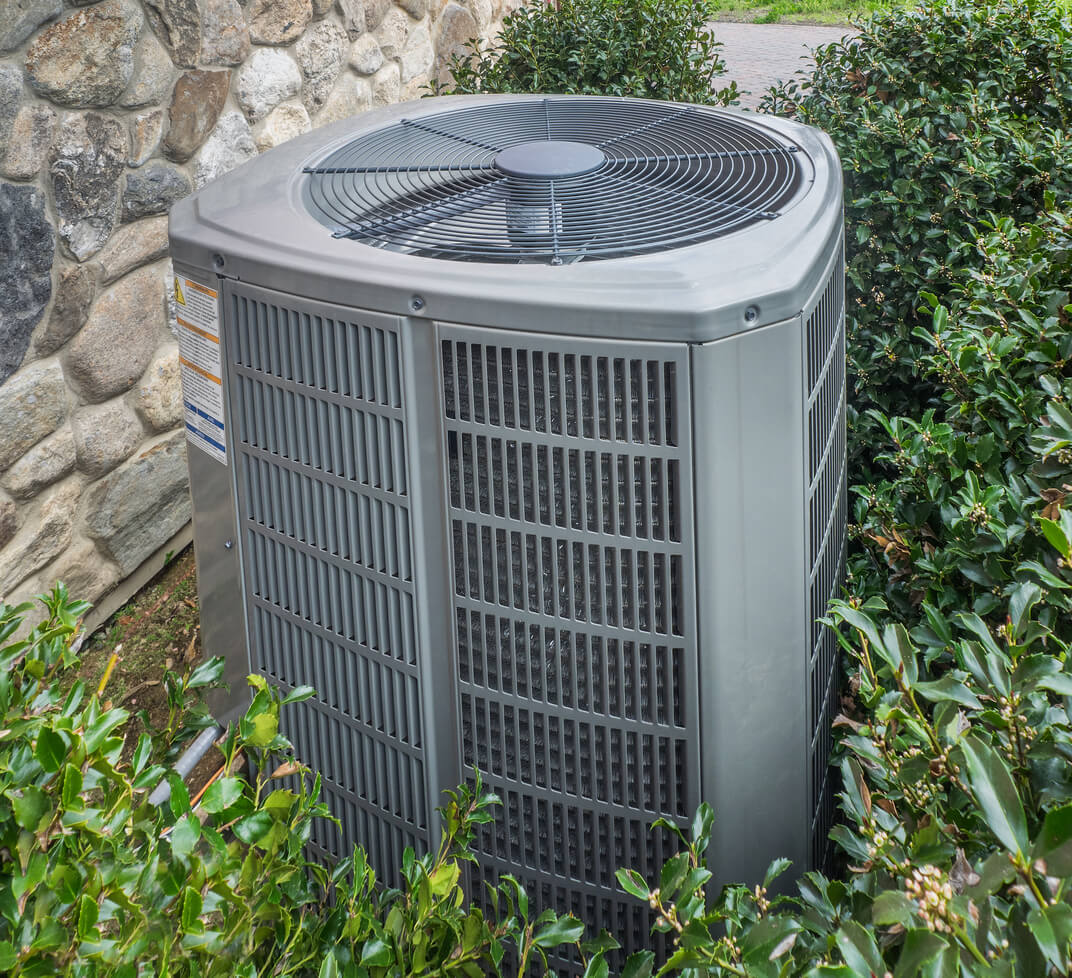
Credit: modernize.com
Frequently Asked Questions
What Does Hvac Equipment Typically Look Like?
HVAC equipment usually includes large metal units, ducts, vents, and thermostats. Outdoor units are often box-shaped and contain fans. Indoor components include air handlers, filters, and ductwork, all designed to regulate airflow and temperature efficiently.
How Can I Identify Hvac Components In My Home?
Look for metal vents on walls or ceilings, a thermostat on the wall, and a large outdoor unit near your house. Inside, you may find ductwork in basements or attics, connecting various rooms for air distribution.
What Are Common Hvac System Parts Visible Outside?
Common visible parts include the outdoor condenser unit, compressor, and fan. These units are typically large, rectangular, and placed near the building’s exterior walls or on rooftops. They work together to release heat from inside your home.
How Does Hvac Ductwork Appear Inside Buildings?
Ductwork appears as large metal tubes or rectangular channels, often hidden in ceilings or walls. They distribute heated or cooled air throughout the home, connecting the HVAC unit to various rooms for temperature control.
Conclusion
HVAC systems keep homes warm or cool all year. They include parts like heaters, air conditioners, and vents. Understanding what HVAC looks like helps you spot issues early. Proper care keeps these systems working well and saves money. Regular checks prevent breakdowns and improve air quality.
Simple knowledge about HVAC can make a big difference. Stay aware of your system’s parts and functions. This way, you keep your home comfortable and safe.



