
Have you ever felt uncomfortable during a long drive because your car seats made you sweat or feel sticky? Ventilated front seats might be the solution you didn’t know you needed.
These seats are designed to keep you cool and fresh, even on the hottest days. But what exactly are ventilated front seats, and how do they work to improve your driving experience? Keep reading, and you’ll discover how this simple feature can transform every ride into a more comfortable one.

Credit: www.threads.com
Ventilated Front Seats Basics
Ventilated front seats bring a new level of comfort to driving. They keep you cool by allowing air to flow through the seat surface. This feature is especially useful during hot weather or long drives. Understanding the basics helps you appreciate how these seats work and what parts make it possible.
How Ventilation Works
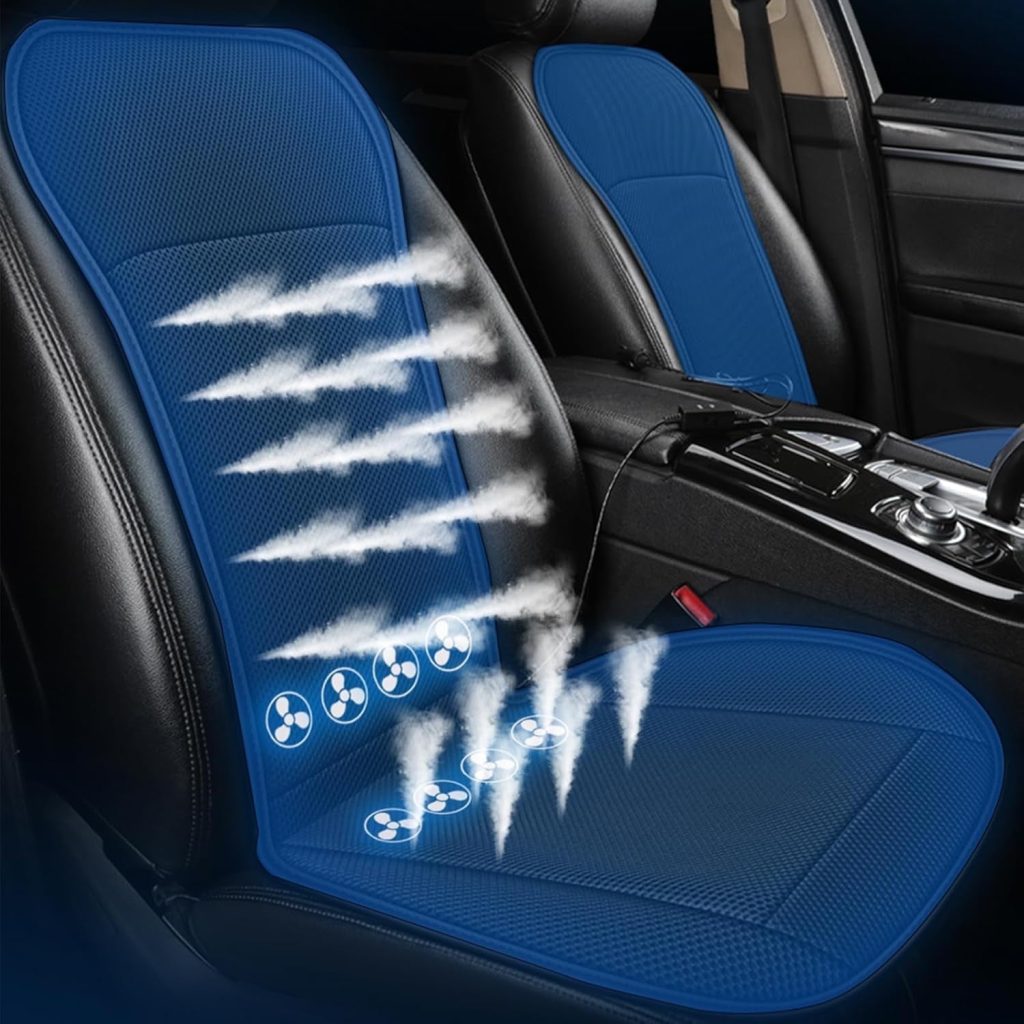
Ventilated seats use small fans built inside the seat. These fans pull air from outside or inside the car. The air moves through tiny holes in the seat’s surface. This airflow helps reduce heat and moisture on your skin. It creates a cooler and drier feeling while you sit. You can usually control the fan speed with buttons on the seat or dashboard.
Components Involved
- Fans:Small electric fans create airflow inside the seat.
- Perforated Seat Cover:Tiny holes in the leather or fabric allow air to pass through.
- Air Ducts:Channels guide the airflow from the fans to the seat surface.
- Control Module:The system’s brain, managing fan speed and power.
- Power Supply:Connects to the car’s electrical system to run the fans.
Benefits Of Ventilated Seats
Ventilated front seats bring a new level of comfort to driving. They use built-in fans to circulate air through the seat surface. This design helps reduce sweat and heat build-up. The benefits go beyond just feeling cooler. They improve overall driving experience and well-being.
Enhanced Comfort
Ventilated seats provide a steady flow of air. This airflow keeps the seat cool and fresh. It prevents discomfort caused by sticky sweat. Driving long distances feels easier and more pleasant. Passengers enjoy a cooler seat, even in hot weather.
Temperature Regulation
These seats help maintain an ideal temperature around your body. They cool the skin, stopping heat from building up. This feature is useful in warm climates or summer months. It creates a balanced environment inside the car. The seat adjusts to keep you comfortable throughout the ride.
Health Advantages
Ventilated seats can reduce skin irritation caused by heat. They lower the risk of rashes from constant sweating. Good air circulation helps prevent bacteria growth on the seat surface. This feature supports better hygiene inside the vehicle. It also helps reduce fatigue by keeping the body cool.
Comparison With Heated Seats
Ventilated front seats and heated seats both improve comfort in vehicles. Each serves a distinct purpose and works differently. Understanding their differences helps choose the right option for different weather conditions.
Function Differences
Ventilated seats use fans to move air through the seat surface. This airflow cools the body during hot weather. It helps reduce sweating and keeps you fresh on warm days.
Heated seats use electric heating elements inside the seat. They warm up the seat surface quickly in cold weather. This heat soothes muscles and provides cozy comfort.
In short, ventilation cools, while heating warms. Each system targets different temperature needs.
When To Use Each
- Choose ventilated seats in hot, humid climates or summer months.
- Use heated seats during cold weather or winter seasons.
- Ventilated seats prevent discomfort from sweat and heat buildup.
- Heated seats help relax stiff muscles and warm cold bodies.
- Some vehicles offer both, allowing switching based on weather.
Both seat types enhance driving comfort by adjusting to temperature changes.
Technology Behind The Comfort
Ventilated front seats offer a cool and comfortable driving experience. They use advanced technology to keep drivers and passengers relaxed during long journeys. Understanding the technology behind these seats helps appreciate their comfort and functionality. Let’s dive into the key elements that make ventilated front seats so effective.
Airflow Systems
Airflow systems are the heart of ventilated seats. They involve small fans or blowers placed inside the seat cushions. These fans push air through the seat perforations. The air circulation keeps the seat surface cool. Some systems also allow adjusting the airflow intensity. This feature provides personalized comfort levels. Proper airflow is crucial for effective cooling.
Materials Used
The materials used in ventilated seats enhance their cooling effect. Seat covers often have perforated leather or fabric. These materials allow air to pass through easily. Breathable materials prevent heat buildup. They ensure a steady flow of air to the seat surface. Quality materials also add to the seat’s durability and comfort.
Installation And Availability
Ventilated front seats add comfort by circulating air through the seat surface. Installing these seats depends on your vehicle and preferences. Availability varies between factory-installed and aftermarket options. Understanding these choices helps you decide the best fit for your car.
Factory Vs Aftermarket Options
Factory ventilated seats come pre-installed in some car models. They offer seamless integration and full warranty coverage. The design matches the car’s interior perfectly. These seats often use the car’s existing electrical system for power.
Aftermarket kits allow adding ventilation to standard seats. They are usually less expensive than factory options. Installation may require professional help or some DIY skills. Aftermarket seats might not blend as well with the interior. Wiring and controls could be less integrated.
Vehicle Compatibility
Not all vehicles support ventilated seats. Luxury and mid-range models are more likely to have factory options. Aftermarket kits fit many cars, but checking compatibility is vital. Seat size, shape, and electrical system affect installation.
- Check the seat type before buying a kit.
- Confirm the car’s power supply matches the kit’s needs.
- Review installation guides or consult experts.
Compatibility ensures the seat functions well and lasts longer. Proper fit also avoids discomfort or safety issues.

Credit: www.walmart.com
Maintenance Tips
Proper care keeps ventilated front seats working well for years. Regular maintenance helps avoid damage and keeps seats fresh. Clean seats gently and watch for small problems early. Doing this saves time and money on repairs.
Cleaning Ventilated Seats
Use a soft cloth to wipe the seats often. Avoid harsh chemicals or strong cleaners. Mild soap with water works best. Do not soak the seat to protect the ventilation system inside.
Vacuum the seat to remove dirt from the holes. Use a brush attachment to avoid damage. Clean spills quickly to prevent stains and odors.
Troubleshooting Common Issues
Check the fuse if the seat does not ventilate. Replace it if blown. Listen for unusual sounds from the fan. Strange noises may mean dirt or a broken part.
Test the controls to ensure they respond well. Loose buttons might need tightening or replacement. If ventilation stops, inspect the air vents for blockages.
Professional help is best for electrical or mechanical problems. Early fixes keep the system working without bigger issues.
User Experience And Feedback
User experience and feedback provide real insight into ventilated front seats. They show how well these seats perform in daily use. Feedback helps understand comfort, convenience, and any issues users face. This section explores what customers say and their long-term satisfaction.
Customer Reviews
Many users praise ventilated front seats for comfort during hot weather. They report feeling cooler and less sweaty on long drives. Some mention the adjustable fan speeds as a useful feature. A few users note the seats cool down quickly after starting the car.
Not all reviews are positive. Some customers find the ventilation less effective in extreme heat. A small number report issues with noise from the fans. Overall, most reviews highlight improved driving comfort and satisfaction.
Long-term Satisfaction
Long-term users appreciate the durability of ventilated seats. They say the seats maintain comfort even after years of use. Many note the feature adds value to their vehicle. Some owners mention that ventilated seats reduce the need for frequent air conditioning.
A few users report minor maintenance needs, like cleaning the vents. Still, most agree the benefits outweigh these small drawbacks. Long-term feedback shows ventilated seats remain a favored feature for many drivers.

Credit: www.amazon.ca
Frequently Asked Questions
What Are Ventilated Front Seats In Cars?
Ventilated front seats use built-in fans to circulate air through seat cushions. This keeps the driver and passenger cool during hot weather. The system improves comfort by reducing sweat and heat buildup. It is often found in luxury and high-end vehicles.
How Do Ventilated Front Seats Improve Driving Comfort?
They enhance comfort by providing cool airflow directly to the seat surface. This airflow helps reduce sweating and discomfort on long drives. Ventilated seats maintain a balanced temperature, making driving more pleasant in warm climates.
Are Ventilated Front Seats Different From Heated Seats?
Yes, ventilated seats cool the seat surface using fans. Heated seats, in contrast, warm the seat using electric heating elements. Both improve comfort but serve opposite functions for temperature control.
Do Ventilated Front Seats Consume More Vehicle Energy?
Yes, ventilated seats use electrical power to run small fans inside the seat. However, the energy consumption is minimal and usually does not significantly affect overall fuel efficiency.
Conclusion
Ventilated front seats offer cool comfort during hot drives. They help air flow through the seat, reducing sweat and heat. This feature makes long trips more pleasant and less tiring. Many cars now include ventilated seats for added comfort. Choosing a car with this option can improve your driving experience.
Small details like these make a big difference on the road. Enjoy a cooler, fresher ride every time you drive.



