
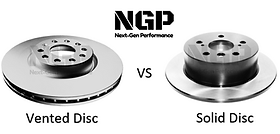
Have you ever wondered why some brakes feel cooler and perform better even after heavy use? The secret often lies in a component called the ventilated rotor.
Understanding what a ventilated rotor is can help you make smarter choices for your vehicle’s braking system, ensuring safety and efficiency every time you hit the road. You’ll discover how ventilated rotors work, why they matter, and how they can improve your driving experience.
Keep reading to unlock the key to better braking performance.
Ventilated Rotor Basics
A ventilated rotor is a key part of many vehicle braking systems. It helps keep the brakes cool during use. This cooling ability improves brake performance and safety. Understanding the basics of ventilated rotors helps you know why they are popular in cars and trucks.
Rotor Design Elements
Ventilated rotors have two main parts: two discs with a gap between them. This gap allows air to flow through the rotor. The discs are connected by ribs or vanes inside the gap.
These vanes are usually curved or straight. They help move air from the rotor’s center to the edges. The rotor surface is smooth where the brake pads touch it. This design ensures effective braking and cooling.
Cooling Mechanisms
Air flows through the gap between the discs when the rotor spins. This airflow cools the rotor by carrying heat away. The vanes act like a fan blade, pushing air through the rotor.
Cooling prevents the rotor from overheating. Overheated rotors can cause brake fade, reducing stopping power. Ventilated rotors keep brakes working well, even under heavy use. This cooling system extends the life of the brake parts.
Why Cooling Matters
Cooling is essential for ventilated rotors. Rotors generate a lot of heat during braking. Without cooling, this heat can cause damage and reduce performance. Proper cooling helps maintain the rotor’s strength and efficiency. It also improves safety by preventing brake failure.
Heat Impact On Performance
Heat affects braking in many ways. High temperatures can cause brake fade. This means the brakes lose their stopping power. Heat also makes rotors warp or crack. Warped rotors cause vibrations and noise. Overheated brakes take longer to cool down. This reduces the overall driving control and safety.
Common Overheating Issues
- Brake fade lowers braking power during long stops.
- Warped rotors cause shaking and uneven braking.
- Cracked rotors lead to expensive repairs.
- Brake fluid boiling reduces brake effectiveness.
Ventilated rotors help solve these issues by improving airflow. This keeps the brakes cooler and more reliable.
Types Of Ventilated Rotors
Ventilated rotors come in different designs to improve cooling and performance. Choosing the right type can affect how your brakes handle heat and wear during driving. Understanding these types helps you pick the best rotor for your vehicle and driving style.
Internal Vented Rotors
Internal vented rotors have cooling channels inside the rotor, allowing air to flow between two solid disc surfaces. This design helps dissipate heat more effectively than solid rotors, reducing the risk of brake fade during heavy use.
Because the vents are inside, dirt and debris are less likely to clog them, keeping cooling consistent. Have you noticed how your brakes feel after a long downhill drive? Internal vents help maintain performance in those tough spots.
Cross-drilled Rotors
Cross-drilled rotors feature holes drilled through the rotor surface. These holes allow heat and gases to escape quickly, improving cooling and braking response.
They also help water disperse faster in wet conditions, reducing brake fade. However, the holes can sometimes cause cracks under extreme stress, so they’re best suited for everyday driving and mild sport use.
Slotted Rotors
Slotted rotors have grooves cut into the surface instead of holes. These slots scrape the brake pads, removing dirt and gas buildup that can reduce braking efficiency.
Slots help maintain consistent contact between the pad and rotor, enhancing wet and dry braking. If you drive aggressively or in harsh conditions, slotted rotors can keep your braking sharp and reliable.

Credit: www.amazon.ca
Materials And Construction
The materials and construction of ventilated rotors play a crucial role in their performance and durability. The choice of materials affects heat dissipation, weight, and resistance to wear. Understanding these differences can help you make smarter decisions when selecting brake components for your vehicle.
Cast Iron Vs. Carbon Composite
Cast iron remains a popular material for ventilated rotors due to its excellent heat resistance and cost-effectiveness. It handles high temperatures well, which prevents warping during heavy braking. However, cast iron rotors tend to be heavier, which might affect your vehicle’s overall efficiency.
Carbon composite rotors, on the other hand, offer significant weight reduction and superior heat dissipation. These rotors are common in high-performance and racing vehicles where every gram counts. Yet, they come with a higher price tag and may require special care to maintain their lifespan.
- Cast Iron:Durable, affordable, heavier, good heat tolerance.
- Carbon Composite:Lightweight, excellent heat management, expensive, requires maintenance.
Manufacturing Techniques
Ventilated rotors are made by casting or machining processes that create the cooling channels between the rotor faces. These channels increase airflow and help reduce brake fade during intense use. Precision in manufacturing ensures the channels are uniform, which improves overall rotor balance and performance.
Some manufacturers also use advanced methods like CNC machining to refine the rotor surfaces and channels. This leads to better heat dispersion and a smoother braking experience. Have you ever noticed how some brakes feel more responsive? The manufacturing process often plays a big role in that.
Benefits Of Ventilated Rotors
Ventilated rotors help cool brakes faster, reducing overheating and brake fade. They improve brake performance and last longer. This makes driving safer and smoother.
Ventilated rotors are essential for modern braking systems. They provide several benefits, enhancing overall vehicle performance. Let’s explore how ventilated rotors can improve your driving experience.Improved Heat Dissipation
Ventilated rotors have a unique design. This design allows air to flow through them. As a result, they cool down faster. This cooling prevents overheating during intense braking. It keeps your brakes working efficiently.Enhanced Brake Life
With better cooling, brakes last longer. Overheating can wear out brake components quickly. Ventilated rotors reduce this wear and tear. This means fewer replacements and repairs. It saves time and money.Performance In Extreme Conditions
Ventilated rotors perform well in tough situations. Whether you’re driving downhill or in heavy traffic. They maintain their efficiency under pressure. This reliability boosts confidence in your vehicle’s braking ability.Common Applications
Ventilated rotors play a crucial role in various types of vehicles. They help improve braking by allowing heat to escape faster. This feature prevents brake fade and keeps braking reliable. Different vehicles use ventilated rotors based on their needs and performance requirements.
Passenger Vehicles
Passenger cars often use ventilated rotors for better heat management. These rotors help keep the brakes cool during daily driving. This improves safety and extends the life of brake components. Most mid-range and high-end passenger vehicles feature ventilated rotors.
High-performance Cars
High-performance cars demand superior braking power. Ventilated rotors provide quick heat dissipation during aggressive driving. This helps maintain strong brake performance on tracks or fast roads. Sports cars and performance sedans rely heavily on ventilated rotors.
Heavy-duty Vehicles
Heavy-duty vehicles like trucks and buses carry large loads. Ventilated rotors help manage the intense heat from frequent braking. They reduce the risk of brake failure on long descents or heavy traffic stops. These rotors ensure safety and reliability under tough conditions.
Maintenance Tips
Maintaining a ventilated rotor is key to keeping your vehicle’s braking system efficient and safe. Regular care prevents issues like overheating and uneven wear, which can lead to costly repairs. Let’s dive into practical tips that help you spot problems early and keep your rotors in top shape.
Inspection Procedures
Check your ventilated rotors every few months or whenever you notice unusual braking behavior. Look for visible cracks, grooves, or rust on the rotor surface. Don’t forget to inspect the rotor thickness; if it’s below the manufacturer’s minimum, it’s time for a replacement.
Listen for squealing or grinding noises during braking—they often signal rotor or pad problems. Also, feel for vibrations in the steering wheel when braking, which might indicate rotor warping. Keeping a close eye on these signs can save you from sudden brake failure.
Cleaning And Care
Dirt and brake dust build-up can reduce rotor efficiency. Use a brake cleaner spray and a soft brush to remove grime without damaging the rotor. Avoid using harsh chemicals or abrasive tools that can scratch the rotor’s surface.
After cleaning, wipe the rotor with a clean, dry cloth to prevent moisture buildup and rust. While working on your rotors, check the ventilation slots for blockages and clear them carefully. This small step helps maintain proper cooling and extends rotor life.

Credit: lordco.com
Future Trends
Ventilated rotors help cool brakes by allowing air to flow between rotor surfaces. This design reduces heat and improves braking performance. Future trends focus on making these rotors lighter and more efficient for better vehicle safety.
The future of ventilated rotors is exciting and filled with potential innovations. As technology evolves, so do the materials and designs that enhance the performance of these crucial automotive components. Let’s dive into the trends that are shaping the future of ventilated rotors, focusing on advanced materials and innovative cooling designs.Advanced Materials
The materials used in ventilated rotors are on the brink of transformation. Manufacturers are exploring lightweight composites and alloys to improve performance. Imagine a rotor that’s not only strong but also significantly lighter, enhancing fuel efficiency and reducing emissions. Have you ever wondered how these advanced materials could make a difference in your car’s braking system? They reduce wear and tear, extending the life of your rotors. This means fewer replacements and lower maintenance costs. Moreover, these materials often have better heat dissipation properties. This ensures that your brakes remain effective even under extreme conditions. The next time you’re driving down a steep hill, think about how these materials are quietly working to keep you safe.Innovative Cooling Designs
Cooling designs in ventilated rotors are becoming more sophisticated. Engineers are experimenting with new patterns and structures to enhance airflow. Better airflow means quicker heat dissipation, which is crucial for brake performance. Consider the feeling of confidence when you know your brakes will perform reliably in a sudden stop. Innovative designs like curved vanes and intricate vent patterns are making this possible. These cooling designs are not just about efficiency but also about sustainability. By reducing the risk of overheating, they lower the chances of brake fluid boiling, which can lead to brake failure. Have you thought about how these advancements can contribute to safer driving experiences? In the future, you might even see rotors with smart sensors that monitor temperature and wear in real-time. This can alert you before a problem arises, ensuring your safety on the road. What if you could get a notification on your phone that it’s time to check your brakes? This could become a reality sooner than you think. The world of ventilated rotors is rapidly evolving, offering exciting advancements that promise to enhance performance, safety, and efficiency. Are you ready to embrace these future trends?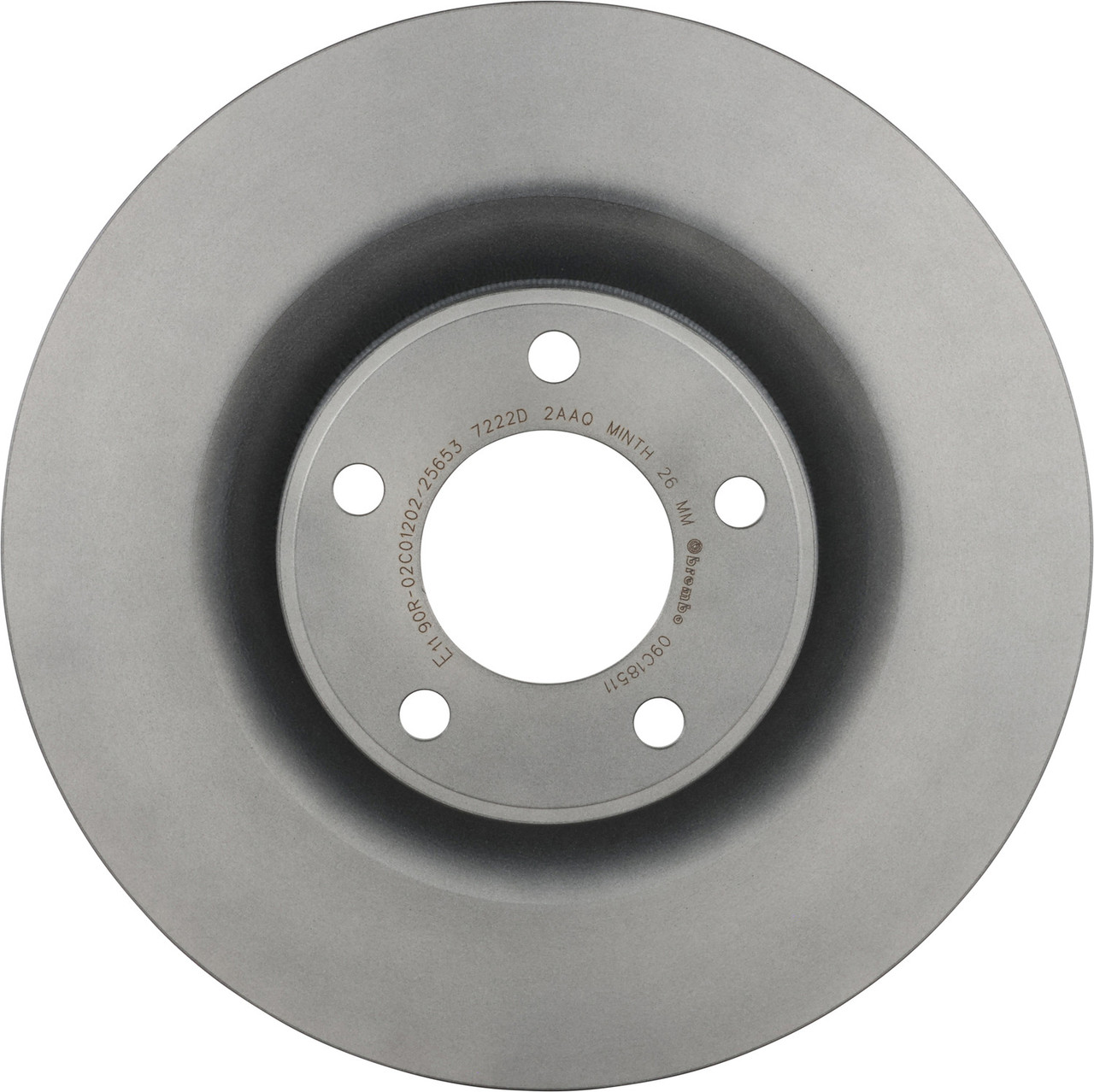
Credit: lordco.com
Frequently Asked Questions
What Is A Ventilated Rotor In Braking Systems?
A ventilated rotor is a brake disc designed with internal air channels. These channels enhance cooling, preventing overheating and brake fade. It improves overall braking performance and extends the rotor’s lifespan, especially in high-stress driving conditions.
How Does A Ventilated Rotor Improve Brake Cooling?
Ventilated rotors have air gaps that allow airflow through the disc. This airflow dissipates heat faster than solid rotors. Better cooling reduces brake fade and maintains consistent stopping power during repeated or prolonged braking.
Are Ventilated Rotors Better Than Solid Rotors?
Yes, ventilated rotors offer superior heat dissipation compared to solid rotors. This makes them ideal for heavy vehicles or performance cars needing reliable braking under stress. However, solid rotors can be sufficient for light, everyday driving.
Can Ventilated Rotors Reduce Brake Fade?
Ventilated rotors significantly reduce brake fade by improving heat management. Their design prevents excessive temperature buildup during braking. This ensures consistent braking performance and safer driving, especially during downhill or emergency stops.
Conclusion
A ventilated rotor helps keep brakes cool during use. It reduces heat, which stops brake fade and damage. Cars with ventilated rotors often have better braking performance. These rotors last longer and work well in tough conditions. Knowing how they function can help you choose the right brake system.
They play an important role in vehicle safety and efficiency. Understanding ventilated rotors is useful for any driver or car owner.



