
Have you ever wondered what sets a ventilator apart from a respirator? You might think they’re the same, but knowing the difference could be crucial, especially if you or a loved one ever face breathing difficulties.
Understanding these devices can help you feel more confident and informed during medical conversations. Keep reading, and you’ll discover exactly how each works, when they’re used, and why that matters for your health and safety. This knowledge could make all the difference when it counts the most.
Ventilator Basics
Understanding ventilators is key if you’re curious about how machines support breathing in critical situations. Ventilators are complex yet fascinating devices designed to assist or replace spontaneous breathing. Knowing their basics helps you appreciate their role in healthcare and how they differ from respirators.
How Ventilators Work
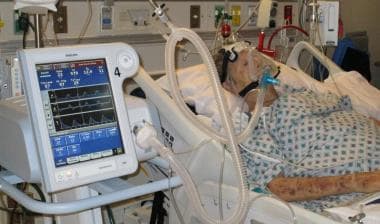
Ventilators push air into your lungs through a tube inserted in your airway. They control the amount of oxygen and the pressure to keep your lungs inflated. You can think of it as a mechanical breath that ensures your body gets the oxygen it needs when you cannot breathe well on your own.
Some machines monitor your breathing patterns and adjust accordingly. This responsiveness can be the difference between recovery and complications. Have you ever wondered how precise this support must be to match your natural breathing?
Types Of Ventilators
- Invasive Ventilators:These require a tube placed inside the windpipe. They are used in critical care when patients cannot breathe independently.
- Non-invasive Ventilators:These use masks to deliver air and are less intrusive. They often help patients with chronic breathing problems.
- Portable Ventilators:Designed for transport or home use, these machines are smaller but still effective.
Each type has specific settings and uses, tailored to patient needs. Have you noticed how the choice depends on both the condition and comfort of the patient?
Common Uses In Healthcare
Ventilators are lifesavers in intensive care units, especially during surgeries and severe respiratory illnesses. They support patients with conditions like pneumonia, COVID-19, or trauma that affect breathing.
They are also crucial during anesthesia to maintain breathing when patients are unconscious. If you’ve ever been in a hospital for surgery, a ventilator likely helped maintain your breathing without you even realizing it.
Ventilators can be part of long-term care for chronic lung diseases too. Their role goes beyond emergencies, showing how vital they are in various healthcare settings.

Credit: medium.com
Respirator Essentials
Understanding respirators is key if you want to protect yourself from harmful particles in the air. Respirators are not just masks; they are specialized devices designed to filter or block dangerous substances. Knowing the essentials about respirators helps you choose the right one for your safety.
Purpose Of Respirators
Respirators are made to protect your lungs from inhaling hazardous materials. These materials can include dust, fumes, gases, and infectious particles. If you work in environments with poor air quality, wearing a respirator can prevent serious health issues.
Have you ever noticed how some masks feel tight and others don’t? That’s because respirators create a seal to keep harmful particles out. They are designed for safety, not just comfort, which is why fit is so important.
Different Respirator Types
There are several types of respirators, each serving a unique purpose:
- Disposable Respirators:Often called N95 masks, these are designed for single use and filter out at least 95% of airborne particles.
- Reusable Respirators:Made with replaceable filters, these offer long-term protection and are commonly used in industrial settings.
- Powered Air-Purifying Respirators (PAPRs):These use a battery-powered blower to pull air through filters, making breathing easier in highly contaminated areas.
Choosing between these depends on your exposure level and how long you need protection. Are you ready to invest in a reusable option, or is a disposable mask enough for your needs?
Protection Levels
Respirators come with different protection ratings that tell you how effective they are:
| Rating | Protection Level | Common Use |
|---|---|---|
| N95 | Filters 95% of airborne particles | Healthcare, construction, general pollution |
| N99 | Filters 99% of airborne particles | Hazardous environments needing higher filtration |
| P100 | Filters 99.97% of airborne particles | Highly toxic environments, chemical exposure |
Knowing the protection level you need can make a huge difference in safety. Would you risk less protection in a high-risk environment? Probably not.
Key Differences
The key differences between a ventilator and a respirator lie in their purpose and how they support breathing. Both devices help with air and oxygen, but they serve very different roles. Understanding these differences helps in knowing which device is needed in various health situations.
Functionality Comparison
A ventilator supports or takes over breathing for a person who cannot breathe properly. It pushes air into the lungs using a machine. A respirator protects the user by filtering harmful particles from the air. It does not assist with breathing but blocks dangerous substances.
Design And Components
Ventilators have complex parts like pumps, tubes, and monitors. They connect to a patient’s airway with tubes or masks. Respirators are simpler. They include filters, valves, and a mask that fits tightly on the face to block airborne particles.
User Interaction
Ventilators require medical staff to operate and monitor continuously. The patient often cannot use it alone. Respirators are usually worn by individuals to protect themselves. They are easy to put on and take off without help.

Credit: www.getinge.com
Applications In Real Life
Understanding how ventilators and respirators are used in real life helps clarify their distinct roles. Each device serves a unique purpose depending on the situation and environment. Let’s look at how these tools impact daily life across different settings.
Medical Settings
Ventilators are crucial in hospitals for patients who cannot breathe on their own. They support breathing during surgeries or in intensive care units, ensuring oxygen reaches the lungs effectively.
Respirators, on the other hand, protect healthcare workers from airborne infections. Masks like N95 respirators filter out harmful particles, keeping doctors and nurses safe while treating contagious patients.
Industrial And Safety Use
Respirators are widely used in industries where workers face dust, chemicals, or toxic fumes. They come in various types, from simple face masks to full-face respirators with air supply systems.
Ventilators rarely appear in industrial settings because their function is patient-focused. Instead, respirators help maintain worker health by filtering out dangerous substances in the air.
Emergency Scenarios
In emergencies like natural disasters or accidents, ventilators help save lives by supporting people with breathing difficulties. Emergency medical teams rely on portable ventilators to provide immediate respiratory support.
Respirators become essential during chemical spills or wildfire smoke exposure. They protect both responders and victims from inhaling hazardous particles, reducing health risks in chaotic environments.
Have you ever considered which device you might need in a crisis? Knowing their applications can prepare you to respond effectively and protect yourself and others.
Choosing The Right Device
Choosing the right device depends on your needs. Ventilators help patients breathe by moving air in and out of lungs. Respirators protect users by filtering harmful particles from the air they breathe. Understanding this difference guides proper device use.
When it comes to respiratory care, choosing the right device is crucial for patient safety and effective treatment. Ventilators and respirators are two devices often used interchangeably, but they serve different purposes. A ventilator is a machine that provides mechanical ventilation, while a respirator is a device that delivers oxygen or other gases to the lungs. Understanding the differences between these devices can help healthcare professionals make informed decisions.Factors To Consider
Several factors must be considered when choosing between a ventilator and a respirator:
- Severity of illness
- Patient age and size
- Expected duration of treatment
- Availability of medical staff and resources
Common Misconceptions
Several misconceptions exist about ventilators and respirators:
- That all ventilators are the same
- That a respirator is a type of ventilator
- That ventilators are only used in hospitals
Expert Recommendations
Experts recommend:
- Assessing patient needs and medical history
- Consulting with other healthcare professionals
- Choosing devices that meet patient needs and are easy to use

Credit: www.newyorker.com
Frequently Asked Questions
What Is A Ventilator In Medical Terms?
A ventilator is a machine that helps patients breathe by moving air in and out of the lungs. It supports those who cannot breathe adequately on their own due to illness or surgery. Ventilators are commonly used in intensive care units.
How Does A Respirator Differ From A Ventilator?
A respirator is a protective mask that filters harmful particles from the air. Unlike ventilators, respirators do not assist breathing but protect the wearer from airborne contaminants. They are used in healthcare and industrial settings to ensure clean air.
When Is A Ventilator Necessary For Patients?
Ventilators are necessary when patients cannot breathe sufficiently due to lung failure, surgery, or severe illness. They provide mechanical breathing support and maintain oxygen levels. This intervention is critical in intensive care and emergency situations.
What Types Of Respirators Are Commonly Used?
Common respirators include N95 masks, surgical masks, and powered air-purifying respirators (PAPRs). Each type filters airborne particles to different extents. They protect healthcare workers and others from viruses, dust, and hazardous substances.
Conclusion
Ventilators and respirators serve different health needs. Ventilators help patients breathe when they cannot do it alone. Respirators protect people from harmful air particles. Knowing their roles helps in understanding medical care. Both are important but work in unique ways.
This knowledge can guide better health decisions. Keep these differences in mind for clearer understanding. Simple, clear facts make health topics easier. Always ask a professional for more details if unsure.



