

Have you ever wondered why some cars feel so comfortable even on the hottest days? The secret often lies in a feature called ventilated seats.
If you spend a lot of time driving or just want to make your rides more enjoyable, understanding what ventilated seats are can change the way you think about car comfort. You’ll discover how these seats work, why they matter, and how they can make every drive a cool, refreshing experience.
Keep reading to learn how this simple feature can transform your time behind the wheel.
Ventilated Seats Basics
Ventilated seats are more than just a luxury feature in modern cars—they offer real comfort, especially during hot weather. These seats help keep you cool by allowing air to circulate through the seat surface. Understanding the basics of ventilated seats can help you appreciate how they improve your driving experience.
How Ventilated Seats Work
Ventilated seats use small fans built inside the seat cushions to push air through perforations in the leather or fabric. This airflow helps to evaporate sweat and reduce heat buildup, keeping your back and thighs cool. Some systems also draw air from the cabin or outside, improving the freshness of the air you feel while driving.
Think about the last time you sat in a car without ventilation on a hot day—you probably felt sticky and uncomfortable. Ventilated seats solve this problem by actively moving air, rather than relying on your car’s air conditioning alone.
Types Of Ventilation Systems
- Active Ventilation:Uses built-in fans to blow air through the seat surface, offering continuous cooling.
- Passive Ventilation:Relies on perforated seat materials that allow air to circulate naturally, often combined with air conditioning.
- Combined Systems:Some high-end models use a mix of active fans and cooling gels to maximize comfort.
Choosing the right ventilation system depends on your climate and driving habits. Have you noticed how some systems feel stronger or quieter than others? That’s because the technology can vary widely between car brands and models.

Credit: www.amazon.ca
Benefits Of Ventilated Seats
Ventilated seats bring a new level of comfort to your driving experience, especially during warm days. They actively cool you down by circulating air through tiny perforations in the seat material. This feature is more than just a luxury; it offers several practical benefits that can change how you feel on every trip.
Enhanced Comfort In Hot Weather
Imagine stepping into your car after it’s been baking under the sun. Ventilated seats can quickly reduce that sticky, uncomfortable feeling by drawing heat away from your body. This immediate cooling effect helps you stay relaxed and focused while driving.
Do you often find yourself sweating during summer drives? Ventilated seats tackle that problem directly, making your ride much more pleasant and less distracting.
Improved Air Circulation
These seats don’t just cool you; they also improve airflow around your back and thighs. This constant air movement prevents moisture buildup, which can cause discomfort or even skin irritation on long drives. You might notice how this subtle airflow keeps you feeling fresh even after hours on the road.
Have you ever felt the difference between sitting on a regular seat versus one that breathes? Ventilated seats provide that refreshing sensation, turning your car into a more comfortable environment.
Health Advantages
Ventilated seats can reduce the risk of skin problems like rashes and heat sores caused by prolonged sweating. They also help maintain better posture by keeping you cooler, which reduces muscle tension and fatigue. This can make a big difference on those long commutes or road trips.
Think about how often you adjust your position because you’re uncomfortable or hot. With ventilated seats, you can focus more on driving safely and less on shifting around to cool down.
Ventilated Seats Vs Heated Seats
Ventilated seats and heated seats both improve comfort during driving. Each serves a different purpose by controlling seat temperature. Understanding their differences helps choose the right feature for your needs.
Key Differences
Ventilated seats cool the seat surface using small fans. They circulate air through perforations in the seat. This helps reduce sweating and heat buildup on hot days.
Heated seats use electric heating elements inside the seat cushion. They warm the seat quickly during cold weather. This provides immediate warmth to the driver and passengers.
- Ventilated seats cool down the body by airflow.
- Heated seats warm the body by heat emission.
- Ventilated seats prevent moisture and stickiness.
- Heated seats provide cozy warmth in chilly conditions.
When To Use Each
Use ventilated seats in hot climates or summer months. They keep you cool and dry during long drives. Ventilated seats improve comfort by reducing sweat and heat.
Heated seats work best in cold weather or winter seasons. They provide warmth quickly when temperatures drop. Heated seats make cold mornings and snowy drives more pleasant.
Some vehicles offer both features for year-round comfort. This allows switching between cooling and heating as needed.

Credit: www.amazon.ca
Common Features In Ventilated Seats
Ventilated seats use small fans to move air through tiny holes in the seat surface. This helps keep drivers and passengers cool and comfortable during warm weather. Many models also offer adjustable airflow settings for personalized comfort.
Ventilated seats in cars are a game-changer for comfort, especially during hot weather. They provide a cooling effect by circulating air through perforations in the seat material, making your drive more enjoyable. But what makes these seats even more appealing are the common features that enhance their functionality and user experience.Adjustable Fan Speeds
Most ventilated seats come with the option to adjust fan speeds. This means you can customize the airflow to suit your personal comfort level. On a mild day, you might prefer a gentle breeze, while a hot summer afternoon might call for a higher setting. It’s like having your personal climate control system right in your seat. Have you ever wished you could adjust the temperature of your seat like you do with your car’s AC? With ventilated seats, now you can.Integration With Climate Control
Ventilated seats often integrate seamlessly with your car’s climate control system. This feature ensures that the seat ventilation adjusts in harmony with the overall cabin temperature. For instance, when you set a cooler temperature in the cabin, the seats automatically enhance the cooling effect. This integration offers a holistic approach to maintaining comfort without manually adjusting each feature separately. Isn’t it convenient to have a car that thinks ahead for you?Material Considerations
The material of ventilated seats plays a crucial role in their effectiveness. Leather and high-quality fabric are commonly used because of their durability and ability to allow airflow. However, the choice of material can affect the cooling efficiency. Leather, while luxurious, might take longer to cool down compared to fabric. Have you noticed how some materials feel cooler to the touch, even without ventilation? That’s the kind of consideration that goes into designing ventilated seats. Whether you’re planning a long road trip or just driving to the grocery store, the right material can make all the difference in your comfort level. Ventilated seats are more than just a luxury—they’re a practical solution to enhance your driving experience. By understanding these features, you can make an informed decision on what suits you best. What feature do you think would make your ride more comfortable?Maintenance And Care Tips
Proper maintenance keeps ventilated seats working well and lasting longer. Regular care prevents damage and ensures comfort. Simple steps help keep the air channels clear and the seat material fresh. Pay attention to the seat’s condition and clean it carefully.
Cleaning Ventilated Seats
Use a soft brush to remove dust from seat perforations. Vacuum the seats gently to avoid damaging the ventilation holes. Clean with a mild soap solution and a soft cloth. Avoid soaking the seat to protect the electronic components. Dry the seat naturally and avoid direct sunlight. Use seat cleaners made for leather or fabric, depending on your seat type.
Troubleshooting Common Issues
Check for weak airflow or no air from vents inside the seat. Ensure the fan or blower is not blocked by dirt or debris. Listen for unusual noises that may indicate a motor problem. Reset the seat’s ventilation system by turning the car off and on again. If the ventilation stops working, consult the car manual or a professional mechanic. Regular inspection helps catch small issues early.
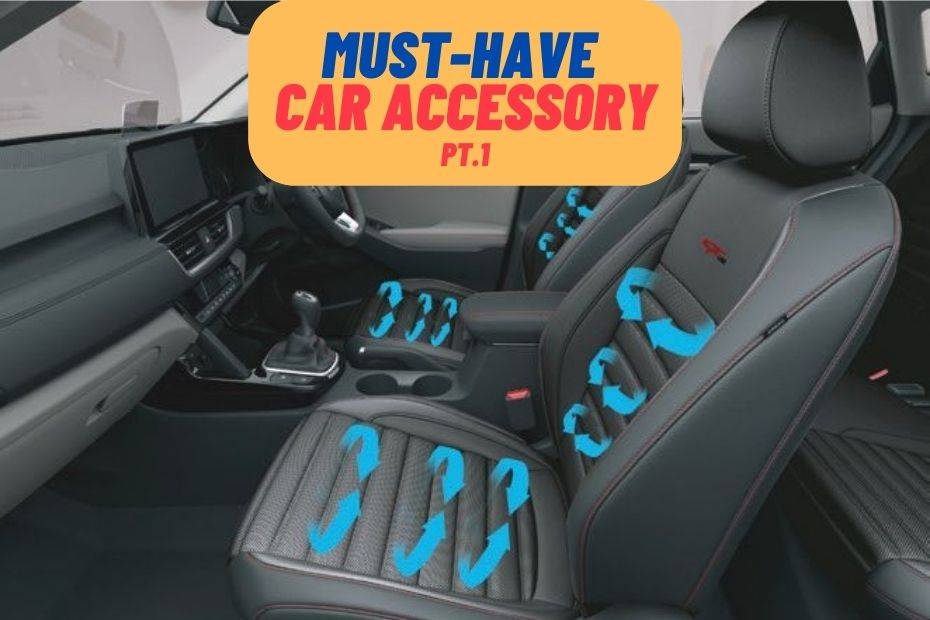
Credit: www.cardekho.com
Future Trends In Seat Ventilation
Seat ventilation technology is evolving fast to improve comfort in all climates. Future seat designs aim to cool passengers more efficiently while using less energy. These trends focus on combining new materials, sensors, and smart systems for better results. The goal is a personalized cooling experience that adapts to each driver and passenger.
Advanced Cooling Technologies
New cooling methods are being tested beyond simple fans. Some seats use thermoelectric cooling to lower temperatures quickly. Others integrate phase change materials that absorb heat and release it slowly. These materials help keep seats cool without constant power use. Airflow systems will become quieter and more efficient, enhancing comfort without noise distractions.
Smart Seat Integration
Smart seats will connect with cars’ climate control and driver profiles. Sensors will detect body temperature and adjust cooling automatically. This creates a personalized cooling level for each occupant. Voice commands and mobile apps may allow easy control of seat ventilation. Data from smart seats can improve overall vehicle energy management and comfort settings.
Frequently Asked Questions
What Are Ventilated Seats In Cars?
Ventilated seats use built-in fans to circulate air through the seat surface. This keeps the driver cool and comfortable, especially in hot weather. They improve comfort by reducing sweat and heat buildup during long drives.
How Do Ventilated Seats Work?
Ventilated seats use small fans or air channels inside the seat cushion. These fans pull air through the seat material, promoting airflow. This helps evaporate sweat and lowers the seat temperature, providing a cooling effect for passengers.
Are Ventilated Seats Better Than Heated Seats?
Ventilated seats cool the body, while heated seats provide warmth. Both improve comfort but serve opposite purposes. Ventilated seats are ideal for hot climates, and heated seats are better in cold weather. Some cars offer combined functions for year-round comfort.
Do Ventilated Seats Consume More Car Battery Power?
Ventilated seats use low-power electric fans that consume minimal battery energy. Their impact on overall battery life is negligible during regular use. Modern cars manage power efficiently, so ventilated seats won’t significantly affect fuel economy or battery charge.
Conclusion
Ventilated seats help keep you cool and comfortable while driving. They work by moving air through tiny holes in the seat. This feature is useful on hot days and long trips. Cars with ventilated seats offer a better driving experience.
Choosing a vehicle with this option adds comfort and value. Remember, comfort matters as much as style and speed. Consider ventilated seats when buying your next car. They make every ride more pleasant and fresh.



