

When it comes to keeping your space fresh and comfortable, wind-assisted natural horizontal ventilation through windows and doors can make a huge difference. But do you know how to use this technique effectively?
Understanding when and how to perform wind-assisted ventilation can save you money, improve air quality, and reduce energy use. You’ll discover simple yet powerful tips to get the most out of your windows and doors for natural airflow. Ready to transform your environment and breathe easier?
Let’s dive in!

Credit: quizlet.com
Benefits Of Wind Assisted Ventilation
Wind assisted natural horizontal ventilation uses the power of wind to move fresh air through buildings. This method offers many benefits that improve indoor air quality and comfort. It also helps reduce energy use and costs.
Using wind to ventilate windows and doors creates a steady airflow. This airflow removes stale air and brings in fresh air quickly. It works well in various weather conditions and building types.
Improved Air Quality
Fresh air flows continuously through the space. This removes pollutants, odors, and moisture. Cleaner air helps reduce allergies and respiratory problems.
Energy Savings
Wind powered ventilation cuts the need for fans or air conditioning. Lower energy use means reduced utility bills. This method is eco-friendly and lowers carbon footprints.
Enhanced Comfort
Natural airflow helps maintain a stable indoor temperature. It prevents stuffy rooms and hot spots. Occupants feel cooler and more relaxed.
Low Maintenance
Wind assisted systems use fewer mechanical parts. This means less breakdown and repair work. Simple operation keeps maintenance costs low.
Cost Effective
Installation uses existing windows and doors. No need for expensive equipment or wiring. This reduces initial investment and speeds up setup.
Choosing The Right Windows And Doors
Choosing the right windows and doors is crucial for effective wind-assisted natural horizontal ventilation. The right selections not only enhance airflow but also improve energy efficiency and indoor comfort. Understanding key factors like materials, size, and opening mechanisms will help you make informed choices that match your space and climate.
Material Considerations
Material affects durability, maintenance, and insulation. Aluminum frames are lightweight and resist corrosion, making them great for coastal areas. Wood offers excellent insulation but needs regular upkeep to prevent warping or decay.
Vinyl is affordable and low-maintenance but may not be as strong in extreme weather. Consider how each material handles moisture and temperature changes to avoid costly repairs. What type of environment does your building face every day?
Size And Placement
Windows and doors must be sized to maximize cross-ventilation. Large openings on opposite walls allow wind to flow freely through your space. However, oversized windows can cause heat loss or gain if not positioned properly.
Think about where prevailing winds come from and place openings accordingly. Higher windows can let hot air escape, while lower ones draw in cooler air. How well does your current setup align with natural wind patterns?
Opening Mechanisms
The way windows and doors open influences how much air enters your home. Casement windows, which swing outward, catch breezes more effectively than sliding types. Awning windows provide ventilation even during light rain, thanks to their angled openings.
Doors with adjustable louvers let you control airflow without fully opening them. Choose mechanisms that are easy to operate and secure. Have you tested how different openings affect airflow in your living space?
Maximizing Airflow Efficiency
Maximizing airflow efficiency is key to enhancing the comfort and energy savings in your space when using wind-assisted natural horizontal ventilation through windows and doors. Properly managing how air moves can reduce reliance on mechanical cooling and improve indoor air quality. Let’s look at practical ways to make sure you’re getting the most out of every breeze that passes through your home or building.
Optimal Window Orientation
Positioning your windows to catch prevailing winds can dramatically boost ventilation. South-facing windows often receive steady breezes in many climates, but this varies depending on your location.
Think about your local wind patterns throughout the day and year. Align windows so they face the direction where wind naturally flows most often. You don’t have to open every window wide—sometimes even a small opening in the right spot can create a powerful airflow.
Cross Ventilation Techniques
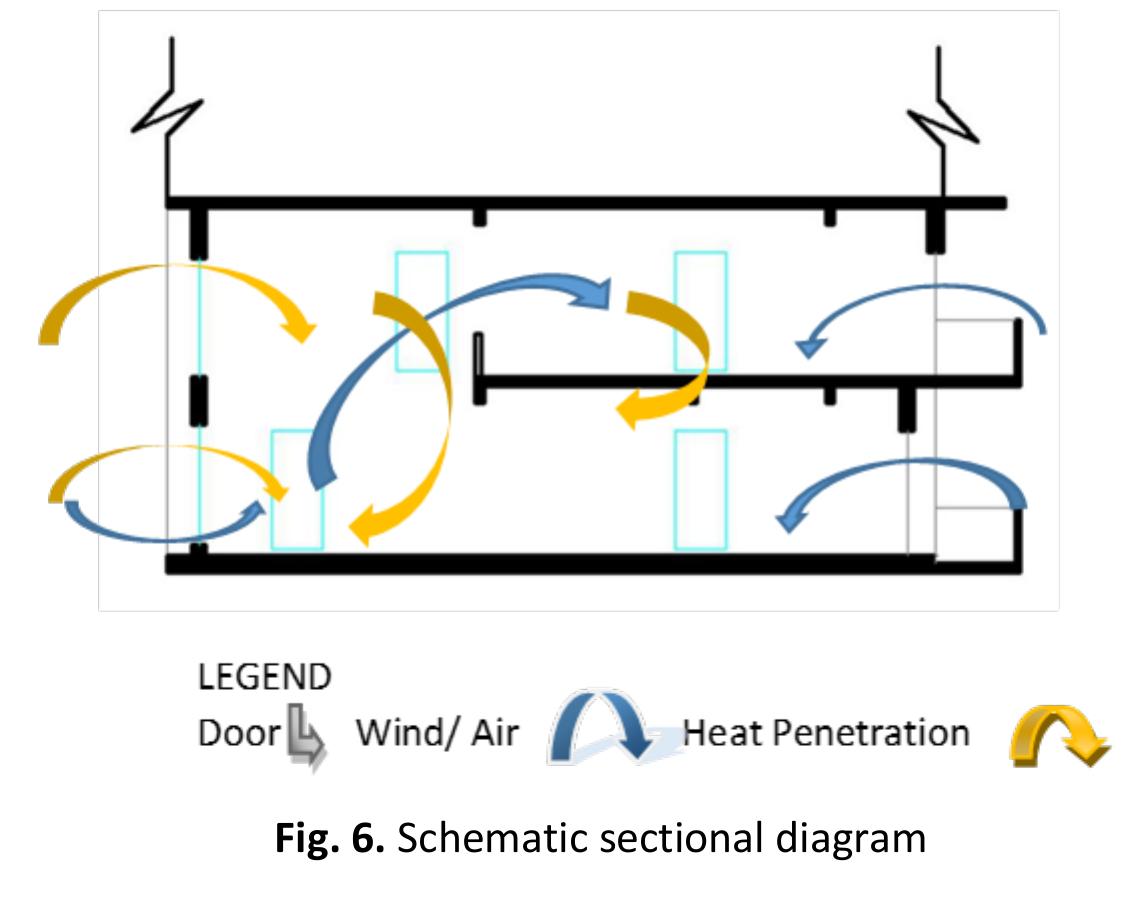
Creating a path for air to move straight through your space increases ventilation efficiency. Open windows or doors on opposite sides of a room or building to encourage air to flow directly from one side to the other.
Try opening windows at different heights too. Warm air rises, so having a lower opening for cool air to enter and a higher opening for warm air to exit helps push the airflow along naturally.
Using Wind Direction To Advantage
Always check the wind direction before opening windows or doors for ventilation. Opening them against the wind won’t help much and can even cause discomfort by blowing dust or noise inside.
Adjust your openings based on real-time wind changes. You might find that partially opening a door on the leeward side (the side sheltered from the wind) helps create a smoother airflow than fully opening a window directly facing the wind.
Have you noticed how shifting a window just a few inches can change the whole feel of a room? That’s the kind of airflow control you want to aim for to maximize natural ventilation.
Credit: www.academia.edu
Safety And Security Tips
Ensuring safety and security while using wind-assisted natural horizontal ventilation through windows and doors is essential. Proper precautions can protect your home and loved ones without compromising fresh air circulation. Let’s look at practical tips that keep your space secure and safe.
Locking Systems
Strong locking mechanisms are key to maintaining security while allowing ventilation. Choose locks that can secure windows and doors in a partially open position, preventing unauthorized entry but enabling airflow.
Consider multi-point locks or adjustable latches that let you control the opening size. These locks add a layer of protection without sacrificing the benefits of natural ventilation.
Screening Options
Adding screens to your windows and doors blocks insects and debris while letting air flow freely. Look for durable mesh materials that resist tearing and are easy to clean.
Magnetic or retractable screens offer flexibility, allowing you to open or close them as needed. They are especially useful if you want to ventilate without compromising on comfort or cleanliness.
Child Safety Measures
If you have young children, it’s crucial to prevent accidental falls or injuries from open windows and doors. Install window guards or stops that limit how far openings can extend.
Keep operating mechanisms out of your child’s reach and teach them about the dangers of leaning on open windows. These simple steps help you enjoy ventilation without constant worry.
Maintenance For Longevity
Regular cleaning and inspection keep wind-assisted natural horizontal ventilation windows and doors working smoothly. Lubricate hinges and check seals to prevent damage and extend their lifespan. Proper care ensures better airflow and long-term performance.
Maintaining your windows and doors is essential to ensure their longevity, especially when they play a crucial role in wind-assisted natural horizontal ventilation. Proper upkeep not only enhances their lifespan but also optimizes their performance in enhancing indoor air quality. Let’s dive into some practical maintenance tips that can help keep your ventilation system in top shape.Regular Cleaning
Dust and grime can accumulate over time, affecting the functionality of your windows and doors. Regular cleaning is key. A simple mix of warm water and mild detergent can work wonders. Use a soft cloth to wipe down surfaces, paying attention to corners and edges where dirt tends to gather. If you have sliding windows or doors, clean the tracks thoroughly to prevent jamming. Make cleaning a monthly habit to ensure smooth operation and a clear view.Weatherproofing
Weather can take a toll on windows and doors, especially if they’re exposed to harsh elements. Weatherproofing is an effective way to safeguard against leaks and drafts. Consider applying weatherstripping around edges to seal any gaps. This not only keeps out unwanted air but also enhances energy efficiency. Inspect seals and replace them if they show signs of wear and tear. A little effort now can save you from costly repairs later.Inspecting For Damage
Regular inspections can help you catch potential issues before they become major problems. Look for signs of damage such as cracks, rust, or warping. Pay special attention to hinges, locks, and handles, ensuring they are secure and functional. If you notice any damage, address it promptly to prevent further deterioration. Are there areas that need immediate attention? Act now to maintain the integrity of your ventilation system. Incorporating these maintenance practices into your routine can significantly extend the life of your windows and doors. It also ensures that your home remains a fresh and healthy environment, leveraging the power of natural ventilation effectively.
Credit: quizlet.com
Common Mistakes To Avoid
Performing wind-assisted natural horizontal ventilation through windows and doors can transform your indoor environment. However, certain mistakes can reduce its effectiveness or even cause damage. Knowing what to avoid helps you get the best airflow and comfort without unexpected problems.
Overlooking Wind Patterns
Many people assume wind always blows from the same direction, but it changes throughout the day and seasons. Ignoring these shifts can lead to poor ventilation or drafts in unwanted areas.
Take time to observe your site’s wind behavior or check local wind data. Aligning your windows and doors with prevailing winds maximizes airflow and prevents stagnant zones inside.
Have you noticed rooms that stay stuffy despite open windows? It might be time to reassess how wind moves around your building.
Inadequate Sealing
It might sound odd, but sealing matters even in natural ventilation. Gaps around windows and doors can cause uncontrolled leaks that reduce airflow where you want it most.
Proper sealing directs wind through designed openings instead of escaping through cracks. This boosts efficiency and keeps dust or pests out.
Check seals regularly and replace worn weatherstripping. Good sealing complements your ventilation strategy and keeps your space comfortable.
Ignoring Local Building Codes
Building codes exist for safety and performance, but they often get overlooked during ventilation projects. Non-compliance can result in fines or costly rework.
Codes may specify window sizes, placement, or materials to ensure proper airflow and structural integrity. Skipping this step risks your investment and your safety.
Before you start, review local regulations or consult a professional. It’s better to confirm your plan fits the rules than to face surprises later.
Frequently Asked Questions
What Is Wind Assisted Natural Horizontal Ventilation?
Wind assisted natural horizontal ventilation uses wind to move air through windows and doors horizontally. It improves indoor air quality without mechanical systems, saving energy and reducing costs.
How Do Windows Aid In Horizontal Ventilation?
Windows act as entry and exit points for air, allowing fresh air to flow inside. Proper placement ensures effective cross-ventilation and natural cooling.
Why Are Doors Important In Natural Ventilation?
Doors increase airflow pathways, enhancing ventilation efficiency. Open doors help circulate air, reduce indoor pollutants, and maintain comfortable temperatures.
What Factors Affect Wind Assisted Ventilation Efficiency?
Ventilation efficiency depends on wind speed, window and door size, placement, and building orientation. Proper design maximizes airflow and indoor comfort.
Conclusion
Wind-assisted natural horizontal ventilation boosts fresh air flow indoors. Proper window and door placement helps air move freely and cool spaces naturally. Using this method reduces the need for fans or air conditioners. It also improves indoor air quality and comfort.
Remember to check local weather and building codes before installing. Small changes can make a big difference in your home’s air circulation. Try combining open windows and doors to catch the breeze efficiently. Clear pathways let wind flow smoothly without blockages.
This simple approach saves energy and keeps rooms fresh every day.



