
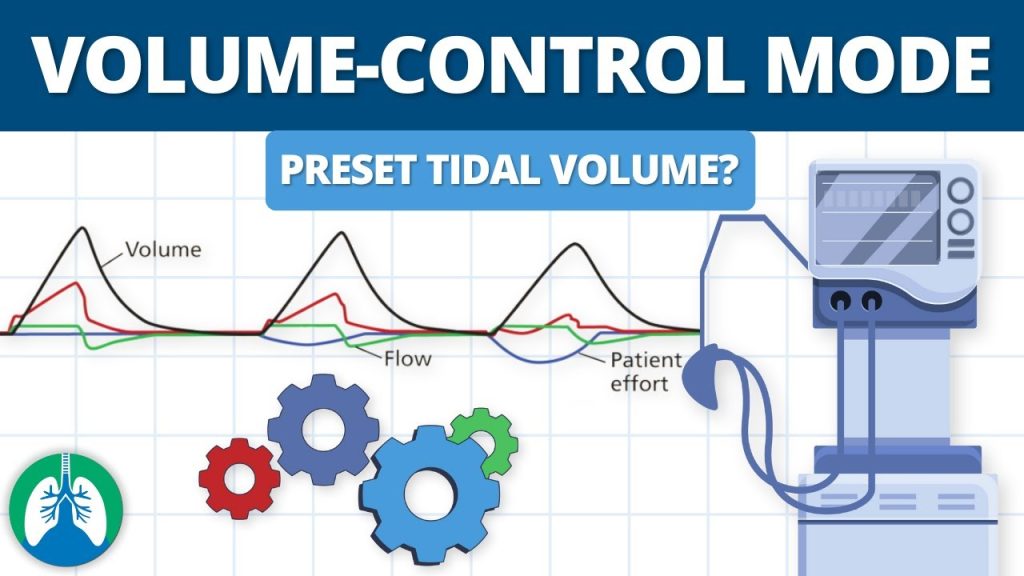
Have you ever wondered how a ventilator helps someone breathe? One key part of this life-saving machine is something called tidal volume.
Understanding tidal volume can make a big difference if you’re caring for a patient on a ventilator or just want to know how these machines work. You’ll discover what tidal volume is, why it matters, and how it affects breathing support.
Keep reading, because getting this right could be crucial for comfort and safety.
Credit: www.criticalcarepractitioner.co.uk
Basics Of Tidal Volume
Tidal volume is a key concept in ventilator management. It helps control how much air a patient receives with each breath. Understanding its basics is important for safe and effective ventilation. This section explains the definition, normal values, and units used to measure tidal volume.
Definition And Role
Tidal volume is the amount of air moved into or out of the lungs during one breath. On a ventilator, it controls the air delivered to the patient. Proper tidal volume prevents lung injury and ensures good oxygen delivery. It adjusts to the patient’s size and lung condition.
Normal Tidal Volume Values
Normal tidal volume varies by patient size and health. For adults, it usually ranges from 6 to 8 milliliters per kilogram of body weight. For example, a 70 kg adult typically receives 420 to 560 ml per breath. Children and infants need smaller volumes based on their weight.
Measurement Units
Tidal volume is measured in milliliters (ml). It can also be expressed in liters (L) for larger volumes. Ventilator settings display tidal volume clearly for easy monitoring. Accurate measurement helps adjust ventilation settings to meet patient needs.
Tidal Volume In Mechanical Ventilation
Tidal volume is a key concept in mechanical ventilation. It refers to the amount of air delivered to the lungs during each breath. Setting the right tidal volume helps support the patient’s breathing effectively. It balances the need to provide enough oxygen without causing lung injury.
Importance In Ventilator Settings
Tidal volume impacts patient safety and comfort. Too high a volume can overinflate the lungs. This risks lung damage and complications. Too low a volume might not provide enough oxygen. Careful adjustment helps prevent these problems. It is often based on patient weight and lung condition.
How It Affects Patient Breathing
Tidal volume controls the amount of air in the lungs each breath. It affects oxygen and carbon dioxide exchange. Proper volume keeps breathing natural and efficient. If the volume is wrong, it can cause discomfort or fatigue. Correct tidal volume supports better lung function.
Adjusting Tidal Volume
Doctors adjust tidal volume by monitoring patient response. Factors include lung size, disease, and blood gases. Ventilator settings are fine-tuned to avoid lung injury. Changes happen gradually to observe effects. Nurses and respiratory therapists watch for signs of distress.
Factors Influencing Tidal Volume
Tidal volume is a key setting on a ventilator, representing the amount of air delivered to the lungs with each breath. But what determines the right tidal volume for each patient? Several factors come into play, and understanding these can help you anticipate changes and adjust ventilator settings effectively.
Patient Size And Condition
Your patient’s body size has a direct impact on the ideal tidal volume. Smaller patients, like children, need less volume than adults to avoid lung injury. Similarly, a patient’s condition—whether they have healthy lungs or underlying diseases—affects how much air their lungs can safely handle.
Think about a patient recovering from surgery versus one with chronic obstructive pulmonary disease (COPD). Their needs differ significantly, and tailoring the tidal volume can improve comfort and outcomes. Have you noticed how adjusting volume based on weight rather than a fixed number can change patient response?
Lung Compliance And Resistance
Lung compliance refers to how easily the lungs stretch during breathing. If the lungs are stiff, as in fibrosis, they don’t expand well, requiring different tidal volume settings. Resistance, caused by narrowed airways or mucus, also affects how air flows in and out.
When lung compliance decreases, delivering the same tidal volume can increase pressure and risk lung injury. Monitoring these factors helps you decide whether to reduce volume or adjust pressure limits. How often do you reassess lung mechanics to fine-tune ventilation?
Ventilator Modes Impact
The mode of ventilation influences tidal volume control. In volume-controlled modes, you set a specific tidal volume, and the ventilator delivers it regardless of lung pressure. In pressure-controlled modes, the ventilator targets a set pressure, causing the volume to vary based on lung conditions.
This means tidal volume can change breath by breath depending on the mode chosen. Understanding these dynamics helps you anticipate volume fluctuations and adjust settings to maintain safe and effective ventilation. Have you explored how switching modes can optimize tidal volume for challenging cases?

Credit: www.vhtc.org
Risks Of Incorrect Tidal Volume
Setting the correct tidal volume on a ventilator is crucial for patient safety and recovery. Incorrect tidal volume can lead to serious complications that affect lung function and overall health. Understanding these risks helps you recognize the importance of precise ventilator management.
Overinflation And Lung Injury
Too high a tidal volume forces excessive air into the lungs, causing overinflation. This can stretch the delicate lung tissues beyond their capacity, leading to ventilator-induced lung injury (VILI). Patients may develop conditions like pneumothorax or barotrauma, which worsen their breathing problems.
Think about a balloon—if you blow too much air, it might pop. Similarly, lungs can be damaged by too much volume. This risk is higher in patients with already fragile lungs, such as those with ARDS or COPD.
Hypoventilation Concerns
On the flip side, too low a tidal volume results in inadequate air exchange. This leads to hypoventilation, where the body doesn’t get enough oxygen and retains carbon dioxide. You might notice increased fatigue, confusion, or even respiratory acidosis in patients.
Hypoventilation can slow recovery or cause other complications like respiratory failure. It’s a delicate balance—you need enough volume to support breathing but not so much that it harms the lungs.
Monitoring And Prevention
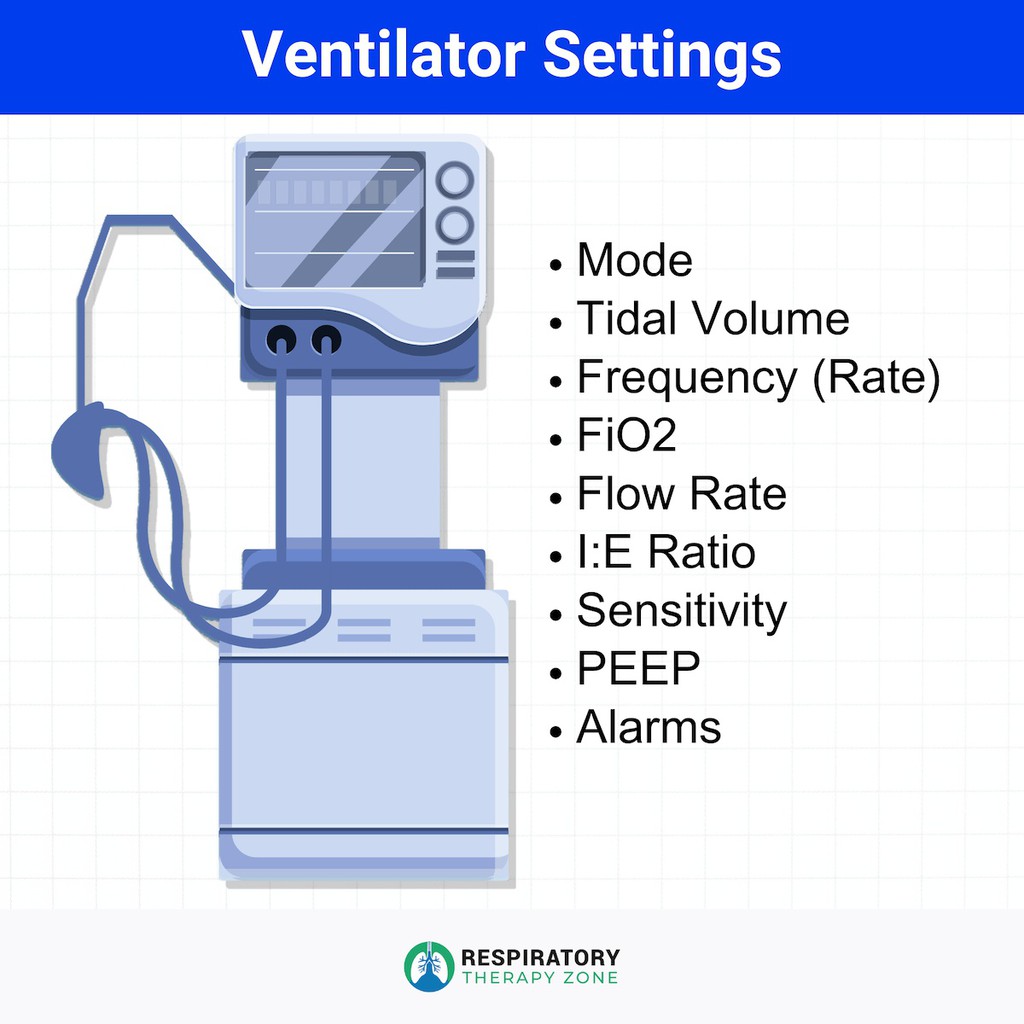
Careful monitoring is key to avoiding these risks. Use ventilator alarms and regularly check blood gases to ensure tidal volume is appropriate. Adjust settings based on patient weight, lung mechanics, and disease state.
- Regularly assess lung compliance and airway pressures.
- Consult with respiratory therapists and clinicians for tailored care.
- Document changes and patient response carefully to guide treatment.
Have you ever questioned whether your ventilator settings might be causing more harm than good? Staying vigilant and proactive helps protect your patients and improve outcomes.
Role Of Caregivers In Managing Tidal Volume
In managing tidal volume on a ventilator, caregivers play a crucial role. They ensure patients receive the right amount of air per breath. This task requires vigilance and understanding of the ventilator settings. Caregivers also need to observe the patient’s response to these settings.
Recognizing Changes In Breathing
Caregivers should notice any changes in the patient’s breathing pattern. Quick or shallow breaths may signal a problem. Listening and observing are key. If breathing becomes labored or irregular, it might indicate an issue with tidal volume. Noticing these changes promptly can help prevent complications.
Communicating With Healthcare Team
Effective communication with the healthcare team is essential. Caregivers should report any unusual breathing patterns. Sharing observations helps healthcare professionals adjust ventilator settings. Clear communication ensures the patient receives optimal care. Regular updates on the patient’s condition are vital.
Basic Troubleshooting Tips
Caregivers can perform some basic checks on the ventilator. Ensure all connections are secure. Check if the machine settings match the prescribed tidal volume. Listen for any unusual sounds from the ventilator. If issues persist, contact the healthcare team immediately. Quick action can prevent further complications.
Credit: x.com
Tools And Technology For Monitoring
Monitoring tidal volume on a ventilator is crucial for ensuring patients receive the right amount of air with each breath. Various tools and technologies help healthcare providers track and adjust this vital parameter accurately. Understanding how these tools work can improve patient care and prevent complications.
Ventilator Displays And Alarms
Modern ventilators come equipped with digital displays that show tidal volume in real-time. These screens provide clear numerical data alongside waveforms, making it easier to spot any irregularities quickly.
Alarms play a vital role by alerting you when tidal volume falls outside preset limits. For instance, if the volume is too low, the machine will sound an alarm, prompting immediate attention. This feature helps prevent under- or over-ventilation without constant manual checks.
Portable Monitoring Devices
Portable devices allow continuous tidal volume monitoring outside of intensive care units. These compact tools are especially useful during patient transport or in emergency settings.
Some portable monitors connect wirelessly to smartphones or tablets, giving you flexible access to data. This mobility ensures you never miss important changes, no matter where the patient is.
Data Interpretation Basics
Reading tidal volume data effectively requires understanding basic concepts like set volume, measured volume, and leak detection. These values help you judge whether the ventilator is delivering the intended breath size.
It’s important to compare tidal volume trends over time rather than relying on a single reading. Sudden changes could indicate issues such as airway obstruction or patient-ventilator asynchrony.
Have you noticed how small variations in tidal volume can dramatically affect patient outcomes? Paying close attention to these details can make a significant difference in your clinical decisions.
Frequently Asked Questions
What Is Tidal Volume On A Ventilator?
Tidal volume is the amount of air delivered to the lungs with each breath by a ventilator. It ensures proper oxygen and carbon dioxide exchange during mechanical ventilation.
Why Is Tidal Volume Important In Ventilation?
Tidal volume helps maintain adequate lung inflation and gas exchange. Proper settings prevent lung injury and improve patient comfort and breathing efficiency.
How Is Tidal Volume Measured On A Ventilator?
Tidal volume is measured in milliliters (mL) or liters (L) and set based on patient size and lung condition. Ventilators display this value during treatment.
What Factors Affect Tidal Volume Settings?
Patient weight, lung compliance, and disease severity affect tidal volume. Clinicians adjust settings to avoid lung overinflation or under-ventilation for safe care.
Conclusion
Tidal volume on a ventilator controls how much air a patient breathes. It helps keep the lungs healthy and working well. Doctors adjust it based on the patient’s needs. Understanding tidal volume supports better care and safer treatment. Always ask healthcare providers if you want to learn more.
Breathing is simple, but machines need the right settings to help. This knowledge helps families and caregivers feel more confident. Clear, steady breaths matter a lot for recovery.



