
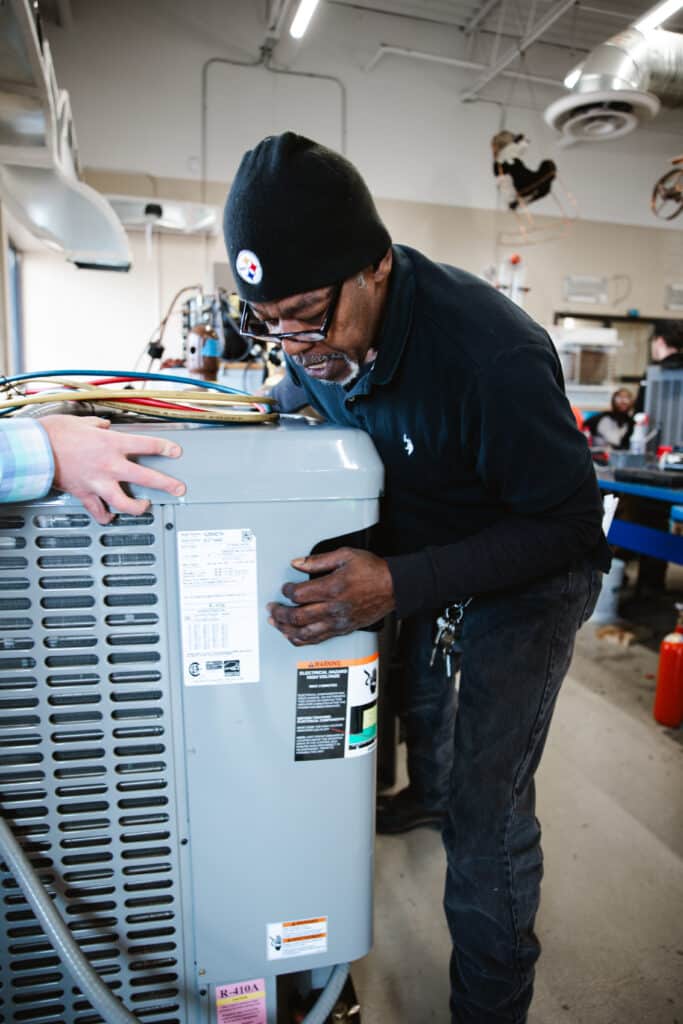
Have you ever wondered who makes sure your home stays cool in the summer and warm in the winter? That’s the job of an HVAC technician.
These skilled professionals work behind the scenes to keep your heating, ventilation, and air conditioning systems running smoothly. If you want to know what an HVAC technician does, why their work matters, and how they can help you save money and stay comfortable, keep reading.
This guide will give you clear answers and practical insights you won’t want to miss.

Credit: www.furnaceprices.ca
Role Of An Hvac Technician
The role of an HVAC technician is vital in making sure your home or workplace stays comfortable no matter the season. These professionals handle a wide range of tasks that keep heating, ventilation, and air conditioning systems running efficiently. Understanding what they do can help you appreciate the skill and effort behind maintaining the air quality and temperature you often take for granted.
Installation Tasks
HVAC technicians install new heating and cooling systems with precision. They assess your space to determine the right equipment size and type, ensuring optimal performance and energy efficiency. Installing ductwork, wiring, and thermostats are part of their responsibilities, all done with attention to safety standards.
Maintenance Duties
Regular maintenance is key to avoiding costly repairs and extending system life. Technicians clean filters, check refrigerant levels, and inspect electrical connections during routine visits. Have you ever noticed your system running louder than usual? That’s often a sign it’s time for a maintenance check.
Repair Responsibilities
When your HVAC system breaks down, technicians diagnose and fix the problem quickly. They replace faulty parts, fix leaks, and handle electrical issues to restore comfort. Knowing who to call when your AC stops working on a hot day can save you hours of discomfort.
System Troubleshooting
Sometimes, pinpointing the root cause of a problem requires deep troubleshooting skills. HVAC technicians use specialized tools to test components and analyze system performance. This process often reveals hidden issues before they become major problems, helping you avoid unexpected breakdowns.
Core Skills Required
HVAC technicians need a mix of skills to work effectively. These skills help them install, maintain, and fix heating and cooling systems. Each skill plays a key role in daily tasks and long-term success.
Technical Knowledge
Understanding HVAC systems is essential. Technicians must know about electrical circuits, refrigeration, and air flow. They read blueprints and manuals to install and repair units. Staying updated on new technology keeps their work efficient and safe.
Problem-solving Abilities
Technicians face many unexpected issues. They must quickly find the cause of problems and fix them. Logical thinking helps them test systems and identify faults. Creativity aids in solving complex repairs under pressure.
Customer Communication
Clear communication builds trust with clients. HVAC technicians explain problems and solutions simply. Listening carefully to customer concerns improves service quality. Friendly and honest interaction leads to repeat business.
Safety Practices
Working with electrical and mechanical parts requires caution. Technicians follow strict safety rules to avoid accidents. Using proper gear and tools protects them on the job. Regular training helps maintain a safe working environment.
Tools And Equipment Used
HVAC technicians rely on a variety of tools and equipment to perform their jobs. These tools help them diagnose issues, make repairs, and install new systems efficiently. Each tool has a specific purpose and ensures the work is safe and accurate.
Understanding the tools used by HVAC technicians gives insight into their daily tasks. It also shows the skill involved in handling complex heating and cooling systems.
Diagnostic Instruments
- Multimeters measure electrical voltage and current.
- Manifold gauges check refrigerant pressure.
- Thermometers track temperature changes.
- Leak detectors find refrigerant leaks quickly.
- Airflow meters assess ventilation efficiency.
Repair Tools
- Wrenches and pliers tighten or loosen fittings.
- Screwdrivers handle screws in various sizes.
- Pipe cutters trim copper or PVC pipes.
- Soldering kits join metal parts securely.
- Vacuum pumps remove air and moisture from systems.
Installation Gear
- Drills create holes for mounting equipment.
- Level tools ensure units are properly aligned.
- Tape measures help with accurate fitting.
- Safety gear protects technicians during work.
- Duct cutters shape ventilation ducts precisely.
Training And Certification
Training and certification are essential for HVAC technicians to work safely and effectively. These professionals learn how to install, repair, and maintain heating, ventilation, and air conditioning systems. Proper training ensures they understand complex systems and safety rules.
Certification proves a technician’s skills and knowledge. It helps employers trust their ability to do the job well. Many states require licensing and certifications to protect consumers and maintain industry standards.
Educational Pathways
Most HVAC technicians start with a high school diploma or GED. They can attend technical schools or community colleges for specialized training. Programs often last six months to two years and include hands-on experience.
Courses cover topics like electrical systems, refrigeration, and safety practices. Some schools offer apprenticeships to gain real-world skills while learning. This combination prepares students for entry-level jobs in HVAC.
Licensing Requirements
Licensing rules vary by state and local governments. Many require passing an exam on HVAC systems and safety codes. Some states also demand proof of work experience or apprenticeship hours.
Licenses may need renewal every few years. This process keeps technicians updated on new laws and technology. Working without a license can lead to fines or job loss.
Continuing Education
HVAC technology changes rapidly. Technicians must keep learning to stay skilled and safe. Continuing education includes workshops, courses, and seminars.
Manufacturers and industry groups offer training on new equipment and methods. Some states require continuing education for license renewal. This ongoing learning helps technicians deliver better service and grow their careers.
Career Opportunities
As an HVAC technician, your career is packed with diverse opportunities. This field isn’t just about fixing air conditioners; it’s about shaping comfort and efficiency in various settings. If you’re contemplating a career path that offers variety and growth, let’s dive into the career opportunities for HVAC technicians.
Work Environments
HVAC technicians can work in a variety of settings. From residential homes to large industrial complexes, each environment presents unique challenges and learning experiences. Imagine starting your day fixing a heating unit in a cozy family home and ending it ensuring climate control in a skyscraper.
Some techs find their niche in specific settings. You might prefer the personal interaction of residential work, or perhaps you thrive in the fast-paced world of commercial buildings. Where do you see yourself making the biggest impact?
Specialization Areas
Specialization can set you apart in this field. Whether it’s refrigeration, ventilation, or energy efficiency, each area offers unique challenges and rewards. Dive deep into a specialty and become the go-to expert in your community.
Technicians often choose to specialize after gaining some experience. Maybe you love the intricacies of ductwork design or the precision of installing state-of-the-art cooling systems. Your passion can guide you to a rewarding specialization.
Advancement Options
Your career as an HVAC technician doesn’t have to remain static. With experience and additional certifications, you can climb the ladder to higher positions. Many technicians advance to roles such as project managers or consultants.
Advancement isn’t just about titles; it’s about expanding your skills and influence. Consider pursuing further education or certifications to broaden your opportunities. What’s your next step in advancing your career?
Each stage of an HVAC career offers new challenges and growth opportunities. Whether you’re just starting or looking to specialize, the HVAC industry is full of potential. Where will your HVAC journey take you?
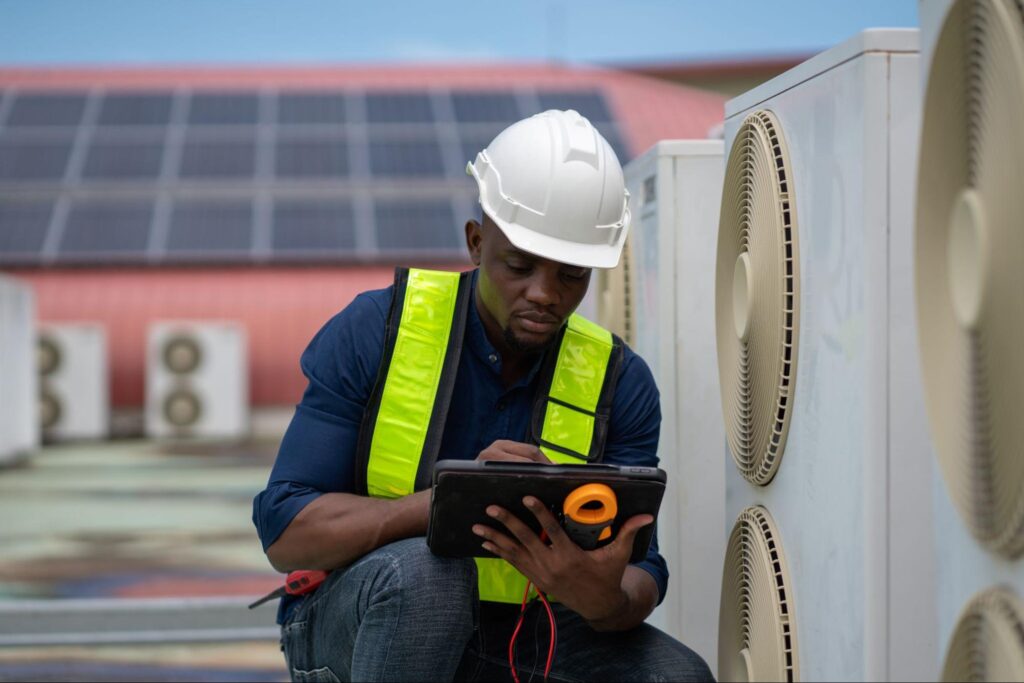
Credit: www.cantrellsheatingandairconditioning.com
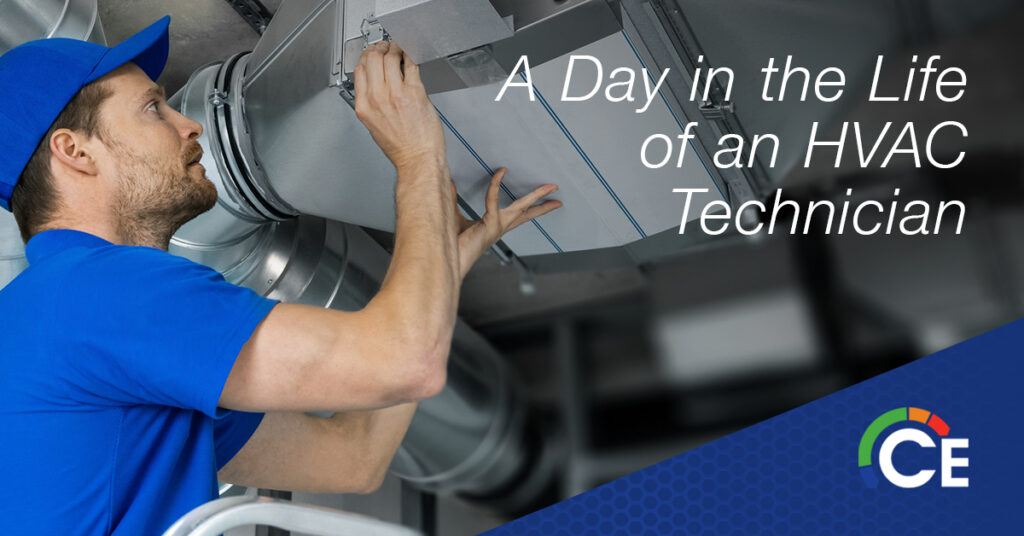
Credit: www.carrierenterprise.com
Frequently Asked Questions
What Does An Hvac Technician Do?
An HVAC technician installs, maintains, and repairs heating, ventilation, and air conditioning systems. They ensure indoor comfort and air quality in homes and businesses.
How Do You Become An Hvac Technician?
To become an HVAC technician, complete a technical training program or apprenticeship. Certification and hands-on experience improve job prospects and skills.
What Skills Are Essential For Hvac Technicians?
Key skills include mechanical aptitude, problem-solving, and knowledge of electrical systems. Good communication and customer service skills are also important.
How Much Do Hvac Technicians Earn Annually?
HVAC technicians typically earn between $40,000 and $60,000 per year. Earnings vary by experience, location, and certification level.
Conclusion
An HVAC technician keeps homes and buildings comfortable year-round. They install, repair, and maintain heating and cooling systems. Their work helps save energy and lowers bills. These skilled workers ensure air quality stays healthy indoors. Knowing their role helps you appreciate their importance.
Trusting a trained technician keeps your system running well. Skilled hands make your environment safe and cozy. Now you understand what an HVAC technician does daily.



