
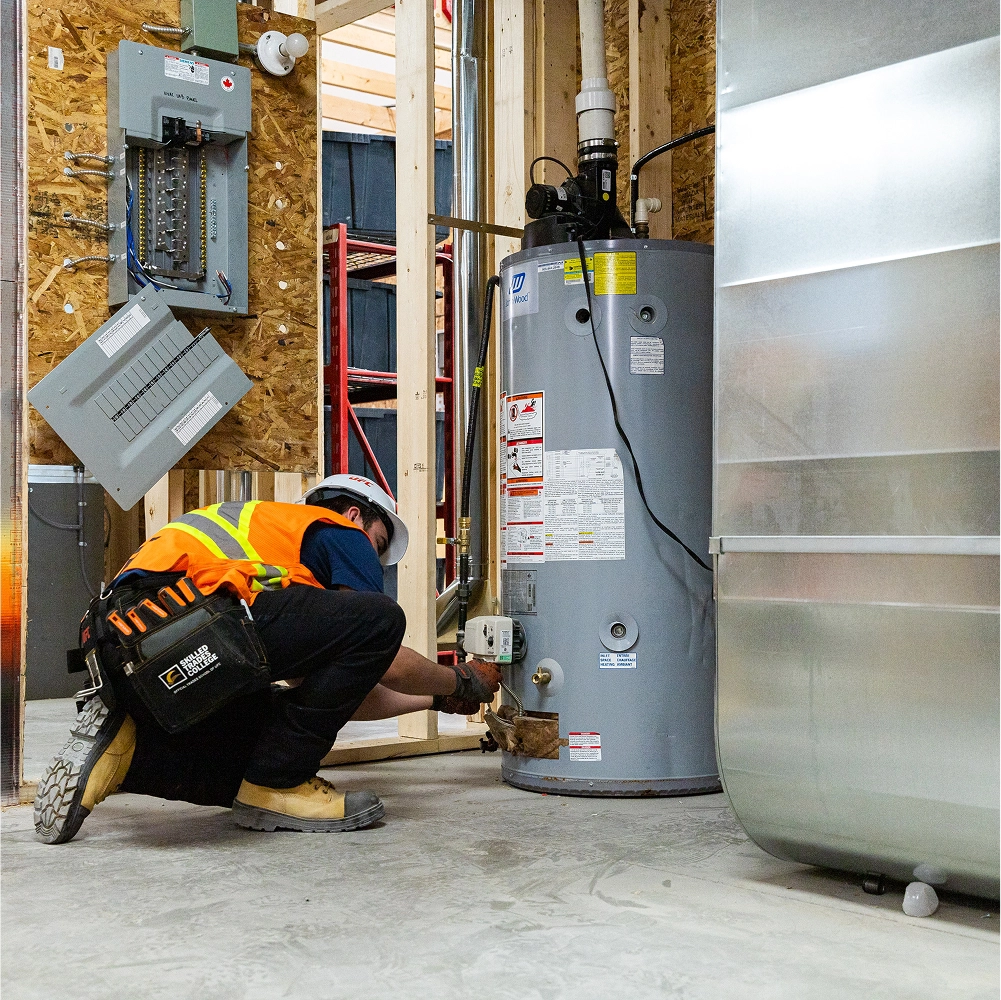
Are you wondering what it takes to become an HVAC technician? Maybe you’re thinking about a career that offers steady work and good pay.
Or perhaps you want to learn the skills that keep homes and businesses comfortable all year round. Whatever your reason, understanding exactly what you need is the first step. You’ll discover the key qualifications, tools, and training required to launch your career as an HVAC technician.
Keep reading, and you’ll find out how to turn your interest into a rewarding profession.
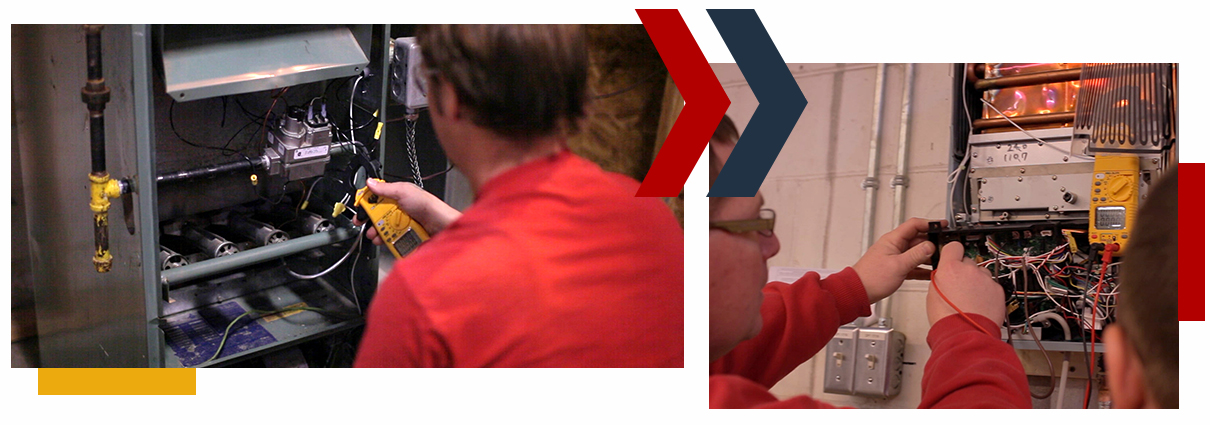
Credit: nats.ca
Key Skills For Hvac Technicians
To succeed as an HVAC technician, mastering a specific set of skills is essential. These skills not only help you handle the technical side of the job but also ensure you provide excellent service while maintaining safety. Understanding what these key skills are can guide your learning path and prepare you for real-world challenges.
Technical Knowledge
Technical knowledge forms the backbone of your work as an HVAC technician. You need to understand heating, ventilation, air conditioning systems, electrical circuits, and refrigeration principles. Staying updated on the latest HVAC technologies helps you troubleshoot effectively and install systems correctly.
Problem-solving Abilities
Every HVAC system has its quirks, and problems don’t always come with clear solutions. Your ability to diagnose issues quickly and think critically will save time and prevent costly mistakes. Ask yourself: How can I narrow down the cause when a system fails to cool or heat properly?
Physical Stamina
HVAC work often requires physical effort, including lifting heavy equipment and working in tight spaces. You’ll spend hours on your feet, sometimes climbing ladders or crawling under buildings. Building your physical stamina means you can handle these tasks without risking injury or fatigue.
Customer Service Skills
As an HVAC technician, you interact directly with customers who rely on you to solve their comfort problems. Being patient and communicating clearly builds trust and helps you explain complex issues in simple terms. Have you ever noticed how a friendly attitude can turn a stressful repair visit into a positive experience?
Attention To Safety
Working with electrical components and refrigerants carries inherent risks. You must follow safety protocols meticulously to protect yourself and your clients. Developing a habit of double-checking your work and using protective gear is not optional—it’s vital for your career longevity.
Educational Requirements
Becoming an HVAC technician requires a solid educational foundation. This foundation helps you understand the tools, systems, and safety procedures needed on the job. Education prepares you to handle heating, ventilation, and air conditioning systems confidently and efficiently.
There are several paths to gain the necessary education. Each step builds your knowledge and skills. The combination of classroom learning and hands-on experience shapes a skilled technician ready for the field.
High School Diploma Or Equivalent
A high school diploma or GED is the minimum educational requirement. It provides basic skills in math, science, and reading. These skills are essential for understanding HVAC concepts and instructions. High school courses like physics and algebra help build a strong foundation.
Vocational Training Programs
Vocational schools offer specialized HVAC training. These programs focus on practical skills and technical knowledge. Courses cover system installation, maintenance, and repair. Training typically lasts six months to two years. Graduates earn certificates or diplomas that improve job prospects.
Apprenticeship Opportunities
Apprenticeships combine classroom learning with paid work experience. You work under the guidance of an experienced technician. This hands-on training helps you understand real-world challenges. Apprenticeships usually last three to five years. They prepare you for independent work and increase your confidence.
Certification And Licensing
Certification proves your skills and knowledge in HVAC work. Many employers prefer certified technicians. Some states require licensing to work legally. Certification exams test your understanding of safety, regulations, and systems. Common certifications include EPA Section 608 and NATE. Holding these credentials can boost your career opportunities.
Essential Tools For Hvac Work
Having the right tools is crucial for anyone aiming to become a skilled HVAC technician. These tools not only help you perform tasks efficiently but also ensure safety and accuracy. Whether you’re just starting out or upgrading your kit, knowing which tools are essential will set you apart on the job.
Hand Tools
Hand tools are the backbone of HVAC work. You’ll need a reliable set of screwdrivers, pliers, and wrenches to handle everyday repairs and installations.
Don’t overlook smaller items like wire strippers and utility knives—they make wiring and cutting tasks much easier. Investing in quality hand tools saves you time and prevents frustration when you’re on the clock.
Diagnostic Equipment
Accurate diagnosis is half the battle in HVAC repairs. Tools like multimeters and refrigerant gauges help you measure electrical currents and pressure levels precisely.
Without these, you risk misdiagnosing issues and wasting valuable time. Imagine trying to troubleshoot a system without knowing if the problem is electrical or mechanical—would you take that risk?
Safety Gear
Your safety should never be an afterthought. Gloves, safety glasses, and respirators protect you from hazards like sharp metal edges, chemical fumes, and dust.
Wearing proper safety gear not only keeps you safe but also boosts your confidence on tricky jobs. Can you imagine working on a rooftop unit without secure gloves or eye protection?
Specialized Hvac Instruments
Some tasks require tools designed just for HVAC systems. Vacuum pumps, leak detectors, and recovery machines are essential for handling refrigerants and maintaining system integrity.
Having these specialized tools means you can tackle complex jobs that others might avoid. Wouldn’t you want the ability to fix a refrigerant leak quickly rather than waiting for a specialist?
Gaining Practical Experience
Gaining practical experience is a key part of becoming a skilled HVAC technician. Hands-on work helps you apply what you learn in books. It builds confidence and sharpens your skills. Experience also teaches you how to solve real problems quickly.
This section explains different ways to get practical experience. Each path offers valuable lessons that prepare you for a career in HVAC.
On-the-job Training
On-the-job training lets you learn while working under an expert’s guidance. You observe, assist, and perform tasks step-by-step. This training helps you understand tools, equipment, and repair techniques. It also exposes you to customer service and safety rules. Many HVAC companies offer on-the-job training as part of their hiring process.
Internships And Apprenticeships
Internships and apprenticeships provide structured learning experiences. They combine classroom lessons with practical work. Apprenticeships usually last several years and include a mentor. Internships are shorter but still offer valuable exposure. Both paths improve your skills and increase your job chances. They often lead to certification or licensing.
Continuing Education
Technology in HVAC changes fast. Continuing education keeps your knowledge up-to-date. It includes workshops, online courses, and certification programs. Many employers require technicians to renew licenses regularly. Staying current improves your work quality and safety awareness. It also helps you learn new energy-efficient systems and tools.
Career Advancement Tips
Becoming an HVAC technician requires basic technical training and hands-on experience. Certification and strong problem-solving skills help you succeed in this growing field.
Advancing your career as an HVAC technician doesn’t just happen overnight. It requires dedication, strategic planning, and continual learning. Embracing these tips can propel you toward new heights and opportunities in the industry.Obtaining Advanced Certifications
To stand out in the HVAC field, consider pursuing advanced certifications. These credentials not only showcase your expertise but also open doors to higher-paying positions. You might want to explore certifications such as NATE or EPA 608, which are highly regarded in the industry. By earning these certifications, you demonstrate your commitment to professional growth and your ability to handle complex HVAC systems. Additionally, these qualifications can increase your marketability and give you a competitive edge over your peers.Specializing In Niche Areas
Specializing in a niche area can significantly enhance your career prospects. Whether it’s focusing on renewable energy solutions or mastering smart home technologies, specialization can set you apart. Consider areas like geothermal systems or energy-efficient installations to cater to emerging market demands. This focus allows you to become an expert in a particular field, making you indispensable to employers who need specialized skills. Plus, clients often seek out technicians who can offer unique solutions, leading to higher job satisfaction and potentially higher income.Building Strong Client Relationships
Building strong client relationships is essential for career advancement. Satisfied clients can become your best advocates, leading to referrals and repeat business. Always aim to exceed client expectations by providing exceptional service and clear communication. Maintaining a positive rapport with clients can lead to long-term business relationships, enhancing your reputation in the industry. Consider asking for feedback to improve your services and show clients you value their input. Remember, a satisfied client is a stepping stone to success in your HVAC career.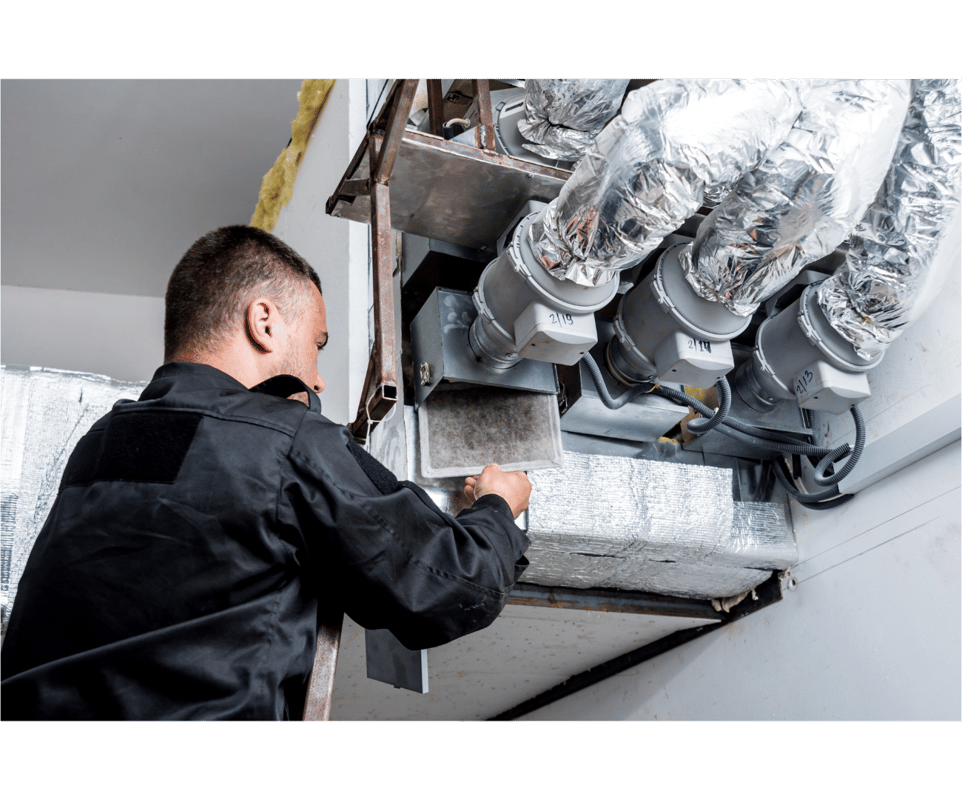
Credit: dreambound.com

Credit: julianheatandair.com
Frequently Asked Questions
What Education Is Required To Become An Hvac Technician?
A high school diploma or GED is essential. Many employers prefer candidates with HVAC-specific training or certifications from technical schools.
How Important Are Certifications For Hvac Technicians?
Certifications prove your skills and improve job prospects. EPA Section 608 certification is mandatory for handling refrigerants.
What Technical Skills Do Hvac Technicians Need?
HVAC technicians must understand electrical systems, refrigeration, and heating mechanics. Troubleshooting and repair skills are crucial for daily tasks.
Is On-the-job Training Necessary For Hvac Careers?
Yes, hands-on experience is vital. Apprenticeships and internships help develop practical skills and industry knowledge.
Conclusion
Becoming an HVAC technician needs training and hands-on work. You must learn about heating, cooling, and electrical systems. Good problem-solving skills help fix issues quickly. A strong work ethic and safety habits keep you safe. Certification and experience open more job chances.
This career offers steady work and growth opportunities. Start with the basics, keep learning, and stay patient. Your efforts will lead to a rewarding career in HVAC.



