
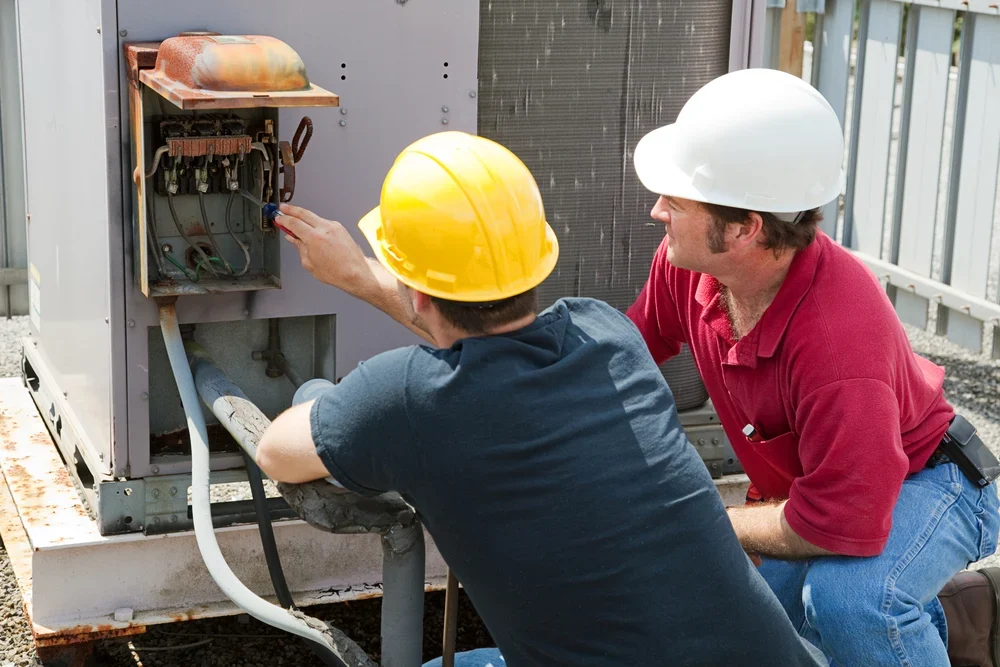
Are you thinking about a career change or wondering if HVAC techs are really in demand? You’re not alone.
Many people like you want to know if this field offers steady work and good opportunities. What if you could find a job where your skills are needed now and will be for years to come? Keep reading, because we’re about to reveal why HVAC technicians are becoming some of the most sought-after professionals—and how this could be the perfect path for you.
Rising Need For Hvac Services
The demand for HVAC technicians is growing fast. More homes and buildings need heating and cooling systems. This rise creates steady work for HVAC professionals. Several key factors push this demand higher.
Increased Construction And Renovation
New buildings require HVAC systems to keep spaces comfortable. Cities expand, and new homes appear constantly. Older buildings also need upgrades and repairs. These changes increase the need for skilled HVAC techs. Without proper heating and cooling, buildings lose value and comfort.
Climate Change And Weather Extremes
Weather is becoming more unpredictable and intense. Summers are hotter, and winters can be colder. People rely on HVAC systems to stay safe and healthy. This creates more calls for repairs and installations. HVAC techs play a vital role in handling these challenges.
Energy Efficiency Standards
Governments push for greener, energy-saving buildings. New rules require better HVAC systems that use less power. This leads to more upgrades and replacements. HVAC professionals must know how to install efficient units. Meeting these standards helps save money and protect the environment.

Credit: sbeodyssey.com
Technological Advances
Technological advances are shaping the HVAC industry quickly. New tools and systems make heating and cooling more efficient. These changes create fresh opportunities for HVAC technicians. They must learn new skills and adapt to modern equipment. The demand for tech-savvy HVAC pros is growing.
Smart Hvac Systems
Smart HVAC systems use sensors and internet connections. They adjust settings based on room use and weather. These systems save energy and improve comfort. Technicians install and program smart thermostats and controls. Knowing smart technology helps HVAC techs stay in demand.
Eco-friendly Refrigerants
New refrigerants reduce harm to the environment. Older refrigerants can damage the ozone layer. Eco-friendly options meet strict government rules. HVAC techs must handle these refrigerants safely. Learning about these new chemicals is key for future jobs.
Automation And Remote Monitoring
Automation lets HVAC systems run with little human help. Remote monitoring allows techs to check systems from afar. This speeds up problem detection and fixes. HVAC professionals who use these tools can work faster and smarter. Remote skills are a must for modern HVAC techs.
Skilled Labor Shortage
The HVAC industry is facing a significant skilled labor shortage that affects both service quality and response times. Many experienced technicians are retiring, and there aren’t enough new workers trained to fill their roles. This gap puts pressure on businesses and customers alike, making it harder to find reliable HVAC support when you need it most.
Aging Workforce
Many HVAC professionals are nearing retirement age, which creates a natural decline in the available skilled labor pool. The work demands physical stamina and technical knowledge that can take years to master. When seasoned techs leave, their expertise goes with them, leaving fewer mentors for younger workers.
Think about your last HVAC visit—was your technician experienced or just starting out? The difference often reflects this aging workforce issue, impacting how quickly and effectively problems get fixed.
Training And Certification Gaps
Not every aspiring HVAC worker has access to quality training programs. Certification requirements can vary by region, and some programs don’t keep up with the latest technology trends. This leaves many technicians underprepared for today’s complex systems.
If you were hiring an HVAC tech, would you prioritize those with up-to-date certifications? The right training ensures your technician can handle modern equipment safely and efficiently.
- Hands-on experience combined with formal education is vital.
- Continuous learning should be encouraged to keep skills sharp.
- Employers can help by investing in ongoing training for their teams.
Appeal Of Hvac Careers
Despite the shortage, HVAC work offers solid career opportunities. Good pay, job stability, and the chance to work with your hands attract many people. However, the industry must do more to highlight these benefits to younger generations.
Have you considered HVAC as a career path? It’s more than just fixing air conditioners; it’s about solving problems and keeping people comfortable year-round.
Making HVAC careers appealing requires:
- Promoting clear career advancement paths.
- Offering apprenticeships and mentorship programs.
- Showcasing success stories from diverse backgrounds.

Credit: sbeodyssey.com
Economic And Industry Growth
The demand for HVAC technicians is closely tied to economic and industry growth. As businesses and homes expand, the need for heating, ventilation, and air conditioning services grows. This creates more job opportunities for skilled HVAC professionals. Market trends and government actions also shape this demand.
Expanding Commercial Sector
New office buildings, stores, and factories require modern HVAC systems. Many companies upgrade old systems to save energy and costs. This drives steady demand for installation and maintenance services. Commercial growth often means more HVAC jobs in cities and towns.
Residential Market Trends
More people buy homes or renovate old ones. New homes usually need HVAC systems installed. Older homes often need repairs or upgrades. People want energy-efficient and smart climate control solutions. This trend increases the need for HVAC technicians in neighborhoods.
Government Incentives And Policies
Governments support clean energy and energy-saving products. They offer rebates or tax credits for installing efficient HVAC systems. Rules often require better air quality and energy use in buildings. These policies encourage homeowners and businesses to invest in HVAC, boosting technician demand.
Job Stability And Career Prospects
The HVAC industry is witnessing a surge in demand, driven by the need for energy-efficient climate control systems and the ongoing emphasis on maintaining healthy indoor air quality. Job stability and career prospects for HVAC technicians are on the rise, offering a secure and promising future. If you’re considering a career in this field, now is an opportune time to explore the myriad of possibilities that await.
Competitive Salaries
HVAC technicians enjoy competitive salaries, reflecting their essential role in maintaining comfort and safety in residential and commercial spaces. The average salary in this field is robust, often offering more than many other trades. Plus, with the increasing demand for skilled professionals, wages are expected to rise, providing you with a financially rewarding career.
Opportunities For Advancement
Starting as an entry-level technician doesn’t mean you’ll stay there forever. The HVAC industry offers numerous pathways for career growth, whether it’s through specialization in areas like refrigeration or transitioning into management roles. Ambitious individuals can aim for positions like project manager or even start their own HVAC business, leveraging their expertise to climb the career ladder.
Diverse Work Environments
One of the most appealing aspects of being an HVAC technician is the variety of work environments. You might find yourself working in homes, schools, hospitals, or large commercial buildings, each presenting unique challenges and learning opportunities. If you thrive on variety and enjoy working in different settings, this career path offers the perfect mix.
Are you ready to secure your place in this thriving industry? With competitive salaries, ample room for advancement, and diverse work environments, HVAC offers a stable and rewarding career. What steps will you take to embark on this promising journey?
Credit: ntinow.edu
Frequently Asked Questions
Are Hvac Technicians Currently In High Demand?
Yes, HVAC technicians are in high demand due to growing construction and maintenance needs. Energy efficiency and climate control trends boost job openings.
What Skills Make Hvac Techs More Employable?
Technical knowledge, problem-solving, and customer service skills increase HVAC techs’ employability. Certifications and experience with modern systems also help.
How Does Hvac Job Growth Compare To Other Trades?
HVAC job growth is faster than many trades. The sector benefits from new building codes and energy-efficient technology demands.
What Industries Hire The Most Hvac Technicians?
Construction, residential maintenance, commercial facilities, and industrial sectors hire most HVAC technicians. Demand spans repair, installation, and system upgrades.
Conclusion
The demand for HVAC techs remains strong and steady. Homes and businesses need heating and cooling experts year-round. Skilled techs find many job opportunities easily. The field offers stable work and good pay. Learning HVAC skills can lead to a solid career.
This job suits those who enjoy hands-on work. Growing technology means techs must keep learning new tools. Overall, HVAC techs have a promising future ahead. A reliable choice for those seeking steady employment.



