
Have you ever wondered how your car keeps its engine running clean and smooth? One key player behind the scenes is something called Positive Crankcase Ventilation, or PCV.
It might sound technical, but understanding it can help you take better care of your vehicle and avoid costly repairs. You’ll discover what PCV is, why it matters for your engine’s health, and how it affects your car’s performance. Keep reading to unlock the simple secrets that can keep your engine breathing easy.

Credit: www.curbsideclassic.com
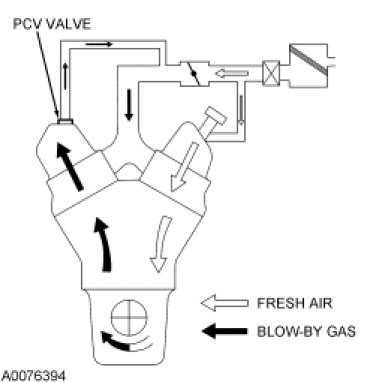
How Positive Crankcase Ventilation Works
Understanding how Positive Crankcase Ventilation (PCV) works can change the way you view your car’s engine health and emissions. This system plays a key role in controlling pollution and maintaining engine efficiency. Let’s break down how the PCV system operates and why it matters to your vehicle.
Basic Mechanism
The PCV system redirects gases that build up inside the engine’s crankcase back into the combustion chamber. These gases, mainly unburned fuel and air, are harmful if released into the atmosphere.
By sending them back to the engine, the system ensures these gases burn completely. This process not only reduces pollution but also improves engine performance.
Role In Engine Emissions
PCV helps cut down harmful emissions like hydrocarbons and carbon monoxide. Without it, these gases would escape through the crankcase, polluting the environment.
Think about the last time you noticed smoke or a strong smell from your engine. A faulty PCV system could be the cause, increasing emissions and reducing your car’s efficiency.
Components Involved
- PCV Valve:Controls the flow of gases from the crankcase to the intake manifold.
- Intake Manifold:Mixes the redirected gases with fresh air for combustion.
- Hoses:Connect the crankcase, PCV valve, and intake manifold, allowing gas flow.
Each part must work smoothly. A clogged valve or cracked hose can disrupt the system, leading to engine problems.

Credit: charm.li
Benefits For Engine Performance
Positive Crankcase Ventilation (PCV) plays a crucial role in boosting your engine’s overall performance. By managing the gases that escape from the engine’s crankcase, it helps maintain cleaner internal components and smoother operation. This results in multiple benefits that directly impact how your engine runs and lasts.
Reduced Engine Wear
The PCV system helps remove harmful gases and moisture from the crankcase, preventing sludge and corrosion build-up inside your engine. Without this ventilation, these contaminants would settle on engine parts, causing faster wear and tear.
When I neglected the PCV valve on an old car, I noticed rough idling and decreased power. Replacing it improved engine smoothness significantly—proof that reduced wear means better performance.
Improved Fuel Efficiency
By recycling unburned fuel vapors back into the combustion process, the PCV system ensures your engine uses fuel more completely. This means you get more miles from every gallon without extra effort.
Have you ever wondered why your mileage drops unexpectedly? A faulty PCV valve could be the culprit, causing inefficient fuel burning and waste.
Enhanced Engine Longevity
Keeping your engine free from sludge and harmful deposits slows down deterioration, extending its lifespan. The PCV system’s ability to maintain cleaner internal parts means fewer repairs and longer intervals between overhauls.
Think about the last time you had major engine work done—chances are, a well-functioning PCV system could have delayed or prevented that costly job.
Environmental Advantages
Positive Crankcase Ventilation (PCV) systems play a crucial role in reducing the environmental impact of vehicles. By capturing harmful gases from the engine crankcase and redirecting them back into the combustion process, PCV systems help lower pollution. Understanding these environmental benefits can motivate you to appreciate the technology behind cleaner air and better engine performance.
Lower Emission Levels
PCV systems significantly cut down the release of unburned hydrocarbons into the atmosphere. These gases, if left unchecked, contribute to smog and health problems. By recycling these vapors back into the engine, your vehicle emits fewer harmful pollutants.
Reduced Air Pollution
Every time your engine runs, it produces gases that can pollute the air around you. PCV systems reduce this pollution by preventing crankcase fumes from escaping directly into the environment. This means cleaner air for your community and a healthier environment overall.
Compliance With Emission Standards
Governments worldwide set strict emission regulations to protect air quality. Vehicles equipped with effective PCV systems are more likely to meet these legal standards. This not only helps you avoid fines but also supports global efforts to reduce pollution.
Common Issues And Maintenance
The Positive Crankcase Ventilation (PCV) system helps reduce pollution and engine wear. It moves harmful gases from the engine crankcase back into the intake manifold. This process keeps the engine clean and efficient. Common issues with the PCV system can cause engine problems and increased emissions. Regular maintenance is key to avoiding these problems and ensuring the system works well.
Signs Of System Failure
- Rough engine idle or stalling
- Increased oil leaks or sludge buildup
- Check engine light activation
- Higher fuel consumption
- Strong fuel smell inside or outside the vehicle
These signs show that the PCV valve or hoses may be clogged or broken. Early detection helps prevent engine damage.
Routine Inspection Tips
- Check PCV valve for clogs or sticking
- Inspect hoses for cracks, leaks, or loose fittings
- Listen for hissing sounds that indicate leaks
- Clean the valve and hoses if needed
- Follow the vehicle’s maintenance schedule for PCV checks
Regular inspection keeps the PCV system working properly and extends engine life.
Replacement And Repairs
Replace the PCV valve if it is stuck or damaged. Use parts that match your vehicle’s specifications. Replace cracked or brittle hoses promptly. Repair leaks to maintain proper pressure and flow. Always clear any engine codes after repairs. Proper repairs prevent further engine issues and improve performance.
Positive Crankcase Ventilation In Modern Vehicles
Positive Crankcase Ventilation (PCV) is crucial in modern vehicles. It reduces emissions and improves engine efficiency. PCV systems manage harmful gases inside the engine. These gases can affect engine performance. Modern vehicles have advanced PCV systems. They integrate well with other technologies.
Integration With Emission Control Systems
Modern vehicles use PCV systems to control emissions. They work with catalytic converters and exhaust systems. PCV systems capture harmful gases. They send these gases back to the engine. This process reduces air pollution. It also helps meet environmental standards.
Technological Advancements
PCV systems have seen many advancements. New materials make systems more durable. Sensors now monitor gas flow. These sensors improve system efficiency. Electronic control units manage PCV operations. These units optimize engine performance. Such advancements enhance vehicle reliability.
Future Trends
Future PCV systems will focus on sustainability. Engineers aim to reduce carbon footprints. They explore new materials and designs. Electric vehicles may have different PCV needs. Research continues to improve PCV technology. The goal is cleaner, more efficient vehicles.

Credit: skywaymotorspace.com
Frequently Asked Questions
What Is The Purpose Of Positive Crankcase Ventilation?
Positive Crankcase Ventilation (PCV) reduces harmful engine emissions. It reroutes gases from the crankcase back to the intake manifold. This process improves engine efficiency and lowers pollution, helping meet environmental standards.
How Does The Pcv System Work In Engines?
The PCV system captures blow-by gases from the crankcase. It then directs these gases through a valve into the intake manifold. This allows the engine to burn them, preventing harmful emissions and maintaining engine health.
Why Is The Pcv Valve Important In Vehicles?
The PCV valve controls the flow of gases from the crankcase. It prevents excessive pressure buildup, avoiding oil leaks and engine damage. A functioning PCV valve ensures better fuel efficiency and reduced pollution.
What Are Common Signs Of A Faulty Pcv Valve?
Symptoms include rough idling, increased oil consumption, and engine oil leaks. You might also notice poor fuel economy or a check engine light. Timely PCV valve replacement avoids costly engine repairs.
Conclusion
Positive Crankcase Ventilation helps keep engines clean and running well. It moves harmful gases away from the engine parts. This system reduces pollution and saves fuel. Understanding how it works can help you care for your car. Regular checks keep the system working properly.
A healthy PCV system means a smoother, longer-lasting engine. Simple, smart maintenance goes a long way. Keep your engine breathing easy and stay on the road.



