
Is your room feeling stuffy or damp? Poor ventilation can make your space uncomfortable and even affect your health.
But don’t worry—you don’t need to be an expert or spend a fortune to fix it. In this guide, you’ll discover simple, effective ways to add ventilation to your room. By the end, you’ll know exactly how to breathe new life into your space and enjoy fresh, clean air every day.
Ready to transform your room? Let’s get started!

Credit: www.create-enjoy.com
Signs Of Poor Ventilation
Recognizing the signs of poor ventilation is the first step to improving your room’s air quality. If your space feels stuffy, damp, or smells musty, these are clear indicators that fresh air isn’t circulating properly. Ignoring these signs can lead to discomfort and bigger issues over time.
Common Problems Caused By Stale Air
Stale air can cause a range of problems in your room. You might notice persistent odors that just won’t go away, even after cleaning. Walls and windows may develop condensation, which can lead to mold growth.
Have you ever walked into a room and felt like the air was heavy or hard to breathe? That’s a classic sign of poor airflow. It can make your living space uncomfortable and less inviting.
- Persistent musty or damp smells
- Visible mold or mildew spots
- Condensation on windows and walls
- Increased dust buildup
- Feeling tired or sluggish when spending time inside
Health Risks Linked To Poor Airflow
Poor ventilation doesn’t just affect comfort—it can also impact your health. Without proper airflow, allergens like dust mites and mold spores build up, triggering allergies or asthma attacks. Breathing in stale air for long periods can lead to headaches, dizziness, and fatigue.
Think about the last time you felt sluggish after being indoors for hours. Could the air quality be playing a role? Improving ventilation can help reduce these health risks and boost your overall well-being.
- Increased allergy and asthma symptoms
- Respiratory infections from mold exposure
- Headaches and fatigue
- Worsening of chronic lung conditions
Choosing The Right Ventilation Method
Choosing the right ventilation method is crucial for improving air quality and comfort in your room. The best option depends on factors like room size, existing airflow, and your budget. Understanding the differences between natural and mechanical ventilation helps you make an informed choice that fits your specific needs.
Natural Vs. Mechanical Ventilation
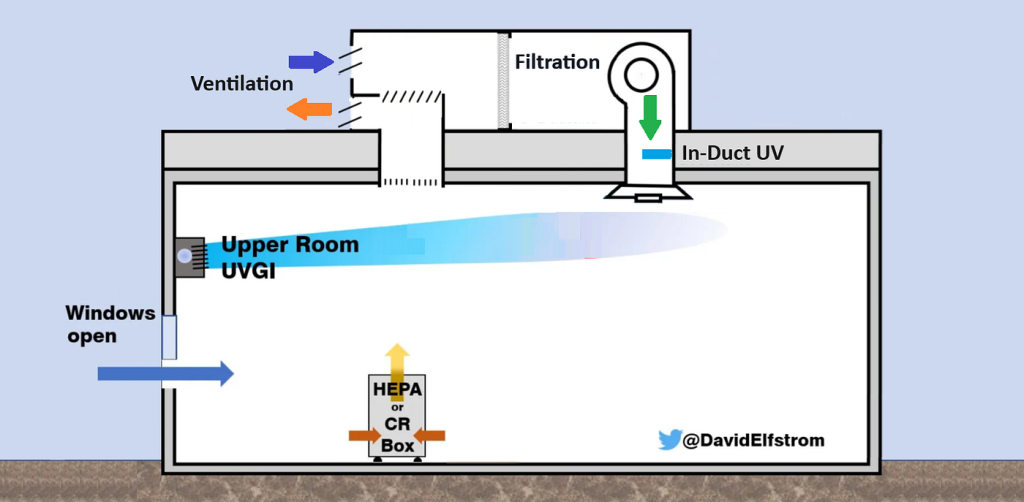
Natural ventilation uses windows, vents, and openings to let fresh air flow in and stale air flow out. It’s an energy-efficient and cost-effective option, especially if your room has easy access to outdoor air. However, it may not work well in rooms with poor outdoor air quality or during extreme weather conditions.
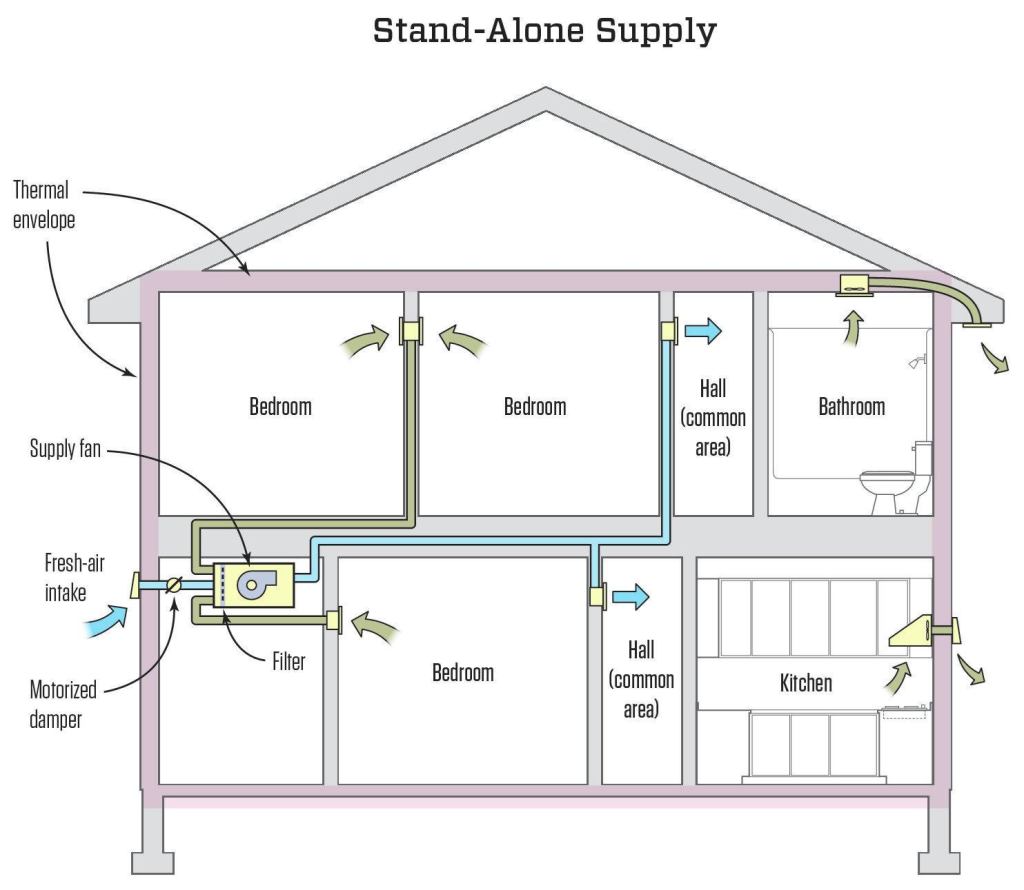
Mechanical ventilation involves devices like exhaust fans, air purifiers, or HVAC systems that actively move air in and out. This method offers better control over air exchange and can filter pollutants. Mechanical options are ideal if your room lacks windows or if you want consistent airflow regardless of the weather.
Assessing Your Room’s Needs
Start by measuring your room’s size and checking for existing airflow sources like windows or vents. Ask yourself: Does the room feel stuffy or humid? Is there a specific source of odors or pollutants?
If your room is small and has good window access, natural ventilation might be enough. Larger rooms or those without windows often benefit from mechanical ventilation for reliable air movement. Also, consider how much time you spend in the room and your sensitivity to air quality when deciding.
Have you noticed that opening a window doesn’t always clear out odors or moisture? That’s a sign you might need to add mechanical ventilation. Balancing both methods can sometimes offer the best results, such as using a window vent combined with a small exhaust fan.
Installing Windows And Vents
Installing windows and vents is a key step to improve room ventilation. These elements allow fresh air to flow inside and stale air to exit. Proper installation balances airflow and keeps the room comfortable. Careful choices about window types and vent placement maximize their effect.
Selecting Window Types For Airflow
Choose windows that open easily for better air movement. Casement windows swing outward, catching breezes well. Sliding windows slide side to side and offer good ventilation. Awning windows open from the bottom, allowing airflow even in light rain.
Consider the room’s size and direction of prevailing winds. Large windows bring in more air but may lose heat. Smaller windows control airflow while saving energy. Look for windows with screens to keep insects out.
Placement Tips For Effective Venting
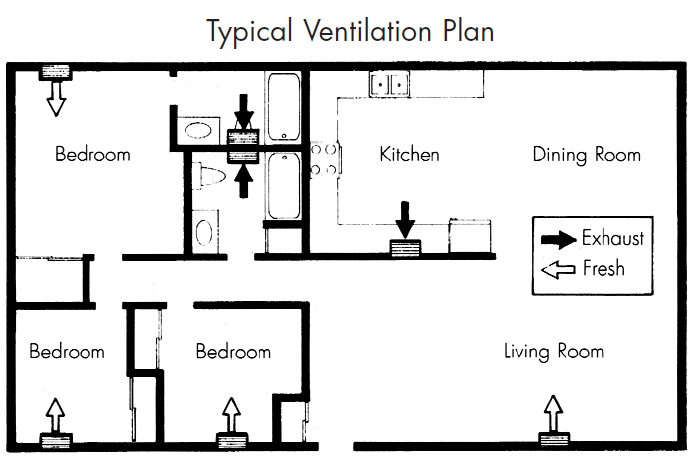
Place windows and vents on opposite walls to create cross ventilation. Air enters from one side and exits through the other. Put vents near the ceiling to let hot air escape. Lower vents or windows bring in cooler air from outside.
Avoid blocking windows and vents with furniture or curtains. Keep them clear for smooth airflow. In rooms with limited wall space, vents near the floor help air circulation. Adjust placement to match the room’s layout and use.
Adding Exhaust Fans
Installing an exhaust fan helps move stale air out and brings fresh air in. It reduces moisture and prevents mold growth. Proper placement ensures effective room ventilation.
Adding exhaust fans can greatly improve a room’s ventilation. They help remove stale air and bring in fresh air. This enhances air quality and reduces humidity. Exhaust fans are essential for bathrooms, kitchens, and other enclosed spaces. They prevent mold and keep the air fresh.Types Of Exhaust Fans
Different fans suit different needs and spaces. Ceiling-mounted fans are common in bathrooms. They are efficient for removing moisture. Wall-mounted fans are ideal for kitchens. They vent air directly outside. Inline fans work well for larger spaces. They sit between ducts and are quiet. Choose a fan based on room size and purpose.Installation Basics
Installing an exhaust fan requires basic tools. Ensure you have a power drill and screwdriver. Pick a suitable location for the fan. It should be near a power source and venting area. Turn off the electricity before starting. Cut a hole in the ceiling or wall. Fit the fan securely in the opening. Connect it to the power supply safely. Test the fan to ensure it works properly.Using Air Purifiers And Dehumidifiers
Using air purifiers and dehumidifiers can improve room ventilation without opening windows. These devices help clean the air and control moisture. They create a healthier space by reducing dust, allergens, and dampness. Both tools work quietly and fit well in any room.
Benefits For Indoor Air Quality
Air purifiers remove dust, pollen, pet dander, and smoke particles. They reduce allergens that cause sneezing and coughing. Dehumidifiers lower indoor humidity, stopping mold and mildew growth. This prevents bad smells and damage to walls or furniture. Together, they make breathing easier and the air fresher.
Choosing The Right Device
Pick an air purifier with a HEPA filter for best results. Check the room size it can cover before buying. Choose a dehumidifier with the right capacity to match room humidity levels. Look for energy-efficient models to save electricity. Noise level matters, especially for bedrooms or offices. Read user reviews to find reliable brands and features.
Credit: www.jlconline.com
Maintaining Your Ventilation System
Maintaining your ventilation system is essential to keep the air in your room fresh and healthy. Neglecting it can lead to poor air quality, unpleasant odors, and even increased energy bills. Regular care ensures your system runs smoothly and lasts longer.
Regular Cleaning And Inspection
Dust and debris can quickly build up inside vents and fans. This buildup reduces airflow and strains your system. Cleaning your vents every few months helps prevent blockages.
Check for visible dirt on filters, grills, and ducts. Replace or wash filters as recommended by the manufacturer. Also, inspect for any signs of damage or rust that could affect performance.
Have you noticed dust swirling near your vents? That’s a sign your system needs attention. Simple cleaning can make a big difference in air quality.
Troubleshooting Common Issues
If your room still feels stuffy despite the ventilation, consider these common problems:
- Weak airflow:This might mean clogged ducts or a failing fan motor.
- Strange noises:Rattling or squealing could signal loose parts or worn bearings.
- Unpleasant odors:Mold or mildew might be growing inside your vents.
Try turning off the system and cleaning accessible components. If problems persist, consult a professional before things get worse. How often do you check your ventilation for these signs?
Credit: www.jlconline.com
Frequently Asked Questions
How Can I Improve Room Ventilation Naturally?
Opening windows and doors regularly boosts airflow. Adding fans or vents helps move fresh air inside. Houseplants also improve air quality by absorbing toxins. Natural ventilation reduces humidity and prevents mold growth efficiently.
What Are The Best Ventilation Options For Small Rooms?
Use exhaust fans or wall vents to remove stale air. Portable air purifiers with fans also enhance airflow. Ceiling fans circulate air effectively in compact spaces. Combining these methods keeps small rooms fresh and comfortable.
How Do I Install A Ventilation Fan In A Room?
Choose a fan size suitable for room volume. Cut an opening in an exterior wall or ceiling. Mount the fan securely and connect it to power. Seal gaps to prevent air leaks. Test to ensure proper airflow after installation.
Why Is Ventilation Important In A Room?
Ventilation removes pollutants, moisture, and odors from indoor air. It prevents mold growth and improves overall health. Good airflow reduces allergens and enhances comfort. Proper ventilation maintains a fresh and safe living environment.
Conclusion
Adding ventilation to a room improves air quality and comfort. Good airflow helps reduce moisture and odors. Simple steps like opening windows or installing vents work well. Fans can move air quickly and keep the space fresh. Proper ventilation also protects walls and furniture from damage.
Regularly check your ventilation system to keep it effective. Clean vents and fans to avoid dust buildup. A well-ventilated room feels brighter and healthier every day. Small changes make a big difference in your home’s air.



