
Have you ever wondered how long a person can survive on a ventilator? Whether it’s for a loved one or out of simple curiosity, understanding this can be crucial.
The answers might surprise you, and knowing what affects survival can help you feel more prepared and informed. Keep reading to discover the key factors that influence ventilator survival and what this means for you or someone you care about.

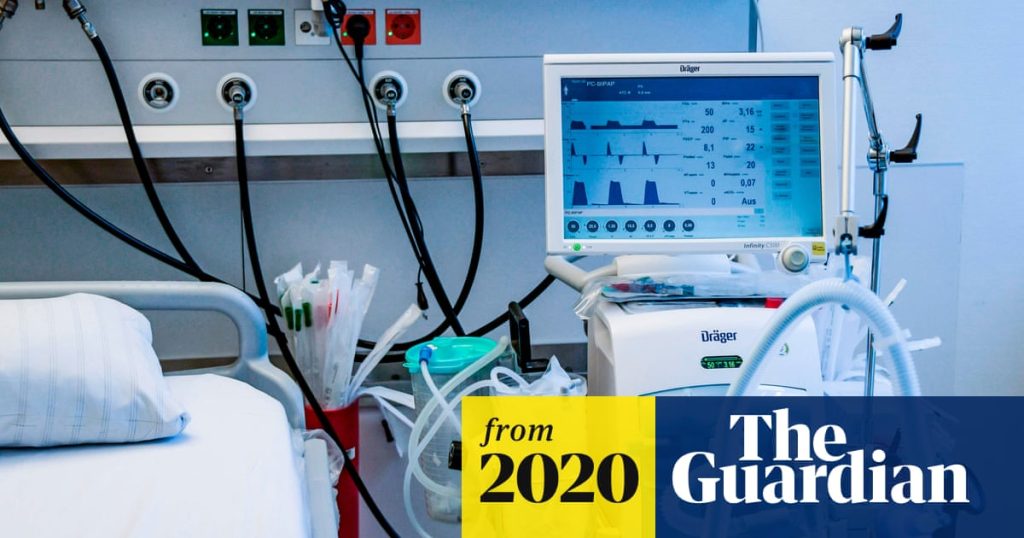
Credit: www.theguardian.com
Ventilator Basics
Understanding the basics of ventilators is essential if you or a loved one ever faces a situation where breathing support is necessary. Ventilators are life-saving machines, but how they work and the different types available can directly impact the care and outcome of the patient. Let’s break down what ventilators do and the main types you might encounter.
What A Ventilator Does
A ventilator helps a person breathe when they can’t do it well on their own. It pushes air into the lungs, ensuring oxygen gets where it needs to go in the body.
Think of it like a mechanical helper that takes over the hard work of breathing. It also removes carbon dioxide, which your body needs to get rid of to stay healthy.
This support can be crucial during surgery, severe illness, or trauma. Have you ever wondered how a machine can mimic such a vital human function so precisely?
Types Of Ventilators
Not all ventilators are the same; different types serve different needs. The most common ones include:
- Invasive Ventilators:These require a tube inserted into the windpipe. They provide the most direct and controlled breathing support.
- Non-invasive Ventilators:These use masks to help you breathe without tubes. They’re often used for less severe cases or to help patients gradually regain breathing strength.
Each type has specific uses depending on the patient’s condition. Knowing which ventilator is best can make a big difference in recovery.
Factors Affecting Survival
Survival on a ventilator depends on several key factors that influence how long a person can stay on it and recover. Understanding these factors helps you grasp why outcomes vary so widely. It also highlights the importance of personalized care and realistic expectations during critical illness.
Underlying Health Conditions
Your existing health plays a major role in how well you cope with mechanical ventilation. Chronic diseases like diabetes, heart disease, or lung problems weaken your body’s ability to fight infections and heal.
For example, someone with severe COPD may struggle more on a ventilator than a person with no prior lung issues. These conditions often lead to longer ventilation times and increase the risk of complications.
Age And Physical Strength
Age impacts survival because older adults generally have less physical resilience. Their muscles, including the respiratory muscles, may be weaker, making it harder to breathe independently after ventilation.
Young, physically strong patients often recover faster and tolerate ventilator support better. Have you ever noticed how older family members take longer to bounce back from serious illnesses? That’s a real-life example of how physical strength matters.
Severity Of Illness
The seriousness of the condition requiring ventilation is crucial. Severe infections, major trauma, or advanced organ failure can drastically reduce survival chances.
If the illness is too severe, the ventilator may only extend life temporarily without improving recovery. This raises difficult questions about quality of life and treatment goals that you and your healthcare team need to consider carefully.
Duration On A Ventilator
Duration on a ventilator varies widely depending on the patient’s condition. Some people need support for just a few hours. Others may rely on ventilators for weeks or even months. Understanding the differences in use helps explain survival chances and challenges.
Short-term Vs Long-term Use
Short-term ventilator use usually lasts a few days. It supports breathing during surgery or severe illness. Most patients recover quickly and are taken off the machine.
Long-term use extends beyond two weeks. It may happen due to chronic lung disease or severe injury. This requires more care and increases risks of complications like infections.
Average Survival Times
Survival time on a ventilator depends on many factors. Age, illness severity, and overall health play key roles. Average survival for short-term use is high, often above 80%.
For long-term ventilation, survival rates drop. About 50% to 60% of patients survive past one year. Each case is unique, and close medical monitoring is vital.
Cases Of Extended Ventilation
Some patients survive on ventilators for months or even years. These cases are rare and require specialized care. Quality of life and patient comfort become important concerns.
Extended ventilation often involves a tracheostomy, a tube placed in the windpipe. Families and medical teams must weigh benefits and challenges carefully.
Risks And Complications
Using a ventilator can save lives, but it carries risks and complications. These risks can affect the lungs, muscles, and mind. Understanding these dangers helps prepare patients and families for what may come.
Infections And Lung Damage
Ventilators can cause infections like pneumonia. The tube inserted into the windpipe allows bacteria to enter the lungs. These infections can be hard to treat and may slow recovery.
Long-term use may also damage lung tissues. Overinflation or pressure from the machine can harm delicate lung cells. This damage can reduce lung function even after the ventilator is removed.
Muscle Weakness
Breathing muscles may weaken during ventilation. The machine does most of the work, causing muscles to lose strength. This can make it hard for patients to breathe on their own later.
Physical therapy and gradual weaning from the ventilator help rebuild muscle strength. Without proper care, muscle weakness can delay recovery and extend hospital stays.
Psychological Effects
Being on a ventilator can cause stress and anxiety. Patients often feel scared, confused, or helpless. Some may experience hallucinations or nightmares.
These psychological effects can last even after leaving the hospital. Support from mental health professionals is important to help patients cope and heal.
Weaning From The Ventilator
Understanding the duration of ventilator support is vital. Survival on a ventilator varies widely based on individual health. Factors like age, underlying conditions, and response to treatment play crucial roles in determining the duration.
Weaning from a ventilator is a crucial stage in a patient’s recovery process. It involves gradually reducing the support from the ventilator, allowing the patient to resume normal breathing. This step requires careful monitoring and evaluation to ensure the patient’s safety and readiness.Criteria For Weaning
Before starting the weaning process, several criteria must be met. Medical professionals assess the patient’s respiratory function, checking for adequate oxygen levels and stable vital signs. The patient’s overall condition, including their ability to cough and clear secretions, is also evaluated. Patients must show signs of improvement in their underlying condition. This could be a decrease in the severity of an infection or recovery from a surgical procedure. A stable cardiovascular status is also essential, ensuring the heart can handle the reduced support.Weaning Process
The weaning process is often gradual and tailored to each patient’s needs. It typically starts with short periods of spontaneous breathing trials, where the patient breathes on their own for a few minutes. Medical staff closely monitor the patient’s response to these trials. If they tolerate it well, the duration of these trials is gradually increased. This method helps build the patient’s confidence and strengthens their respiratory muscles.Challenges In Weaning
Weaning from a ventilator can be challenging for both patients and healthcare providers. Anxiety and fear of breathing without assistance can hinder progress. Patients may feel apprehensive about their ability to breathe independently. Complications such as muscle weakness or additional medical conditions can also pose challenges. Addressing these issues with physical therapy or medication adjustments is often necessary. Have you ever considered how much courage it takes to breathe on your own again after relying on a machine? This process is as much about emotional resilience as it is about physical recovery.
Credit: www.washingtonpost.com
Supportive Care And Recovery
Supportive care and recovery are crucial for patients on a ventilator. The ventilator helps breathing, but the body needs more help to heal fully. Care teams focus on improving strength and health in many ways. This support increases the chance of a good recovery.
Physical Therapy
Physical therapy helps patients regain muscle strength. Long time on a ventilator can cause muscle weakness. Therapists guide gentle exercises to improve movement and breathing. Early activity can reduce complications and speed recovery. Simple movements like sitting up or stretching are common. Therapists adjust exercises based on patient ability and progress.
Nutritional Support
Good nutrition is vital during ventilator care. The body uses more energy to fight illness and heal. Nutritional support provides the right balance of calories and nutrients. Feeding may be through a tube if the patient cannot eat. Proper nutrition helps maintain muscle and immune strength. Dietitians create plans tailored to individual needs and conditions.
Emotional And Psychological Care
Being on a ventilator can cause fear and stress. Emotional and psychological care supports mental health. Nurses and counselors offer comfort and reassurance. Communication tools help patients express feelings and needs. Family involvement is encouraged to provide emotional support. Mental care improves overall well-being and aids physical recovery.
Advances In Ventilator Technology
Ventilator technology has improved a lot in recent years. These advances help patients breathe more easily and safely. Machines now work smarter and adjust to patient needs quickly. This progress increases the chances of survival for those relying on ventilators.
Improved Monitoring
Modern ventilators have better sensors to track patient breathing. They watch oxygen levels, airflow, and pressure closely. This data helps doctors make quick decisions. Early detection of problems can prevent complications. Continuous monitoring keeps patients safer and more stable.
Adaptive Ventilation Modes
New ventilators can change their settings automatically. They adapt to the patient’s breathing patterns and needs. This reduces discomfort and helps the lungs heal. Adaptive modes support both weak and strong breaths. This technology allows longer and more effective ventilation support.

Credit: www.jacc.org
Frequently Asked Questions
How Long Can A Person Survive On A Ventilator?
Survival on a ventilator varies widely, from days to months. It depends on the illness, overall health, and complications. Some patients recover quickly, while others need long-term support. Medical care and monitoring are crucial for improving outcomes during ventilation.
What Factors Affect Ventilator Survival Duration?
Survival depends on age, underlying conditions, and infection severity. The cause of respiratory failure and patient response to treatment matter. Complications like pneumonia or organ failure reduce survival chances. Early intervention and proper care improve ventilator outcomes.
Can Long-term Ventilation Cause Complications?
Yes, long-term ventilation can lead to infections, lung damage, and muscle weakness. It may also cause airway injury or dependence on the ventilator. Careful monitoring and preventive measures reduce risks, enhancing patient comfort and recovery chances.
Is Ventilator Support Permanent Or Temporary?
Ventilator support is usually temporary, aiding breathing until recovery. Some patients may need long-term or permanent ventilation due to chronic conditions. Doctors assess patient progress regularly to decide when to wean off the ventilator safely.
Conclusion
Survival on a ventilator depends on many health factors. Some people stay on it for days, others for weeks or months. Doctors watch closely for any changes in condition. Ventilators help breathing but do not cure illness. Recovery chances improve with good medical care and support.
Every patient’s journey is different and must be treated with care. Understanding this helps families stay informed and hopeful. Life on a ventilator is challenging but sometimes necessary for healing.



