
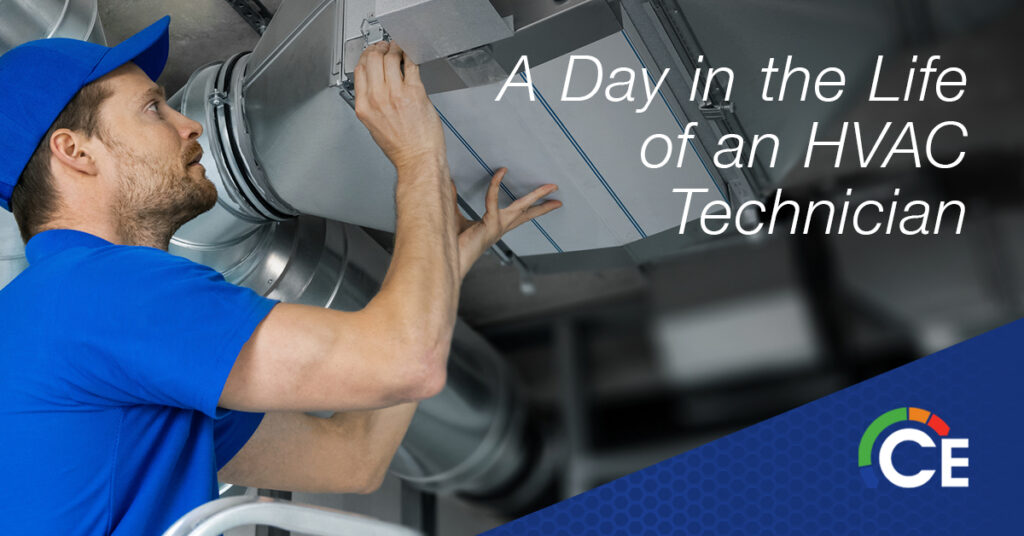
Have you ever wondered what HVAC workers really do? You rely on heating, ventilation, and air conditioning every day, but do you know who keeps it all running smoothly?
Understanding the work behind your comfort can help you appreciate these experts and even spot when your system needs help. You’ll discover the key tasks HVAC workers perform and why their skills matter to your home or business. Keep reading to find out how these professionals make sure your indoor environment stays just right.

Credit: www.guardianplumbinganddrain.ca
Core Hvac Responsibilities
HVAC workers have key responsibilities that keep heating, ventilation, and air conditioning systems running smoothly. These tasks ensure homes and businesses stay comfortable all year. Their work covers installing new systems, maintaining existing ones, and fixing any problems that arise. Each role requires specific skills and knowledge to handle equipment safely and efficiently.
Installation Tasks
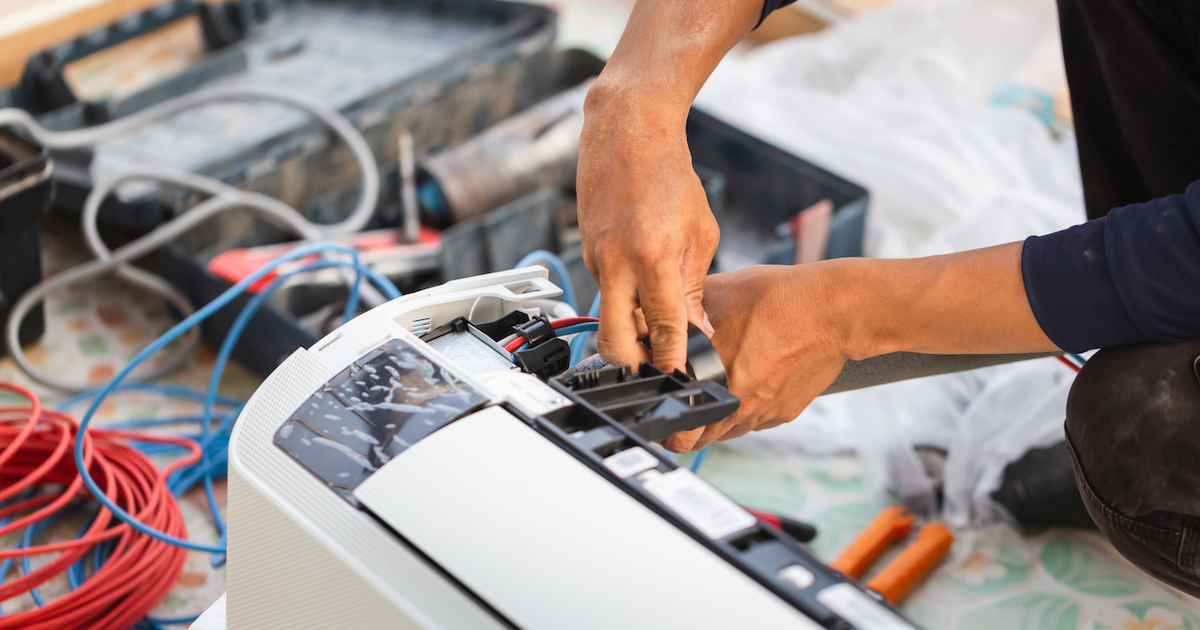
HVAC workers install heating and cooling units in buildings. They read blueprints to place ducts and vents correctly. Workers connect electrical wiring and gas lines with care. Proper installation ensures systems work efficiently and safely. They test units after installation to confirm everything runs well.
Maintenance Duties
Regular maintenance helps HVAC systems last longer and run better. Workers clean filters, coils, and vents to improve airflow. They check refrigerant levels and refill if needed. Inspecting motors and belts prevents breakdowns. Maintenance tasks also include checking system controls and safety devices.
Repair And Troubleshooting
HVAC workers find and fix system problems quickly. They use tools to test electrical components and airflow. Diagnosing issues helps avoid costly damage. Repairs might involve replacing parts or fixing leaks. Workers ensure systems return to full function after repair.
Credit: sbeodyssey.com
Types Of Hvac Systems Handled
HVAC workers are skilled in handling various types of systems. These systems are crucial for heating, cooling, and ventilating spaces. Each system type requires specialized knowledge and skills. Understanding the different systems is essential for efficient service and maintenance.
Residential Systems
Residential HVAC systems keep homes comfortable year-round. These systems include air conditioners, furnaces, and heat pumps. Workers install, repair, and maintain these systems in single-family homes. They ensure efficient operation to save energy and reduce bills. Proper maintenance prevents unexpected breakdowns and extends system life.
Commercial Systems
Commercial HVAC systems serve offices, shops, and restaurants. They are larger and more complex than residential systems. Workers handle rooftop units and large air handlers. These systems need precise control to maintain comfort across large spaces. Regular checks and maintenance are crucial for smooth operation. Technicians ensure that air quality and temperature meet business needs.
Industrial Systems
Industrial HVAC systems are used in factories and warehouses. These systems control temperature and air quality in large areas. Workers deal with chillers, boilers, and complex ventilation systems. They ensure that machinery operates within safe temperature limits. Proper system management is vital for worker safety and product quality. Maintenance in these environments requires specialized training and adherence to safety standards.
Tools And Equipment Used
HVAC workers rely on a variety of tools and equipment to perform their tasks efficiently. These tools help them diagnose problems, install systems, and work safely. Understanding the tools used gives insight into the complexity of HVAC work. Each category of tools serves a specific purpose in the job.
Diagnostic Tools
Diagnostic tools help HVAC workers find issues in heating and cooling systems. They measure pressure, temperature, and electrical flow to spot faults quickly. Common diagnostic tools include:
- Manifold gauges
- Thermometers
- Multimeters
- Leak detectors
These tools ensure systems run smoothly by identifying problems early.
Installation Equipment
Installation requires tools that handle physical setup and adjustments. HVAC workers use these to fit ducts, units, and piping properly. Essential installation tools include:
- Pipe cutters
- Drills and screwdrivers
- Flaring tools
- Vacuum pumps
Good installation equipment guarantees secure and effective system setup.
Safety Gear
Safety gear protects HVAC workers from hazards on the job. This gear is crucial for preventing injuries and accidents. Basic safety equipment includes:
- Gloves
- Safety glasses
- Hard hats
- Respirators
Wearing proper safety gear keeps workers safe in all conditions.
Skills Required For Hvac Workers
HVAC workers need a mix of skills to do their jobs well. These skills help them install, fix, and maintain heating, ventilation, and air conditioning systems. Good skills ensure safety and comfort for customers. Below are some key skills every HVAC worker should have.
Technical Knowledge
HVAC workers must understand how systems work. They learn about electrical circuits, refrigeration, and air flow. Reading blueprints and manuals is important. They use tools and machines to install and repair units. Knowing safety rules is critical to avoid accidents.
Problem-solving Abilities
HVAC workers face many issues daily. They must find the cause of problems quickly. Troubleshooting skills help them fix systems fast. Workers think logically to test different parts. Creative thinking helps when standard fixes do not work.
Customer Service Skills
Good communication is key for HVAC workers. They explain problems and solutions clearly to clients. Being polite and respectful builds trust. Listening to customer needs helps provide better service. A friendly attitude makes customers feel comfortable.
Work Environment And Conditions
Understanding the work environment and conditions of HVAC workers gives you a clearer picture of what the job truly involves. The role demands flexibility, as the settings and physical requirements can vary widely. You’ll find yourself navigating both indoor and outdoor spaces, each with its own challenges.
Indoor And Outdoor Settings
HVAC workers spend time in diverse locations. Indoors, you might be in homes, offices, or commercial buildings. These spaces often require working in tight or confined areas, like crawl spaces or attics.
Outdoors, you could be installing or repairing units on rooftops, near air vents, or beside large industrial machinery. Weather conditions can change quickly, so you must be ready for heat, cold, rain, or wind. How comfortable are you working in different environments every day?
Physical Demands
The job is physically demanding. You’ll often lift heavy equipment, carry tools, and move parts weighing 50 pounds or more. Climbing ladders and bending into awkward positions are common tasks.
Endurance and strength are essential, but so is steady hands and precise movements when handling delicate components. Can you imagine balancing heavy lifting with fine motor skills on a daily basis?
Safety Considerations
Safety is critical in HVAC work. You regularly work with electrical systems, sharp tools, and sometimes hazardous materials like refrigerants. Wearing protective gear such as gloves, goggles, and masks isn’t optional—it’s a must.
Following safety protocols prevents accidents and long-term health issues. Do you know the safety rules that keep HVAC workers protected on the job?

Credit: appliance-solution.com
Training And Certification
Training and certification are the backbone of a successful HVAC career. They ensure you have the right skills and knowledge to handle complex systems safely and efficiently. Without proper training, troubleshooting and repairs can lead to bigger problems, costing you time and money.
Apprenticeship Programs
Apprenticeships offer hands-on experience under the guidance of seasoned HVAC professionals. You learn practical skills like installation, maintenance, and repair while earning a paycheck. Many apprenticeships last 3 to 5 years and combine classroom instruction with real-world work.
These programs help you build confidence and understand workplace safety. They also connect you with industry contacts that can open doors later. Have you considered how working alongside experts might accelerate your learning curve?
Licensing Requirements
Licenses prove you meet the state’s standards for HVAC work. Requirements differ by location but often include passing an exam and completing a set number of work hours. Without a license, you might not be legally allowed to work on certain HVAC systems.
Getting licensed protects both you and your customers from potential hazards. It also boosts your credibility and can lead to better job opportunities. Are you aware of the specific licensing rules where you live?
Continuing Education
The HVAC field constantly evolves with new technologies and regulations. Continuing education keeps your knowledge fresh and skills sharp. Courses might cover energy-efficient systems, refrigerant handling, or new safety protocols.
Many states require ongoing education to renew your license, making it a must for career longevity. Attending workshops or online classes can also make your daily work easier and more effective. What new skill could you learn today to improve your HVAC expertise?
Frequently Asked Questions
What Are The Primary Tasks Of Hvac Workers?
HVAC workers install, maintain, and repair heating, ventilation, and air conditioning systems. They ensure systems run efficiently and safely. Their tasks include checking electrical components, cleaning ducts, and replacing filters to maintain indoor air quality and comfort.
How Do Hvac Technicians Improve Indoor Air Quality?
HVAC technicians clean and replace air filters and ducts regularly. They inspect and fix ventilation systems to prevent pollutants. Proper maintenance reduces allergens, dust, and harmful particles, ensuring cleaner and healthier indoor air for occupants.
What Skills Are Essential For Hvac Workers?
HVAC workers need technical knowledge of heating and cooling systems. They must read blueprints, troubleshoot issues, and use specialized tools. Good communication and problem-solving skills help them provide efficient service and ensure customer satisfaction.
How Do Hvac Workers Ensure System Safety?
They conduct regular inspections and test electrical connections for faults. HVAC workers follow safety codes and guidelines to prevent hazards. Proper installation and maintenance reduce risks of fire, gas leaks, and carbon monoxide poisoning.
Conclusion
HVAC workers keep homes and buildings comfortable all year round. They install, repair, and maintain heating and cooling systems. These workers ensure air quality and energy efficiency. Their skills help save money on energy bills. They solve problems quickly to avoid bigger issues.
Understanding their work shows how important their role is. Next time you feel warm or cool inside, remember their effort. HVAC workers make daily life easier and safer. Their job matters in every season.



