
Are you wondering how to keep the air inside your home fresh and healthy all year round? A whole house ventilation system might be the solution you’ve been looking for.
It’s designed to improve your indoor air quality by bringing in fresh air and removing stale, polluted air. Imagine breathing easier, feeling more comfortable, and even reducing moisture problems in your home. Keep reading to discover how this system works and why it could make a big difference for you and your family.
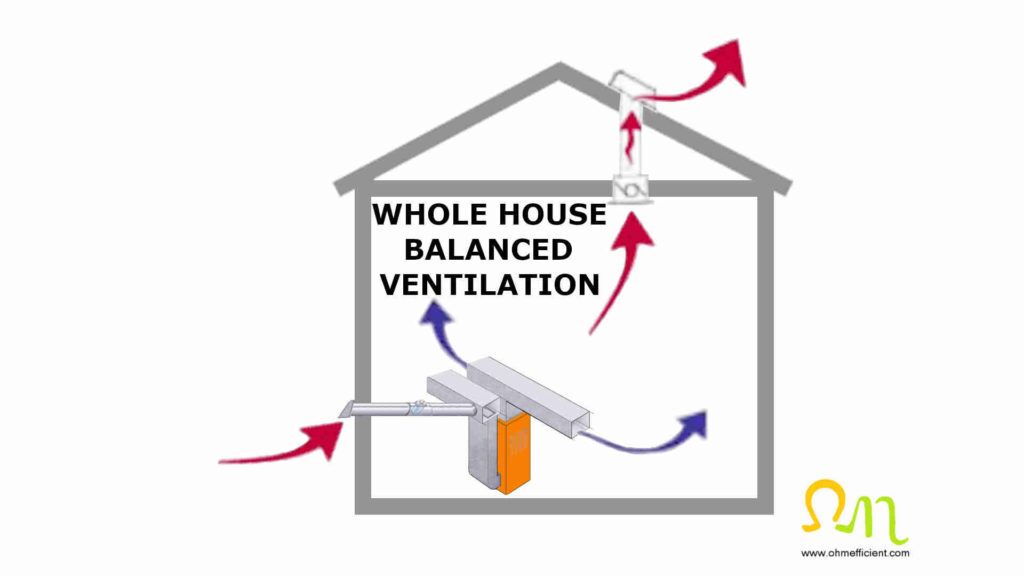
Credit: ohmefficient.com
Benefits Of Whole House Ventilation
Whole house ventilation systems offer many benefits for home comfort and health. They help keep the air fresh and clean throughout the entire house. These systems improve air quality by removing stale air and bringing in fresh outdoor air. They also help control humidity and reduce allergens, which makes living spaces healthier.
Energy savings is another key benefit. These systems work efficiently to maintain airflow without wasting energy. This means lower utility bills and a smaller environmental footprint. Installing a whole house ventilation system creates a more comfortable, healthier home environment.
Improved Indoor Air Quality
Whole house ventilation brings fresh outdoor air inside. It removes stale air that contains odors and harmful gases. This constant air exchange reduces indoor pollution. Fresh air helps everyone breathe easier and feel better. It also lowers the risk of respiratory problems.
Reduced Allergens And Pollutants
Ventilation systems remove dust, pollen, and pet dander from the air. These allergens cause sneezing and irritation. The system filters out many tiny particles. It reduces the presence of smoke and chemical fumes too. Cleaner air means fewer allergy symptoms and better health.
Moisture Control And Mold Prevention
Excess moisture can cause mold and mildew growth. These problems damage the home and cause health issues. Whole house ventilation controls humidity levels by exchanging moist air with dry air. It helps keep walls, floors, and ceilings dry. Mold growth is much less likely.
Energy Efficiency And Cost Savings
Modern ventilation systems use energy wisely. They supply fresh air without wasting heat or cooling. Heat recovery ventilators (HRVs) and energy recovery ventilators (ERVs) save energy by transferring heat between incoming and outgoing air. This lowers heating and cooling costs. Energy-efficient systems pay for themselves over time.
Types Of Whole House Ventilation Systems
Whole house ventilation systems help keep indoor air fresh and healthy. They remove stale air and bring in clean air. Different types of systems work in various ways to balance airflow and energy use. Choosing the right type depends on your home’s needs and climate.
Exhaust Ventilation
Exhaust ventilation removes air from inside the house. It uses fans in kitchens or bathrooms to push stale air outside. This creates a slight negative pressure, pulling fresh air in through cracks and vents. It is simple and affordable but can let uncontrolled air enter.
Supply Ventilation
Supply ventilation pushes fresh air into the home. Fans bring outside air inside through filters. This creates positive pressure, forcing stale air out through leaks and openings. It helps control where fresh air enters but may raise heating or cooling costs.
Balanced Ventilation
Balanced ventilation uses both supply and exhaust fans. It moves equal amounts of air in and out of the home. This keeps indoor air balanced and reduces drafts. It provides better air quality but costs more to install and operate.
Energy Recovery Ventilators (ervs)
ERVs transfer heat and moisture between incoming and outgoing air. They save energy by warming or cooling fresh air using the air being exhausted. ERVs help maintain humidity levels. They work well in moderate climates and save on heating and cooling bills.
Heat Recovery Ventilators (hrvs)
HRVs transfer only heat between incoming and outgoing air. They keep the home warm in winter by capturing heat from stale air. HRVs do not transfer moisture, making them ideal for cold, dry climates. They improve energy efficiency and indoor comfort.
How Whole House Ventilation Works
Understanding how a whole house ventilation system works can change the way you think about indoor air quality. It’s not just about blowing fresh air inside; it’s about creating a balanced airflow that keeps your home healthy and comfortable. Let’s break down the key elements that make this system effective.
Airflow Patterns
Airflow in a whole house ventilation system moves strategically throughout your home. Fresh air enters through designated intake points, usually placed away from pollution sources like busy streets or garbage areas.
This fresh air travels through your living spaces, replacing stale, humid, or contaminated air. The system pushes the old air out via exhaust vents, often located in kitchens, bathrooms, and attics.
Have you noticed how some rooms feel stuffy while others stay fresh? The right airflow pattern ensures every corner gets proper ventilation, avoiding trapped pollutants or moisture.
Ventilation Components
Several parts work together in a whole house ventilation system to keep air moving efficiently:
- Intake Vents:Bring fresh outdoor air inside.
- Exhaust Vents:Remove stale indoor air.
- Fans:Control the airflow speed and direction.
- Ductwork:Channels air between rooms and vents.
- Filters:Clean incoming air, reducing dust and allergens.
Each component plays a crucial role, so skipping maintenance on any of them can reduce system effectiveness. I once overlooked a clogged intake vent and noticed my allergies worsening until I cleaned it.
Integration With Hvac Systems
Whole house ventilation often works hand-in-hand with your heating and cooling system. This integration helps maintain consistent indoor air quality without raising energy costs drastically.
For example, some ventilation systems use heat recovery ventilators (HRVs) or energy recovery ventilators (ERVs) that capture warmth or coolness from outgoing air and transfer it to incoming air. This means you get fresh air without losing the temperature you paid to maintain.
Connecting ventilation to your HVAC can also automate airflow based on your home’s temperature and humidity, making it easier for you to breathe easier and save money. Have you checked if your current HVAC setup supports this feature?

Credit: www.achrnews.com
Choosing The Right Ventilation System
Choosing the right whole house ventilation system is key for healthy indoor air. It depends on many factors. The right system improves air quality and comfort. It also fits your home’s needs and budget.
Assessing Home Size And Layout
Home size affects ventilation needs. Larger homes require stronger systems or multiple units. Open floor plans may allow easier air flow. Complex layouts may need more vents or fans. Measure your home’s square footage. Note the number of rooms and floors. This helps select a system that covers all areas evenly.
Climate Considerations
Climate impacts system choice. Humid areas benefit from systems that reduce moisture. Dry climates need systems that bring in fresh air without losing heat. Cold regions require ventilation that prevents heat loss. Hot climates need units that cool and refresh air. Match the system to your local weather for best results.
Budget And Installation Costs
Ventilation systems vary in cost. Basic models cost less but may have fewer features. Advanced systems offer better control but cost more. Installation complexity affects price too. Some systems need ductwork or electrical work. Estimate total costs before deciding. Balance price with system quality and features.
Maintenance Requirements
Maintenance affects long-term performance. Some systems require regular filter changes. Others need occasional cleaning of ducts or fans. Choose a system with easy maintenance. This saves time and keeps air quality high. Check for available support and replacement parts too.
Installation And Maintenance Tips
A whole house ventilation system helps improve indoor air quality by exchanging stale air with fresh outdoor air. Proper installation ensures efficient airflow, while regular maintenance keeps the system working well and extends its lifespan. Simple tips can prevent common problems and save energy.
Installing and maintaining a whole house ventilation system can significantly enhance your home’s air quality. With proper installation and regular upkeep, you can ensure that your system operates efficiently for years to come. Let’s delve into some practical tips to get the most out of your ventilation system.Professional Installation Guidelines
Hiring a professional for installation is a wise decision. They bring expertise and experience that can prevent common pitfalls. Ensure the chosen professional follows local codes and manufacturer instructions to the letter. Consider the layout of your home when discussing installation options. A knowledgeable installer will tailor the system to suit your specific needs. Clear communication with the installer about your expectations can save time and avoid misunderstandings.Regular Filter Replacement
Replacing filters regularly is crucial for optimal performance. Dirty filters hinder airflow, making your system work harder and reducing its lifespan. Set a reminder to check filters every 1-3 months, depending on usage and manufacturer recommendations. Clean filters ensure that your indoor air remains fresh and pollutant-free. Don’t forget to stock up on filters in advance. This avoids last-minute runs to the store and keeps your system running smoothly.System Inspection And Cleaning
Routine inspections help identify issues before they become major problems. Schedule a professional inspection at least once a year to keep your system in peak condition. During inspections, focus on cleaning ducts and vents. Accumulated dust and debris can severely impact system efficiency. Ask yourself, when was the last time you checked the ductwork for leaks? Early detection can prevent energy loss and keep your utility bills in check. By adhering to these tips, you’ll ensure that your whole house ventilation system remains a reliable asset in maintaining your home’s air quality.Common Challenges And Solutions
Whole house ventilation systems bring fresh air into your home while removing stale air. Yet, setting up and maintaining these systems comes with challenges that can affect comfort and efficiency. Understanding these common issues and their practical solutions helps you get the most from your ventilation system.
Balancing Air Pressure
Too much or too little air pressure can cause discomfort and reduce system performance. If your home feels stuffy or you notice doors slamming, the air pressure might be off. Adjusting vents and using pressure balancing dampers can help maintain steady airflow throughout your rooms.
Have you ever felt a draft near a window or door when your ventilation system runs? That’s often a sign of pressure imbalance. Using a professional to measure and tweak your system ensures fresh air flows evenly without creating unwanted drafts.
Noise Reduction
Ventilation fans can be noisy, disturbing your peace. You don’t have to accept this as normal. Choosing quieter fans or adding sound dampening materials around ducts can significantly cut down the noise level.
Think about where you install the system components. Placing fans away from bedrooms or living areas reduces sound impact. Also, check for loose parts or vibrations that can be fixed with simple tightening or insulation.
Dealing With Outdoor Air Quality
Your ventilation system pulls in outdoor air, but what if your neighborhood has pollution or allergens? Installing air filters designed for your local air quality helps trap dust, pollen, and pollutants before they enter your home.
Consider using smart sensors that monitor outdoor air quality and adjust ventilation accordingly. This way, you protect your indoor environment without sacrificing fresh air intake.
Avoiding Excess Humidity
Too much moisture can lead to mold and damage inside your home. Ventilation systems should remove excess humidity, but if not set properly, they might make the problem worse. Use humidity sensors to control when and how long your system runs.
Adding a dehumidifier or integrating ventilation with your HVAC system can keep moisture levels in check. Have you noticed condensation on windows or musty smells? These signs mean it’s time to evaluate your system’s humidity management.

Credit: ezbreathe.com
Frequently Asked Questions
What Is A Whole House Ventilation System?
A whole house ventilation system improves indoor air quality by circulating fresh air throughout your home. It removes pollutants and excess moisture, creating a healthier living environment.
How Does Whole House Ventilation Work?
It works by exchanging stale indoor air with fresh outdoor air using fans and vents. This process maintains balanced airflow and controls humidity levels inside your home.
Why Is Whole House Ventilation Important?
Proper ventilation prevents mold growth, reduces allergens, and improves comfort. It also helps maintain energy efficiency by regulating indoor temperature and air quality.
What Types Of Whole House Ventilation Systems Exist?
Common types include exhaust, supply, balanced, and energy recovery ventilators (ERVs). Each system suits different home needs and climate conditions for optimal air exchange.
Conclusion
A whole house ventilation system helps keep your home fresh and healthy. It moves stale air out and brings clean air in. This system reduces moisture, odors, and indoor pollution. It also helps control temperature and saves energy. Installing one can improve comfort for everyone in your home.
Think about the benefits for your family’s health and well-being. A good ventilation system creates a better living space all year round. Consider it a smart step toward a cleaner, fresher home.



