
Have you ever wondered why we breathe in air and how our bodies use it? Understanding the difference between ventilation and respiration is key to unlocking the mystery of how your body gets the oxygen it needs to keep you alive and active.
These two terms might seem similar, but they play very different roles in your health. By the end of this article, you’ll clearly see how ventilation and respiration work together—and why knowing the difference can help you take better care of your body.
Keep reading to discover what makes each one unique and essential.
Ventilation Basics
Understanding the basics of ventilation is key to distinguishing it from respiration. Ventilation is the physical process that moves air in and out of your lungs, setting the stage for oxygen to reach your blood. Without efficient ventilation, your body can’t get the oxygen it needs or expel carbon dioxide properly.
Definition Of Ventilation
Ventilation is the mechanical action of breathing. It involves inhaling fresh air and exhaling stale air from the lungs. Think of it as the simple act of moving air in and out, without yet involving the chemical exchange of gases inside your body.
How Ventilation Works
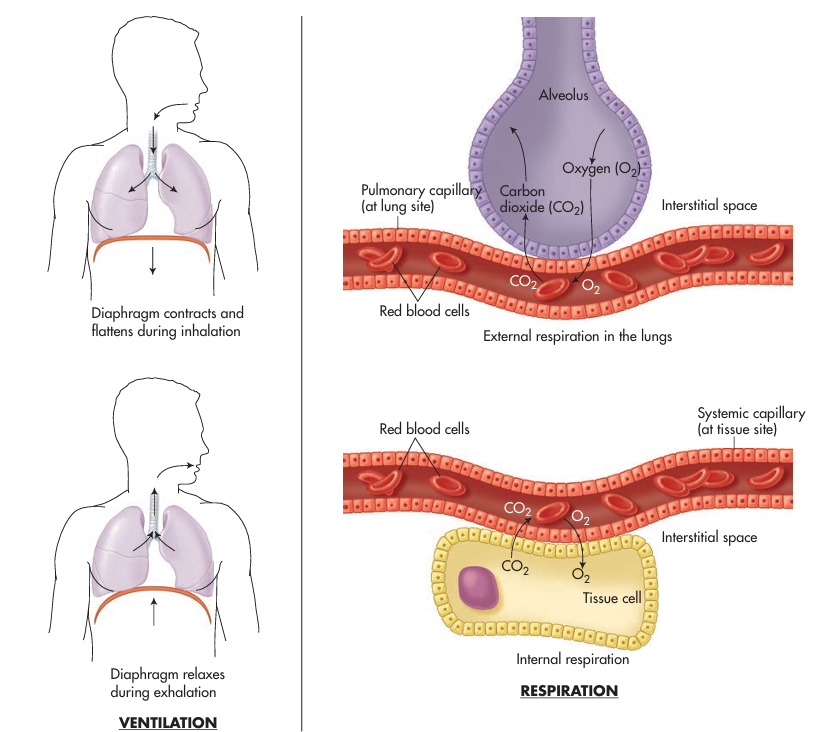
Your diaphragm and intercostal muscles play a major role in ventilation. When the diaphragm contracts, your chest cavity expands, drawing air into your lungs. When these muscles relax, air is pushed out. This process happens automatically, but you can also control it consciously when you hold your breath or take a deep breath.
Types Of Ventilation
- Normal (Quiet) Ventilation:This happens when you breathe at rest, using only the diaphragm and external intercostal muscles.
- Forced Ventilation:This occurs during activities like exercise, where accessory muscles help increase the volume of air moved in and out.
- Artificial Ventilation:This type is provided by machines when a person cannot breathe on their own, such as during surgery or severe illness.
Have you ever noticed how your breathing changes when you’re nervous or exercising? That’s your ventilation adapting to your body’s needs. Understanding this can help you become more aware of your breathing patterns and how to manage them effectively.
Credit: www.studocu.com
Respiration Fundamentals
Understanding the fundamentals of respiration is key to grasping how living organisms obtain energy. Respiration is more than just breathing; it’s the process that powers every cell in your body. Let’s break down what respiration really means, its stages, and how it fuels your cells.
Definition Of Respiration
Respiration is the biological process where your body takes in oxygen and uses it to break down food molecules. This process releases energy needed for all your bodily functions. Unlike ventilation, which is about moving air in and out of your lungs, respiration happens at a cellular level.
Stages Of Respiration
Respiration happens in several stages, each important for energy production. First, glycolysis breaks down glucose into smaller molecules. Next, the Krebs cycle processes these molecules to extract energy. Finally, the electron transport chain produces the most energy by using oxygen.
Cellular Respiration Process
Cellular respiration takes place inside your cells, mainly in the mitochondria. It converts glucose and oxygen into carbon dioxide, water, and energy in the form of ATP (adenosine triphosphate). Without this process, your cells wouldn’t have the energy to perform even the simplest tasks.
Key Differences
Understanding the key differences between ventilation and respiration can clear up a lot of confusion. Both are essential to how your body manages oxygen and carbon dioxide, but they operate in distinct ways. Let’s break down these differences so you can easily grasp how each process supports your health.
Purpose And Function
Ventilation is all about moving air in and out of your lungs. Its main goal is to ensure fresh oxygen reaches your lungs and carbon dioxide is expelled.
Respiration, on the other hand, focuses on the exchange of gases at the cellular level. It provides your body’s cells with oxygen to produce energy and removes carbon dioxide, a waste product.
Think of ventilation as the delivery system and respiration as the actual use of oxygen within your cells.
Involvement Of Organs
Ventilation mainly involves the lungs, diaphragm, and muscles around your rib cage. These organs work together to create the physical movement of air.
Respiration involves tiny structures called alveoli in the lungs and the mitochondria inside your cells. These are the sites where oxygen and carbon dioxide actually swap places.
Have you ever noticed how deep breaths feel when you exercise? That’s your ventilation system working harder to supply more oxygen for respiration.
Gas Exchange Mechanisms
During ventilation, air flows through the airways by pressure differences created when you inhale and exhale.
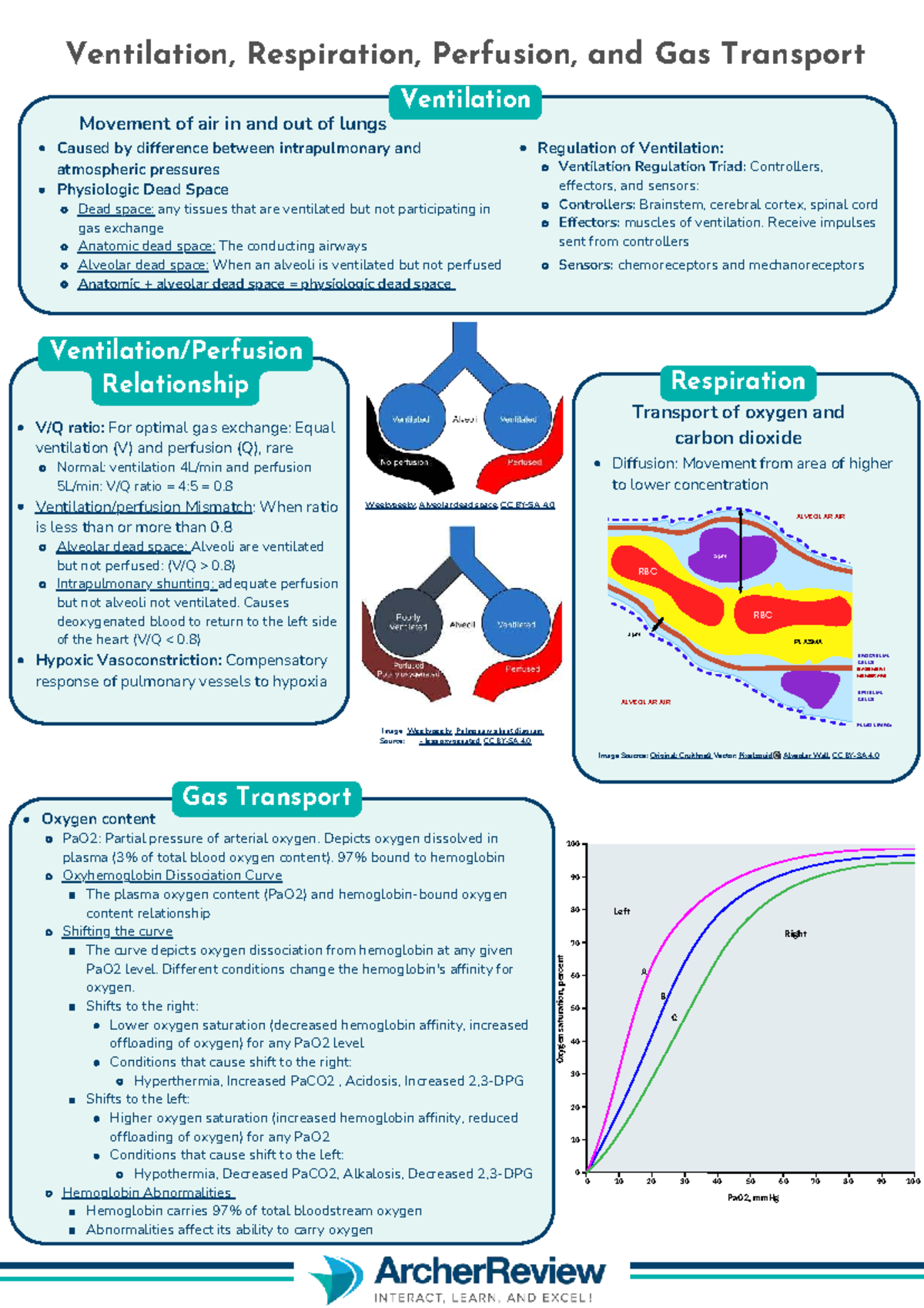
Respiration involves diffusion, where oxygen moves from the alveoli into the blood and carbon dioxide moves from blood into the alveoli. Then, oxygen in the blood is transported to cells, where cellular respiration occurs.
Understanding these mechanisms helps you appreciate how your body keeps every cell energized with just a simple breath.

Credit: www.wikiwand.com
Interconnection Between Both
The connection between ventilation and respiration is crucial yet often overlooked. While they are distinct processes, they work hand in hand to keep your body functioning smoothly. Understanding how they link can help you appreciate the role of breathing in your overall health.
How Ventilation Supports Respiration
Ventilation is the physical movement of air in and out of your lungs. It acts as the delivery system that brings fresh oxygen to the respiratory surfaces inside your lungs.
Without proper ventilation, oxygen cannot reach the alveoli, where gas exchange happens. This means respiration—the actual exchange of oxygen and carbon dioxide at the cellular level—cannot occur efficiently.
Think about holding your breath underwater. The air doesn’t move, so oxygen supply to your cells drops quickly. This simple act shows how ventilation directly affects respiration by controlling air flow.
Impact On Overall Health
When ventilation and respiration work well together, your body gets the oxygen it needs to produce energy. Poor ventilation can lead to low oxygen levels, making you feel tired, dizzy, or short of breath.
Chronic issues like asthma or COPD show how problems in ventilation disrupt respiration and harm health. Managing your breathing, like practicing deep breathing exercises, can improve both ventilation and respiration.
Have you noticed how your mood or focus changes after a few deep breaths? That’s your body responding to improved oxygen supply. Taking care of your breathing is a simple way to support your overall wellness every day.
Common Misconceptions
Many confuse ventilation with respiration, but they are not the same. Ventilation moves air in and out of the lungs. Respiration is the process of gas exchange inside the body’s cells. Understanding this difference clears up common misunderstandings.
Understanding the difference between ventilation and respiration can be tricky. Many people use these terms interchangeably, but they describe distinct processes. This confusion can lead to misunderstandings about how our bodies function.Ventilation Vs. Respiration Confusion
Ventilation is about the movement of air in and out of the lungs. It’s the physical act of breathing. Respiration, on the other hand, refers to the chemical process where your body cells use oxygen to produce energy. People often think if you’re breathing well, your cells are automatically getting oxygen. This isn’t always true. You might be ventilating, but if your respiration is impaired, your cells may still lack oxygen.Clarifying Terminology
Let’s break it down simply. Ventilation is like opening a window to let fresh air in. Respiration is like using that air to power a windmill. Both are vital, but they serve different purposes. Consider how exercise affects these processes. When you run, your ventilation rate increases to bring in more oxygen. However, if your cells can’t use that oxygen efficiently, you’ll still feel fatigued. Have you ever noticed your breath quickening when you’re anxious? That’s ventilation kicking in. But unless your cells are using the oxygen effectively, you might still feel breathless. Understanding these differences can help you better assess your own health. Next time you’re short of breath, ask yourself: Is it a ventilation issue or a respiration problem? This insight can make a difference in how you approach your health and wellness.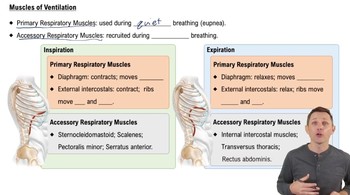
Credit: www.pearson.com
Frequently Asked Questions
What Is The Main Difference Between Ventilation And Respiration?
Ventilation is the physical process of moving air in and out of the lungs. Respiration is the chemical process where cells use oxygen to produce energy and release carbon dioxide.
How Does Ventilation Support Respiration In The Body?
Ventilation supplies fresh oxygen to the lungs and removes carbon dioxide. This exchange provides oxygen needed for cellular respiration to generate energy.
Can Ventilation Occur Without Respiration Happening Simultaneously?
Yes, ventilation is just air movement and can occur without cellular respiration. Respiration specifically refers to oxygen use in cells to produce energy.
Which Organs Are Involved In Ventilation Versus Respiration?
Ventilation primarily involves the lungs and respiratory muscles. Respiration occurs at the cellular level within mitochondria in body tissues.
Conclusion
Ventilation and respiration both help us breathe, but they do different jobs. Ventilation moves air in and out of the lungs. Respiration uses oxygen to make energy in cells. Knowing this difference helps us understand how our body works. Both are important for keeping us alive and healthy.
Remember, breathing is not just about air. It’s about how our body uses that air too. Simple, yet essential.



