

Have you ever wondered if opening your windows and letting fresh air inside really makes a difference? Airing out your house might seem simple, but it can have surprising effects on your health, comfort, and even your energy bills.
Imagine stepping into a room that feels fresher, lighter, and more inviting — wouldn’t you want that every day? You’ll discover why airing out your home could be one of the easiest ways to improve your living space and what you need to watch out for to get the best results.
Keep reading to find out how this small habit could bring big benefits to you and your family.
Benefits Of Airing Out Your Home
Airing out your home offers more than just a fresh breeze—it actively transforms your living space into a healthier environment. By regularly opening windows and doors, you invite fresh air to circulate, replacing stale indoor air that can trap pollutants and allergens. This simple habit has clear benefits that impact your well-being every day.
Improved Air Quality
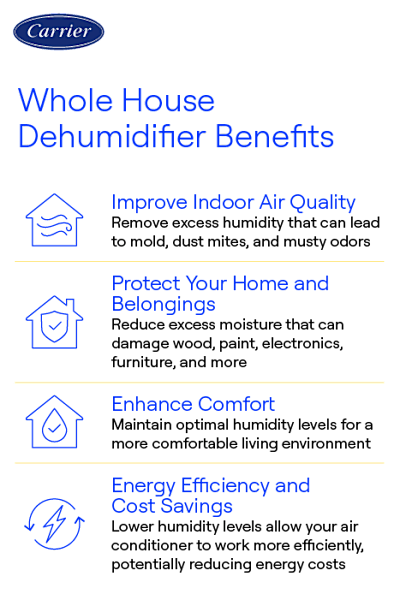
Fresh air naturally lowers indoor humidity levels, preventing moisture build-up that can lead to mold and mildew. You might notice your rooms feeling lighter and more breathable after just a few minutes of airing out. This improvement in air quality can reduce odors and create a more inviting atmosphere in your home.
Reduced Indoor Pollutants
Indoor air often contains pollutants like dust, pet dander, and volatile organic compounds (VOCs) from household products. Airing out your home regularly helps flush these harmful substances outside. Have you ever felt less congested after opening a window? That’s your body responding to cleaner air free from indoor toxins.
Enhanced Respiratory Health
Consistently breathing fresh air can ease respiratory issues such as asthma and allergies. When I started airing out my bedroom daily, I noticed fewer sneezing fits and less coughing at night. If you suffer from breathing discomfort, improving ventilation might be a practical step to help your lungs feel better.
Credit: www.carrier.com
How Ventilation Affects Mold And Mildew
Ventilation plays a key role in controlling mold and mildew in your home. These fungi thrive in damp, poorly ventilated spaces. Proper airflow reduces moisture levels, making it harder for mold and mildew to grow. Fresh air exchange removes dampness and stale air, improving indoor air quality. A well-ventilated home feels fresher and stays healthier over time.
Prevention Of Moisture Buildup
Moisture is the main cause of mold and mildew. Ventilation helps lower indoor humidity by letting moist air escape. Opening windows or using exhaust fans in kitchens and bathrooms removes excess moisture quickly. Without ventilation, moisture stays trapped and condenses on walls, ceilings, and furniture. This wet environment encourages mold spores to settle and grow. Keeping air moving stops moisture from building up and reduces mold risk.
Controlling Allergens
Mold and mildew release spores that cause allergies and breathing problems. Good ventilation reduces these airborne spores by diluting indoor air. It also helps remove dust, pet dander, and other allergens. Clean, fresh air supports easier breathing and fewer allergy symptoms. Ventilating your home regularly creates a healthier environment for everyone, especially those with asthma or allergies.
Impact On Mental Well-being
Fresh air plays a key role in mental well-being. Bringing outdoor air inside can change how you feel. It can clear your mind and brighten your mood. The simple act of airing out a room impacts your brain and emotions. Here is how it affects your mental health.
Boosting Mood And Energy
Fresh air increases oxygen flow to the brain. This helps you feel more awake and alert. A well-ventilated space reduces feelings of tiredness and sluggishness. Natural air can improve focus and concentration. It also helps your body produce more serotonin, the “happy hormone.” This lifts your mood and energy levels.
Reducing Stress Levels
Stale indoor air can make stress worse. Airing out your house lowers indoor pollutants and carbon dioxide. This creates a calm and relaxing environment. Natural airflow helps reduce anxiety and tension. A fresh room feels less cramped and more open. It encourages a peaceful state of mind and better rest.

Credit: www.youtube.com
Best Practices For Airing Out Your House
Airing out your house helps keep the indoor air fresh and healthy. It removes stale air and reduces indoor pollutants. Following the best practices ensures you get the most benefit while staying safe and comfortable.
Optimal Times To Open Windows
Open windows during early morning or late evening hours. Temperatures tend to be cooler then, which helps avoid heat buildup. Air quality outside is often better at these times too.
On mild days, keep windows open for 15 to 30 minutes. This short period is enough to refresh the air without losing too much heat or cool air. Avoid airing out your home during peak pollution times or when pollen counts are high.
Balancing Ventilation And Security
Keep safety in mind when airing out your house. Use window locks or stops to prevent windows from opening too wide. This limits access from outside but allows fresh air in.
Consider using screens to keep insects and debris out. If you live in a busy or unsafe area, open windows only when someone is home. Use timed ventilation with fans or vents for added security and fresh air flow.
Potential Drawbacks And How To Avoid Them
Airing out your house can bring fresh air indoors. But it can also have some drawbacks. Understanding these issues helps in making better decisions.
Here, we explore potential challenges and ways to avoid them effectively.
Dealing With Outdoor Pollution
Outdoor air might carry pollutants. Dust, pollen, or smoke can enter your home.
To minimize exposure, check air quality reports. Avoid airing out during high pollution times.
Use air purifiers indoors to maintain clean air. This helps reduce the impact of outdoor pollutants.
Managing Temperature Control
Opening windows can affect your home’s temperature. It might get too hot or too cold.
To maintain comfort, air out during mild weather. This helps in keeping indoor temperatures stable.
Close windows when the outside temperature becomes extreme. Use fans or heaters to adjust indoor climate.

Credit: ezbreathe.com
Air Purifiers Vs. Natural Ventilation
Choosing between air purifiers and natural ventilation depends on your home’s needs. Both help improve indoor air quality but work differently. Air purifiers filter pollutants and allergens from the air inside your home. Natural ventilation uses fresh outdoor air to replace stale indoor air.
Each method has its strengths. Air purifiers work well in areas with poor outdoor air quality. Natural ventilation is simple and cost-free but depends on weather and outdoor conditions.
When To Use Each Method
- Use air purifiers during high pollution days or allergy seasons.
- Turn to natural ventilation on cool, breezy days with clean outdoor air.
- Air purifiers are ideal for rooms without windows or with limited airflow.
- Open windows to reduce indoor humidity and odors quickly.
- Choose air purifiers if you have pets or smokers indoors.
- Natural ventilation suits mild weather and helps reduce indoor carbon dioxide.
Combining Both For Maximum Benefit
Using air purifiers and natural ventilation together can boost air quality. Open windows briefly to let fresh air in. Then run air purifiers to clean remaining particles inside.
This combo helps remove indoor pollutants and refresh the air without wasting energy. It also balances humidity and reduces airborne germs effectively.
Switch between methods based on outdoor air quality and weather changes. This flexible approach keeps your home comfortable and healthy year-round.
Frequently Asked Questions
Why Is It Important To Air Out Your House Regularly?
Airing out your house removes stale air and indoor pollutants. It improves indoor air quality, reduces moisture, and prevents mold growth. Fresh air also boosts your mood and overall health. Regular ventilation keeps your home comfortable and reduces allergens.
How Often Should I Air Out My House For Best Results?
Ideally, air out your house for 10-15 minutes daily. Open windows and doors during mild weather to allow fresh air circulation. Frequent airing maintains air quality and prevents buildup of indoor pollutants effectively.
Can Airing Out My House Reduce Indoor Allergens?
Yes, airing out your house helps reduce indoor allergens. It lowers dust, pet dander, and mold spores. Fresh air circulation prevents allergen accumulation, improving respiratory health and comfort for allergy sufferers.
Does Airing Out A House Help Control Humidity Levels?
Airing out your house reduces excess indoor humidity. Ventilation helps prevent dampness, mold, and mildew growth. Proper airflow balances moisture levels, protecting your home’s structure and improving air quality.
Conclusion
Air drying your house helps freshen the air inside. It reduces smells and cuts down moisture. This can stop mold and dust buildup. Opening windows brings in clean air and lets stale air out. It also saves energy by reducing the need for air fresheners.
Try airing your home regularly to feel the difference. A little fresh air goes a long way for health and comfort. Keep your space bright, fresh, and healthy with simple airing habits.



