
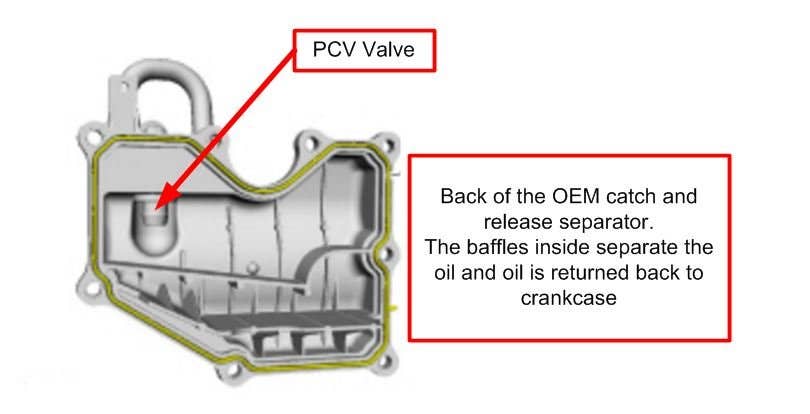
Have you ever wondered where the crankcase ventilation system is located in your vehicle? Knowing this can help you understand how your engine stays clean and runs smoothly.
If you’ve noticed strange smells or a drop in performance, your crankcase ventilation system might be the key. You’ll discover exactly where this important part lives and why it matters for your car’s health. Keep reading to unlock the secrets behind your engine’s breathing system and learn how to keep it working at its best.
Credit: www.clubfrontier.org
Crankcase Ventilation Basics
The crankcase ventilation system plays a crucial role in keeping your engine clean and running smoothly. Understanding its basics helps you spot issues early and maintain your vehicle better. Let’s break down what this system does and what parts make it work.
Purpose Of The System
The main job of the crankcase ventilation system is to remove harmful gases from inside the engine. These gases build up as fuel burns and can damage engine parts if not vented properly.
By redirecting these gases back into the engine to be burned again, the system reduces pollution and improves engine efficiency. Have you ever wondered why your car’s emissions test depends so much on this system?
Key Components
The system mainly consists of a few simple but essential parts:
- PCV Valve (Positive Crankcase Ventilation Valve):Controls the flow of gases from the crankcase to the intake manifold.
- Hoses and Tubes:Connect the PCV valve to the crankcase and intake manifold, ensuring smooth gas flow.
- Air Filter:Keeps dirt from entering the crankcase through the ventilation system.
From personal experience, a clogged PCV valve can cause rough idling and increased oil consumption. Have you checked your PCV valve recently? It’s a small part that makes a big difference.
Credit: www.smartcarofamerica.com
Typical Locations In Vehicles
The crankcase ventilation system plays a crucial role in maintaining your engine’s health by managing gases inside the crankcase. Knowing where this system is typically located can help you identify issues faster or perform routine checks yourself. Let’s look at the common spots you’ll find these ventilation components in most vehicles.
Engine Block Area
The crankcase ventilation system often connects directly to the engine block. This location allows it to capture blow-by gases that escape past the piston rings during combustion. You might notice hoses or tubes attached to the block, guiding these gases towards the ventilation system.
Have you ever checked under your hood and spotted a small hose near the engine block? That’s likely part of this system working silently to keep pressure balanced inside your engine.
Near The Valve Cover
The valve cover area is another common spot for the crankcase ventilation system components. Since the valve cover seals the top of the engine, gases accumulating here need to be vented efficiently. You’ll often find a PCV (Positive Crankcase Ventilation) valve attached to or near the valve cover.
In my experience, a stuck PCV valve around the valve cover can cause rough engine idle or increased oil consumption. Checking this location regularly can save you from unexpected engine trouble.
Connection To Intake Manifold
The ventilation system usually routes the crankcase gases back into the intake manifold. This setup helps the engine burn off these gases instead of releasing them into the environment. Look for hoses running from the valve cover or engine block heading towards the intake manifold area.
Do you know that a blocked or disconnected hose here can trigger engine warning lights? Ensuring these connections are intact keeps your engine running smoothly and emissions low.
Variations By Engine Type
The crankcase ventilation system varies depending on the engine type. Its location and design change to fit different engine needs. Understanding these differences helps in maintenance and troubleshooting.
Gasoline Engines
In gasoline engines, the crankcase ventilation system is usually near the valve cover. It connects to the intake manifold or throttle body. This placement helps redirect gases back into the engine for burning. The system often includes a PCV (Positive Crankcase Ventilation) valve. This valve controls the flow of gases to prevent pressure build-up. The setup is compact and easy to access for repairs.
Diesel Engines
Diesel engines have a different design for crankcase ventilation. The system is often located near the turbocharger or air intake. Diesel engines produce more blow-by gases, so the system is larger and more robust. It uses a combination of filters and separators to clean the gases. The cleaned gases usually return to the air intake system. This reduces emissions and protects engine components.
Signs Of A Faulty Ventilation System
Recognizing signs of a faulty crankcase ventilation system helps prevent engine damage. Problems often start small and grow worse over time. Early detection saves money and avoids costly repairs. Below are common symptoms and potential risks linked to a bad ventilation system.
Common Symptoms
- Engine runs rough or stalls unexpectedly
- Oil leaks or increased oil consumption
- Check engine light turns on
- Strong fuel smell inside or outside the car
- Black smoke from the exhaust pipe
- Reduced fuel efficiency or power loss
- Hissing or whistling noises near the engine
Potential Risks
A faulty ventilation system can cause serious engine damage. Pressure builds up inside the crankcase, leading to oil seal leaks. Contaminants and moisture accumulate, harming engine parts. Poor ventilation increases harmful emissions from the vehicle. Over time, it can cause costly repairs or engine failure. Fixing issues early protects your engine’s health and performance.
Accessing The System For Maintenance
The crankcase ventilation system is usually found near the engine’s valve cover. Accessing it for maintenance involves removing engine covers or hoses to reach the ventilation components easily. This location helps control engine gases and keeps the system working well.
Accessing the crankcase ventilation system for maintenance might seem like a daunting task, but with a little guidance, you can do it effortlessly. Ensuring your system is clean and functioning properly is crucial for your vehicle’s health. Regular maintenance can prevent costly repairs down the road, so let’s dive into how you can access this essential component with ease.Tools Needed
Before starting, gather the necessary tools. Having everything on hand will make the process smoother. – Wrench Set: Different sizes may be required to remove bolts. – Screwdriver Set: Both flathead and Phillips for various fasteners. – Pliers: Handy for gripping and removing hoses. – Flashlight: Essential for seeing into dark and tight spaces. – Gloves: Protect your hands from grease and grime.Step-by-step Location Tips
Locating the crankcase ventilation system is the first step in your maintenance journey. Here’s how to find it: – Consult Your Manual: Your vehicle’s manual is a treasure trove of information. It often contains diagrams showing the exact location of the crankcase ventilation system. – Follow the Hoses: Look under the hood and find the hoses leading from the engine block. These often connect to the crankcase ventilation system. – Check Near the Valve Cover: The system is commonly located near the valve cover. This area is where the ventilation hoses connect to help with pressure release. – Look for a Small Box or Cylinder: The crankcase ventilation system might appear as a small box or cylinder attached to the engine. This is where the magic happens! Have you ever thought about why keeping this system clean is crucial? A clogged ventilation system can lead to increased oil consumption and even engine damage. By accessing and maintaining your crankcase ventilation system, you’re not only ensuring a smoother ride but also extending the life of your vehicle. So why not give it a go and see how much you can learn about your car in the process?
Credit: charm.li
Upgrades And Modifications
Upgrading or modifying your crankcase ventilation system can significantly impact your vehicle’s performance and longevity. Many car enthusiasts overlook this system, but small changes here can lead to cleaner engine operation and better efficiency. Understanding your options and their benefits can help you make informed decisions that suit your driving style and vehicle needs.
Aftermarket Options
Aftermarket crankcase ventilation parts come in a variety of designs and materials. You can find oil catch cans, upgraded PCV valves, and performance breather kits that replace the stock components. These parts often offer better filtration and durability compared to factory-installed systems.
Choosing the right aftermarket part depends on your vehicle’s make and how you use it. For example, if you frequently drive in dusty or high-performance conditions, a catch can with a fine mesh filter can prevent oil and contaminants from re-entering your intake. Have you checked if your current system allows for easy upgrades, or does it require modifications?
Performance Benefits
Upgrading your crankcase ventilation system can reduce oil contamination inside the engine, which helps maintain cleaner intake valves and combustion chambers. This leads to improved engine efficiency and can even extend the time between oil changes.
Many drivers notice smoother idle and better throttle response after installing enhanced ventilation parts. Less oil vapor in the intake means fewer deposits on critical engine components. Are you curious how much a cleaner combustion process could improve your vehicle’s fuel economy?
Frequently Asked Questions
Where Is The Crankcase Ventilation System Located?
The crankcase ventilation system is usually found on the engine’s valve cover or near the intake manifold. It connects the crankcase to the intake system, allowing gases to recirculate and reduce emissions.
How To Identify The Crankcase Ventilation System Location?
Look for hoses running from the engine’s valve cover to the intake manifold. These hoses form part of the crankcase ventilation system, helping control engine pressure and emissions.
Why Is The Crankcase Ventilation System Placement Important?
Proper placement ensures efficient gas recirculation and emission control. It prevents pressure buildup inside the engine, protecting seals and improving engine performance.
Can A Faulty Location Affect The Ventilation System?
Yes, incorrect placement or damaged hoses can cause poor ventilation, increased emissions, and engine performance issues. Regular inspection ensures the system works correctly.
Conclusion
The crankcase ventilation system sits near the engine block or valve cover. It helps keep harmful gases from building inside the engine. This system moves gases back to the intake, where they burn safely. Knowing its location helps you spot problems early.
Regular checks keep your engine running smooth and clean. Understanding this part improves your car care skills. Keep an eye on it during maintenance. It plays a small but important role in engine health.



