

Have you ever wondered if a ventilator and life support are the same thing? It’s easy to get confused because both terms often come up in serious medical situations.
But understanding the difference could help you feel more in control when making tough decisions for yourself or a loved one. You’ll discover exactly what a ventilator does, how it fits into life support, and why knowing this matters more than you might think.
Keep reading—this clarity could make all the difference when it counts the most.
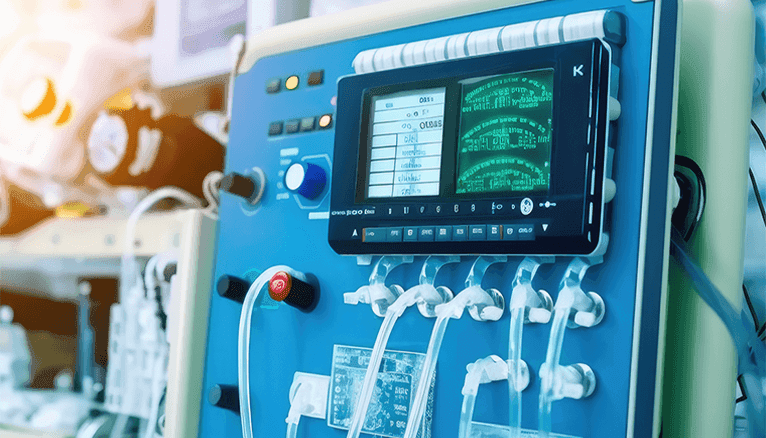
Credit: www.apexhospitals.com
Ventilator Basics
Understanding the basics of a ventilator is key when discussing whether it’s the same as life support. A ventilator is a medical device designed to assist or take over breathing for someone who cannot breathe adequately on their own. It’s a powerful tool but knowing what it actually does helps clear up common misconceptions.
What A Ventilator Does
A ventilator helps move air in and out of the lungs. It ensures your body gets enough oxygen and removes carbon dioxide, which is vital for survival. Unlike what many believe, a ventilator does not cure illnesses; it supports your breathing while your body fights the underlying problem.
Think of it this way: if your lungs are weak or damaged, the ventilator steps in to do the hard work. This support can last hours, days, or even weeks depending on your condition.
Types Of Ventilators
Ventilators come in different forms, tailored to the needs of the patient. Some common types include:
- Invasive Ventilators:These use a tube inserted into your airway to assist breathing directly.
- Non-invasive Ventilators:These use masks or similar devices to help you breathe without tubes.
- Portable Ventilators:Smaller devices that provide breathing support outside of hospital settings.
Each type has its own role. The choice depends on your health status and the severity of respiratory issues.
When Ventilators Are Used
Ventilators are used when your lungs can’t provide enough oxygen or remove carbon dioxide effectively. Situations might include severe pneumonia, respiratory failure, or during surgeries requiring general anesthesia.
Have you ever wondered what happens if you suddenly can’t breathe on your own? This is exactly when a ventilator becomes a lifesaver, stepping in to maintain essential breathing functions.
Doctors carefully monitor your condition to decide when to start or stop ventilator support, ensuring it’s used only when necessary and for the right duration.
Life Support Systems
Life support systems are medical tools that help keep a person alive. They assist with vital body functions that may stop working due to illness or injury. These systems are more than just machines. They provide critical care to patients in serious conditions. Understanding life support helps clarify if a ventilator alone can be called life support.
Components Of Life Support
- Ventilators help patients breathe by moving air in and out of the lungs.
- Heart monitors track the patient’s heartbeat and rhythm continuously.
- Intravenous (IV) lines deliver fluids, medications, and nutrients directly into the bloodstream.
- Dialysis machines support kidney function by filtering waste from the blood.
- Feeding tubes provide nutrition when patients cannot eat by mouth.
- Oxygen therapy increases oxygen levels in the blood for patients with lung problems.
How Life Support Works
Life support replaces or helps failing body functions. Machines work together to keep the body stable. They maintain breathing, heart function, and other critical needs. The care team monitors the patient closely to adjust treatments. Life support buys time for recovery or further treatment options.
Situations Requiring Life Support
- Severe lung diseases like pneumonia or COVID-19 causing breathing failure.
- Heart attacks or heart failure that reduce blood flow to organs.
- Traumatic injuries that impair breathing or circulation.
- Serious infections leading to organ failure.
- During major surgeries needing temporary organ support.
Comparing Ventilators And Life Support
Understanding the difference between a ventilator and life support is crucial, especially when making healthcare decisions or supporting a loved one. While these terms are often used interchangeably, they refer to distinct concepts in medical care. Let’s compare ventilators and life support to clear up any confusion and help you grasp their roles.
Similarities Between Them
Both ventilators and life support systems aim to sustain a patient’s vital functions when the body cannot do so alone. They are commonly used in critical care settings, such as intensive care units (ICUs), to maintain breathing and organ function.
Each involves medical technology that supports or replaces essential body processes temporarily. Both require skilled healthcare professionals to monitor and adjust the treatment, ensuring safety and effectiveness.
Key Differences
A ventilator is a specific machine designed to assist or fully take over breathing by moving air in and out of the lungs. Life support is a broader term that includes ventilators but also covers other systems like heart-lung machines, dialysis, and artificial nutrition.
Life support may involve multiple devices and treatments working together to keep the body functioning. Ventilators focus solely on respiratory support and do not address other organ functions.
Role Of Ventilators Within Life Support
Think of a ventilator as one tool in the life support toolbox. Its main role is to ensure oxygen reaches the bloodstream and carbon dioxide is removed, which is vital for survival.
In many life support scenarios, the ventilator is the cornerstone of respiratory management. Without it, other life support components may not function properly, since oxygen delivery is fundamental to all body systems.
Have you ever wondered what happens when breathing stops? Ventilators step in to fill that gap, highlighting their critical place within the larger life support framework.
Medical Context And Usage
Understanding the difference between a ventilator and life support starts with looking at their medical context and usage. Both play critical roles in patient care, but they serve distinct functions depending on the severity and type of illness. Knowing how and when each is used can help you better grasp medical decisions during critical health situations.
Decision Factors For Ventilator Use
Ventilators assist patients who cannot breathe adequately on their own. Doctors consider factors like lung function, oxygen levels, and the patient’s ability to maintain airway clearance before deciding to use a ventilator.
For example, a patient with pneumonia might need a ventilator temporarily until their lungs heal. The decision also depends on the patient’s overall health, prognosis, and whether less invasive methods have failed.
Life Support In Critical Care
Life support refers to a broader set of interventions that sustain vital functions. It includes ventilators but also other systems like dialysis machines, feeding tubes, and heart-lung machines.
In an intensive care unit, life support might be necessary for patients with multi-organ failure or severe trauma. It’s about keeping essential body functions going when they can’t operate independently.
Ethical Considerations
Using a ventilator or life support raises important ethical questions. You might wonder when it’s appropriate to start or stop these treatments, especially if recovery chances are slim.
Doctors, patients, and families often face tough choices balancing quality of life, chances of recovery, and the burden of treatment. Have you ever thought about how you would decide in such a situation?
Patient Experience And Outcomes
A ventilator helps patients breathe by moving air in and out of the lungs. Life support includes many machines, with ventilators being one part. Understanding this difference improves patient care and communication.
Understanding the patient experience and outcomes when it comes to ventilators and life support is crucial. Ventilators are often seen as life-saving devices, but the experience can be overwhelming for patients and their families. The outcomes can vary significantly, influencing recovery, quality of life, and the emotional well-being of everyone involved.Impact Of Ventilators On Recovery
Ventilators can significantly impact the recovery process. For some, they provide the critical support needed to heal and regain strength. However, being on a ventilator can also be physically and emotionally taxing. Patients may experience discomfort or anxiety due to the tubes and machines. It’s essential to weigh the benefits against these challenges. Have you or a loved one faced similar concerns during recovery?Life Support And Quality Of Life
Life support systems, including ventilators, play a vital role in maintaining bodily functions. Yet, they can also affect a patient’s quality of life. While they sustain life, they may limit a person’s ability to communicate or move freely. Balancing medical necessity with quality of life is a delicate act. What would you prioritize if faced with this decision?Family And Caregiver Perspectives
The experience of having a loved one on life support is deeply personal for families and caregivers. It involves emotional stress, difficult decisions, and continuous care. Many caregivers find themselves in a whirlwind of emotions, from hope to fear. Support from healthcare professionals can be invaluable during this time. How do you support someone going through such an experience? Understanding these aspects helps in making informed decisions about ventilators and life support. Engaging with healthcare providers and discussing these topics can lead to better outcomes for patients and their families.
Credit: longcaremed.en.made-in-china.com

Credit: www.news18.com
Frequently Asked Questions
What Is The Difference Between A Ventilator And Life Support?
A ventilator is a machine that helps a patient breathe. Life support includes ventilators and other systems supporting vital functions. Ventilators assist breathing, while life support covers broader medical interventions to sustain life.
Can A Ventilator Be Considered Full Life Support?
No, a ventilator alone is not full life support. Life support can involve multiple devices supporting heart, kidneys, and other organs. Ventilators specifically aid respiratory function only.
When Is Life Support Required Instead Of Just A Ventilator?
Life support is needed when multiple organs fail or require assistance. A ventilator is used mainly for respiratory failure. Life support manages complex conditions needing several medical machines.
Does A Ventilator Keep Patients Alive Without Other Treatments?
A ventilator assists breathing but doesn’t cure underlying conditions. Additional treatments and monitoring are essential to support patient recovery. It helps maintain oxygen levels, buying time for healing.
Conclusion
A ventilator helps a person breathe when they cannot do it alone. Life support includes machines like ventilators but covers more treatments. Not all life support involves a ventilator. Knowing the difference helps in understanding medical care better. Doctors decide which help a patient needs.
This choice depends on the illness and patient’s condition. Always ask questions if you feel unsure. Clear information makes tough times easier to handle.



