
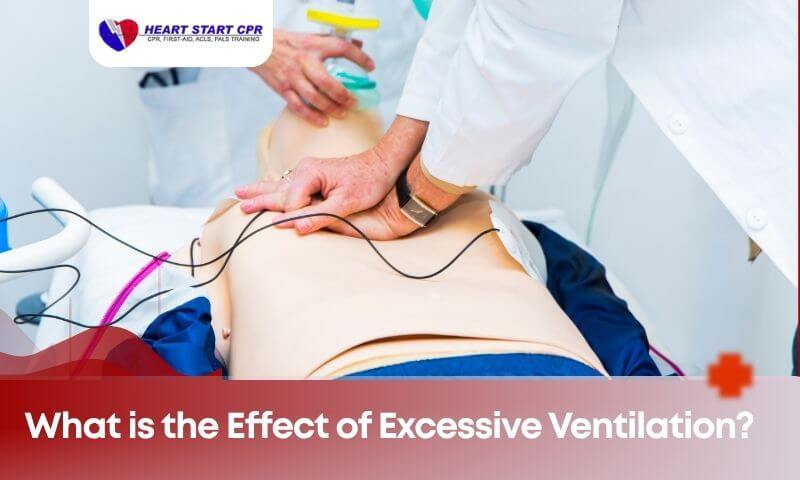
When someone needs CPR, every second counts—and how you perform it can make all the difference. But did you know that giving too many breaths during CPR might actually cause harm?
If you’re someone who wants to be prepared to help in an emergency, understanding this crucial detail can save lives. Keep reading to discover why excessive ventilation during CPR isn’t just unnecessary—it can be dangerous for the person you’re trying to save.
Knowing this could change how you respond when it matters most.

Credit: www.dieseltherapyacademy.com
Role Of Ventilation In Cpr
Ventilation plays a vital role during CPR. It helps deliver oxygen to the lungs. Oxygen is essential for the body’s cells to survive. Without enough oxygen, brain damage or death can occur quickly. Effective ventilation supports the heart and brain during cardiac arrest. Yet, too much ventilation can cause harm. Understanding the proper role of ventilation helps improve CPR outcomes.
Purpose Of Ventilation
Ventilation during CPR supplies oxygen to the lungs. It removes carbon dioxide from the body. The goal is to keep oxygen levels stable. This supports vital organs like the brain and heart. Ventilation also helps maintain normal blood flow. Without it, cells begin to die from lack of oxygen.
Delivering breaths allows oxygen to reach the bloodstream. This keeps the body alive until normal heart function returns. Ventilation works together with chest compressions. Compressions pump blood, while breaths add oxygen.
Standard Ventilation Guidelines
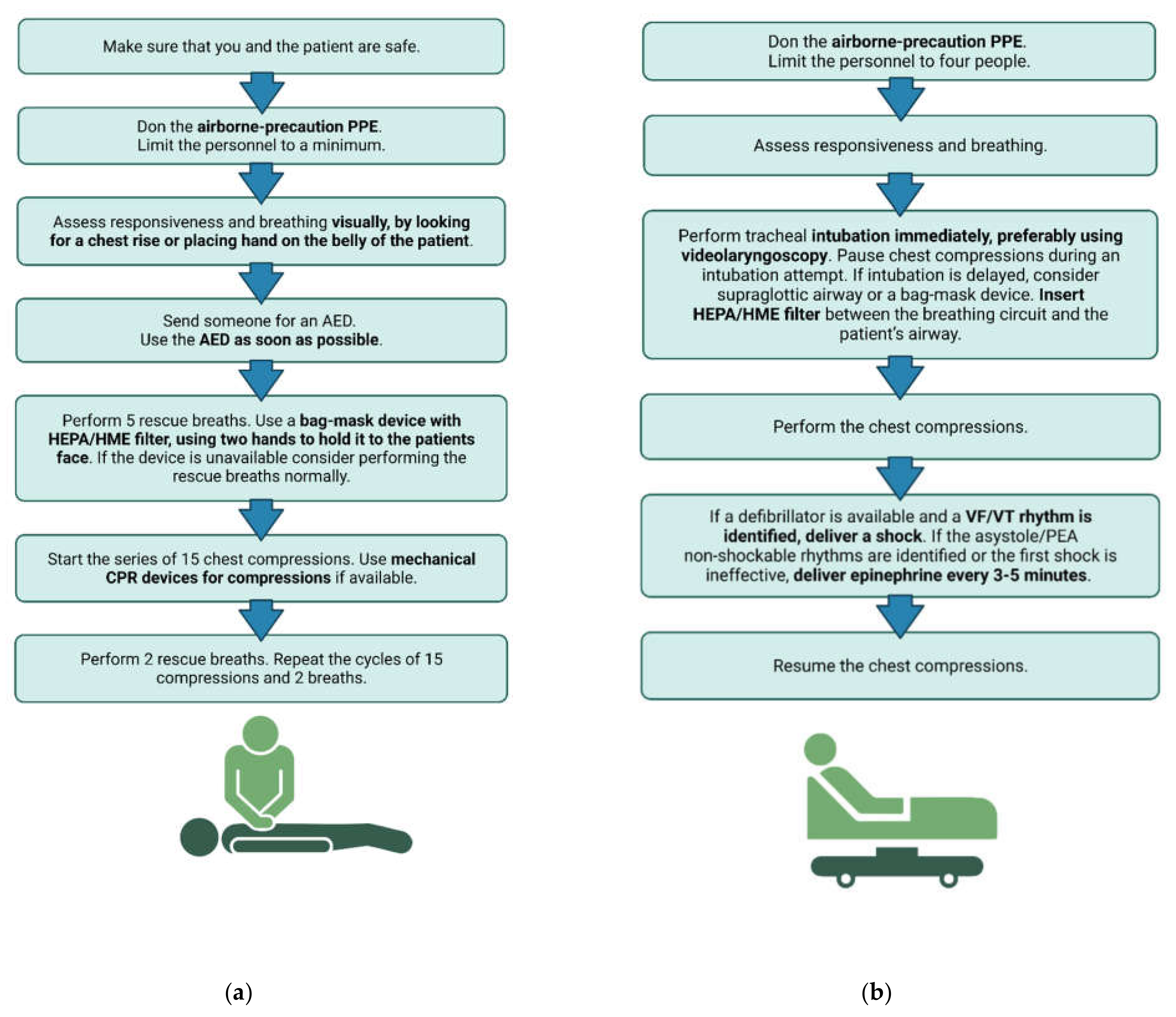
Proper ventilation follows specific guidelines to avoid harm. The recommended rate is about 10 breaths per minute. Each breath should last about one second. Breaths should cause the chest to rise visibly.
- Avoid rapid or forceful breaths.
- Do not overinflate the lungs.
- Allow time for chest recoil between breaths.
Excessive ventilation increases pressure in the chest. This can reduce blood flow back to the heart. It also may cause air to enter the stomach, causing vomiting. Following standard guidelines helps keep ventilation safe and effective.

Credit: aneskey.com
Mechanics Of Excessive Ventilation
Excessive ventilation during CPR changes how the chest and lungs work. It affects the pressure inside the chest and the flow of blood. Understanding these effects helps explain why too much breathing can harm a patient.
Increased Intrathoracic Pressure
Breathing too fast or too hard raises pressure inside the chest. This pressure squeezes the heart and large blood vessels. The heart struggles to fill with blood between compressions. Less blood enters the heart, lowering the amount pumped out.
Higher pressure also makes it harder for blood to return to the heart. Veins in the chest get compressed. This reduces the blood flow back to the heart. The heart has less blood to send to the body and brain.
Impact On Blood Flow
High intrathoracic pressure lowers blood flow during CPR. The heart pumps less blood with each compression. Organs, especially the brain, get less oxygen-rich blood. This reduces the chance of survival and brain recovery.
Excessive ventilation can also cause stomach swelling. Air enters the stomach instead of the lungs. This pushes the diaphragm up, further reducing chest space. Blood flow to vital organs drops even more.
Cardiac Risks From Overventilation
Excessive ventilation during CPR can harm the heart. It interferes with the heart’s ability to receive blood and pump effectively. Understanding these cardiac risks is vital for effective CPR. Overventilation can reduce blood flow and weaken the heart’s output, lowering survival chances.
Reduced Coronary Perfusion
Coronary perfusion means blood flow to the heart muscle. Excessive ventilation raises pressure inside the chest. This pressure squeezes the heart’s blood vessels, reducing blood flow. The heart muscle gets less oxygen and nutrients. This weakens the heart and slows recovery.
Decreased Cardiac Output
Cardiac output is the amount of blood the heart pumps. Overventilation causes high pressure in the chest. This pressure limits the heart’s ability to fill with blood. Less blood enters the heart, so less blood is pumped out. The body’s organs receive less oxygen-rich blood. This reduces the chance of survival after cardiac arrest.
Respiratory Consequences
Excessive ventilation during CPR affects the lungs in serious ways. Breathing too fast or too hard causes problems inside the chest. These respiratory consequences can reduce CPR effectiveness and harm the patient. Understanding these effects helps improve CPR quality and patient safety.
Lung Overdistension
Lung overdistension happens when too much air enters the lungs. This extra air stretches the lung tissues beyond normal limits. Overdistended lungs can lose their ability to exchange oxygen properly. The risk of lung damage rises with repeated excessive breaths. This condition also raises pressure inside the chest, which can lower blood flow to the heart.
Potential For Barotrauma
Barotrauma means injury caused by high pressure in the lungs. Excessive ventilation increases the pressure inside the airways. This pressure can cause small air sacs to burst or leak. Air may escape into the chest cavity or under the skin. Such damage leads to pain and breathing difficulties. Barotrauma can complicate CPR and delay recovery.
Neurological Implications
Excessive ventilation during CPR can impact neurological health. Understanding its effects helps improve outcomes. The brain is sensitive to changes in oxygen and blood flow. Too much ventilation can disrupt this balance, leading to potential harm. Exploring the neurological implications sheds light on why careful ventilation matters.
Effect On Cerebral Perfusion
Excessive ventilation reduces carbon dioxide levels in the blood. This can cause blood vessels in the brain to constrict. Constricted vessels lead to reduced cerebral perfusion. Lower blood flow means less oxygen reaches brain cells. Oxygen deprivation can impair brain function and recovery.
Risk Of Brain Injury
Excessive ventilation increases pressure in the chest. This can reduce blood return to the heart. As a result, less blood is pumped to the brain. The brain becomes more vulnerable to injury. Prolonged oxygen imbalance can lead to long-term damage.
Guidelines To Prevent Overventilation
Excessive ventilation during CPR can reduce its effectiveness and cause harm. Proper guidelines help maintain the right balance of air delivery. Following these guidelines protects the patient and improves survival chances.
Recommended Ventilation Rates
Deliver breaths at a controlled pace. For adults, give 10 breaths per minute. For children and infants, provide 12 to 20 breaths per minute. Avoid fast or forceful breaths.
Each breath should last about one second. Watch for chest rise to confirm effective ventilation. Pause between breaths to allow air to exit the lungs.
Techniques For Controlled Breathing
- Use a barrier device like a mask to control airflow.
- Give slow, steady breaths to prevent lung damage.
- Watch the patient’s chest to avoid overinflation.
- Coordinate breaths with chest compressions smoothly.
- Practice proper hand placement for better control.
Controlled breathing reduces the risk of air entering the stomach. This lowers chances of vomiting and aspiration. Focus on calm, measured breaths to support circulation efficiently.
Training And Monitoring
Training and monitoring play a crucial role in preventing excessive ventilation during CPR. Without proper education and real-time feedback, rescuers might unintentionally cause harm by delivering too many breaths or too much volume. Understanding how to control ventilation can save lives and avoid complications.
Importance Of Rescuer Education
Many rescuers think giving more breaths is better, but that’s not true. Over-ventilating can increase pressure in the chest, reducing blood flow to the heart and brain. Training teaches you the right rate and depth of breaths, helping you avoid these risks.
Personal experience shows that even trained professionals sometimes struggle with ventilation control under pressure. This highlights the need for continuous practice and clear guidelines. Ask yourself: Are you confident in your ability to keep ventilation within safe limits?
Use Of Feedback Devices
Feedback devices provide immediate information about how well you are performing CPR. They can alert you if you are giving too many breaths or too much air. This real-time monitoring helps adjust your technique to protect the patient.
Devices like ventilation sensors and metronomes guide rescuers to maintain correct ventilation rates and volumes. They turn guesswork into precise action, reducing the chances of harmful over-ventilation. Imagine how much safer CPR would be if every rescuer had access to this kind of feedback.
Credit: www.mdpi.com
Frequently Asked Questions
What Is Excessive Ventilation During Cpr?
Excessive ventilation means giving too many breaths too quickly during CPR. It can cause high pressure in the chest, reducing blood flow to the heart and brain.
How Does Excessive Ventilation Harm Cpr Effectiveness?
Too much ventilation increases chest pressure, lowering the heart’s ability to pump blood. This reduces oxygen delivery and decreases CPR success rates.
Can Excessive Ventilation Cause Lung Injury?
Yes, excessive ventilation can overinflate the lungs, causing damage like lung rupture or pneumothorax. Proper breath volume is crucial to prevent injury.
Why Is Timing Important In Ventilation During Cpr?
Correct timing ensures adequate oxygen without disrupting chest compressions. Over-ventilating interrupts blood flow and reduces chances of survival.
Conclusion
Excessive ventilation during CPR can cause serious harm. It may reduce blood flow to the heart and brain. This lowers the chance of survival and recovery. Proper breathing rate helps keep the body stable. Rescuers should focus on quality chest compressions and gentle breaths.
Avoiding too much air keeps pressure balanced in the chest. Every breath counts, but too many can hurt more than help. Learning the right CPR technique saves lives and prevents injury. Remember, less is often more when giving rescue breaths.



