
If you want to keep your home comfortable all year round, understanding HVAC is a must. You might think HVAC is just about heating and cooling, but there’s much more to it.
Knowing how it works can save you money, improve your air quality, and prevent costly repairs. You’ll discover everything you need to know about HVAC systems—why they matter, how to choose the right one, and simple tips to keep yours running smoothly.
Ready to take control of your comfort? Let’s dive in.
Credit: www.lennox.com
Hvac Basics
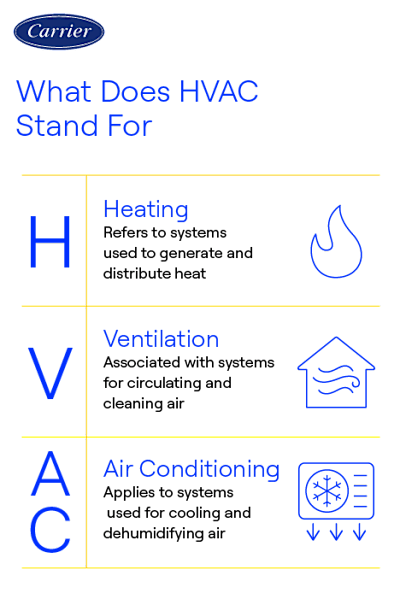
Understanding the basics of HVAC is essential if you want to keep your home comfortable all year round. HVAC stands for Heating, Ventilation, and Air Conditioning, and these systems work together to control the temperature and air quality inside your space.
Knowing how these systems function and the different types available can help you make better decisions about installation, maintenance, or upgrades. Have you ever wondered what happens behind the walls when you adjust your thermostat? Let’s break it down.
How Hvac Systems Work
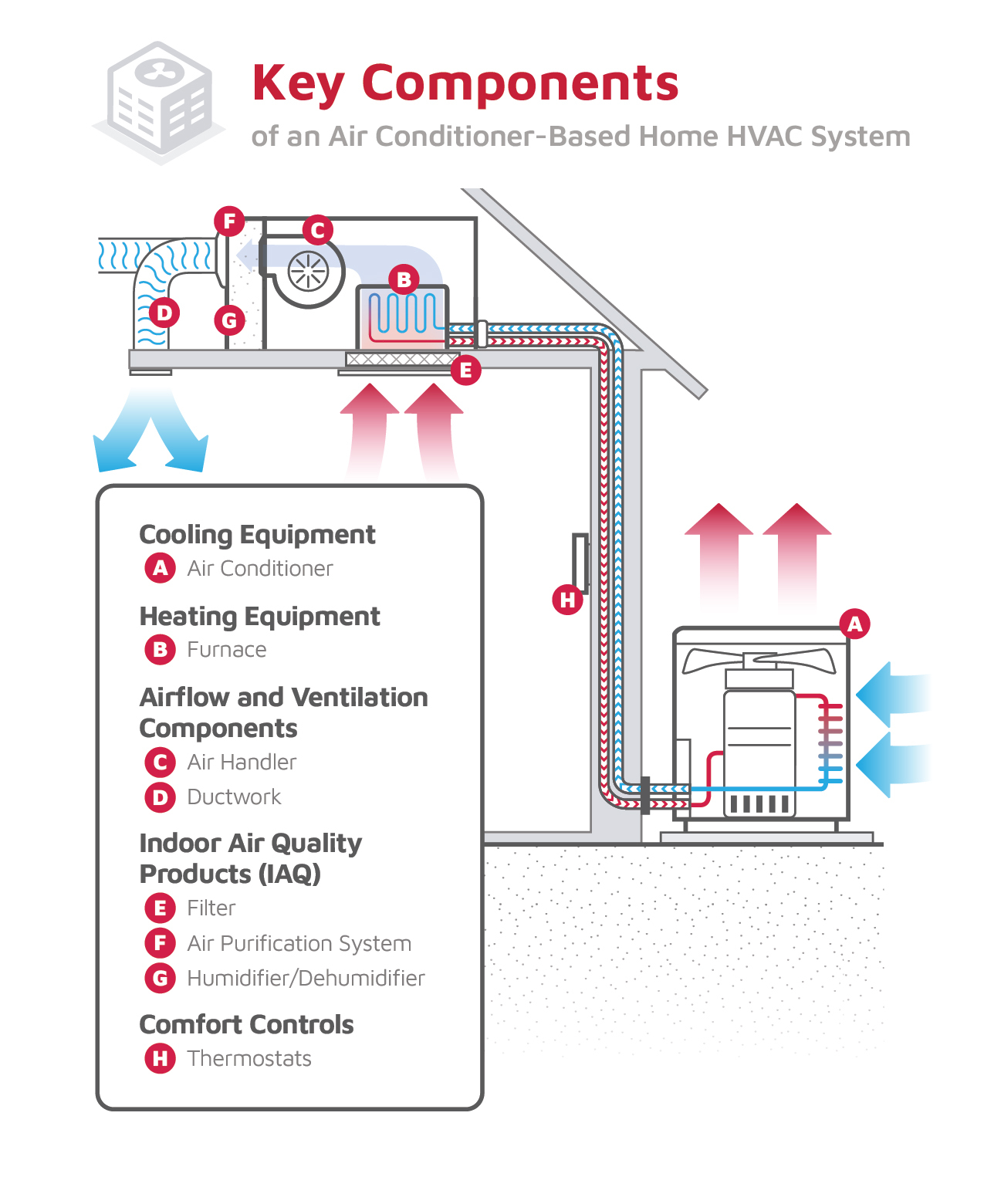
HVAC systems regulate your home’s temperature by heating or cooling the air and circulating it through ducts. The heating part usually involves a furnace or heat pump that warms the air. For cooling, an air conditioner removes heat from inside your home and releases it outside.
Ventilation ensures fresh air comes in while stale air goes out, maintaining good indoor air quality. Fans and ducts play a big role in moving air throughout your rooms. Sensors and thermostats tell the system when to turn on or off, keeping your environment just right.
Types Of Hvac Systems
You might be surprised to learn there are several types of HVAC systems, each designed for different needs and home sizes. The most common types include:
- Split Systems:These have separate indoor and outdoor units, ideal for cooling and heating different areas efficiently.
- Packaged Systems:Everything is housed in one outdoor unit, saving indoor space and simplifying installation.
- Ductless Mini-Split Systems:Perfect for homes without ducts, these allow you to control temperatures in individual rooms.
- Hybrid Systems:These switch between electricity and gas to optimize energy use and cost savings.
Choosing the right type depends on your home layout, budget, and energy goals. What’s your priority when it comes to comfort and efficiency?
Credit: www.carrier.com
Choosing The Right System
Choosing the right HVAC system for your home or business can feel overwhelming. The market offers many options, each with its own benefits and limitations. Understanding what matters most to your situation will help you make a choice that fits your comfort needs and budget.
Factors To Consider
Start by thinking about the size of your space. A system that’s too small won’t heat or cool effectively, while one that’s too large wastes energy and money.
Next, consider your climate. Some systems perform better in hot, humid environments, while others excel in colder regions. Your budget also plays a key role—not just the upfront cost, but ongoing maintenance and repair expenses.
Noise levels might seem minor, but a loud unit can disrupt your daily life. Also, look at installation requirements and how easily the system integrates with your current setup.
Energy Efficiency Ratings
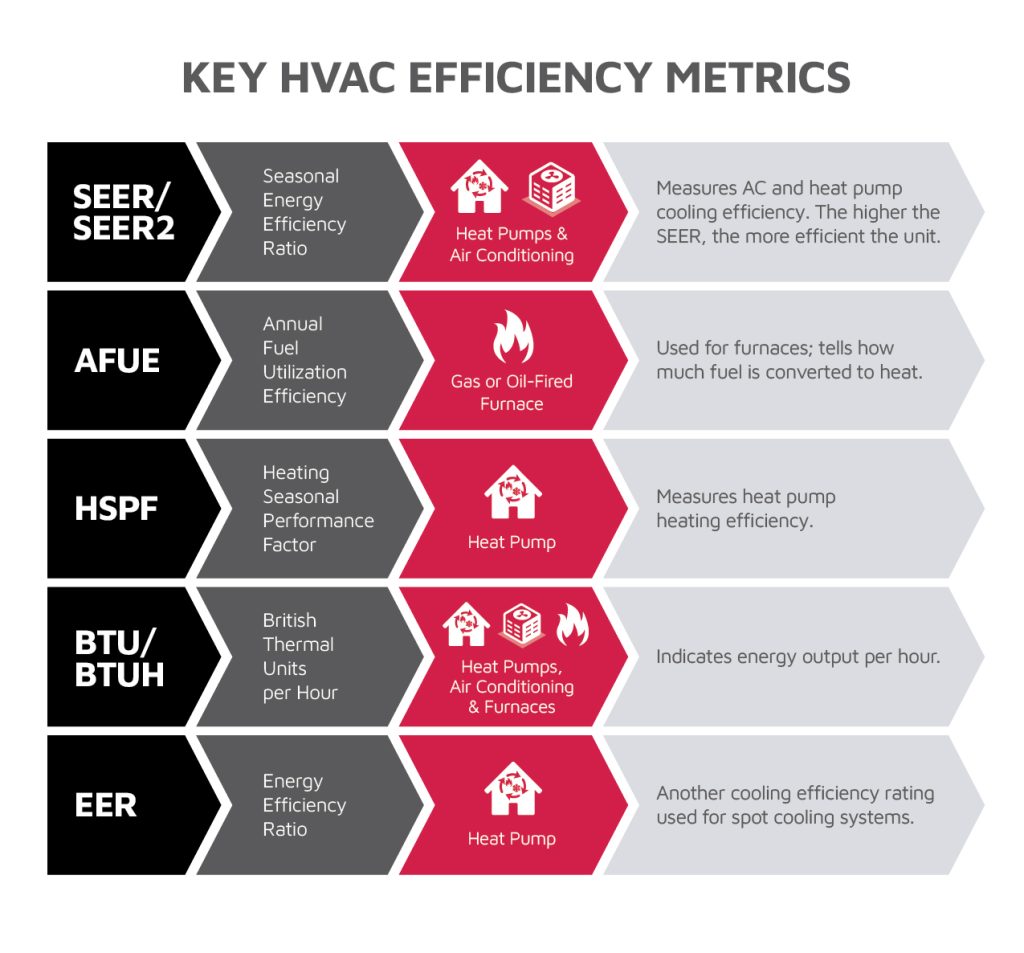
Energy efficiency can save you significant money over time. Check the Seasonal Energy Efficiency Ratio (SEER) for cooling and the Annual Fuel Utilization Efficiency (AFUE) for heating.
Higher ratings mean better efficiency, but they often come with higher upfront costs. Think about how long you plan to stay in your home—does the investment pay off over the years?
Don’t overlook energy rebates or tax incentives that might be available for high-efficiency systems. These can help offset the initial price and make an efficient model more affordable.
Installation Tips
Installing an HVAC system is more than just placing equipment and connecting pipes. It requires careful planning and skilled hands to ensure efficiency and longevity. Getting the installation right can save you from costly repairs and energy waste down the line.
Finding A Qualified Technician
Choosing the right technician is critical. Look for professionals with proper licensing and certifications like NATE (North American Technician Excellence). Don’t hesitate to ask about their experience with the specific HVAC brand and model you plan to install.
Check reviews and ask for references to learn about their reliability. A good technician will explain the installation process clearly and answer your questions without rushing. Remember, you want someone who values quality over speed.
Common Installation Mistakes
Many homeowners overlook simple yet costly mistakes during HVAC installation. One frequent error is improper sizing of the system. A unit too large or too small can cause uneven temperatures and higher energy bills.
Another common problem is poor ductwork design, which can lead to air leaks and reduced airflow. I once saw a system installed without sealing duct joints properly, resulting in a 20% efficiency loss. Don’t let this happen to you—ensure ducts are sealed tightly and insulated if needed.
Also, check that the thermostat is placed in a suitable location, away from heat sources or drafts. Small details like this affect how well your HVAC controls your home’s climate. What installation details will you double-check before the job begins?
Maintenance Essentials
Proper HVAC maintenance keeps your system running smoothly and saves money. Regular care prevents breakdowns and extends the unit’s life. Knowing the basics helps you avoid costly repairs and ensures comfort year-round.
Regular Cleaning And Inspection
Clean your HVAC system often to remove dust and dirt. Check vents, coils, and fans for blockages. Inspect electrical connections and mechanical parts for wear. A clean system works better and uses less energy.
Replacing Filters
Change filters every 1 to 3 months depending on use. Dirty filters reduce airflow and efficiency. Use the correct filter size and type. Clean filters improve air quality and system performance.
Seasonal Maintenance Tasks
- Test the thermostat before each season.
- Clear debris from outdoor units.
- Check refrigerant levels and recharge if needed.
- Inspect and clean drain lines to prevent clogs.
- Schedule professional tune-ups annually.
Troubleshooting Common Issues
Understanding HVAC troubleshooting can prevent common problems. Regular maintenance helps ensure efficient heating and cooling. Check filters and thermostats for optimal performance.
Troubleshooting common issues with your HVAC system is crucial to maintain its efficiency and extend its lifespan. Identifying and fixing problems promptly can also save you money on energy bills. Many issues arise from neglecting regular maintenance or ignoring unusual symptoms. By understanding common problems and their solutions, you can ensure your HVAC system operates smoothly.Unusual Noises
Unusual noises from your HVAC system can indicate various issues. A grinding or screeching sound often means worn-out or damaged parts. Check your system’s belts and pulleys for signs of wear. Replace them if necessary. A hissing sound may indicate refrigerant leaks or a faulty valve. Inspect your system’s connections and valves for any signs of damage.Poor Airflow
Poor airflow from your HVAC system can be caused by clogged air filters or dirty coils. Regularly clean or replace your air filters to improve airflow. Make sure your system’s coils are clean and free from debris. If airflow remains poor, check your ducts for blockages or damage. Consider hiring a professional to inspect and clean your ducts.Temperature Inconsistencies
Temperature inconsistencies in your HVAC system can be caused by various factors. Check your thermostat settings to ensure they are correct. Consider replacing your thermostat if it is old or malfunctioning. Inspect your system’s refrigerant levels to ensure they are adequate. Low refrigerant levels can cause temperature inconsistencies.Energy Saving Strategies
Saving energy with your HVAC system isn’t just about lowering bills—it’s about making your home more comfortable and reducing your environmental impact. Small changes can lead to noticeable savings and a better living space. Let’s look at practical strategies that put you in control of your energy use.
Smart Thermostats
Smart thermostats learn your schedule and adjust temperatures automatically, so your system runs only when needed. Imagine coming home to a perfectly warm or cool house without wasting energy during the day. Many models let you control settings from your phone, giving you flexibility even when you’re away.
Have you noticed how often you forget to adjust your thermostat? Smart devices handle that for you, preventing energy waste while keeping your comfort intact.
Proper Insulation
Insulation acts as a barrier that keeps the warm or cool air inside your home. Without it, your HVAC system works harder to maintain the temperature, leading to higher energy costs. Adding insulation in walls, attics, and floors can make a big difference in efficiency.
Think about how a poorly insulated window lets cold air in during winter. Sealing leaks and upgrading insulation are simple fixes that pay off quickly in comfort and savings.
Zoning Systems
Zoning allows you to heat or cool specific areas of your home independently. This means you don’t waste energy conditioning empty rooms. It’s especially useful in larger homes or spaces with varying temperature needs.
Have you ever wondered why some rooms feel too hot or too cold? A zoning system lets you fix that by giving each area its own climate control, making your HVAC system smarter and more efficient.
When To Replace Your Hvac
Knowing when to replace your HVAC system can save you money, energy, and stress. Many homeowners hold on to their units for too long, hoping they’ll keep running smoothly. But outdated equipment often leads to higher bills and more frequent repairs, so recognizing the right time to upgrade is crucial.
Signs Of Aging Equipment
Your HVAC system may be showing clear signs it’s time for a replacement. Listen for unusual noises like rattling or banging—these often indicate worn-out parts. If your system struggles to maintain a consistent temperature or if certain rooms stay too hot or cold, that’s another red flag.
Check your energy bills closely. A sudden spike without a change in usage usually means your HVAC is working harder than it should. Frequent breakdowns and repairs can also drain your wallet and patience.
Think about your system’s age. Most HVAC units last 10 to 15 years. If yours is older, it might be more cost-effective to replace it rather than patching it up repeatedly.
Cost Vs. Benefit Analysis
Replacing your HVAC isn’t cheap, so it’s important to weigh the costs against the benefits. Start by comparing repair expenses with the price of a new system. If you’ve spent more than half the cost of a new unit on repairs in the last year, replacement could be smarter.
Newer models are more energy-efficient, which can lower your monthly bills significantly. Consider how much you’ll save on energy over the next several years. Sometimes, these savings alone justify the upfront investment.
Don’t forget about comfort and air quality. Modern systems offer better humidity control and cleaner air, improving your home environment and health.
Ask yourself: How much value do you place on consistent comfort and fewer headaches from breakdowns? The right choice depends on your priorities and budget, but knowing the facts helps you make an informed decision.
Credit: www.conejoservices.com
Frequently Asked Questions
What Does Hvac Stand For And Include?
HVAC stands for Heating, Ventilation, and Air Conditioning. It includes systems that regulate indoor temperature, air quality, and humidity for comfort.
How Often Should Hvac Systems Be Serviced?
HVAC systems should be serviced at least once a year. Regular maintenance ensures efficiency, prevents breakdowns, and extends system lifespan.
What Are Common Hvac System Types?
Common HVAC types include split systems, packaged units, heat pumps, and ductless mini-splits. Each suits different building sizes and climate needs.
How Can I Improve Hvac Energy Efficiency?
Improving HVAC efficiency involves regular filter changes, sealing ducts, using programmable thermostats, and scheduling professional tune-ups to reduce energy costs.
Conclusion
Understanding HVAC basics helps keep your home comfortable year-round. Regular maintenance saves money and extends system life. Choose energy-efficient models to reduce bills and help the environment. Know when to repair or replace parts for best results. Clear knowledge leads to smarter decisions about heating and cooling.
Stay informed and enjoy a cozy, healthy living space. Simple steps make a big difference in comfort and cost. HVAC care matters more than many people realize.



