
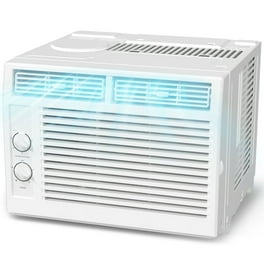
Have you ever wondered how your home stays cool and comfortable during the hottest days? The answer often lies in a device you might not fully understand yet: the mechanical air conditioner.
If you’re curious about what makes these machines tick and how they can transform your living space, you’re in the right place. By the end of this article, you’ll know exactly what a mechanical air conditioner is, how it works, and why it might be the perfect solution for your cooling needs.
Ready to discover the secret behind cool, refreshing air? Let’s dive in.
Mechanical Air Conditioner Basics
Understanding the basics of a mechanical air conditioner can help you make smarter choices about cooling your space efficiently. These systems rely on physical parts working together to move heat and cool the air, rather than just blowing air around. Knowing how they operate and what types are available lets you pick the best fit for your needs.
Core Components
A mechanical air conditioner mainly consists of four key parts:
- Compressor:This is the heart of the system, compressing refrigerant gas and raising its pressure.
- Condenser:Located outside, it releases heat from the refrigerant to the air.
- Expansion Valve:Controls the flow of refrigerant into the evaporator, reducing its pressure.
- Evaporator:Absorbs heat from indoor air, cooling it down.
Each component plays a critical role in moving heat out of your room. Without one, the system can’t cool effectively.
How It Works
Think of the process as a cycle that moves heat from inside your home to the outside.
The compressor squeezes the refrigerant, turning it into a hot, high-pressure gas. Then, the condenser cools this gas down into a liquid by releasing heat outside.
Next, the expansion valve lowers the pressure of this liquid refrigerant, making it cold. Finally, the evaporator absorbs heat from your indoor air, cooling your space before the cycle repeats.
Have you noticed how your air conditioner feels colder near the vents? That’s the evaporator working hard to pull heat out of the air you breathe.
Types Of Mechanical Air Conditioners
Mechanical air conditioners come in several types, each suited for different spaces and needs:
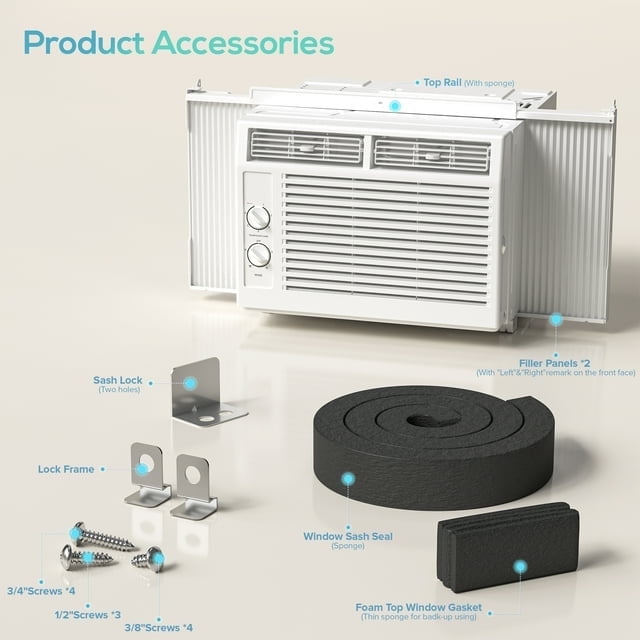
- Window Units:Compact and easy to install in a window, perfect for cooling a single room.
- Split Systems:Have two parts—one inside and one outside—offering quieter operation and better efficiency.
- Central Air Conditioners:Cool entire buildings through ductwork, ideal for larger homes or offices.
- Portable Units:Moveable and convenient, but often less powerful and less efficient.
Choosing the right type depends on your space, budget, and how much control you want over the cooling.

Credit: fireandairaz.com
Cooling Efficiency Factors
Cooling efficiency in a mechanical air conditioner depends on several key factors. These factors determine how well the unit cools a space and how much energy it uses. Understanding these elements helps in choosing and maintaining an efficient air conditioner.
Energy Consumption
Energy consumption affects both cooling performance and electricity bills. A mechanical air conditioner uses electrical power to run its compressor, fans, and other parts. Efficient models consume less energy while providing the same cooling effect. Lower energy use means less heat is wasted and more cooling power is delivered to the room.
Choosing units with good energy ratings can reduce costs and environmental impact. Regular maintenance also keeps energy use low by ensuring parts work smoothly.
Refrigerant Role
The refrigerant is the substance that absorbs and releases heat inside the air conditioner. It moves heat from indoors to outdoors. The type and condition of the refrigerant greatly affect cooling efficiency.
Modern refrigerants cool better and are more eco-friendly. Old or leaking refrigerants reduce the system’s ability to cool. Proper charging and handling of refrigerant keep the air conditioner working at its best.
Airflow Management
Airflow is vital for spreading cool air evenly in a room. Good airflow improves comfort and reduces energy waste. Blocked or dirty filters and vents limit airflow and force the system to work harder.
Regular cleaning and proper placement of vents help maintain steady airflow. Fans and blowers should operate smoothly to push cooled air effectively throughout the space.
Installation And Maintenance
Installing and maintaining a mechanical air conditioner ensures it works efficiently. Proper installation avoids future problems and keeps energy costs low. Regular care extends the unit’s life and improves air quality.
Proper Setup Tips
- Choose a flat, stable surface for the unit.
- Ensure enough clearance around the air conditioner for airflow.
- Connect electrical wiring according to the manufacturer’s instructions.
- Seal gaps around the unit to prevent air leaks.
- Test the unit after installation to confirm it cools properly.
Regular Maintenance Tasks
- Clean or replace air filters every 1-3 months.
- Check and clean condenser coils for dirt buildup.
- Inspect the drainage system to avoid water damage.
- Tighten electrical connections to prevent faults.
- Lubricate moving parts if required by the manual.
Troubleshooting Common Issues
- Unit not cooling: Check power supply and thermostat settings.
- Strange noises: Inspect fan blades and motor for damage.
- Water leaks: Clear clogged drainage or check sealant condition.
- Unit cycles on and off: Clean filters and check refrigerant levels.
- Weak airflow: Verify no blockages in vents or ducts.
Credit: www.walmart.com
Comparing Mechanical And Other Ac Systems
Understanding the differences between mechanical air conditioners and other AC systems can help you make a smarter choice for your cooling needs. Each type of air conditioner works differently, affecting everything from your energy bill to how well it cools your space. Let’s look closer at how mechanical ACs compare with electronic and other systems.
Mechanical Vs. Electronic Ac
Mechanical air conditioners rely on physical components like compressors and fans to cool the air. Electronic AC systems, on the other hand, use advanced technologies such as Peltier elements or ionizers for cooling without moving parts.
Mechanical units are often more robust and easier to repair because their parts are familiar to most technicians. Electronic ACs tend to be quieter and sometimes more compact but can be more sensitive to power fluctuations and may require specialized maintenance.
Cost And Efficiency Differences
Mechanical air conditioners usually have a lower upfront cost compared to electronic systems. However, they might consume more electricity due to mechanical moving parts.
Electronic ACs can be more energy-efficient in small spaces or specific applications but often come with a higher price tag. Think about your long-term electricity bills: would you prefer to save money now or over time?
Suitability For Various Environments
Mechanical ACs work well in larger areas and places with consistent power supply. They handle heat and humidity effectively, making them suitable for homes and offices.
Electronic ACs are great for small rooms, portable units, or environments where noise is a concern. However, they may struggle in very hot or humid climates.
What kind of space do you need to cool, and how stable is your electricity? The answers to these questions can guide your choice between mechanical and electronic air conditioning.
Advancements In Mechanical Ac Technology
Mechanical air conditioners use a compressor and refrigerant to cool air efficiently. Recent advancements improve energy use and cooling speed. These systems help keep indoor spaces comfortable with less power.
Advancements in Mechanical AC Technology Mechanical air conditioners have evolved significantly, offering features that not only enhance comfort but also increase efficiency. These advancements are driven by the need to meet modern demands for energy conservation, environmental sustainability, and user convenience. Let’s explore some of the key innovations shaping the future of mechanical AC technology.Energy-saving Innovations
Recent advancements have focused heavily on energy efficiency. Units now come equipped with variable speed compressors that adjust power usage based on cooling demand, reducing energy consumption. Imagine your electric bill dropping as your AC smartly cools your home only when necessary. Innovative designs like dual inverter technology further enhance efficiency. They ensure your AC operates smoothly, even in fluctuating temperatures. This means more savings for you and less strain on the power grid.Smart Controls Integration
Today’s mechanical air conditioners are smarter than ever. With Wi-Fi connectivity, you can control your AC from your smartphone, even when you’re miles away. Forgot to turn off the AC before leaving home? No problem! Just tap on your phone and you’re in control. Smart thermostats learn your cooling preferences and adjust settings automatically. This not only adds convenience but also ensures optimal energy use. Can you imagine a system that knows your ideal temperature and maintains it without you lifting a finger?Eco-friendly Refrigerants
The shift towards environmentally friendly refrigerants is another major advancement. Traditional refrigerants have been phased out in favor of options that have lower global warming potential. This change helps protect the ozone layer and reduces the carbon footprint of your cooling unit. Manufacturers are now using alternatives like R-32 or R-410A, which are less harmful to the environment. By choosing an AC with these refrigerants, you contribute to a healthier planet. Is your current AC as eco-friendly as it could be? By staying informed about these advancements, you can make smarter choices for your home and the environment. Technology continues to evolve, bringing new possibilities to your doorstep. Are you ready to embrace the future of cooling?
Credit: www.achrnews.com
Frequently Asked Questions
What Is A Mechanical Air Conditioner?
A mechanical air conditioner cools air using a compressor, condenser, and evaporator. It removes heat from indoor air and releases it outside, providing a comfortable indoor environment.
How Does A Mechanical Air Conditioner Work?
It circulates refrigerant through coils, absorbing indoor heat. The compressor compresses the refrigerant, which releases heat outside. Cool air is then blown indoors through vents.
What Are The Benefits Of Mechanical Air Conditioners?
They offer efficient cooling, improved air quality, and humidity control. Mechanical air conditioners are reliable, energy-efficient, and maintain comfortable indoor temperatures year-round.
Are Mechanical Air Conditioners Energy Efficient?
Yes, modern mechanical air conditioners use advanced technology to minimize energy consumption. They often include energy-saving modes and programmable thermostats to reduce electricity costs.
Conclusion
Mechanical air conditioners cool indoor spaces by moving heat outside. They use parts like compressors and fans to work well. These units help make homes and offices more comfortable. Choosing the right air conditioner depends on your space and needs.
Understanding how they work can save energy and money. Simple maintenance keeps them running longer and better. Mechanical air conditioners remain a common, effective way to beat the heat.



