
Are you curious about how much HVAC installers really make? Whether you’re thinking about starting a career in this field or just want to know if the paycheck matches the hard work, you’re in the right place.
Understanding the earning potential of HVAC installers can help you make smarter decisions about your future. You’ll discover key factors that affect pay, typical salary ranges, and tips to boost your income. Keep reading to find out what your wallet could look like in this in-demand trade.
Hvac Installer Salary Trends
Understanding HVAC installer salary trends can help you gauge whether this career path aligns with your financial goals. Salaries in this field vary widely based on location, experience, and the demand for skilled technicians. Let’s break down the current figures and what you might expect going forward.
Current Average Salaries
The average salary for HVAC installers in the U.S. typically falls between $40,000and $60,000per year. Entry-level installers often start closer to the lower end, earning around $30,000, while experienced technicians can make upwards of $70,000. Some regions, especially those with high living costs or strong demand, offer salaries well above these averages.
Have you checked what HVAC installers earn in your state? This might influence where you decide to work or train.
Projected Salary Growth
Salary growth for HVAC installers is expected to be steady, with an average increase of about 5% to 10%over the next decade. This growth is fueled by increasing construction activities and the need for energy-efficient systems. As more homes and businesses upgrade their HVAC units, skilled installers will be in higher demand.
Considering this, investing time in gaining specialized certifications or skills can position you to benefit from these salary increases.
Factors Influencing Pay
- Experience:More years on the job usually mean higher pay.
- Certifications:Holding EPA or NATE certifications can boost your salary.
- Location:Urban areas and states with extreme climates often pay more.
- Type of Employer:Working for large companies or government agencies can offer better compensation.
- Overtime and Bonuses:These can significantly increase your take-home pay.
Which of these factors can you control to increase your earning potential? Focusing on certifications or relocating might be options worth considering if salary is a top priority.

Credit: hookagency.com
Top Paying Locations
Knowing where HVAC installers earn the most can help you target your job search and negotiate better pay. Salaries vary widely depending on location due to factors like cost of living, demand, and local industry growth. Let’s look at where HVAC installers can expect to find the highest wages and what influences these differences.
Highest Salary States
Some states consistently offer top pay for HVAC installers. These include:
- Alaska:High demand combined with harsh weather conditions drives up wages.
- California:Large population and strong construction industry increase opportunities and pay.
- Massachusetts:Cold winters and tech-focused building designs create steady demand.
- Washington:Growing urban centers and energy-efficient building trends boost salaries.
If you’re open to relocation, these states might be worth considering for a higher paycheck.
City Salary Comparisons
Within states, cities show noticeable salary differences. For example, an HVAC installer in San Francisco can earn significantly more than one in rural California. Urban areas tend to have more construction projects, commercial buildings, and retrofit jobs, which pay better.
Compare these examples:
| City | Average Annual Salary |
|---|---|
| New York City, NY | $65,000 |
| Houston, TX | $55,000 |
| Denver, CO | $58,000 |
| Miami, FL | $50,000 |
Are you targeting cities where your skills can command a premium?
Regional Demand Impact
Regions with extreme climates or expanding infrastructure see higher demand for HVAC installers. Cold northern states need reliable heating systems, while hot southern states require efficient air conditioning. This demand pushes wages upward as employers compete for skilled workers.
Additionally, regions investing in green building and energy efficiency create new opportunities. You might find better pay and job security by focusing on areas prioritizing modern HVAC technology.
Think about your region’s climate and growth trends. Are these factors influencing your earning potential as an HVAC installer?
Experience And Certification Effects
Experience and certification play a crucial role in shaping how much HVAC installers earn. They don’t just affect your paycheck—they open doors to better job opportunities and long-term career growth. Understanding how these factors impact pay helps you plan your next move effectively.
Entry-level Vs Experienced Pay
Starting out as an HVAC installer usually means a modest salary. Entry-level technicians often earn less because they’re still learning the ropes and need supervision. However, as you gain hands-on experience, your value increases significantly.
After a few years, installers with solid experience can demand higher wages. This is because they handle complex tasks more efficiently and require less oversight. Have you noticed how your skills improve with time? That improvement directly translates into better pay.
Value Of Certifications
Certifications are proof that you have the knowledge and skills to perform at a higher standard. They show employers you’re serious about your craft and committed to safety and quality. Holding certifications like EPA Section 608 or NATE can raise your earning potential noticeably.
Some employers offer bonuses or higher hourly rates specifically for certified technicians. Besides, certifications can make you stand out in a crowded job market. Are you leveraging certifications to boost your career or just relying on experience alone?
Specialized Skills Premium
Specializing in certain HVAC systems or technologies can earn you a premium pay rate. Skills in handling advanced refrigeration systems, commercial HVAC setups, or green technologies are highly sought after. These specializations demonstrate expertise that general installers may lack.
For example, if you master eco-friendly HVAC solutions, you may find yourself in higher demand as the industry shifts towards sustainability. Companies often pay more for these specialized skills because they help meet regulatory standards and customer expectations. What niche skill could you develop to increase your value?
Credit: sbeodyssey.com
Industry Sectors And Salary
The salary of HVAC installers varies widely depending on the industry sector they work in. Each sector offers unique challenges and rewards, which can influence pay significantly. Understanding these differences can help you target the best opportunities for your skills and career goals.
Residential Vs Commercial
Working in residential HVAC typically means dealing with smaller systems and individual homes. The pay tends to be steadier but often lower compared to commercial jobs.
Commercial HVAC roles involve larger, more complex systems in office buildings, malls, or schools. These jobs usually pay more because they require advanced skills and sometimes longer hours.
Think about where your strengths lie: Would you prefer hands-on work in homes or handling bigger projects? Your choice can impact your earning potential.
Industrial Hvac Roles
Industrial HVAC installers handle systems in factories, warehouses, and manufacturing plants. These roles demand specialized knowledge of heavy-duty equipment and strict safety standards.
Salaries in this sector tend to be higher due to the complexity and scale of the work. Plus, you might get extra pay for shift work or working in hazardous environments.
Are you comfortable working in fast-paced, sometimes challenging industrial settings? This sector rewards expertise and resilience with better pay.
Government And Military Jobs
HVAC installers in government or military positions often benefit from stable employment and good benefits. These roles may involve maintaining HVAC systems in government buildings, military bases, or defense facilities.
While salaries can be competitive, the perks like pensions, healthcare, and job security add significant value. Training and certifications are usually required but can open doors to higher pay grades.
Would you prioritize job security and benefits over immediate high earnings? Government jobs might be the right fit if you value stability.
Career Advancement And Earnings
Advancing your career as an HVAC installer can significantly boost your earnings and open up new opportunities. Moving beyond entry-level roles often means taking on more responsibility, managing teams, or even starting your own business. Understanding the different paths available can help you plan your next steps and increase your income.
Supervisor And Manager Salaries
Stepping into a supervisory or managerial role usually brings a noticeable pay increase. Supervisors typically earn more because they oversee projects and ensure quality work from their teams. Managers handle broader responsibilities, such as budgeting and scheduling, which reflect in their higher salaries.
In many regions, supervisors make between $50,000 and $70,000 annually, while managers can earn upwards of $80,000 to $100,000 or more. Have you considered whether leadership suits your skills and interests? Taking on these roles could multiply your income but also demands strong communication and organizational abilities.
Starting Your Own Business
Owning your own HVAC business can dramatically change your earning potential. As a business owner, you control pricing, customer relationships, and expansion strategies. However, it comes with risks like initial investment costs and fluctuating workloads.
Many successful installers report earnings well above industry averages once their business is established. Would you be ready to handle both the technical and business sides? If you have a knack for sales and management, this path could be highly rewarding.
Continuing Education Benefits
Investing in continuing education not only sharpens your skills but also enhances your salary prospects. Certifications in specialized systems or energy-efficient technologies often lead to higher pay. Employers value installers who stay updated with the latest industry standards.
For example, learning about smart HVAC systems can set you apart and justify a raise or promotion. What new skills could you add to increase your market value? Regular training shows commitment and can directly impact your earnings.
Credit: sbeodyssey.com
Negotiating Better Pay
HVAC installers earn different salaries based on skill and location. Knowing industry pay rates helps in asking for fair wages. Prepare by researching average earnings before negotiating your salary.
Negotiating a better pay as an HVAC installer can be a game-changer for your career and financial well-being. Many professionals often shy away from discussing salary, but understanding your worth and confidently addressing it can lead to significant pay improvements. Whether you’re just starting out or have been in the field for years, knowing how to negotiate effectively is crucial.Effective Salary Negotiation Tips
Approaching salary negotiation can feel intimidating, but preparation is key. Start by clearly defining your desired salary range based on your experience and the industry standard. Practice your negotiation pitch, focusing on your strengths and how they benefit the company. Highlight specific achievements and how they have positively impacted previous employers. It’s crucial to remain professional and open to discussion. If a specific salary isn’t feasible, consider negotiating other benefits like additional vacation days or a signing bonus.Market Research For Salaries
Before entering any negotiation, arm yourself with knowledge about industry standards. Use online resources to check average salaries for HVAC installers in your area. Networking can also be a valuable tool; talking to colleagues in the industry can provide insights into what others in similar roles are earning. Consider factors such as cost of living and demand for HVAC services in your region. This information will help you determine a competitive salary range.Leveraging Experience And Skills
Your experience and skills are your strongest bargaining chips. Clearly articulate your unique qualifications and how they add value to the company. If you’ve completed specialized training or certifications, ensure these are highlighted in discussions. These credentials often justify higher pay. Reflect on past projects where your expertise led to successful outcomes. Sharing specific examples can strengthen your case during negotiations. By focusing on these actionable strategies, you can approach salary negotiations with confidence and clarity. Are you ready to advocate for the pay you deserve?Frequently Asked Questions
What Is The Average Salary Of Hvac Installers?
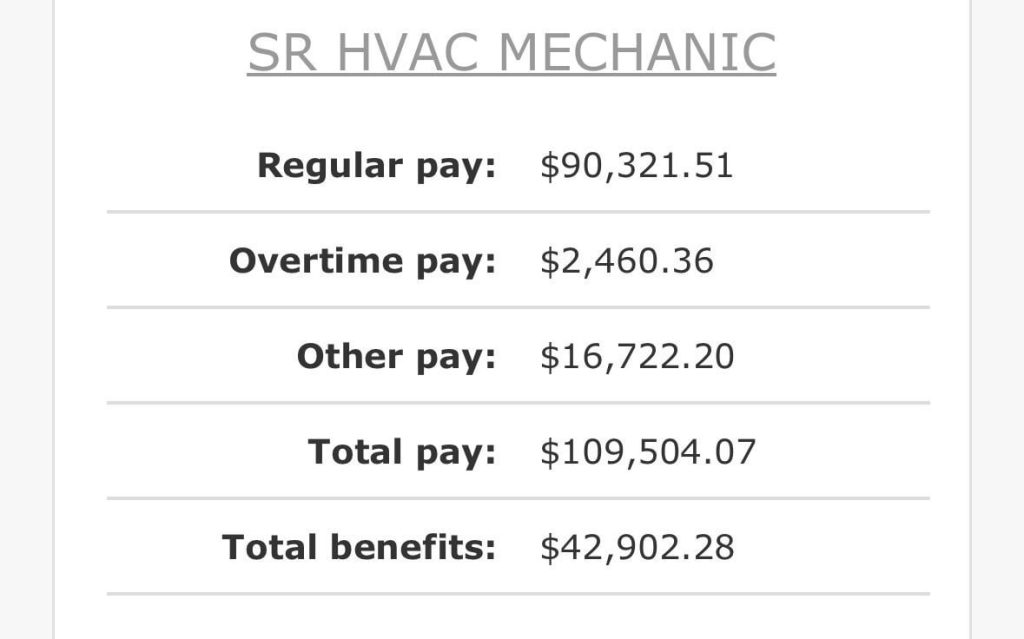
The average salary of HVAC installers in the U. S. is around $48,000 per year. Pay varies by location, experience, and certifications.
How Does Experience Affect Hvac Installer Earnings?
Experienced HVAC installers earn more due to advanced skills. Entry-level installers start lower, but wages increase with years of work.
Do Hvac Installers Earn Overtime Pay?
Yes, many HVAC installers receive overtime pay. This boosts their overall income, especially during busy seasons or emergency repairs.
What Factors Influence Hvac Installer Salaries?
Location, certifications, experience, and employer type impact salaries. Specialized skills and union membership can also increase earnings.
Conclusion
HVAC installers earn a solid income with room to grow. Pay depends on skills, experience, and location. Many find steady work year-round, especially in busy areas. Training and certifications can boost earnings over time. This job offers hands-on work and steady demand.
For those who enjoy fixing things, it’s a good path. Understanding the pay helps in planning your career steps. HVAC installation remains a practical choice for steady wages.



