
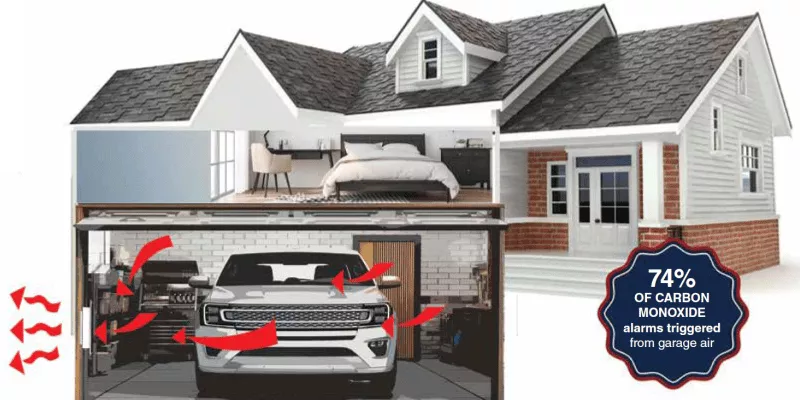
Is your garage stuffy, hot, or filled with fumes, but you don’t have a single window to let fresh air in? You’re not alone—and the good news is, you don’t have to suffer in silence.
Proper ventilation is key to keeping your garage safe, comfortable, and free from harmful odors. You’ll discover simple, effective ways to breathe new life into your windowless garage. Ready to transform your space and protect your health? Keep reading to find out how easy it can be.
Why Garage Ventilation Matters
Ventilating a garage without windows might sound tricky, but understanding why ventilation matters can change how you approach the challenge. Your garage is more than just a storage space; it’s a place where fumes, dust, and moisture can build up quickly. Without proper airflow, these hazards don’t just stay trapped—they can affect your health, your belongings, and the overall safety of your home.
Risks Of Poor Ventilation
Poor ventilation lets dangerous fumes from car exhaust, paint, and cleaning chemicals linger in the air. These fumes can cause headaches, dizziness, or worse health problems if you spend time in your garage regularly. Moisture buildup is another hidden threat; it promotes mold growth and can damage your tools, boxes, and even the garage structure itself.
Have you ever noticed a musty smell or damp spots in your garage? These are signs that air isn’t circulating well. Without fresh air moving through, pollutants and moisture trap inside, creating an unhealthy environment for you and your belongings.
Benefits Of Proper Airflow
Good ventilation clears out harmful fumes and controls humidity, making your garage safer and more comfortable. It also helps protect your vehicle and stored items by reducing rust, mold, and mildew risks. Proper airflow can even extend the life of your garage’s walls, flooring, and insulation by keeping moisture levels in check.
Imagine stepping into your garage and feeling fresh air instead of stale, stuffy air—that’s the difference ventilation makes. Plus, better airflow can improve energy efficiency by stabilizing temperature and reducing the need for costly fixes caused by dampness or damage.

Credit: www.reddit.com
Signs Your Garage Needs Ventilation
Knowing when your garage needs ventilation can save you from costly repairs and health risks. Without windows, garages often trap moisture, odors, and heat, making it hard to notice these problems until they worsen. Watch for subtle signs that indicate poor air flow and act before damage sets in.
Condensation And Mold
Have you spotted water droplets on your garage walls or ceiling? That’s condensation forming because moist air is stuck inside. Over time, this dampness feeds mold growth, which can damage surfaces and affect your health.
Mold often appears as black or green patches and may smell musty. You might not realize it, but mold spores can trigger allergies or respiratory problems. If you notice any signs of mold, your garage definitely needs better ventilation.
Unpleasant Odors
Does your garage have a stale or chemical smell that lingers? Poor air circulation traps fumes from gasoline, paint, or cleaning supplies, causing unpleasant odors. These smells don’t just make your garage uncomfortable—they can also be harmful to breathe over time.
If you catch yourself holding your breath when entering your garage, it’s a sign the air isn’t fresh. Ventilation helps flush out these odors, making your space safer and more pleasant to use.
Excess Heat Buildup
Have you noticed your garage feels like an oven on warm days? Without windows or vents, heat can build up quickly, especially if you store appliances or vehicles that generate warmth. This can damage items stored inside and make the space unusable during hot weather.
Excess heat also puts extra strain on any equipment or batteries stored in your garage. If your garage is consistently hotter than the outside temperature, it’s time to improve airflow to keep things cool and safe.
Natural Ventilation Options
Natural ventilation can be a game-changer for garages without windows. It helps control moisture, reduce odors, and keep the air fresh without relying on electricity. You might think it’s tricky without windows, but there are smart ways to bring fresh air in and push stale air out.
Installing Vents In Walls
Adding vents to your garage walls creates a direct path for air to flow in and out. You can place vents near the floor and higher up to encourage natural air circulation. This setup works well if your garage walls face outside and aren’t blocked by bushes or other structures.
Choosing the right vent type matters. Look for options with covers to keep rain and pests out. Think about how much air exchange you need based on your garage size and typical weather conditions.
Using Soffit And Ridge Vents
Soffit and ridge vents work together to create a natural airflow channel. Soffit vents at the bottom let cool air enter, while ridge vents at the top allow warm air to escape. This vertical airflow pattern is very efficient and doesn’t require electricity.
If your garage has a pitched roof, this is an excellent solution. Make sure the vents are properly installed to prevent leaks and that insulation doesn’t block airflow. Have you checked if your garage roof already has spots where these vents can be added?
Adding A Ventilation Grille
Ventilation grilles are simple but effective additions that you can install in doors or walls. They allow air to pass through without creating large openings that compromise security. You can choose from fixed or adjustable grilles depending on how much control you want over airflow.
Consider where stale air tends to settle in your garage. Placing grilles near those areas can help move air more efficiently. Sometimes, a small change like this can dramatically improve the overall air quality.

Credit: www.duramaxshedsdirect.com
Mechanical Ventilation Solutions
Mechanical ventilation offers a powerful way to improve airflow in a garage without windows. These solutions actively move stale air out and bring fresh air in, keeping your space comfortable and safe. Let’s look at some practical options you can consider for your garage.
Exhaust Fans
Exhaust fans are a direct way to pull hot, humid, or polluted air out of your garage. You can install them on exterior walls or through the ceiling if your garage has access to the outside. They work best when paired with an intake point, like a door crack or vent, to allow fresh air to flow in.
Think about your garage after a weekend of projects: sawdust, paint fumes, or car exhaust can linger. An exhaust fan quickly clears these out, improving air quality and reducing odors. You’ll want to choose a fan with enough power for your garage size—too small won’t make much difference.
Inline Duct Fans
Inline duct fans are versatile and can be hidden away within ductwork, making them less noticeable. They pull air through ducts connected to vents or openings, pushing it outside or pulling fresh air in from another location. This setup is especially useful if your garage walls don’t easily allow for direct fan installation.
One advantage is you can combine multiple intake and exhaust points, creating a balanced airflow system. Do you have a connected attic or adjacent room with better ventilation? Inline duct fans can channel air from those spaces into your garage, improving circulation without windows.
Ceiling Or Wall-mounted Fans
Ceiling or wall-mounted fans help move air inside the garage, preventing it from becoming stagnant. They don’t bring in fresh air directly but promote better circulation, which can make the environment feel cooler and less stuffy. Use them along with exhaust or duct fans for the best effect.
Installing a fan high up on a wall or ceiling helps push rising warm air towards the exhaust points. You might be surprised how much difference this small change makes on hot days. These fans are generally easier to install and less expensive than exhaust systems, making them a great starting point.
Diy Ventilation Tips
Ventilating a garage without windows can be tricky. But with some DIY tricks, it’s possible. Fresh air is essential to keep the garage safe and comfortable. Here are some simple tips to improve ventilation.
Creating Airflow Paths
Establishing airflow is the first step. Open the garage door slightly. This allows fresh air to enter and stale air to exit. Use a door stopper to keep it open safely. Install vents on opposite walls. This creates a cross-ventilation system. Air can flow freely from one side to the other. Ensure these paths are clear of obstructions.
Using Portable Fans
Portable fans can enhance airflow. Place a fan near the open door. It pushes out hot air and draws in cool air. Use oscillating fans for wider coverage. Fans help circulate air, reducing stuffiness. Ensure fans are secure and stable. Adjust their direction for optimal airflow.
Maintaining Vent Openings
Regularly check your vent openings. Dirt and debris can block airflow. Clean them to ensure efficiency. Inspect for any damages. Repair or replace as needed. Keeping vents open and clear is crucial. It ensures a continuous airflow cycle.
Safety Considerations
Safety is the top priority when ventilating a garage with no windows. Poor ventilation can cause dangerous gases to build up. Electrical devices need careful handling to prevent fire risks. Proper vent placement ensures fresh air flows and harmful fumes leave the space. Taking safety steps protects health and property.
Avoiding Carbon Monoxide Build-up
Carbon monoxide is a deadly gas from car exhaust and gas tools. It has no smell or color. Ventilation must remove it quickly. Never run engines inside the garage for long periods. Install a carbon monoxide detector for early warnings. Ensure vents allow fresh air to enter and push out toxic air.
Electrical Safety For Fans
Fans help move air but require safe electrical setup. Use fans rated for garage or outdoor use. Keep wiring away from water and flammable materials. Connect fans to a circuit with a ground-fault circuit interrupter (GFCI). Turn off power before installing or maintaining fans. Check fan cords for damage regularly.
Proper Placement Of Vents
Vents must be positioned to create airflow. Place intake vents near the floor. Install exhaust vents high up to let hot air escape. Avoid blocking vents with stored items. Space vents apart to improve air circulation. Ensure vents do not face neighbors’ windows or doors.
Energy Efficiency And Ventilation
Ventilating a garage without windows requires careful planning to keep energy use low. Proper ventilation improves air quality and controls moisture. At the same time, it helps maintain comfortable temperatures. Balancing ventilation and energy efficiency saves money and protects your garage space.
Sealing Air Leaks
Start by finding and sealing air leaks around doors and walls. Use weatherstripping or caulk to close gaps. This stops outside air from rushing in uncontrolled. Sealing leaks makes ventilation systems work better and reduces energy waste. It keeps warm or cool air inside, lowering heating and cooling costs.
Using Timers And Sensors
Install timers or humidity sensors on ventilation fans. These devices turn fans on only when needed. Timers run fans for set periods to refresh air without wasting power. Sensors activate fans when moisture or bad air builds up. This smart control saves energy and keeps the garage fresh.
Balancing Ventilation With Insulation
Good insulation works with ventilation to boost energy efficiency. Insulate walls and ceilings to reduce heat loss or gain. This helps keep the garage temperature stable. Proper insulation means less work for your ventilation system. Together, they create a comfortable space without high energy bills.

Credit: ezbreathe.com
Frequently Asked Questions
How Can I Ventilate A Garage Without Windows?
Use mechanical ventilation like exhaust fans or air vents. These help circulate air and remove fumes effectively.
Are Ventilation Fans Effective In Windowless Garages?
Yes, ventilation fans provide continuous airflow, reducing moisture and harmful gases in windowless garages.
What Are The Best Ventilation Options For A Sealed Garage?
Install intake and exhaust vents or a ducted fan system to ensure proper air exchange.
Can A Dehumidifier Improve Garage Ventilation?
A dehumidifier reduces moisture but doesn’t replace fresh air circulation. Combine it with ventilation systems for best results.
Conclusion
Good ventilation keeps your garage safe and fresh. Use fans or vents to move air well. Installing a door vent helps air flow easily. Keep the garage door open when possible. Regular airflow stops moisture and bad smells. Small changes make a big difference in air quality.
Try these tips to improve your garage today. Fresh air means a better space for work or storage. Don’t wait—start improving your garage’s air now.



