
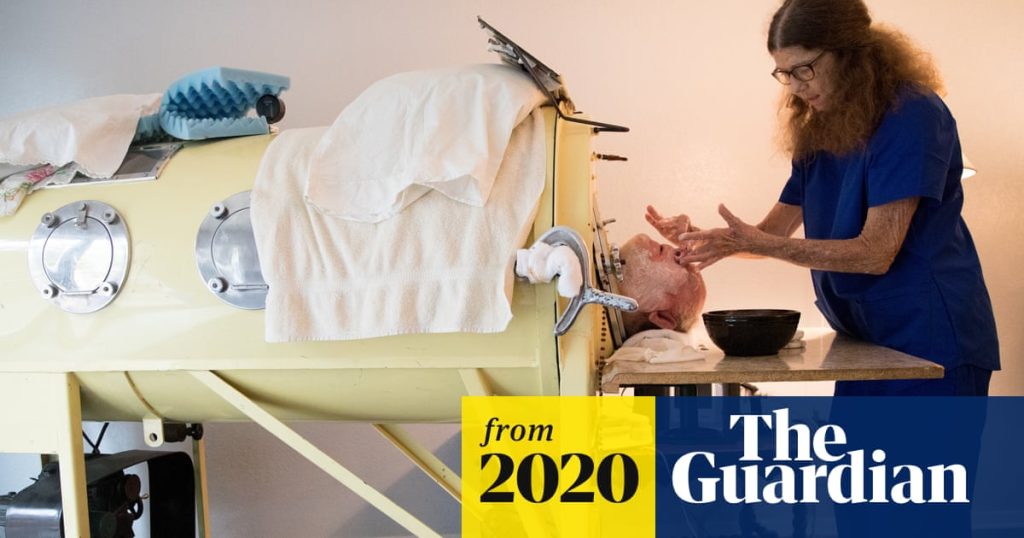
Have you ever wondered how long a person can live on a respirator? If you or someone you love is facing this situation, you probably have many questions and concerns.
Understanding what to expect can help you feel more prepared and less overwhelmed. You’ll discover the key factors that affect how long someone can survive on a respirator and what life on a ventilator really means. Keep reading to get clear, straightforward answers that matter to you and your family.
Respirator Basics
Understanding the basics of respirators is crucial if you or a loved one ever faces the challenge of mechanical breathing support. Respirators, often called ventilators, are medical devices designed to assist or replace spontaneous breathing. Knowing how they work and the types available helps you grasp their role in critical care and how long someone might depend on them.
Types Of Respirators
Respirators come in different forms, each suited for specific medical needs. The two main categories are invasive and non-invasive respirators.
- Invasive Respirators:These involve a tube inserted into the windpipe through the mouth or neck. They provide direct airflow to the lungs and are used for severe breathing failure.
- Non-Invasive Respirators:These use a mask that fits over the nose or mouth. They offer breathing support without the need for surgery or intubation and are often used in less critical cases.
Choosing the right type depends on the patient’s condition and how long they might need breathing support.
How Respirators Work
Respirators help by pushing air into the lungs to ensure oxygen reaches the body’s organs. They can also remove carbon dioxide, which your body needs to expel efficiently.
The machine settings are customized based on the patient’s lung function and oxygen needs. You might be surprised how sensitive these adjustments are—too much or too little pressure can cause complications.
Have you ever wondered how someone can survive when their lungs can’t work properly? Respirators take over the essential job of breathing, giving the body time to heal or maintain vital functions. This support can last from a few hours to several months, depending on the illness or injury.
Factors Affecting Survival
Survival on a respirator depends on many factors. Each case is unique, and outcomes vary widely. Understanding these factors helps to set realistic expectations. It also guides doctors and families in care decisions.
Underlying Health Conditions
Chronic illnesses affect survival chances on a respirator. Conditions like heart disease or diabetes weaken the body. They make recovery harder and increase complications. Patients with fewer health problems often have better outcomes. Strong immune systems help fight infections linked to ventilators.
Age And Physical Condition
Young, healthy people usually tolerate respirators longer. Older adults face more risks and slower healing. Muscle strength and overall fitness also matter. Weak muscles can cause breathing difficulties after ventilation. Good physical condition supports faster recovery and fewer side effects.
Cause Of Respiratory Failure
The reason for needing a respirator affects survival time. Acute illnesses like pneumonia may improve with treatment. Chronic lung diseases often lead to prolonged ventilation. Some injuries cause temporary failure, while others are permanent. Identifying the cause helps predict how long a person might live on a respirator.
Short-term Vs Long-term Use
Using a respirator can be necessary for many patients. The length of use varies greatly. Some need it for a short time, while others require long-term support. Understanding the difference helps grasp the challenges and expectations of care.
Typical Duration In Critical Care
Most patients on a respirator in critical care need it for a few days to weeks. This short-term use supports breathing during severe illness or surgery recovery. Doctors monitor patients closely to reduce time on the ventilator. Early removal helps lower risks of complications.
Short-term ventilation often lasts:
- 3 to 7 days for pneumonia or trauma
- 1 to 2 weeks after major surgery
- Several days during severe infections
Challenges Of Prolonged Ventilation
Long-term use of a respirator presents many challenges. Patients may stay on a ventilator for weeks, months, or even years. Extended use can cause muscle weakness and lung damage. It also raises infection risk, especially pneumonia.
Other difficulties include:
- Discomfort and difficulty speaking or eating
- Dependence on the machine for breathing
- Need for specialized care and equipment
Doctors and caregivers work to balance benefits and risks. The goal is to support breathing while aiming for independence from the respirator.
Credit: www.theglobeandmail.com
Risks And Complications
Living on a respirator can be a life-saving measure, but it also comes with significant risks and complications that affect your health and recovery. Understanding these challenges can help you prepare mentally and physically for what lies ahead. Are you ready to face these potential hurdles?
Infections And Pneumonia
Using a respirator increases your risk of infections, especially pneumonia. The breathing tube bypasses your natural defenses, allowing bacteria to enter your lungs more easily. This can lead to ventilator-associated pneumonia, which makes recovery longer and more difficult.
Hospitals take strict precautions to reduce infection risks, but they cannot eliminate them completely. You must be aware of symptoms like fever or increased mucus and communicate them promptly to your care team.
Muscle Weakness And Atrophy
When your body depends on a respirator, your respiratory muscles can weaken due to inactivity. This muscle loss doesn’t just affect breathing; it can spread to other muscles, making everyday movements harder.
Physical therapy and gradual weaning off the ventilator can help rebuild strength. Have you considered how staying active, even in small ways, can speed up your recovery?
Psychological Effects
Being on a respirator can cause anxiety, depression, and feelings of helplessness. The inability to speak easily or move freely adds to emotional stress. Many patients experience confusion or delirium during prolonged ventilation.
Support from family, mental health professionals, and clear communication with your medical team can ease these challenges. How might you prepare your mind for the emotional journey ahead?
Weaning Off A Respirator
Weaning off a respirator is a critical phase in a patient’s recovery journey. It involves gradually reducing dependence on mechanical ventilation until the person can breathe independently. This process requires careful assessment, patience, and tailored techniques to ensure safety and success.
Criteria For Weaning
Before starting weaning, doctors check several key factors. The patient should have stable oxygen levels and a strong cough to clear secretions. They also look for the ability to breathe without excessive effort and stable heart function.
Other important signs include good mental alertness and manageable levels of secretions. You might wonder, can a patient who meets these criteria still face challenges? Absolutely—each case is unique, and ongoing monitoring is essential.
Weaning Techniques
There are different ways to help someone come off a respirator. One common approach is the spontaneous breathing trial, where the patient tries breathing on their own with minimal support.
Another method is gradual reduction of ventilator support by lowering pressure or volume over time. Sometimes, doctors use a combination of these techniques depending on the patient’s condition.
Choosing the right technique involves understanding how your body responds to less support. Have you ever experienced a slow, step-by-step process in recovery? It’s often more effective than rushing.
Success Rates
Success in weaning varies depending on health conditions and how long the person has been on a respirator. Studies show that many patients can successfully breathe independently after careful weaning.
However, some may require longer support or face setbacks due to muscle weakness or lung issues. The key is regular evaluation and adjusting the approach as needed to improve chances of success.
What motivates you more: quick results or steady progress? Understanding this can help you stay patient during the weaning journey.

Credit: www.nytimes.com
Quality Of Life On A Respirator
Living on a respirator changes many aspects of daily life. It’s not just about survival but how you experience each day. Understanding the quality of life on a respirator helps you or your loved ones prepare for the challenges ahead and find ways to maintain comfort and dignity.
Physical Limitations
A respirator supports breathing but also brings physical challenges. You may find it hard to move freely because of tubes and machines. Simple actions like eating, speaking, or even turning in bed require assistance.
Muscle weakness can develop from long periods of immobility. This can make it difficult to do everyday tasks without help. However, physical therapy can improve strength and sometimes help regain some independence.
Think about how your environment can be adjusted for ease. Using adjustable beds, mobility aids, and adaptive tools can make a big difference in your comfort and autonomy.
Emotional And Social Impact
Living on a respirator affects your emotions deeply. Feelings of frustration, isolation, or anxiety are common. You might struggle with the loss of independence or worry about being a burden.
Social interactions can become limited, especially if speaking is difficult. Yet, staying connected through technology or with the help of caregivers can ease loneliness. Sharing your feelings openly can also improve your mental health.
Have you considered how you can maintain your social life despite physical limits? Simple activities like video calls, listening to music, or engaging in hobbies can keep your spirits up.
Technological Advances
Technological advances have greatly enhanced respirator effectiveness. These innovations help patients live longer on respirators. New designs and methods improve patient comfort and health.
Improved Respirator Designs
Modern respirators are more efficient and comfortable. Engineers focus on creating quieter machines. Quieter machines reduce stress for patients. Advanced filters ensure cleaner air, reducing infection risks. These designs help patients breathe easier and stay healthier.
Non-invasive Ventilation Options
Non-invasive ventilation offers a gentler alternative to traditional methods. Masks or nasal plugs replace tubes inserted into the airway. This reduces pain and discomfort for patients. Patients can communicate more easily, improving quality of life. Non-invasive options are especially useful for patients with certain conditions.

Credit: www.reddit.com
Ethical And Legal Considerations
Ethical and legal questions arise about how long a person can stay on a respirator. Decisions often balance quality of life with medical possibilities. Families and doctors must discuss rights and care options carefully.
Navigating the complexities of ethical and legal considerations when it comes to life support systems like respirators can be emotionally and mentally challenging. These considerations are crucial in ensuring the dignity and rights of patients are respected. They also help families and healthcare providers make informed decisions during difficult times.End-of-life Decisions
End-of-life decisions are intensely personal and can vary greatly from one individual to another. These decisions often involve weighing the quality of life against the prolongation of life. For some, the choice may be to continue life-sustaining treatment, while others may opt for palliative care. In making these decisions, it is essential to have open conversations with family members and healthcare providers. Discussing these choices in advance can prevent emotional stress during critical moments. Have you considered having this conversation with your loved ones?Patient Consent And Rights
Patient consent is a cornerstone of ethical medical practice, especially concerning life support. Patients have the right to be informed about their treatment options, including the implications of long-term respirator use. This includes understanding potential outcomes and any associated risks. It’s crucial for patients or their legal representatives to give consent before life-sustaining treatments are initiated. If you were in this situation, how would you ensure your wishes are respected? Advanced directives and living wills can play a vital role here. These legal documents outline a person’s wishes regarding medical treatment, ensuring their choices are honored even when they can’t communicate them. Do you have one in place? Understanding these ethical and legal considerations can empower you to make informed decisions that align with your values and beliefs. Engage with healthcare professionals to explore all options and ensure the best outcome for everyone involved.Frequently Asked Questions
How Long Can Someone Survive On A Respirator?
Survival on a respirator varies by health condition and care quality. Some live days; others live months or years with support. Continuous medical monitoring is essential to prevent complications and manage underlying diseases effectively.
What Factors Affect Respirator Survival Time?
Age, overall health, lung condition, and infection risks impact survival time on a respirator. Proper medical care and nutrition also play critical roles. Each patient’s situation differs, influencing how long they can safely remain on ventilator support.
Can A Person Live Long-term On A Respirator?
Yes, some patients live long-term on respirators with intensive care and rehabilitation. Chronic respiratory failure or severe illness may require prolonged ventilator use. Quality of life depends on the underlying illness and medical management.
What Risks Are Associated With Long-term Respirator Use?
Long-term respirator use risks include infections, lung damage, and muscle weakness. Prolonged ventilation may cause complications like pneumonia or airway injury. Regular medical assessment helps minimize these risks and improve patient outcomes.
Conclusion
A person can live on a respirator for days, months, or even years. The length depends on health, care, and support. Machines help with breathing but do not cure illness. Families and doctors must decide what is best. Quality of life matters most in these situations.
Understanding the facts helps people prepare and cope. Each case is unique, so talk to medical experts. Respirators save lives but come with challenges too. Life on a respirator requires patience, hope, and care.



