
Struggling with a stuffy, humid bathroom and no windows to let fresh air in? You’re not alone, and the good news is—you don’t have to live with that uncomfortable moisture and lingering odors.
Proper ventilation is key to keeping your bathroom fresh, preventing mold, and protecting your walls and ceilings. You’ll discover simple, effective ways to ventilate your bathroom without windows. By the end, you’ll have practical solutions that fit your space and budget, making your bathroom a cleaner, healthier place to be.
Keep reading to find out how you can breathe new life into your windowless bathroom.

Credit: www.pmmag.com
Challenges Of Windowless Bathrooms
Dealing with a bathroom that has no windows can be frustrating. Without natural ventilation, you face several hidden challenges that can affect your comfort and health. Understanding these issues helps you find the right solutions to keep your bathroom fresh and safe.
Humidity Problems
Bathrooms without windows often trap moisture in the air. After a hot shower, steam builds up and stays longer, making the space feel damp and uncomfortable. This excess humidity can damage paint, wallpaper, and even wooden fixtures over time.
Have you noticed your mirror fogging up for a long time or the walls feeling damp? These are signs that humidity is not escaping properly. Controlling this moisture is key to preventing further damage.
Mold And Mildew Risks
Stagnant, humid air creates the perfect environment for mold and mildew to grow. These fungi don’t just look unpleasant; they can cause respiratory problems and allergies. Without a window, you might miss early signs of mold until it spreads significantly.
Imagine discovering black spots around your shower or behind your toilet. That’s mold taking hold because the space isn’t ventilated enough. Regularly checking for and removing mold is important, but preventing it by improving airflow is even better.
Air Quality Concerns
Air circulation is crucial for removing odors and airborne bacteria. In a windowless bathroom, smells can linger longer, making the space less inviting. Poor ventilation also means harmful chemicals from cleaning products stay trapped, affecting your breathing.
Do you find your bathroom smells stale even after cleaning? That’s a sign your air quality is suffering. Enhancing ventilation not only freshens the room but also supports your overall health.
Credit: www.i-sells.co.uk
Choosing The Right Exhaust Fan
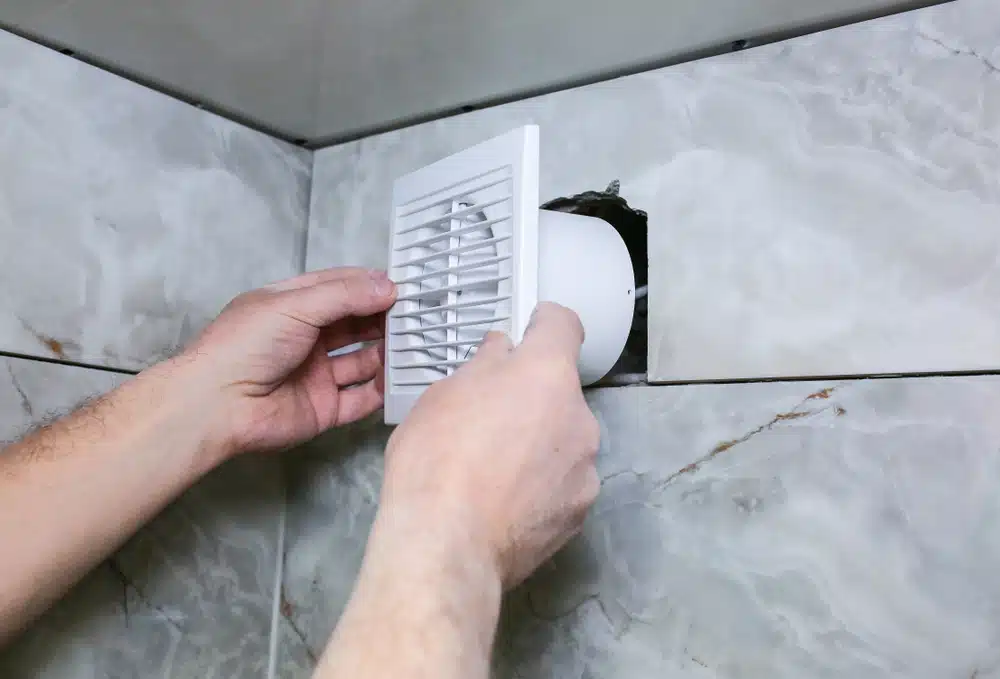
Choosing the right exhaust fan is key for ventilating a bathroom without windows. It removes moisture, odors, and keeps the air fresh. Picking the best fan improves comfort and prevents mold growth. Consider the fan’s type, size, and installation to match your bathroom’s needs.
Types Of Exhaust Fans
Bathroom exhaust fans come in several types. The most common are:
- Ceiling-mounted fans:Installed on the ceiling, these fans pull moist air upward.
- Wall-mounted fans:Placed on an exterior wall, they vent air directly outside.
- Inline fans:Installed in the ductwork, these fans are quiet and powerful.
- Combination fans:Include lights or heaters for added convenience.
Each type fits different bathroom layouts and ventilation needs.
Sizing Your Fan Properly
Choosing the right fan size is crucial for effective ventilation. Use the bathroom’s square footage to find the right airflow, measured in CFM (cubic feet per minute). The general rule is 1 CFM per square foot of bathroom space.
For example, a 50-square-foot bathroom needs a 50 CFM fan. Bigger bathrooms or those with high ceilings require stronger fans. Check the fan’s specifications to ensure it can handle your bathroom size.
Installation Tips
Place the exhaust fan near the shower or tub to capture steam quickly. Make sure the fan vents to the outside, not into an attic or crawl space. Use proper ducting to avoid leaks and reduce noise.
Seal all gaps around the fan to prevent air leaks. Follow the manufacturer’s instructions carefully during installation. Test the fan after installation to confirm it works well and moves air efficiently.
Using Ventilation Ducts Effectively
Using ventilation ducts effectively is key to keeping a bathroom without windows fresh and dry. These ducts move moist air outside, preventing mold and bad smells. Proper duct use helps maintain good air quality and protects walls from damage.
Understanding how to route ducts and avoid common problems ensures the system works well and lasts longer.
Routing Ducts To Exterior Walls
Place ducts to lead directly to an outside wall or roof vent. This allows moist air to exit quickly. Avoid long or curved duct paths, as they reduce airflow. Use short, straight ducts for best results. Check that vents are clear and not blocked by insulation or debris. Seal all duct joints tightly to prevent leaks.
Avoiding Common Duct Issues
Keep ducts insulated to stop condensation inside them. Choose smooth, rigid ducts instead of flexible ones to reduce air resistance. Avoid sharp bends that slow airflow. Clean ducts regularly to remove dust and dirt build-up. Install a backdraft damper to stop outside air or pests from entering. Inspect ducts for damage and repair any holes or cracks quickly.
Adding Dehumidifiers And Air Purifiers
Adding dehumidifiers and air purifiers is a smart way to improve air quality in bathrooms without windows. These devices help reduce moisture and keep the air fresh. They work silently and need little space, making them ideal for small or windowless bathrooms.
Benefits Of Dehumidifiers
Dehumidifiers remove excess moisture from the air. This stops mold and mildew growth, which can damage walls and ceilings. They also reduce musty smells and make the bathroom feel more comfortable. Using a dehumidifier helps protect your health by lowering dust mites and allergens. It also keeps towels and clothes dry faster. Many models are energy efficient and easy to use.
Choosing Air Purifiers For Bathrooms
Air purifiers clean the air by removing dust, odors, and bacteria. For bathrooms, pick a purifier with a HEPA filter to trap tiny particles. A carbon filter helps remove bad smells caused by moisture. Look for a compact model that fits well in small spaces. Quiet operation is important to avoid noise disturbance. Some purifiers also have a built-in ionizer to improve air freshness. Choose one with easy-to-replace filters for low maintenance.
Improving Air Circulation Without Windows
Installing an exhaust fan helps remove moisture and keeps air moving in bathrooms without windows. Using a dehumidifier also reduces dampness and prevents mold growth. Vent pipes connected to other rooms can improve airflow and freshen the space effectively.
Improving air circulation in a windowless bathroom can seem challenging, but with a few clever strategies, you can keep the air fresh and clean. You might wonder how to achieve this without the natural ventilation a window provides. The key is to focus on alternative methods that help in maintaining a constant flow of air and reducing humidity.Door Ventilation Options
Consider installing a door vent. This is a simple and effective way to promote airflow between your bathroom and the rest of your home. Door vents can be installed at the top or bottom of the door, allowing stale air to escape and fresh air to enter. If you’re handy with tools, you can install a louvered door. These doors have slats that permit air exchange while maintaining privacy. They’re an excellent choice if you want to improve ventilation subtly and stylishly. Another option is to use a door sweep, which can help air circulate beneath the door. Ensure the sweep doesn’t seal too tightly, as a small gap will enable better airflow.Using Fans To Boost Airflow
An exhaust fan is an essential tool for windowless bathroom ventilation. It efficiently removes moisture and odors, preventing mold and mildew growth. Consider a model with a built-in humidity sensor, which activates automatically when moisture levels rise. If an exhaust fan isn’t feasible, a portable fan can also help. Place it in the doorway, directing air out of the bathroom. This setup can create a cross-breeze effect, drawing fresh air in from other parts of the house. For those tech-savvy individuals, smart fans can be a game-changer. These fans can be controlled via smartphone apps or timers, ensuring consistent airflow even when you’re not home. Have you ever thought about combining these methods for maximum effectiveness? Implementing multiple strategies might just be the key to achieving the fresh and airy bathroom you desire.Regular Maintenance For Fresh Air
Maintaining fresh air in a windowless bathroom requires regular care. Proper upkeep keeps ventilation systems working well. It helps avoid bad smells and moisture buildup. Clean, efficient fans and ducts improve airflow. Preventing mold protects your health and walls. Small efforts make a big difference in air quality and comfort.
Cleaning Fans And Ducts
Fans and ducts collect dust and dirt over time. This buildup slows down airflow and strains the fan. Clean fan covers and blades every few months. Use a vacuum or cloth to remove dust. Check ducts for blockages or debris. Clear any obstructions to ensure smooth air passage. Proper cleaning extends fan life and boosts ventilation.
Preventing Mold Growth
Mold thrives in damp, poorly ventilated bathrooms. Control moisture by running the fan during and after showers. Wipe down wet surfaces to keep them dry. Use mold-resistant paint on walls and ceilings. Inspect corners and hidden areas regularly for mold spots. Treat any mold immediately with safe cleaners. Keeping the bathroom dry limits mold growth and keeps air fresh.
Credit: www.ripplesbathrooms.com
Frequently Asked Questions
How Can I Ventilate A Bathroom Without Windows?
Use an exhaust fan to remove moisture and odors. Ensure it vents outside, not into the attic. A ceiling or wall fan helps circulate air effectively in windowless bathrooms.
What Is The Best Exhaust Fan For Windowless Bathrooms?
Choose a quiet, high CFM (cubic feet per minute) exhaust fan. It should match your bathroom size for efficient moisture removal and improved air quality.
Can A Dehumidifier Help Ventilate A Bathroom Without Windows?
Yes, a dehumidifier reduces moisture and prevents mold growth. It works well alongside an exhaust fan to maintain dry, fresh air in a windowless bathroom.
How Often Should I Run The Bathroom Exhaust Fan?
Run the fan during and 20-30 minutes after showers. This clears humidity and prevents mold buildup in a bathroom without windows.
Conclusion
Ventilating a bathroom without windows is possible and important. Installing a good exhaust fan helps remove moisture fast. Using a dehumidifier keeps the air dry and fresh. Opening the door after showers lets steam escape. Adding plants can improve air quality naturally.
Regular cleaning stops mold and mildew growth. These simple steps protect your bathroom and home. Keep the air moving for a healthy space. Small changes make a big difference in comfort. Try these tips to breathe easier every day.



