
Are you wondering if your metal roof needs ventilation? It’s a question many homeowners face when choosing or maintaining a metal roof.
Proper ventilation can make a big difference in how your roof performs, how comfortable your home feels, and even your energy bills. But is it really necessary for metal roofs? You’ll discover the key reasons why ventilation matters, how it affects your roof’s lifespan, and simple steps you can take to protect your investment.
Keep reading to find out what every metal roof owner should know.

Credit: embrysroofing.com
Why Ventilation Matters
Ventilation plays a crucial role in maintaining metal roofs. It helps keep the roof system healthy and functioning well. Without proper airflow, problems can arise that shorten the roof’s life and increase costs. Let’s explore why ventilation matters for metal roofs.
Impact On Roof Longevity
Ventilation reduces heat buildup under the metal panels. Excess heat can warp and damage roofing materials. It also causes metal to expand and contract more, leading to cracks and leaks. Proper airflow keeps temperatures balanced, preserving the roof’s strength and shape. Well-ventilated roofs last longer and require fewer repairs.
Effect On Energy Efficiency
Good ventilation helps lower indoor temperatures. It prevents hot air from getting trapped in the attic or under the roof. This reduces the need for air conditioning during summer months. Cooler homes use less energy, cutting electricity bills. Ventilated roofs improve comfort and save money on cooling costs.
Preventing Moisture Build-up
Moisture is a common enemy of metal roofs. It comes from rain, snow, or indoor humidity. Without ventilation, moisture stays trapped and causes rust and mold. This weakens the roof structure and creates health risks. Proper ventilation allows moisture to escape quickly. It keeps the roof dry and free from damage.
How Metal Roofs Differ
Metal roofs stand out from traditional roofing materials. Their unique features affect how they handle heat, movement, and weather. Understanding these differences helps explain why ventilation needs change with metal roofs.
Heat Reflection Properties
Metal roofs reflect more sunlight than asphalt or tile roofs. This reflection reduces heat absorption inside the building. It keeps homes cooler during hot days. Less heat buildup means lower cooling costs. It also lessens the risk of roof damage from extreme heat.
Thermal Expansion Considerations
Metal expands and contracts with temperature changes. This movement can cause noise or stress on fasteners and panels. Proper ventilation helps manage moisture and temperature swings. It prevents warping and prolongs roof life. Without ventilation, metal roofs can suffer from cracks or loosening.
Durability Against Elements
Metal roofs resist wind, rain, and snow better than many materials. Their smooth surface sheds water quickly. They do not absorb moisture, reducing mold and rot risks. Ventilation removes trapped moisture under the roof. This protects the structure from corrosion and decay over time.
Signs You Need Ventilation
Knowing the signs that your metal roof needs ventilation can save you from costly repairs and discomfort. Ventilation plays a crucial role in maintaining your roof’s health and your home’s comfort. If you notice any unusual changes, don’t ignore them—these could be clear signals that your roof’s ventilation system isn’t working properly.
Condensation Issues
Have you spotted water droplets or damp spots inside your attic or under the roof panels? This is a common sign of poor ventilation. Condensation builds up when warm, moist air gets trapped and has no way to escape, leading to moisture problems.
Excess moisture can cause mold growth and rust on metal roofs. If you see condensation, it’s time to check if your roof has enough vents or if existing ones are blocked.
Temperature Fluctuations
Does your home feel unusually hot in summer and cold in winter despite insulation? This could mean your metal roof lacks proper ventilation. Without airflow, heat gets trapped in the attic, raising indoor temperatures and forcing your cooling system to work harder.
In winter, poor ventilation can cause ice dams by allowing warm air to melt snow on the roof unevenly. These temperature swings are a red flag that your roof needs better ventilation to regulate the climate.
Visible Damage Indicators
Look closely at your metal roof for signs like rust spots, peeling paint, or warped panels. These damages often result from trapped moisture and heat stress due to poor airflow. Missing or damaged vents can also be a visible clue that ventilation is compromised.
Ignoring these signs can lead to leaks and structural problems. Have you inspected your roof recently? Spotting these issues early helps you act before bigger damage occurs.
Types Of Ventilation Systems
Ventilation plays a crucial role in maintaining the durability and efficiency of metal roofs. Different types of ventilation systems serve specific purposes, allowing air to flow properly and preventing issues like moisture buildup and heat damage. Understanding these options helps you choose the best solution for your roof’s needs.
Ridge Vents
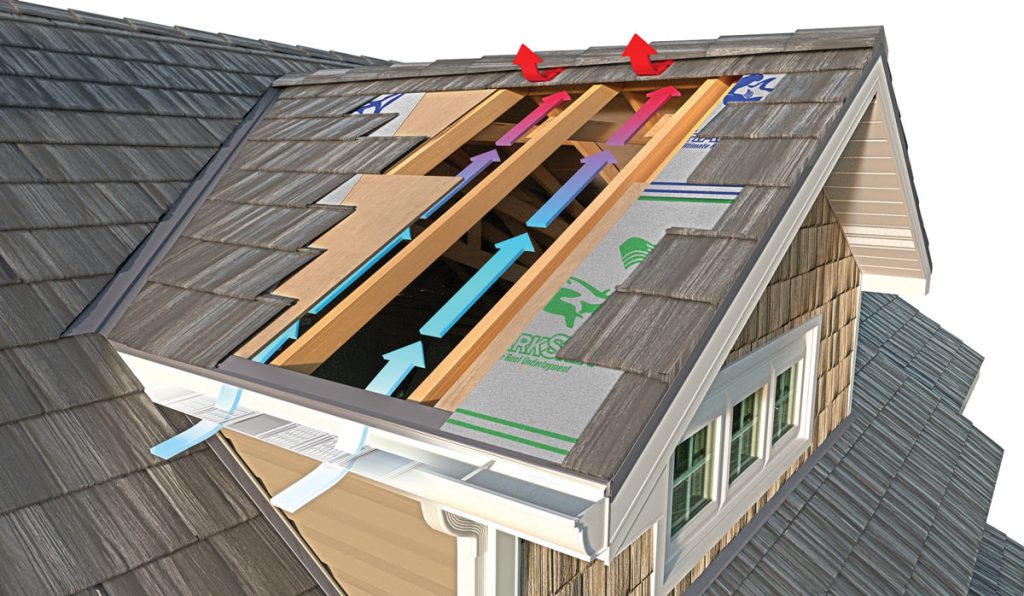
Ridge vents run along the peak of your roof, providing a continuous outlet for hot, humid air to escape. They work best when paired with intake vents, creating a natural airflow that keeps your attic cool and dry. Have you ever noticed how a small gap at the top can make a big difference in airflow? Ridge vents do exactly that.
Soffit Vents
Soffit vents are installed under the eaves of your roof, allowing fresh air to enter the attic space. They act as intake vents, balancing the airflow created by ridge vents or other exhaust systems. If your roof lacks sufficient soffit vents, the ventilation system won’t work efficiently, which can lead to trapped heat and moisture.
Gable Vents
Gable vents are placed on the exterior walls at the ends of your attic, offering another way for air to move in and out. They are simple to install and can improve ventilation, especially in homes without soffit vents. But keep in mind, gable vents rely on wind direction, so their effectiveness can vary throughout the day.
Powered Ventilation Options
Powered vents use fans to actively pull air out of the attic, speeding up ventilation when natural airflow isn’t enough. They are a good choice for larger roofs or areas with little wind. However, these systems require electricity and regular maintenance, so think about whether the extra boost is worth it for your metal roof.
Installation Best Practices
Proper ventilation is essential for metal roofs to prevent moisture buildup and extend roof life. Ventilation helps regulate temperature and reduce condensation under the roof panels. Installing vents at the roof’s ridge and eaves ensures effective airflow and better roof performance.
Installing a metal roof is a significant investment, and ensuring proper ventilation is key to maximizing its lifespan and performance. Proper ventilation prevents heat buildup, reduces energy costs, and helps maintain a comfortable indoor climate. But how do you achieve the best results with your metal roof installation?Placement Strategies
Strategically placing vents is crucial for effective roof ventilation. Consider installing ridge vents at the peak of the roof to allow warm air to escape efficiently. Pair these with soffit vents along the eaves to facilitate a balanced airflow. Think about the layout of your home. Are there areas where hot air might get trapped? Ensure vents are positioned to address these hotspots. This careful planning can significantly enhance ventilation efficiency.Balancing Intake And Exhaust
Achieving the right balance between intake and exhaust vents is essential. Too much of one can hinder the system’s effectiveness. Aim for equal amounts of intake at the soffits and exhaust at the ridges. This balance ensures that fresh air flows in while hot air is expelled. It’s a simple yet powerful way to maintain a cooler attic space, which can impact your home’s overall temperature.Common Mistakes To Avoid
Avoid blocking your vents with insulation or debris. This is a common oversight that can drastically reduce ventilation efficiency. Regularly check to ensure airflow isn’t obstructed. Another mistake is relying solely on mechanical ventilation without natural venting solutions. While fans can help, they shouldn’t replace a well-designed natural ventilation system. Lastly, do not ignore local building codes and regulations. They often contain valuable guidelines that can influence the success of your ventilation strategy. Always ensure your installation complies with these standards.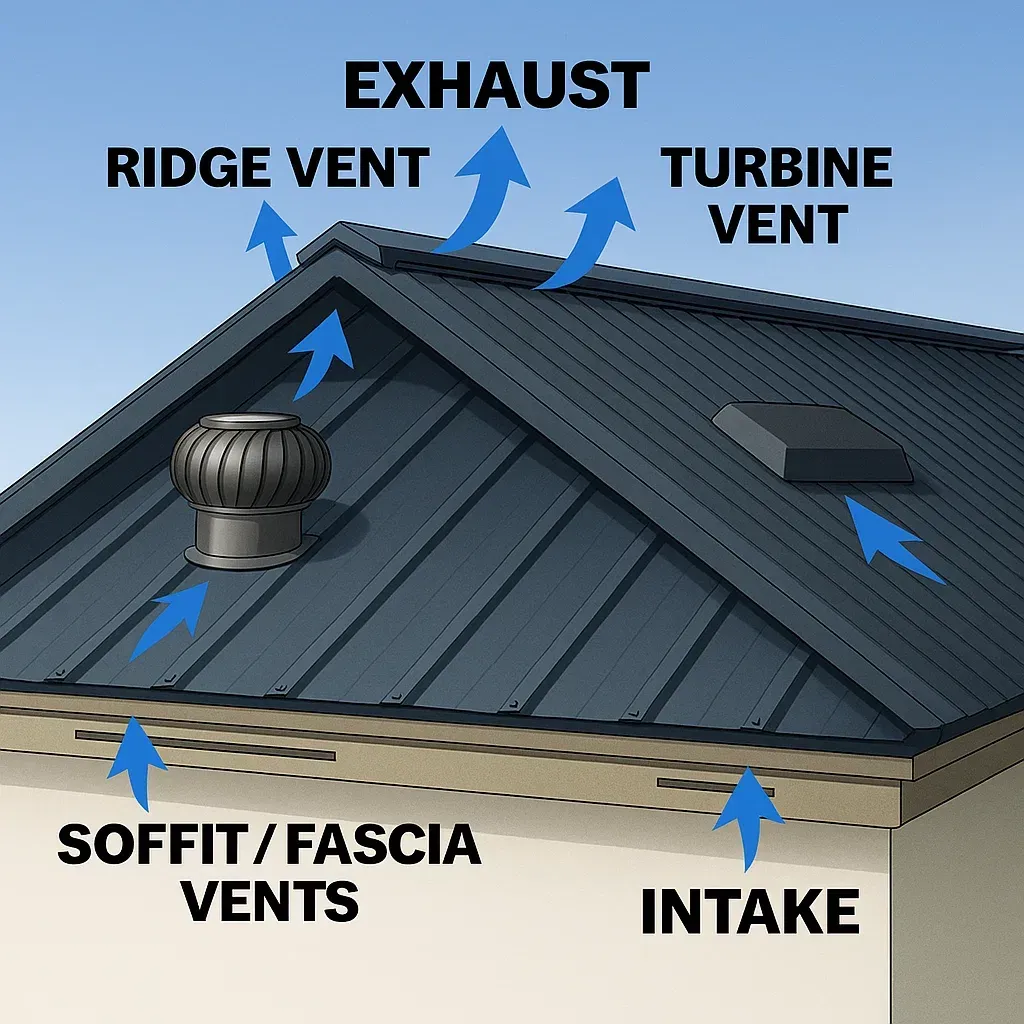
Credit: bcpinc.us
Benefits Beyond Ventilation
Ventilation in metal roofs does more than just prevent moisture buildup. It impacts how your entire living space feels, how much you spend on energy, and even how long your roof lasts. Understanding these benefits beyond simple ventilation can help you make smarter choices for your home.
Improved Indoor Comfort
Proper ventilation keeps your home cooler in the summer and warmer in the winter. It stops heat from getting trapped under your metal roof, which can make upstairs rooms unbearably hot. Have you ever noticed how some metal-roofed homes feel more comfortable year-round? That’s the effect of good airflow.
By allowing fresh air to circulate, ventilation reduces stuffiness and controls humidity levels inside your home. This means fewer damp spots and less chance of mold growth, improving the overall air quality you breathe daily.
Reduced Energy Bills
Air circulation under your metal roof helps your HVAC system work less hard. When heat escapes instead of building up, your air conditioner doesn’t have to run constantly during hot days. This can lead to noticeable savings on your monthly energy bills.
Think about how your energy costs spike during extreme weather. Ventilation can smooth out these peaks by balancing indoor temperatures naturally. Wouldn’t it be nice to lower your bills without sacrificing comfort?
Enhanced Roof Performance
Ventilation protects your metal roof from damage caused by excess heat and moisture. When heat builds up, it can warp or fade the metal over time. Moisture trapped without proper airflow may lead to rust and shorten your roof’s lifespan.
By venting properly, you help maintain the structural integrity of your roof and avoid costly repairs. This means your investment lasts longer and performs better through all seasons.
Credit: boss-exteriors.com
Frequently Asked Questions
Do Metal Roofs Require Ventilation?
Yes, metal roofs need ventilation to regulate temperature and moisture. Proper airflow prevents condensation and extends roof lifespan. Ventilation reduces heat buildup in summer and prevents ice dams in winter.
What Are The Benefits Of Ventilated Metal Roofs?
Ventilated metal roofs improve energy efficiency by reducing cooling costs. They prevent moisture buildup, which avoids mold and rust. Proper ventilation also prolongs roof durability and enhances indoor comfort.
How To Ventilate A Metal Roof Properly?
Use ridge vents combined with soffit vents for effective airflow. This setup allows hot air to escape and fresh air to enter. Proper installation ensures balanced ventilation and prevents moisture accumulation.
Can Metal Roofs Be Installed Without Ventilation?
While possible, installing metal roofs without ventilation is not recommended. Lack of ventilation can cause heat buildup, condensation, and damage. Ventilation ensures roof performance and protects structural integrity.
Conclusion
Metal roofs benefit greatly from proper ventilation. It helps keep your home cooler in summer. Ventilation also stops moisture build-up inside the roof. This prevents damage like rust and mold. Good airflow extends the roof’s life. It saves money on repairs and energy bills.
So, adding vents under metal roofs makes sense. It keeps your house safe and comfortable. Don’t ignore this simple but important step. Proper ventilation protects your investment for years.



