
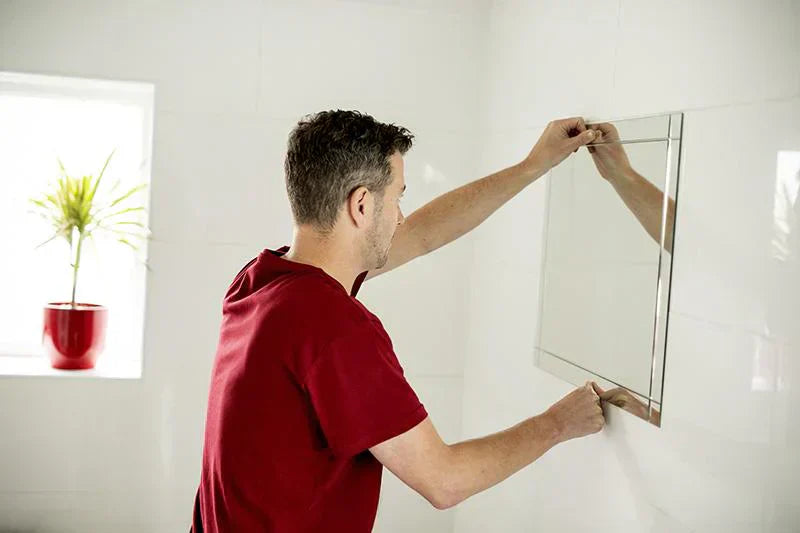
Hanging a mirror on a concrete wall might seem tricky, but with the right steps, you can do it yourself and transform your space instantly. Imagine adding that perfect reflection that brightens your room and makes it feel bigger—all without struggling or damaging your walls.
In this guide, you’ll discover simple, clear instructions that make the process easy and stress-free. Keep reading to learn how you can confidently hang your mirror on concrete and enjoy a fresh new look in no time.

Credit: ledmirrorworld.co.uk
Tools And Materials Needed
Hanging a mirror on a concrete wall requires specific tools and materials to ensure a secure and safe installation. Using the right items not only protects your wall but also keeps your mirror firmly in place for years to come. Getting everything ready before you start will save you time and avoid frustrating mistakes.
Types Of Mirrors Suitable For Concrete Walls
Not every mirror is made to hang on a concrete surface. Lightweight mirrors with wire hangers or D-rings work best because they reduce the stress on the wall. Avoid very heavy or oversized mirrors unless you have strong anchors and professional-grade mounting hardware.
Consider frameless mirrors or those with metal frames. These are usually easier to handle and mount on tough surfaces like concrete. Have you checked the weight of your mirror? That’s a key factor in choosing the right mounting method.
Essential Mounting Hardware
Concrete walls need strong, reliable anchors to hold up your mirror. Plastic anchors are usually not enough; instead, opt for:
- Concrete screws (Tapcon screws):Designed to bite into concrete without pre-inserting anchors.
- Expansion anchors:These expand inside the hole for a tight grip.
- Toggle bolts:Great for heavier mirrors, providing extra support.
Also, use washers to prevent screws from damaging the mirror frame. Don’t forget a sturdy hanging wire or D-rings attached securely to the mirror itself.
Recommended Drills And Bits
Drilling into concrete is different from drywall or wood. You need a hammer drill or rotary hammer drill for the job. These tools deliver powerful, percussive force to break through the concrete efficiently.
Use masonry drill bits that are specifically designed for concrete. Sizes usually range from 3/16 inch to 1/4 inch, depending on your anchors. Using the wrong drill bit can damage both your wall and tools.
Have a spare bit on hand. Bits can dull quickly when drilling into hard surfaces, so being prepared will keep your project moving without delay.

Credit: www.rjliving.com.au
Preparing The Concrete Wall
Clean the concrete wall surface to remove dust and dirt. Mark the spot carefully for drilling holes. Use a hammer drill to make holes for anchors before hanging the mirror.
Preparing the concrete wall for hanging a mirror requires careful planning. A secure installation ensures your mirror stays put. Let’s look at the steps involved in getting your wall ready.Finding The Right Spot
Choose a spot where the mirror enhances the room. Consider the height and balance. Check the lighting. Natural light should reflect well. Avoid direct sunlight. It may cause glare. Measure the space to ensure the mirror fits. Leave enough room around the edges.Marking Drill Points Accurately
Accurate drill points are essential. Use a level to ensure alignment. Mark where the top of the mirror will be. Measure the distance between the mirror’s hanging brackets. Transfer these measurements to the wall. Use a pencil for clear marks. Double-check alignment with the level.Drilling Into Concrete
Drilling into a concrete wall is essential for securely hanging a mirror. Concrete is a hard material that requires special tools and techniques. Using the right drill and safety measures ensures a clean hole without damage.
Using A Hammer Drill
A hammer drill combines rotation with a hammering action. This action breaks the concrete while the drill bit spins. Choose a masonry drill bit that fits your wall anchors. Mark the spot clearly before starting to drill.
Hold the drill steady and apply firm pressure. Let the hammer drill do the work without pushing too hard. Drill to the depth needed for the anchor or plug. Pull the drill out slowly to clear dust from the hole.
Drilling Safety Tips
- Wear safety goggles to protect your eyes from dust and debris.
- Use ear protection to reduce noise from the hammer drill.
- Wear a dust mask to avoid inhaling concrete dust.
- Check the wall for electrical wires or pipes before drilling.
- Keep a firm grip on the drill to prevent slipping.
- Work in a well-ventilated area to reduce dust buildup.
Installing Anchors And Screws
Installing anchors and screws is a crucial part of hanging a mirror on a concrete wall. The right anchors provide the strength needed to hold the mirror securely, while proper installation ensures safety and prevents damage. Knowing which anchor to choose and how to set it properly can save you from future hassle and wall repairs.
Choosing The Right Anchor Type
Concrete walls need anchors designed to grip into hard surfaces. Plastic anchors often fail because they don’t expand enough in concrete. Instead, look for these types:
- Expansion anchors:They expand when you tighten the screw, gripping the concrete tightly.
- Concrete screws (Tapcon):These can be driven directly into a pre-drilled hole in concrete.
- Sleeve anchors:Perfect for heavier mirrors, they offer excellent holding power.
Ask yourself: How heavy is your mirror? That weight determines the anchor strength you need. Don’t guess—choose an anchor rated for more than your mirror’s weight for safety.
Securing Anchors Properly
Drilling the right size hole is key. Too small, and the anchor won’t fit; too large, and it won’t hold. Use a hammer drill with a masonry bit that matches the anchor diameter.
After drilling, clean the hole well by blowing out dust or using a vacuum. Dust can prevent the anchor from gripping firmly.
Insert the anchor fully into the hole until it’s flush with the wall. When you screw in the fastener, you should feel resistance as the anchor expands or bites into the concrete. Stop tightening as soon as it feels secure—over-tightening can crack the wall or strip the anchor.
Hanging The Mirror
Hanging a mirror on a concrete wall demands care and precision. The right tools and techniques ensure the mirror stays secure and looks perfect. This section covers key points for hanging your mirror with confidence.
Aligning Mirror Hooks
Start by measuring the mirror’s width and height. Mark the spots on the wall where the hooks will go. Use a level to make sure marks are straight. This keeps the mirror balanced and aligned.
Drill holes at the marked points using a masonry bit. Insert wall anchors to hold screws firmly. Attach hooks or brackets to the anchors. Double-check the distance between hooks matches the mirror’s hanging points.
Ensuring Stability And Balance
Before hanging, clean the wall surface and hooks. Place the mirror carefully on the hooks. Check if it hangs evenly and does not tilt. Adjust the hooks or reposition the mirror if needed.
For extra safety, use mirror clips or support brackets at the bottom. These prevent the mirror from shifting or falling. Test stability by gently tapping the mirror. It should stay firmly in place without wobbling.

Credit: www.rjliving.com.au
Troubleshooting Common Issues
Hanging a mirror on a concrete wall can be tricky, especially when things don’t go as planned. You might notice your mirror feels loose or see cracks forming around the mounting spots. These common issues can be fixed with the right approach and tools, saving you time and frustration.
Fixing Loose Mirrors
If your mirror starts to wobble or feels unstable, the first thing to check is the type of anchors you used. Plastic anchors often don’t hold well in concrete, so switching to heavy-duty masonry anchors or sleeve anchors can provide a stronger grip.
Sometimes, the hole you drilled might be too large or uneven. Try filling the hole with a high-quality epoxy or concrete filler before reinserting the anchor. This can tighten the fit and give your mirror a more secure hold.
Have you noticed the mirror shifting after a few days? It could be the weight is unevenly distributed. Use a level to ensure the mirror is perfectly balanced, and consider adding additional support points if the mirror is large or heavy.
Dealing With Cracks And Wall Damage
Cracks around the anchor points often mean the hole was drilled too close to an edge or the wall is under stress. Avoid placing anchors near corners or seams where concrete is weaker.
If cracks appear, don’t ignore them. Small cracks can be repaired with concrete patching compound. Clean out any loose debris first, then carefully apply the patch and let it cure fully before rehanging the mirror.
For more serious damage, such as large cracks or crumbling concrete, it’s best to consult a professional. Supporting a heavy mirror on damaged concrete can be unsafe and cause further wall problems.
Have you ever experienced unexpected wall damage after hanging something heavy? What did you do to fix it? Your experience might help others avoid the same pitfalls.
Maintenance Tips For Mounted Mirrors
Keeping your mirror in great shape after mounting it on a concrete wall requires regular care. Maintenance ensures your mirror stays secure and looks flawless over time. Let’s dive into simple yet effective tips that help you protect your investment.
Cleaning Without Damage
Cleaning a mirror on a concrete wall needs a gentle touch. Avoid harsh chemicals that could damage the glass or the mounting hardware.
Use a soft, lint-free cloth with a mild glass cleaner or a mixture of water and vinegar. Spray the cleaner on the cloth, not directly on the mirror, to prevent drips from seeping behind the frame.
Have you ever noticed streaks or smudges that just won’t go away? Try wiping the mirror in a circular motion, then finish with vertical strokes to get a clear shine without scratches.
Checking Mounts Periodically
Even the strongest mounting hardware can loosen over time, especially on concrete walls. Check the mounts every few months to catch any signs of wear or instability.
Look for cracks in the wall, loose screws, or any shifting of the mirror. Tighten screws gently to avoid damaging the concrete or wall anchors.
Ask yourself: Is the mirror still perfectly flush against the wall? If not, it might be time to reinforce the mounts or replace worn-out anchors. Small checks like this can prevent accidents and keep your mirror looking its best.
Frequently Asked Questions
What Tools Do I Need To Hang A Mirror On Concrete?
You need a drill with a masonry bit, wall plugs, screws, a screwdriver, a measuring tape, and a level. These tools ensure a secure and accurate mirror installation on concrete walls.
How Do I Choose The Right Anchors For Concrete Walls?
Select anchors rated for concrete, like sleeve anchors or plastic wall plugs. They must support the mirror’s weight and provide a firm hold in concrete surfaces.
Can I Hang A Heavy Mirror On A Concrete Wall?
Yes, concrete walls can support heavy mirrors if you use strong anchors and screws. Always check the mirror’s weight and choose appropriate hardware to ensure safety.
How Do I Mark The Drill Points Accurately?
Use a pencil and a level to mark drill points. Measure twice to ensure the mirror will hang straight and centered on the concrete wall.
Conclusion
Hanging a mirror on a concrete wall is easier than it seems. Choose the right tools and follow each step carefully. Drill holes with care and use strong anchors to hold the weight. Take your time to measure and mark spots correctly.
A well-hung mirror adds style and light to your room. Enjoy your new wall decoration safely and confidently. Simple steps can make a big difference in your home. Now, you have the knowledge to hang mirrors on concrete walls with ease.



