
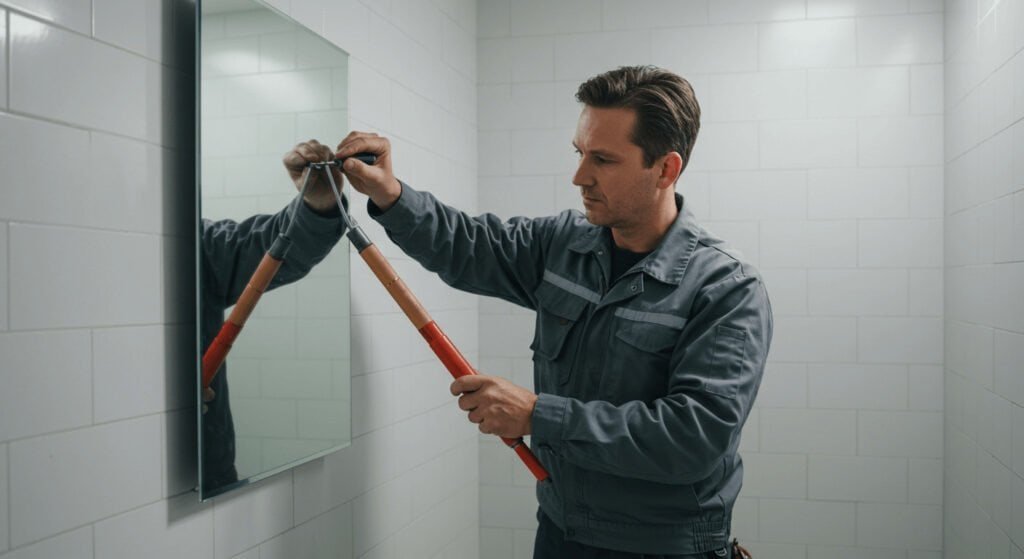
Have you ever tried to remove a mirror from your wall, only to find stubborn glue left behind? That sticky residue can be frustrating and tricky to get rid of.
But don’t worry—you don’t have to live with it or damage your wall trying to scrape it off. You’ll discover simple, effective ways to remove mirror glue without stress or mess. Keep reading, and you’ll learn how to restore your wall to its clean, smooth state quickly and easily.
Credit: www.diychatroom.com
Prepare The Area
Preparing the area is essential before removing mirror glue from the wall. It helps avoid damage and keeps the space clean. Take time to gather tools and protect nearby surfaces. This approach makes the job easier and safer.
Gather Necessary Tools
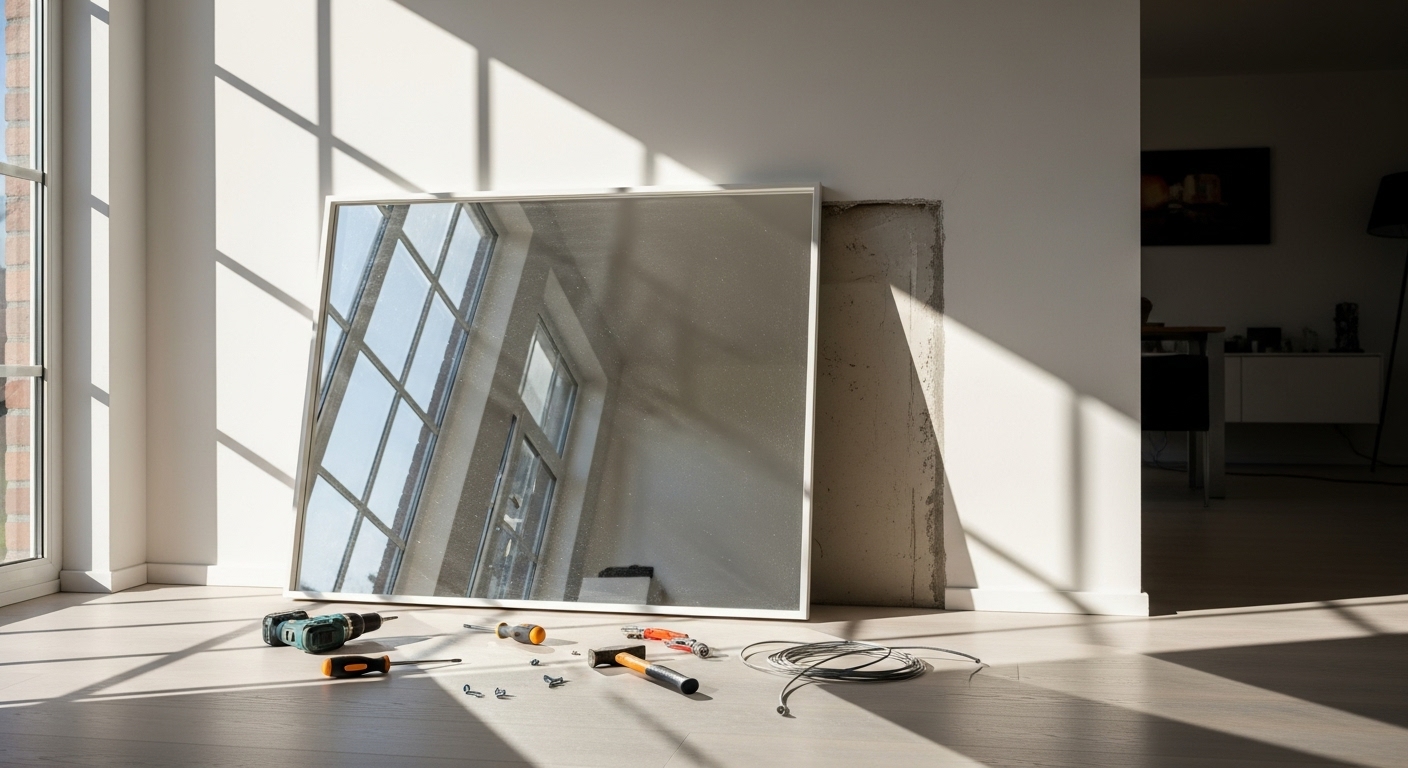
Collect all needed tools before starting. Common items include:
- A scraper or putty knife
- Glue remover or rubbing alcohol
- Soft cloths or sponges
- Protective gloves
- A plastic container for cleaning solutions
- A step ladder for high areas
Having these tools ready saves time and reduces stress.
Protect Surrounding Surfaces
Cover nearby surfaces to prevent damage. Use painter’s tape around the mirror area. Place drop cloths or old towels on the floor. Shield furniture and fixtures from drips and scratches. This precaution keeps your space neat and avoids extra cleanup.
Credit: mirrorvista.com
Identify The Glue Type
Different types of glue need different removal methods. Knowing the glue type helps choose the right cleaner or tool. Check the glue’s texture and label for clues.
Identifying the type of glue is the first step in successfully removing mirror glue from your wall. Different adhesives have unique characteristics and require specific removal techniques. Knowing what you’re dealing with can save you time and prevent damage to your wall.Common Mirror Glues
- Silicone Adhesive:Often clear or white, silicone adhesive is flexible and water-resistant. It’s a popular choice for bathroom mirrors.
- Epoxy Resin:This is a strong, durable adhesive often used for heavy-duty mirrors. It can be identified by its solid and often slightly yellowish appearance.
- Acrylic Adhesive:Known for its fast-setting properties, acrylic adhesive is usually clear and dries quickly.
Choosing The Right Removal Method
Selecting the correct method to remove the glue depends largely on its type. For silicone adhesive, using a razor blade scraper gently can be effective. If the glue is epoxy-based, consider applying a heat gun to soften it before scraping. Have you ever tried using a commercial glue remover? These can be particularly helpful for stubborn acrylic adhesives. Always test a small area first to ensure the product doesn’t damage your wall.Use Heat To Soften Glue
Using heat is an effective way to soften mirror glue on walls. Heat breaks down the glue’s bond, making removal easier. It reduces the effort needed to scrape off the glue. Heat also helps protect the wall from damage during removal. Two common tools for applying heat are a hair dryer and a heat gun.
Applying A Hair Dryer
A hair dryer works well to soften glue gently. Hold the dryer close to the glue spot. Move it slowly in small circles to warm the glue evenly. Keep the heat on medium setting to avoid wall damage. After heating for a few minutes, test the glue with a plastic scraper. The glue should be soft and easier to peel off. Repeat heating if needed until the glue loosens completely.
Using A Heat Gun Safely
A heat gun provides stronger heat than a hair dryer. Use it carefully to avoid burning the wall paint. Hold the heat gun about 6 to 8 inches away from the glue. Keep the gun moving constantly to spread the heat evenly. Use the lowest heat setting suitable for softening glue. Always wear heat-resistant gloves for safety. Stop heating if you see smoke or smell burning. Let the glue cool slightly before scraping it off.
Apply Solvents For Stubborn Glue
Stubborn mirror glue on walls can be tough to remove by scraping alone. Applying solvents helps dissolve the adhesive, making it easier to wipe away. Different solvents work better depending on the glue type and wall surface. Always test a small hidden spot first to avoid damage.
Using Rubbing Alcohol
Rubbing alcohol breaks down many types of glue without harming most paint finishes. Apply it to a cloth and press it against the glue spot. Let it sit for 5 to 10 minutes to soften the adhesive. Then gently rub the area to lift the glue. Repeat if needed until the glue loosens.
Trying Acetone Or Nail Polish Remover
Acetone is stronger and works well on tougher glue residues. Use pure acetone or nail polish remover containing acetone. Dampen a cotton ball and place it on the glue for a few minutes. This softens the glue for easier removal. Avoid acetone on delicate or painted walls, as it may damage them.
Natural Solvent Alternatives
Natural solvents like vinegar or lemon juice offer a gentler option. Soak a cloth in white vinegar or lemon juice and press it on the glue. Let it sit to weaken the adhesive. These options are safer for painted or delicate surfaces but may take longer to work. Wipe the area clean after treatment.
Scrape Off Glue Residue
Removing mirror glue from your wall can feel like a tough job, but scraping off the residue carefully is often the most effective way to restore a clean surface. The key is to use the right tools and methods that protect your wall while removing stubborn glue bits. Let’s look at how you can do this safely and efficiently.
Choosing The Right Scraper
Not all scrapers are created equal when it comes to removing glue from walls. You want a tool that is firm enough to lift the glue but gentle enough to avoid scratching or gouging the paint or drywall.
Here are some scraper options to consider:
- Plastic putty knife:Ideal for delicate surfaces. It’s rigid but less likely to damage paint.
- Metal scraper:Offers more power but requires careful handling to prevent wall damage.
- Credit card or old gift card:Surprisingly effective for thin layers of glue and very safe for walls.
Think about the glue’s thickness and your wall’s condition before picking a scraper. Have you ever used a plastic tool and been surprised by how well it works? It’s often the safest bet.
Techniques To Avoid Wall Damage
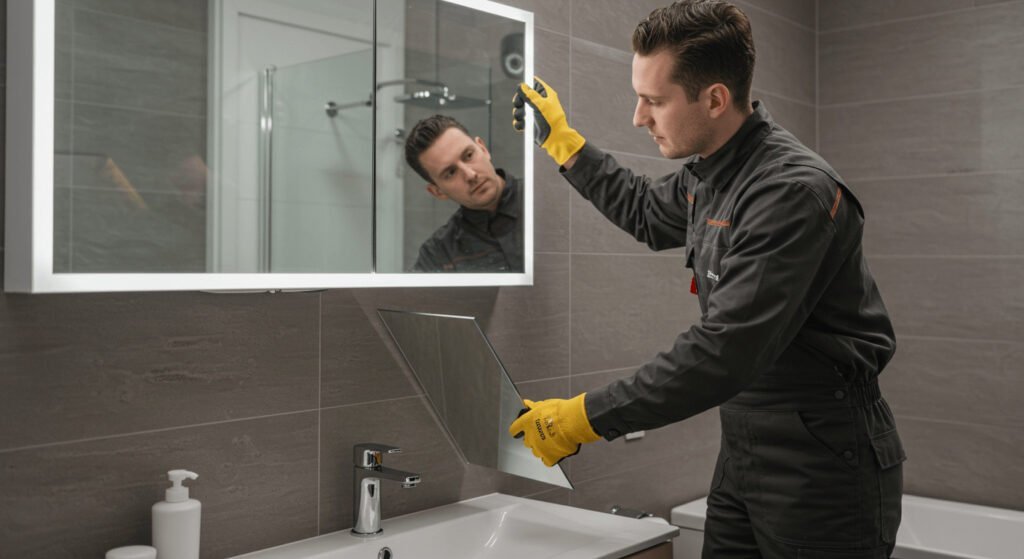
Scraping glue off can easily damage your wall if you’re not careful. The trick is to apply gentle, consistent pressure rather than forcing the scraper hard against the surface.
Try these tips for safer scraping:
- Work at a low angle:Hold your scraper almost parallel to the wall to lift glue without gouging.
- Use short, controlled strokes:Avoid long, forceful scrapes that can peel paint or drywall paper.
- Test a small area first:This helps you gauge the pressure needed without causing harm.
If the glue feels stubborn, soften it with a little warm water or a gentle adhesive remover before scraping. Have you noticed how often softening glue first makes the scraping process smoother and reduces the risk of damage?
Credit: bfymirror.com
Clean And Restore The Wall
After removing mirror glue from your wall, clean and restore the surface to make it look fresh again. This step helps remove leftover residue and prepares the wall for any repairs. A clean wall is essential before painting or hanging new decorations.
Wiping Down The Surface
Start by wiping the wall with a damp cloth to remove dust and glue bits. Use warm water mixed with mild soap for better cleaning. Gently scrub the area to avoid damaging the paint. Dry the wall with a clean towel to prevent water marks.
Repairing Minor Wall Damage
Check the wall for small holes or scratches left by the glue. Use a lightweight spackle or filler to fix these spots. Apply it with a putty knife and smooth the surface. Let the filler dry completely before sanding it gently. Paint over the repaired area to match the rest of the wall.
Prevent Future Glue Stains
Preventing glue stains on your wall saves time and keeps surfaces clean. Taking simple steps before hanging a mirror can stop glue residue from sticking. These tips protect your walls and make future removal easier.
Using Protective Backings
Place a protective backing behind the mirror before attaching it. Materials like cardboard, plastic sheets, or foam pads work well. This layer catches any glue that might squeeze out. It also protects the wall paint or wallpaper from damage. Remove the backing carefully when you take down the mirror to avoid pulling off paint.
Selecting Removable Adhesives
Choose adhesives designed for easy removal. Look for glue strips or tapes labeled “removable” or “damage-free.” These products hold mirrors securely but peel off cleanly. Avoid strong, permanent glues that leave stains or peel paint. Test a small spot first to check how the adhesive interacts with your wall surface.
Frequently Asked Questions
How Can I Safely Remove Mirror Glue From Walls?
Use a plastic scraper to gently lift the glue. Apply warm soapy water or rubbing alcohol to soften it. Avoid harsh chemicals that can damage paint or drywall.
What Household Items Help Dissolve Mirror Glue?
Rubbing alcohol, vinegar, or warm soapy water work well. These soften the glue without harming your wall’s surface. Always test a small area first.
Is It Necessary To Repaint After Removing Mirror Glue?
Sometimes, glue removal may damage paint. If the wall surface looks uneven or stained, repainting may be needed for a clean finish.
How Long Does It Take To Remove Mirror Glue From A Wall?
Removing mirror glue usually takes 15 to 30 minutes. Time varies depending on glue thickness and wall type. Patience and gentle scraping help prevent damage.
Conclusion
Removing mirror glue from your wall takes patience and the right tools. Use gentle scraping and warm soapy water to soften glue. Avoid harsh chemicals that can damage paint or drywall. Clean the area carefully to keep your wall smooth.
Take your time and work slowly to prevent marks. This simple approach helps restore your wall’s look easily. Now, your wall is ready for new decorations or a fresh coat of paint. Clean walls make any room feel brighter and more inviting.



