
Are you tired of feeling stuffy and uncomfortable in your own room? Poor air flow can make any space feel cramped and stale, but the good news is you don’t have to live with it.
Imagine stepping into a room that feels fresh, cool, and full of life every time you enter. Increasing the air flow in your room not only boosts comfort but also improves your health and energy levels. You’ll discover simple and effective ways to breathe new life into your space.
Ready to transform your room into a breath of fresh air? Keep reading to find out how.

Credit: www.achrnews.com
Assess Room Airflow
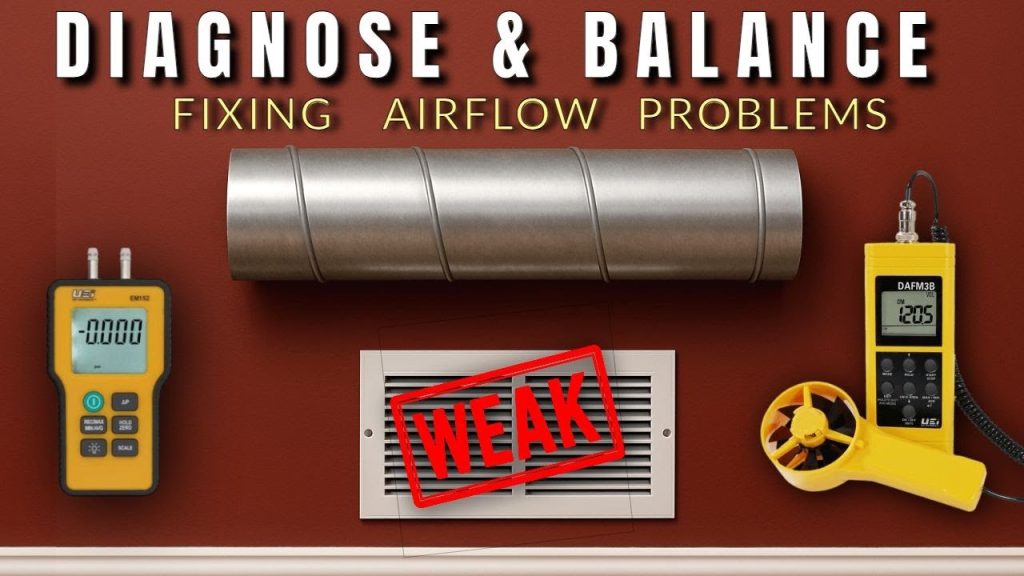
Assessing the airflow in a room helps improve comfort and ventilation. It reveals how air moves and where it slows down. This process allows easy identification of problems affecting air circulation. Once found, these issues can be fixed to boost fresh air flow.
Identify Airflow Blockages
Look for objects that stop air from moving freely. Furniture placed near vents can block airflow. Heavy curtains might prevent air from passing through windows. Clutter on the floor or walls can also slow air movement.
Check vents and air returns to see if they are clean and open. Dust or dirt buildup can reduce airflow. Remove any obstacles around these areas to help air flow better.
Check Window And Door Positions
Windows and doors affect how air enters and leaves a room. Make sure windows can open fully to let fresh air in. Doors should not be blocked or closed tightly if airflow is needed.
Try opening windows or doors on opposite sides to create a cross breeze. This simple step improves air circulation without extra tools. Keep in mind how outside wind direction changes airflow inside.
Use Fans Effectively
Fans are vital for boosting airflow in a room. They circulate air, making spaces more comfortable. Using fans effectively involves choosing the right type and placing them optimally.
Choose The Right Fan Type
Selecting the proper fan type is crucial. Ceiling fans are great for large rooms. They move air efficiently across wide areas. Tower fans are ideal for tight spaces. They have a slim design and cover vertical spaces. Box fans are versatile and portable. They can be placed on windows or floors.
Optimal Fan Placement
Where you place your fan affects its efficiency. Position ceiling fans in the center of the room. This ensures even air distribution. For table or box fans, aim them towards open windows. This helps push out stale air and draw in fresh air. Avoid placing fans in corners. Air circulation is often limited there.
Improve Ventilation
Improving ventilation is key to increasing air flow in any room. Good ventilation removes stale air and brings fresh air inside. It helps lower humidity and reduces indoor pollutants. Simple changes can greatly enhance air movement and comfort.
Create Cross-ventilation
Cross-ventilation occurs when air flows between two opposite openings in a room. This creates a natural breeze that pushes out old air and pulls in fresh air.
- Open windows or doors on opposite walls.
- Keep interior doors open to help air move freely.
- Use window fans to direct air flow and speed up ventilation.
- Remove heavy curtains or objects blocking airflow near windows.
Cross-ventilation works best on windy days. It cools the room and refreshes the air without using energy.
Utilize Exhaust Fans
Exhaust fans remove hot, humid, or polluted air quickly. They are useful in kitchens, bathrooms, and laundry areas.
- Install exhaust fans near sources of moisture or odors.
- Turn on fans during cooking or showering to clear air fast.
- Choose fans with enough power for the room size.
- Clean fans regularly to maintain good performance.
Exhaust fans improve air quality and prevent mold growth by reducing moisture. They work well with natural ventilation methods.
Credit: justiceincorporated.com
Optimize Window Usage
Optimizing window usage is a simple way to increase airflow in any room. Windows are gateways for fresh air and natural ventilation. Using them correctly can make a noticeable difference in air circulation. Proper window management helps keep rooms cooler and fresher without extra energy use.
Open Windows Strategically
Open windows on opposite sides of the room or house. This creates a cross breeze that moves air efficiently. Open windows at different heights if possible. Cooler air enters from lower windows while warm air escapes through higher ones. Avoid opening all windows wide. Adjust the openings to control airflow based on wind direction.
Install Window Screens
Window screens allow fresh air in while keeping insects out. They enable windows to stay open longer without worry. Screens also filter out debris and some dust. Choose screens made of durable, fine mesh for better protection. Keep screens clean to maintain good airflow and visibility.
Control Indoor Temperature
Controlling indoor temperature plays a vital role in improving air flow within a room. Cooler air moves more easily and feels fresher, helping to keep the environment comfortable. Managing temperature also reduces humidity, which can make the room feel stuffy. Taking simple steps to control the temperature helps maintain steady air circulation and improves overall comfort.
Use Air Conditioning Wisely
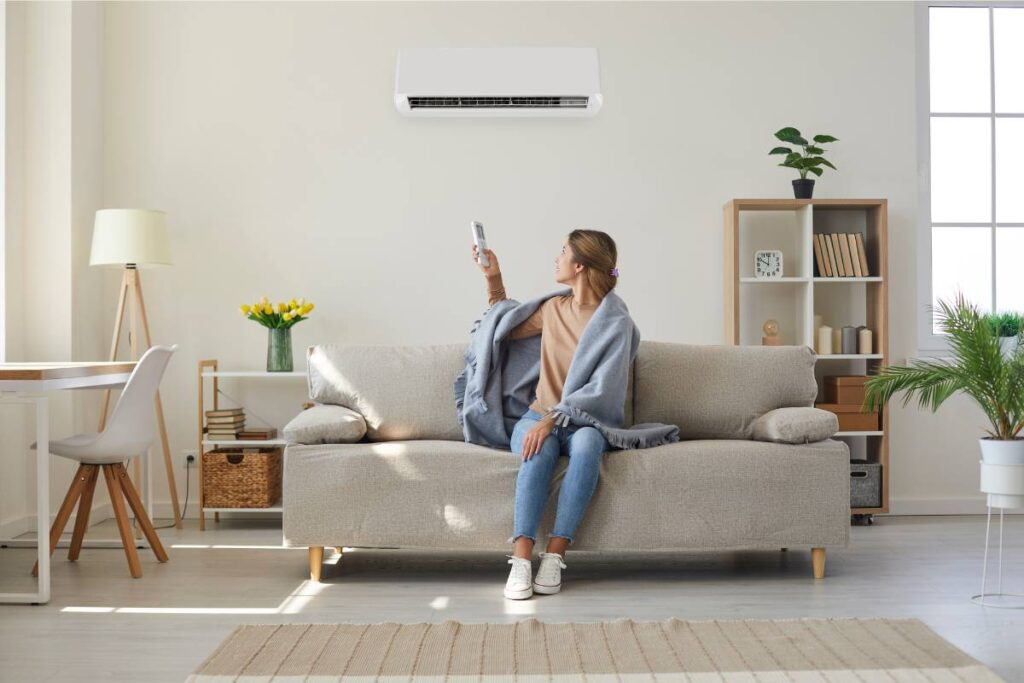
Air conditioners can cool a room quickly while moving air. Set the temperature to a comfortable level, not too cold. Use the fan mode to circulate air without extra cooling. Clean the filters regularly to keep air flowing smoothly. Avoid blocking vents with furniture or curtains. This helps the cool air spread evenly and improves circulation.
Incorporate Portable Coolers
Portable coolers offer flexible cooling options. Place them near windows or doorways to push cool air inside. They use less energy and are easy to move from room to room. Portable coolers add moisture to dry air, making the space feel fresher. Use them alongside fans to boost air flow. Clean the water tank often to prevent mold and odors.

Credit: www.achrnews.com
Maintain Clean Air Pathways
Maintaining clean air pathways is essential to boosting airflow in any room. Dust, dirt, and debris can clog your vents and filters, making it harder for fresh air to circulate. Keeping these pathways clear lets air move freely, improving both comfort and air quality.
Remove Dust And Debris
Dust buildup isn’t just an eyesore—it blocks air from flowing smoothly through your space. Regularly wiping down surfaces like window sills, fans, and air registers helps keep these pathways open.
Think about how often you vacuum or dust your room. If it’s less than once a week, dust and debris might be silently choking your airflow. Try adding a quick dusting session to your routine and see how much fresher the air feels.
Keep Vents And Filters Clean
Dirty vents and clogged filters are a major barrier to good airflow. Check your HVAC vents and replace or clean filters every few months to keep air moving efficiently.
You might be surprised how much difference a clean filter makes. I once neglected my air filter for months, and the room felt stuffy and stale. After swapping it out, the airflow improved instantly and the air smelled fresher.
Make it a habit to inspect vents for any blockages or dust buildup. A quick vacuum or brush can clear obstructions and help your system perform better.
Enhance Air Quality Naturally
Opening windows and doors helps fresh air circulate and reduces stuffiness. Placing fans near windows can push stale air out and draw fresh air in. Keeping vents clear allows air to flow freely, improving room freshness naturally.
Enhancing air quality naturally in your room doesn’t just elevate your comfort, it also boosts your health and productivity. By making a few thoughtful changes, you can create a space that feels fresher and more invigorating. Consider these simple yet effective methods to improve air quality without relying on artificial solutions.Add Indoor Plants
Indoor plants are like little green air purifiers. They absorb carbon dioxide and release oxygen, improving the air you breathe. Some plants, like the spider plant and peace lily, are particularly good at removing toxins. Imagine having a natural solution that not only beautifies your space but also cleans the air. Place a few of these plants around your room. You’ll notice a difference in how fresh the air feels.Use Natural Air Purifiers
Natural air purifiers are another great way to improve air quality. Salt lamps and beeswax candles, for example, can help remove pollutants from the air. These items are not just functional; they add a warm ambiance to your room. Have you ever felt the soothing glow of a salt lamp? It’s calming and practical. Consider adding these elements to your space and let nature do its work. By choosing these natural options, you’re taking a simple yet impactful step towards healthier living. What small change will you make today to enhance your environment?Seal And Insulate Properly
Sealing and insulating your room properly is key to improving airflow and maintaining a comfortable environment. Without these steps, air can escape through cracks or unprotected spaces, making your efforts to circulate fresh air less effective. You might think more fans or vents will solve airflow issues, but the real fix often lies in stopping unwanted leaks and adding insulation where it’s missing.
Fix Air Leaks
Air leaks are sneaky culprits that can disrupt airflow by letting conditioned air slip out and outside air sneak in. Check around windows, doors, electrical outlets, and baseboards for gaps or cracks. Even small leaks can add up to big problems.
Use weatherstripping or caulk to seal these gaps. You don’t need expensive tools—just a tube of caulk and a good eye. Have you noticed drafts on cold days or sudden temperature changes near certain spots? Those are signs of leaks waiting to be fixed.
Insulate Walls And Ceilings
Insulation helps keep your room’s temperature stable, which supports better airflow by reducing the load on your heating and cooling systems. Walls and ceilings are major areas where heat can escape or enter, impacting how air moves around.
Adding insulation doesn’t have to be complicated. You can install foam panels or fiberglass batts yourself, or hire a professional for blown-in insulation to cover hard-to-reach spots. Ask yourself: how well does your room hold heat in winter or stay cool in summer? If it struggles, improving insulation might be the missing piece.
Frequently Asked Questions
How Can I Improve Air Flow In A Small Room?
Use a fan to circulate air and open windows for cross ventilation. Keep doors open to enhance airflow and reduce clutter that blocks air movement.
What Furniture Arrangement Boosts Room Air Circulation?
Arrange furniture away from windows and vents. Avoid blocking airflow paths by keeping large items clear of doors and windows to allow smooth air passage.
Does Adding Plants Increase Room Air Flow?
Plants improve air quality but don’t significantly increase airflow. They help by absorbing pollutants, making the room feel fresher and more comfortable.
How Do Vents Affect Room Air Flow?
Clean and unblock vents regularly to maintain proper airflow. Ensure vents are open and unobstructed to allow efficient air movement throughout the room.
Conclusion
Improving air flow in your room makes it feel fresher and cooler. Open windows and doors to help air move freely. Use fans to push air around and avoid stuffiness. Keep vents clean and clear of obstacles. Adding plants can also help improve air quality.
Small changes can make a big difference over time. Breathe easier and enjoy a more comfortable space every day.



