
Are you wondering how to keep your home comfortable all year round without juggling multiple devices? Understanding what central air and heating is could be the key to making your living space cozy, no matter the season.
Imagine a system that cools your home in the summer and warms it in the winter—all controlled from one place. If you want to learn how this works and why it might be the perfect solution for your home, keep reading.
This guide will break down everything you need to know in simple terms, so you can make smart choices for your comfort and energy bills.
Central Air And Heating Basics
Understanding the basics of central air and heating is essential if you want to keep your home comfortable year-round. These systems manage indoor temperature by distributing cooled or heated air through your living space. Knowing how they work and what parts are involved can help you troubleshoot issues and make smarter choices about maintenance and upgrades.
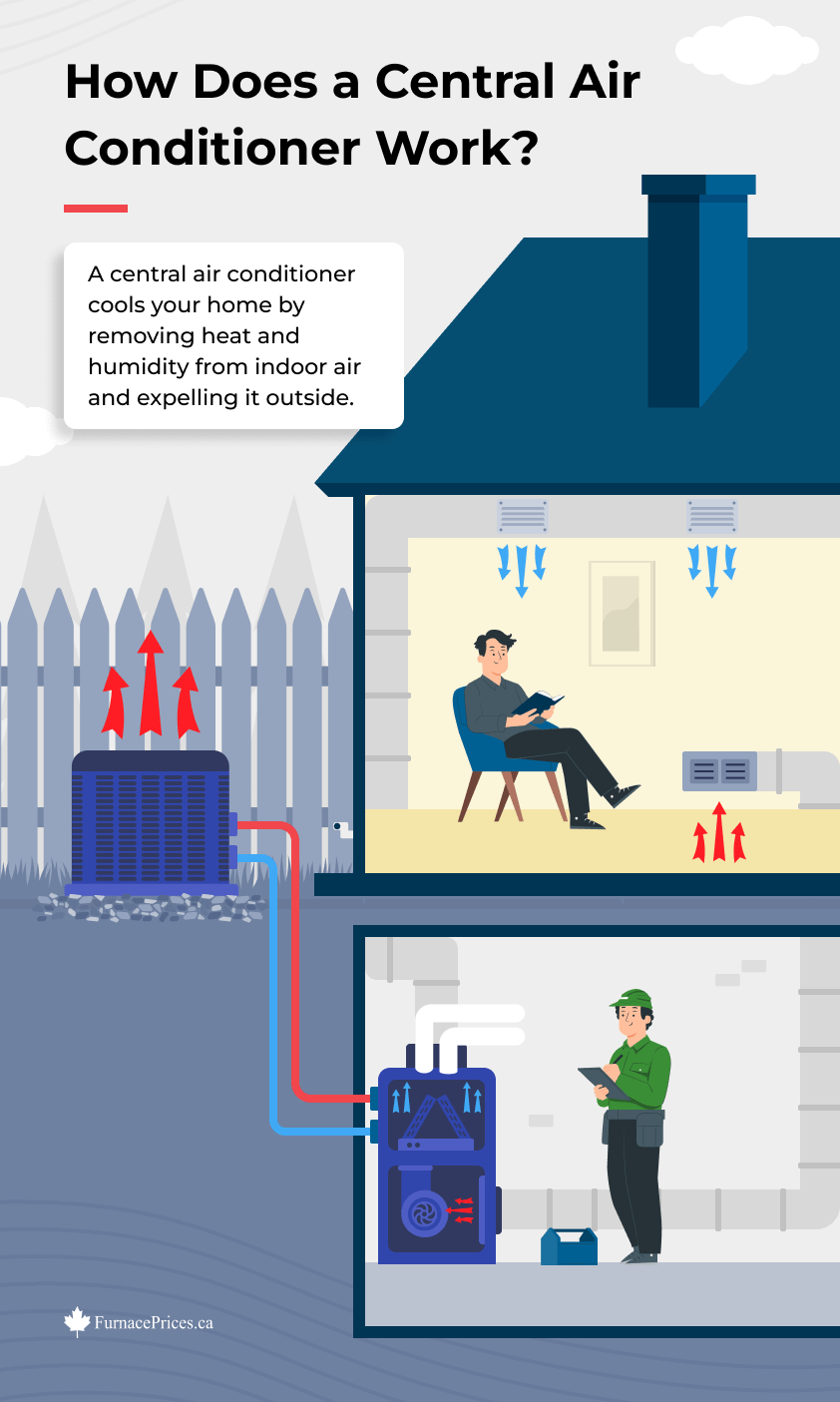
How Central Systems Work
Central air and heating systems rely on a network of ducts to move air throughout your home. The system cools or heats the air in one central location, then pushes it through vents in each room. This setup allows for even temperature control without the need for multiple units.
Think about the last time your home felt unevenly warm or cool. That could mean your system isn’t distributing air properly. Wouldn’t it be great to fix that without calling a technician every time?
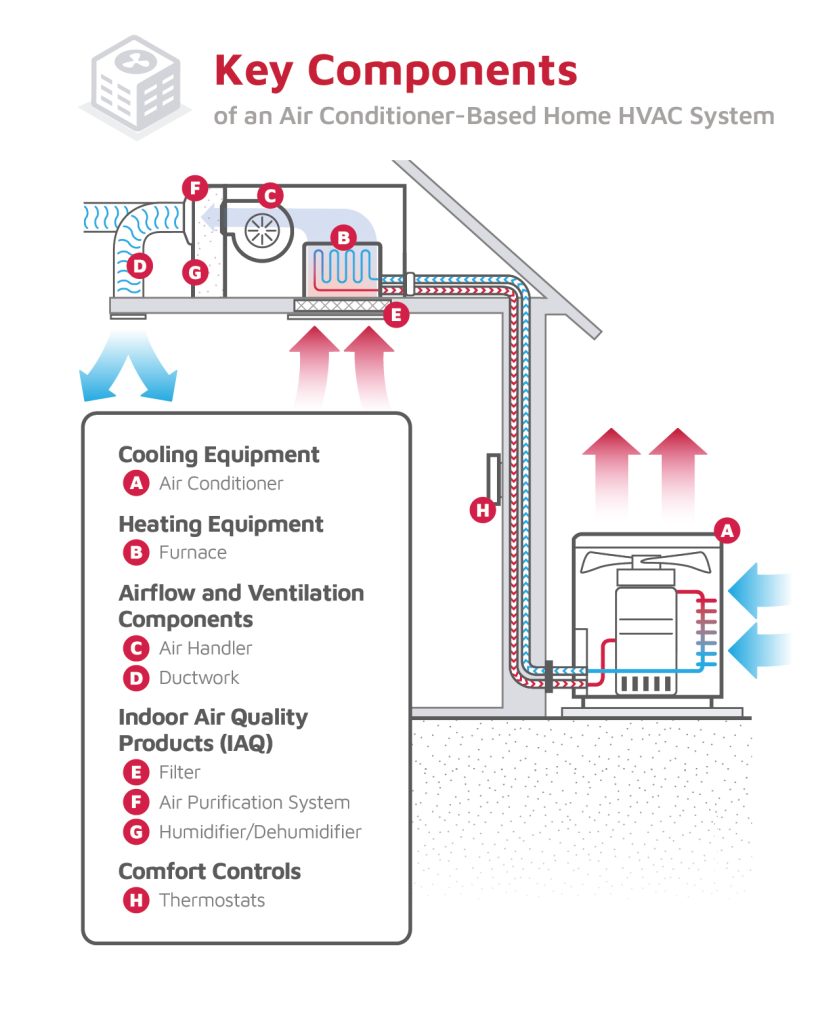
Key Components Explained
Several parts work together to make central air and heating systems function smoothly:
- Thermostat:The control center where you set your desired temperature.
- Furnace or Heat Pump:Produces warm air during cold months.
- Air Conditioner:Removes heat and humidity from inside your home.
- Ductwork:Channels air to different rooms.
- Blower Fan:Moves air through the ducts.
- Air Filter:Keeps dust and debris out of your system.
Knowing these parts can help you spot when something might be off. For example, a dirty air filter can reduce airflow and make your system work harder. Have you checked yours recently?
Credit: www.furnaceprices.ca
Benefits Of Central Air And Heating
Central air and heating systems offer many benefits for homes and businesses. These systems provide consistent temperature control throughout the entire space. They help save energy and improve the overall comfort of indoor environments. Many people choose central air and heating to enhance their living experience.
Energy Efficiency Advantages
Central air and heating systems use less energy than individual units. They run on a single, efficient system that cools or heats the whole building. This reduces electricity bills and lowers energy waste. Modern systems include smart thermostats that optimize energy use automatically.
Improved Indoor Comfort
These systems keep the temperature steady in every room. No more hot or cold spots inside your home. Central air and heating also control humidity, making the air feel more comfortable. Quiet operation adds to a peaceful indoor environment.
Enhanced Air Quality
Central air systems filter the air to remove dust, pollen, and allergens. This leads to cleaner and healthier air inside. Proper ventilation reduces mold and mildew growth. It helps people with allergies or asthma breathe easier.
Types Of Central Systems
Central air and heating systems come in several types. Each system has a unique way of managing indoor temperature. Knowing the differences helps in choosing the right one for your home. The main types include split systems, packaged systems, and heat pumps.
Split Systems
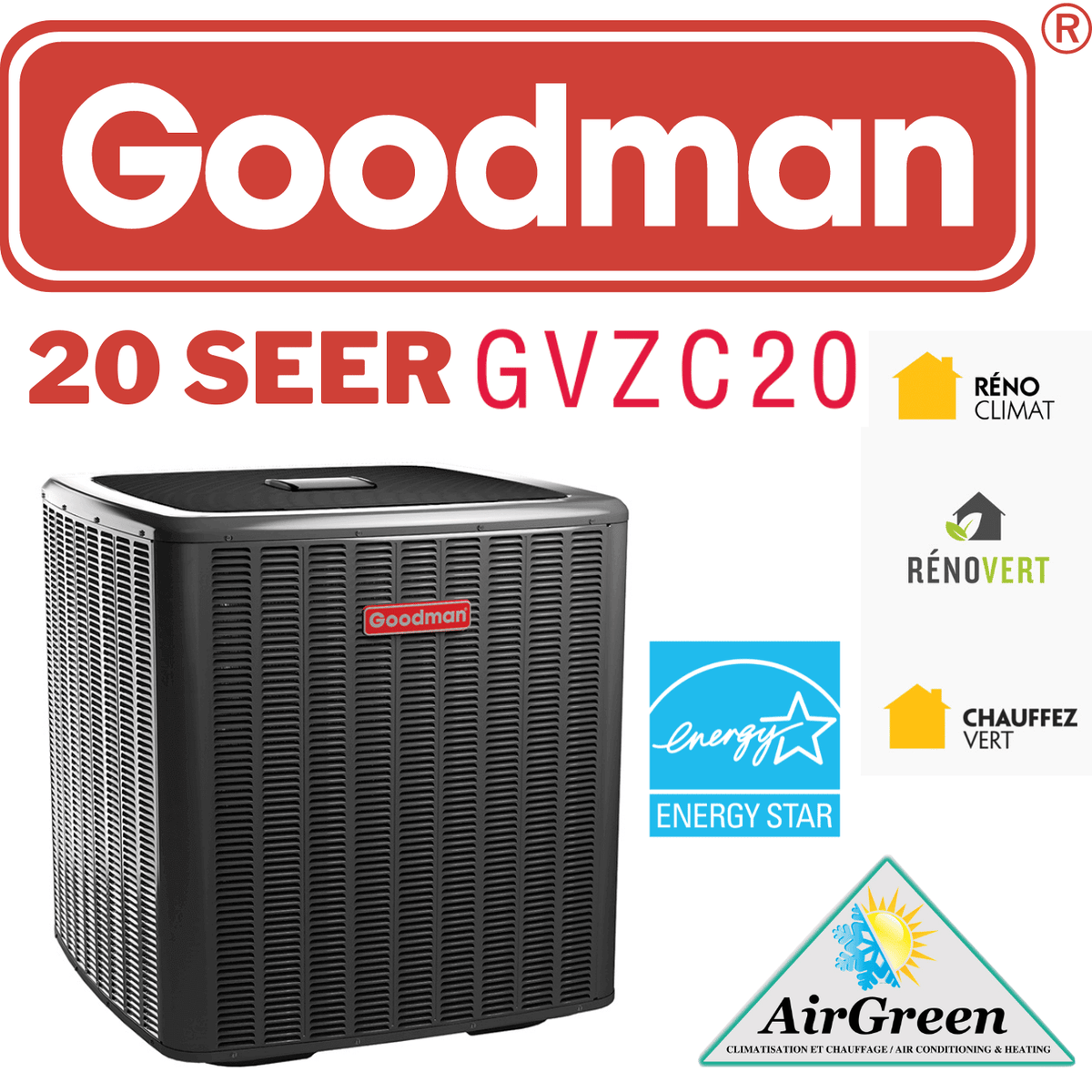
Split systems have two main parts: an outdoor unit and an indoor unit. The outdoor unit contains the compressor and condenser. The indoor unit handles air distribution and contains the evaporator coil. These systems are common in many homes. They offer efficient cooling and heating by separating the components.
Packaged Systems
Packaged systems place all parts in one outdoor unit. They combine heating and cooling functions into a single box. This setup saves indoor space. It is often used when indoor space is limited. The system connects directly to the ductwork inside the home.
Heat Pumps
Heat pumps provide both heating and cooling by moving heat. They work like an air conditioner in summer and a heater in winter. Heat pumps are energy efficient and cost-effective. They work best in moderate climates. Some models can also include a backup heating source.
Credit: airgreen.ca
Choosing The Right System
Choosing the right central air and heating system is important for comfort and efficiency. The perfect system matches your home’s size, energy needs, and budget. A well-chosen system saves money and keeps your home cozy all year.
Sizing And Capacity Factors
Size matters. A system too small cannot cool or heat properly. Too large wastes energy and causes wear. Consider:
- Square footage of your home
- Number of rooms
- Insulation quality
- Local climate
Professional sizing helps find the right capacity. It ensures comfort without overspending.
Fuel And Energy Sources
Central systems use different fuels and energy. Common options include:
- Electricity
- Natural gas
- Oil
- Propane
Energy choice affects cost and efficiency. Electric systems are cleaner but may cost more. Gas systems often save money but need proper ventilation. Choose a fuel type that suits your area and preferences.
Budget Considerations
Set a clear budget before buying. Costs include:
- Equipment price
- Installation fees
- Maintenance expenses
- Energy bills
Balance upfront cost and long-term savings. Sometimes spending more upfront means paying less later. Look for systems with good warranties and energy ratings.
Installation Process
Central air and heating systems keep your home comfortable by cooling and warming the air. Installation involves placing indoor and outdoor units, connecting ductwork, and setting up controls. Proper setup ensures efficient temperature control throughout your space.
The installation process of central air and heating systems can feel like a daunting task, but understanding the steps involved can ease the journey. Whether you’re considering a professional installation or contemplating a DIY approach, knowing what to expect can save you time and stress. Let’s explore the specifics of the installation process to help you make informed decisions.Professional Vs. Diy Installation
Deciding between professional installation and a DIY approach depends on your comfort level with complex projects. Professional installers bring expertise, ensuring everything is set up correctly and efficiently. They can also help with any unexpected challenges that arise during the process. On the other hand, if you’re a hands-on person with some technical know-how, DIY installation might appeal to you. It can save on labor costs, but it’s crucial to ensure you have the right tools and information to avoid costly mistakes. Ask yourself if you’re ready for the challenge and if you have the time and patience to see it through.Typical Installation Steps
The installation process typically begins with assessing your home’s layout and energy needs. This helps in determining the right size and type of system for your space. Once decided, the next steps generally include: – Preparing the Site: This involves clearing the installation area and ensuring proper support for the equipment. – Installing Indoor and Outdoor Units: These units must be placed strategically for optimal airflow and efficiency. – Connecting Ductwork and Wiring: Proper connections are vital for the system to function effectively and safely. Each step requires attention to detail to ensure the system operates at peak performance. Skipping or rushing through steps can lead to future problems, so take your time.Common Challenges
One common challenge during installation is dealing with unexpected structural issues. For example, your home may require additional support or modifications to accommodate the new system. This can increase costs and time, so it’s important to plan for potential surprises. Another challenge is ensuring proper sealing and insulation of ductwork. Poor sealing can lead to energy loss and inefficiency, which impacts your comfort and utility bills. You might also face difficulties with zoning regulations and permits, which are crucial to address before starting any installation. Are you prepared to tackle these challenges head-on? Understanding what lies ahead can help you decide whether to hire a professional or roll up your sleeves for a DIY project.Maintenance Tips For Longevity
Maintaining your central air and heating system helps it run smoothly for years. Regular care prevents breakdowns and saves money on repairs. Simple habits keep your system efficient and extend its lifespan.
Regular Filter Replacement
Change the air filter every 1 to 3 months. A clean filter improves airflow and air quality. Dirty filters make the system work harder, using more energy. Check the filter monthly during heavy use seasons.
Seasonal System Checks
Schedule professional inspections twice a year, before summer and winter. Experts clean coils, check refrigerant levels, and test system components. Seasonal checks catch problems early and improve system efficiency. Keep your home comfortable with timely maintenance.
Troubleshooting Common Issues
Listen for unusual noises or smells from the unit. Check thermostat settings if the system doesn’t turn on. Clear debris around outdoor units to maintain airflow. Reset circuit breakers if the system stops working. Early fixes prevent bigger problems later.
Energy Saving Strategies
Saving energy with your central air and heating system not only cuts down your bills but also extends the life of your equipment. Small changes in how you manage your system can lead to noticeable savings. Let’s look at practical strategies that make a real difference in energy use.
Smart Thermostat Integration
Using a smart thermostat can transform how you control your home’s temperature. These devices learn your schedule and adjust settings automatically, reducing energy waste when you’re away or asleep.
Imagine coming home to a perfectly cooled or heated house without running the system all day. You can also control the thermostat from your phone, so you’re never heating or cooling an empty house.
Have you checked if your current thermostat supports smart features? Upgrading could be the easiest way to start saving energy immediately.
Sealing And Insulation
Energy savings start with keeping the conditioned air inside your home. Sealing gaps around windows, doors, and ductwork stops air leaks that force your system to work harder.
Adding insulation in the attic or walls keeps heat out during summer and in during winter. This reduces the load on your central air and heating system.
Think about the last time you felt a draft by a window or door. Fixing that small leak could save you hundreds of dollars a year on energy.
Efficient Usage Practices
How you use your central air and heating system greatly affects energy consumption. Set your thermostat to the highest comfortable temperature in summer and the lowest comfortable temperature in winter.
Close vents and doors in rooms you rarely use to avoid wasting energy on empty spaces. Regularly changing your air filters keeps your system running efficiently and improves air quality.
Have you noticed your energy bills spike during extreme weather? Adjusting your system’s use during these times can prevent unnecessary energy waste.
Signs To Upgrade Or Replace
Signs like rising energy bills and uneven room temperatures suggest it’s time to upgrade or replace your central air and heating system. Strange noises or frequent repairs also mean your system may no longer work efficiently. Act early to keep your home comfortable year-round.
Wondering if it’s time to upgrade or replace your central air and heating system? Many homeowners face this dilemma, especially when the seasons change. Recognizing the signs can help you make an informed decision, ensuring comfort and efficiency in your home.Age And Wear Indicators
The age of your unit is a critical factor. Most central air and heating systems last between 15 to 20 years. If yours is nearing this age, it might be time to consider an upgrade. Older systems often show signs of wear and tear. You might notice unusual noises or a struggle to maintain consistent temperatures. These are red flags that your system is reaching the end of its lifespan.Rising Energy Bills
Have your energy bills been steadily climbing? This is often a sign of inefficiency. As central air and heating systems age, they require more energy to function at the same level. An upgraded system can offer improved energy efficiency. Newer models often come with advanced technology that reduces energy consumption, saving you money in the long run.Frequent Repairs
Are you constantly calling the repairman? Frequent repairs are not only frustrating but also costly. It might be more economical to replace your system than to keep fixing it. Evaluate the cost of repairs over the past year. If it’s more than half the cost of a new system, replacement is likely your best option. Investing in a new system can provide peace of mind and fewer repair bills in the future. When was the last time you checked your central air and heating system? Proactively assessing its condition can lead to a more comfortable and cost-effective home environment.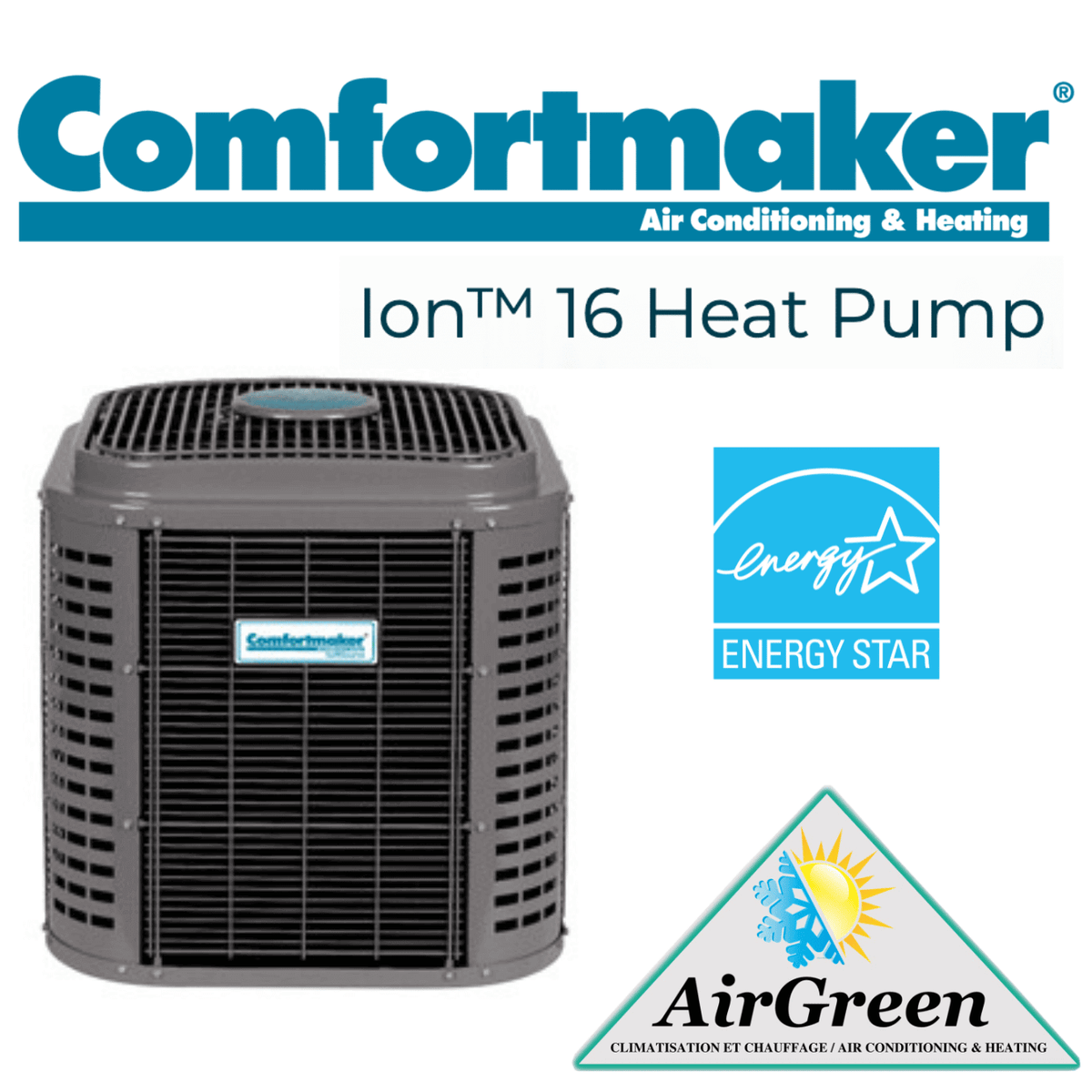
Credit: airgreen.ca
Frequently Asked Questions
What Is Central Air And Heating System?
Central air and heating is a system that cools and heats an entire building. It uses ducts to distribute air evenly. This system controls indoor temperature efficiently and improves comfort in all rooms.
How Does Central Air And Heating Work?
It pulls air from inside your home, cools or heats it, then pushes it through ducts. A thermostat controls temperature settings. This cycle keeps your space comfortable year-round.
What Are The Benefits Of Central Air And Heating?
Central systems offer consistent temperature control, better air quality, and energy efficiency. They are quieter and require less maintenance compared to window units or space heaters.
How Often Should Central Air And Heating Be Serviced?
Professional servicing is recommended at least once a year. Regular maintenance improves efficiency, extends system life, and prevents costly repairs.
Conclusion
Central air and heating systems keep your home comfortable year-round. They cool the air in summer and warm it in winter. These systems work quietly and save space inside your home. Regular maintenance helps them run efficiently and last longer.
Choosing the right system depends on your home size and budget. Understanding how central air and heating work helps you make smart decisions. A comfortable home is just a system away.



