
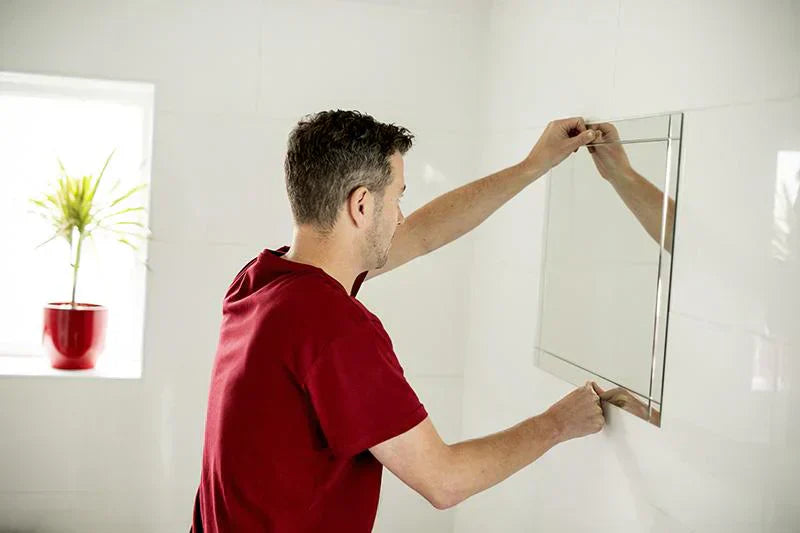
Hanging a mirror on your wall might seem simple, but doing it right can transform your space instantly. Imagine adding light, depth, and style with just one piece – that’s the power a well-placed mirror holds.
If you want to avoid mistakes that could damage your walls or leave your mirror crooked, this guide is for you. Keep reading, and you’ll learn easy, step-by-step tips to hang your mirror securely and beautifully every time. Your walls—and your reflection—will thank you.

Credit: www.yahoo.com
Choosing The Right Mirror
Choosing the right mirror is more than picking a reflective surface—it can transform your space and boost your room’s vibe. The perfect mirror complements your room’s size, style, and purpose. Before hanging it, think about what suits your wall and your lifestyle best.
Selecting Size And Shape
The size of your mirror affects how much light it reflects and how it fits your wall. A large mirror can make a small room feel bigger, while a smaller one adds a subtle touch without overwhelming the space.
Consider shapes beyond the standard rectangle. Round, oval, or geometric mirrors add character and soften sharp corners. Ask yourself: do you want the mirror to be a bold centerpiece or a functional accent?
Considering Frame Style
The frame sets the tone of your mirror and can either blend in or stand out. Choose a frame that matches your room’s mood—sleek metal for modern, rustic wood for cozy, or ornate designs for a classic feel.
Remember, the frame doesn’t have to match your furniture perfectly but should complement the overall style. Think about texture and color—does a dark frame create contrast, or does a light one keep things airy?
Matching Room Decor
Your mirror should work with the existing decor, not fight it. Look at your wall colors, furniture, and accessories to find a mirror that fits harmoniously.
Try to balance elements like color, pattern, and material. If your room has bold wallpaper, a simple mirror works best. In a minimalist space, a decorative frame can add warmth and interest.

Credit: www.rjliving.com.au
Finding The Perfect Spot
Choosing a spot with good lighting helps your mirror reflect light and brighten the room. Avoid placing it too high or low for easy use and better style. Find a wall that suits your space and fits the mirror size well.
Finding the perfect spot to hang a mirror is more than just about aesthetics. The right placement can amplify light, enhance space, and create a focal point in any room. Whether it’s your living room, bedroom, or hallway, taking a moment to carefully consider the location can make all the difference.Assessing Wall Space
Start by examining the wall space available. Measure the dimensions to ensure your mirror will fit comfortably without overwhelming the area. Consider the balance between the mirror and other elements like furniture, artwork, or windows. A too-small mirror might get lost, while a too-large mirror could dominate the room. Visualize how the mirror will interact with its surroundings to create harmony and balance.Considering Lighting
Lighting plays a pivotal role in mirror placement. Natural light can highlight your mirror, making it a stunning centerpiece. Place your mirror opposite a window to reflect light and brighten the room. But don’t overlook artificial lighting. Ensure nearby lamps or ceiling lights illuminate the mirror without causing glare. A well-lit mirror adds warmth and depth to your space.Avoiding Obstructions
Identify any potential obstructions that could affect your mirror’s placement. Check for light switches, vents, or picture frames that might get in the way. Ensure the mirror is easily accessible and doesn’t interfere with daily activities. Imagine getting ready in the morning and constantly bumping into the mirror—an avoidable hassle! Keep the area around the mirror clean and free from clutter to maintain a sleek and stylish look.Gathering Tools And Materials
Before hanging a mirror on the wall, gather all necessary tools and materials. This preparation ensures a smooth and safe installation process. Having everything ready saves time and avoids interruptions. The right tools and materials help secure the mirror firmly and prevent damage to the wall.
Essential Tools
- Measuring tape – for accurate placement
- Level – to keep the mirror straight
- Hammer or drill – depending on wall type
- Screwdriver – to tighten screws
- Pencil – to mark drilling spots
- Stud finder – to locate wall studs
Types Of Wall Anchors
Wall anchors provide extra support for heavy mirrors. Choose anchors based on wall material and mirror weight. Here are common types:
| Anchor Type | Best For | Weight Support |
|---|---|---|
| Plastic expansion anchors | Drywall | Light to medium |
| Toggle bolts | Hollow walls | Heavy |
| Molly bolts | Drywall and plaster | Medium to heavy |
| Concrete anchors | Concrete or brick walls | Heavy |
Safety Gear
- Safety goggles – protect eyes from dust and debris
- Gloves – protect hands from sharp edges
- Dust mask – avoid inhaling dust
Preparing The Wall
Preparing the wall is a crucial step before hanging a mirror. It ensures the mirror stays secure and looks great on your wall. Taking time to prepare the surface prevents damage and keeps the mirror stable.
Cleaning The Surface
Start by removing dust, dirt, and grease from the wall. Use a damp cloth or mild cleaner for best results. A clean surface helps adhesives and hooks stick better. Avoid harsh chemicals that might damage paint or wallpaper. Let the wall dry completely before moving on.
Locating Studs
Find the wall studs to support the mirror’s weight. Use a stud finder or tap the wall to hear solid spots. Studs provide a strong anchor for heavy mirrors. If no studs are available, use wall anchors rated for the mirror’s weight. Proper support keeps the mirror from falling.
Marking Placement
Decide exactly where the mirror will hang. Use a pencil to mark the top edge and hanging points. Measure twice for accuracy and use a level to keep the marks straight. Clear markings guide drilling and reduce mistakes. This step ensures the mirror hangs evenly and looks balanced.
Hanging The Mirror
Hanging a mirror on the wall requires careful preparation and precise work. A properly hung mirror enhances room light and style. The process involves installing hooks or anchors, securing the mirror, and checking its stability. Follow these steps to hang your mirror safely and neatly.
Installing Hooks Or Anchors
Choose hooks or anchors based on your wall type and mirror weight. For drywall, use wall anchors to prevent damage. Mark the spots where you want to place the hooks. Use a level to ensure the marks are even. Drill holes carefully at the marked points. Insert the anchors and then screw in the hooks firmly. This setup holds the mirror securely without slipping.
Securing The Mirror
Lift the mirror with help to avoid accidents. Align the mirror’s hanging hardware with the hooks on the wall. Gently hang the mirror on the hooks. Make sure the mirror rests evenly on both hooks. Adjust the position slightly if needed for perfect alignment. This step ensures the mirror stays straight and looks balanced.
Checking Stability
Test the mirror’s stability by gently shaking it. The mirror should not move or tilt. Check that the hooks or anchors remain tight in the wall. Use a level to confirm the mirror is straight. Secure any loose hardware immediately. A stable mirror is safe and enhances your room’s decor.
Adjusting For Perfect Alignment
Adjusting a mirror for perfect alignment is essential for a polished look. A well-aligned mirror enhances the room’s style and reflects light evenly. Small shifts can make a big difference in how the mirror sits on the wall. This section covers simple ways to level, fine-tune, and secure your mirror.
Leveling Techniques
Use a spirit level to check the mirror’s balance. Place it on top of the mirror frame. Adjust the mirror until the bubble is centered between the lines. If you don’t have a spirit level, a smartphone app can work well. Hold the phone flat against the mirror frame and adjust until it shows level. Mark the final position lightly with a pencil for reference.
Fine-tuning Position
Step back and view the mirror from different angles. Small tilts can change the reflection and room feel. Adjust the hooks or mounting points slightly to perfect the angle. Use a soft cloth or rubber pads behind the mirror corners to control tilt. Make sure the mirror does not touch the wall surface unevenly. Check again with a level after each adjustment.
Preventing Slippage
Slippage can cause the mirror to hang crooked or fall. Use adhesive strips or rubber bumpers behind the mirror’s bottom corners. These create friction and hold the mirror steady. Double-check that hooks or brackets are tight and secure. For heavier mirrors, consider using wall anchors or special mirror clips. These add extra support and keep the mirror firmly in place.
Maintaining Your Mirror
Maintaining your mirror keeps it clear and secure for years. Regular care prevents damage and maintains its shine. A clean and well-held mirror improves any room’s look. Follow these simple steps to keep your mirror in top shape.
Cleaning Tips
- Use a soft cloth to avoid scratches.
- Spray glass cleaner on the cloth, not the mirror.
- Wipe gently in circular motions to remove spots.
- Avoid using harsh chemicals or abrasive materials.
- Clean the edges carefully to prevent moisture damage.
Inspecting Mounts
Check the mirror mounts regularly for signs of wear or looseness. Tighten screws or hooks that feel weak. Look for rust or damage on metal parts. Ensure the mirror hangs straight and does not tilt. Proper mounts keep your mirror safe and stable.
Addressing Damage
Small chips or cracks should be treated quickly. Use clear glue for minor cracks to stop spreading. Replace broken mounting hardware immediately. If the mirror glass is deeply damaged, consider professional repair or replacement. Acting fast avoids accidents and costly repairs.

Credit: ledmirrorworld.co.uk
Frequently Asked Questions
How Do I Hang A Mirror Without Damaging Walls?
Use adhesive strips or hooks designed for mirrors. These hold weight without nails or screws. Clean the wall surface before applying for better grip. Avoid heavy mirrors with this method.
What Tools Are Needed To Hang A Mirror Securely?
You need a drill, level, measuring tape, screws, and wall anchors. A pencil helps mark spots. These tools ensure your mirror hangs straight and safely on the wall.
How High Should I Hang A Mirror On The Wall?
Hang the mirror so its center is at eye level, around 57-60 inches from the floor. This height suits most people and rooms, improving aesthetics and usability.
Can I Hang A Mirror On Drywall Without Studs?
Yes, use heavy-duty wall anchors or toggle bolts. These provide strong support in drywall without studs. Avoid hanging heavy mirrors without proper anchors to prevent damage.
Conclusion
Hanging a mirror on the wall is simple with the right steps. Choose the right tools and spot on your wall. Measure carefully and use proper anchors to keep it safe. Take your time to ensure the mirror is level and secure.
A well-hung mirror can brighten any room and add style. Now, you can hang mirrors with confidence and ease. Enjoy your refreshed space!



