
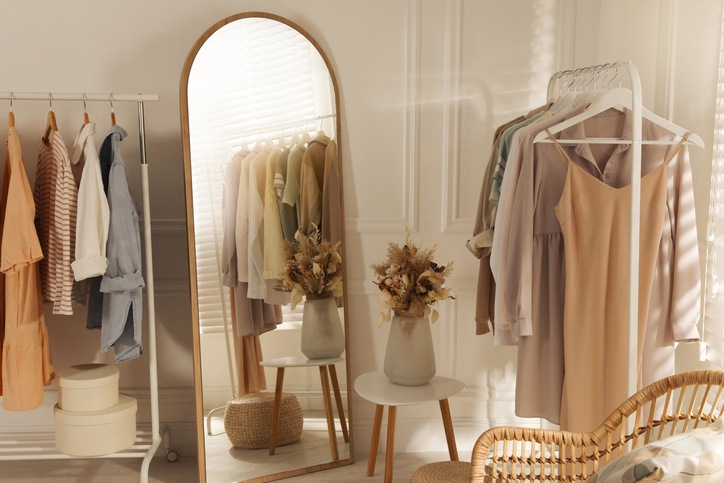
Looking to add a full length mirror to your wall but not sure where to start? Hanging a large mirror might seem tricky, but with the right steps, you can do it safely and beautifully.
Imagine checking your outfit from head to toe every day, right at home, with a mirror that stays secure and looks great. In this guide, you’ll learn simple, practical tips to hang your full length mirror perfectly—no stress, no guesswork.
Keep reading to discover how easy it can be to transform your space and boost your confidence with the right mirror placement.
Choosing The Right Mirror
Choosing the right mirror is essential before you start hanging it. It affects not only the look of your space but also how functional the mirror will be. The right mirror can brighten a room, add depth, and even make your space feel larger.
Selecting The Perfect Size
Think about where you want to place your mirror and how much wall space you have. A full-length mirror should be tall enough for you to see your entire reflection comfortably. If your wall is narrow, a slimmer mirror works better, but if you have a large empty wall, go for a bigger size to make a statement.
Ask yourself: Will this mirror fit my daily routine? For instance, a mirror that’s too small might force you to lean in, which can be frustrating. Measure your height and consider leaving a few extra inches above and below for flexibility.
Picking The Ideal Frame Style
The frame style can change the whole feel of your room. Do you want something modern and sleek, or maybe rustic and cozy? Frames come in wood, metal, or even painted finishes, so choose one that matches your room’s decor and your personal taste.
Think about where you’ll hang the mirror—will the frame complement other furniture or artwork? A bold frame can act like wall art, while a simple frame keeps the focus on your reflection. Sometimes, a frameless mirror offers a clean, minimalist look that fits many spaces.
Considering Mirror Weight
Mirror weight is more important than many realize. A heavier mirror needs stronger wall anchors and proper hardware to stay safe on your wall. If your mirror is too heavy for the wall type, it could fall and cause damage or injury.
Check the wall material—drywall, plaster, or concrete—and choose hanging hardware accordingly. If you’re unsure, it’s better to use multiple anchors or ask a professional. Have you ever had a mirror fall? It’s a hassle you want to avoid.
Finding The Best Spot
Choose a spot with good lighting and enough space to see your full reflection. Avoid areas with direct sunlight or heavy traffic. A plain wall helps the mirror stand out and stay secure.
Finding the perfect spot to hang a full-length mirror can transform both your space and your daily routine. It’s not just about hanging a mirror; it’s about strategically choosing a location that enhances both functionality and aesthetics. Whether you’re getting ready for a big day or simply want to open up a room, the right placement makes all the difference. Here’s how to ensure you find the best spot for your mirror.Assessing Wall Space
Begin by evaluating the available wall space in your room. Consider areas where a mirror can add depth and dimension. Measure the wall to ensure your full-length mirror fits comfortably without overwhelming the space. Choosing a wall that allows for a clear reflection from head to toe is key. You wouldn’t want to hang a mirror only to find it cuts off your shoes or your hair!Checking Lighting Conditions
Lighting can make or break the effectiveness of your mirror. Natural light is ideal, as it provides the most accurate reflection. Observe how sunlight enters your room throughout the day. Positioning your mirror opposite a window can maximize brightness and create a warm, inviting atmosphere. If natural light is scarce, consider the placement of artificial light sources. Ensure the mirror is near enough to lamps or overhead lights so that it remains functional even in the evening.Avoiding Obstructions
Obstructions can hinder both the use and the aesthetic of your mirror. Check for furniture, wall art, or architectural features that might block the view. Ensure that when you stand in front of the mirror, your reflection isn’t partially hidden. Think about the flow of the room. Will the mirror interfere with doorways or pathways? A well-placed mirror should enhance the room, not disrupt its functionality. By paying attention to these elements, you can find the perfect spot for your full-length mirror, ensuring it becomes a valuable addition to your home. Where will your mirror best reflect your style and space?Gathering Necessary Tools
Gathering the right tools is the first step to hanging a full-length mirror safely. Using proper equipment makes the process easier and prevents damage. Preparing ahead saves time and ensures the mirror stays secure on your wall.
Essential Hanging Hardware
- Mirror hanging brackets or D-rings
- Wall anchors suitable for your wall type
- Screws that fit the brackets and anchors
- Heavy-duty picture wire (optional for some mirrors)
- Rubber bumpers to protect the wall and mirror edges
Recommended Tools List
- Electric drill with drill bits
- Screwdriver (Phillips or flathead depending on screws)
- Measuring tape for accurate placement
- Level to keep the mirror straight
- Pencil for marking drill points
- Stud finder to locate wall studs
- Hammer for installing wall anchors

Credit: vanitii.com
Preparing The Wall
Preparing the wall is a key step before hanging a full-length mirror. A stable, clean surface helps the mirror stay secure and prevents damage. Taking time to prepare the wall ensures safety and a neat finish.
Cleaning The Surface
Start by removing dust and dirt from the wall. Use a damp cloth or sponge with mild soap. Avoid harsh chemicals that may damage paint or wallpaper. Let the wall dry completely before moving forward. A clean surface helps the adhesive or hooks stick better. This step avoids the mirror falling later.
Locating Studs Or Using Anchors
Studs provide strong support for heavy mirrors. Use a stud finder to locate them inside the wall. Mark the stud locations with a pencil. If studs are not in the right spot, use wall anchors. Choose anchors suitable for your wall type and mirror weight. Anchors distribute the mirror’s weight and prevent holes from widening. Secure the mounting hardware firmly in place. This step keeps the mirror stable and safe.
Marking Placement
Marking the placement of your full-length mirror is a crucial step that sets the foundation for a perfect hang. Without precise marks, your mirror might end up crooked or too high, ruining the room’s balance. Taking your time here ensures the mirror complements the space and functions well for everyday use.
Measuring Height And Width
Start by deciding how high you want the mirror to sit on the wall. A good rule is to place the bottom of the mirror about 4-6 inches above the floor, but adjust based on your height and room layout.
Next, measure the width of the wall space to center the mirror properly. Use a tape measure to find the midpoint of the wall, then mark it lightly with a pencil.
Keep in mind the mirror’s frame width and any wall obstacles like light switches or outlets. You want enough clearance so the mirror doesn’t feel cramped or awkwardly placed.
Using A Level For Accuracy
Once you have your height and width marked, use a level to draw straight, horizontal lines where the mounting hardware will go. This step prevents your mirror from hanging tilted, which is one of the most common mistakes.
If you don’t have a level, a smartphone app can do the trick. Just double-check that the app is calibrated correctly before relying on it.
Place the level along the marks and adjust until the bubble is centered. Mark the exact points for the screws or hooks directly on these lines.
Have you ever hung something only to realize it’s off by a small angle? Taking these measuring and leveling steps saves you from that hassle and keeps your mirror looking sharp every time.

Credit: www.reddit.com
Installing Hardware
Installing hardware is a crucial part of hanging your full-length mirror safely and securely. This step ensures that your mirror stays in place and prevents any accidental falls. Taking the time to properly install hooks or brackets will give you peace of mind and a flawless finish.
Drilling Pilot Holes
Before you attach any hooks or brackets, drilling pilot holes is essential. These small guide holes make it easier to insert screws without splitting the wall or damaging the mirror frame.
Use a drill bit slightly smaller than your screws. Mark the exact spots where you want to install the hardware, then drill straight into the wall.
Think about the wall type—drywall, plaster, or concrete—and choose the right drill bit accordingly. For example, if you have drywall, consider using wall anchors to support the weight of the mirror.
Securing Hooks Or Brackets
Once the pilot holes are ready, it’s time to secure the hooks or brackets. Use screws that match the hardware size and make sure they’re tightened firmly.
Check the alignment carefully before fully tightening the screws. You want your mirror to hang evenly and not tilt to one side.
If your mirror is heavy, double up on support by using two hooks or brackets spaced apart. This distributes the weight and reduces stress on any single point.
Hanging The Mirror
Hanging a full-length mirror on your wall is more than just choosing a spot and slapping it up. It requires careful alignment and solid support to ensure it looks great and stays safe. Let’s break down how to get your mirror perfectly positioned and securely fixed to your wall.
Aligning And Positioning
Start by deciding the best height for your mirror. Ideally, the mirror should reflect your full body when you stand in front of it. You can measure your height and mark the wall accordingly to avoid guessing.
Use a pencil to lightly mark the top and bottom edges on the wall. A level is essential here—don’t skip it! It ensures your mirror won’t hang crooked and throw off your room’s balance.
If you’re placing the mirror between two furniture pieces or in a narrow space, measure the width carefully to center it perfectly. Step back often and visualize how it complements the room’s layout before drilling holes.
Ensuring Stability And Safety
Full-length mirrors can be heavy and dangerous if not secured properly. Choose wall anchors suitable for your wall type—drywall anchors for plasterboard or toggle bolts for hollow walls.
Check the mirror’s frame for built-in hanging hardware. If it doesn’t have strong hooks or brackets, you might need to add D-rings or a French cleat system for better support.
Don’t forget to use a stud finder to locate wooden studs in the wall. Screwing directly into studs provides the safest hold. If studs aren’t available in the right spot, invest in high-quality anchors rated for your mirror’s weight.
Finally, consider adding anti-tip straps at the bottom, especially if children or pets are around. These straps prevent the mirror from falling forward if accidentally bumped.
Final Adjustments
After hanging the full length mirror, it is important to make final adjustments. These small changes ensure the mirror looks perfect and stays secure on your wall. Attention to detail creates a polished, professional appearance. Take your time to check the mirror’s position and level carefully.
Checking Levelness
Use a spirit level to check if the mirror is straight. Place the level on the top edge of the mirror. Look at the bubble in the level’s vial.
- If the bubble is centered, the mirror is level.
- If the bubble is off-center, adjust the mirror slightly.
Repeat this check on both the top and sides of the mirror. Make sure it is perfectly balanced before moving on.
Making Small Position Tweaks
Stand back and observe the mirror’s placement on the wall. Check if it aligns with nearby furniture and room elements.
Adjust the mirror gently by shifting it left or right. Tilt it slightly if needed to reduce glare or reflections.
Secure the mirror tightly after final tweaks. Confirm it does not move or wobble.
Maintenance Tips
Keeping your full length mirror in good condition needs regular care. Simple maintenance helps the mirror look clear and stay safe on the wall. Small checks and cleaning keep the mirror shining and secure for years.
Cleaning The Mirror Surface
Use a soft cloth to clean the mirror surface. Avoid rough materials that can scratch the glass. Spray a small amount of glass cleaner on the cloth, not directly on the mirror. Wipe gently in circular motions to remove dust and smudges. Clean the mirror regularly to keep it bright and clear.
Inspecting Hanging Hardware Periodically
Check the hooks, brackets, or wires holding the mirror. Look for any signs of rust or loosening. Tighten screws and replace worn parts if needed. Testing the hardware every few months prevents accidents. Secure hanging hardware ensures your mirror stays safely on the wall.
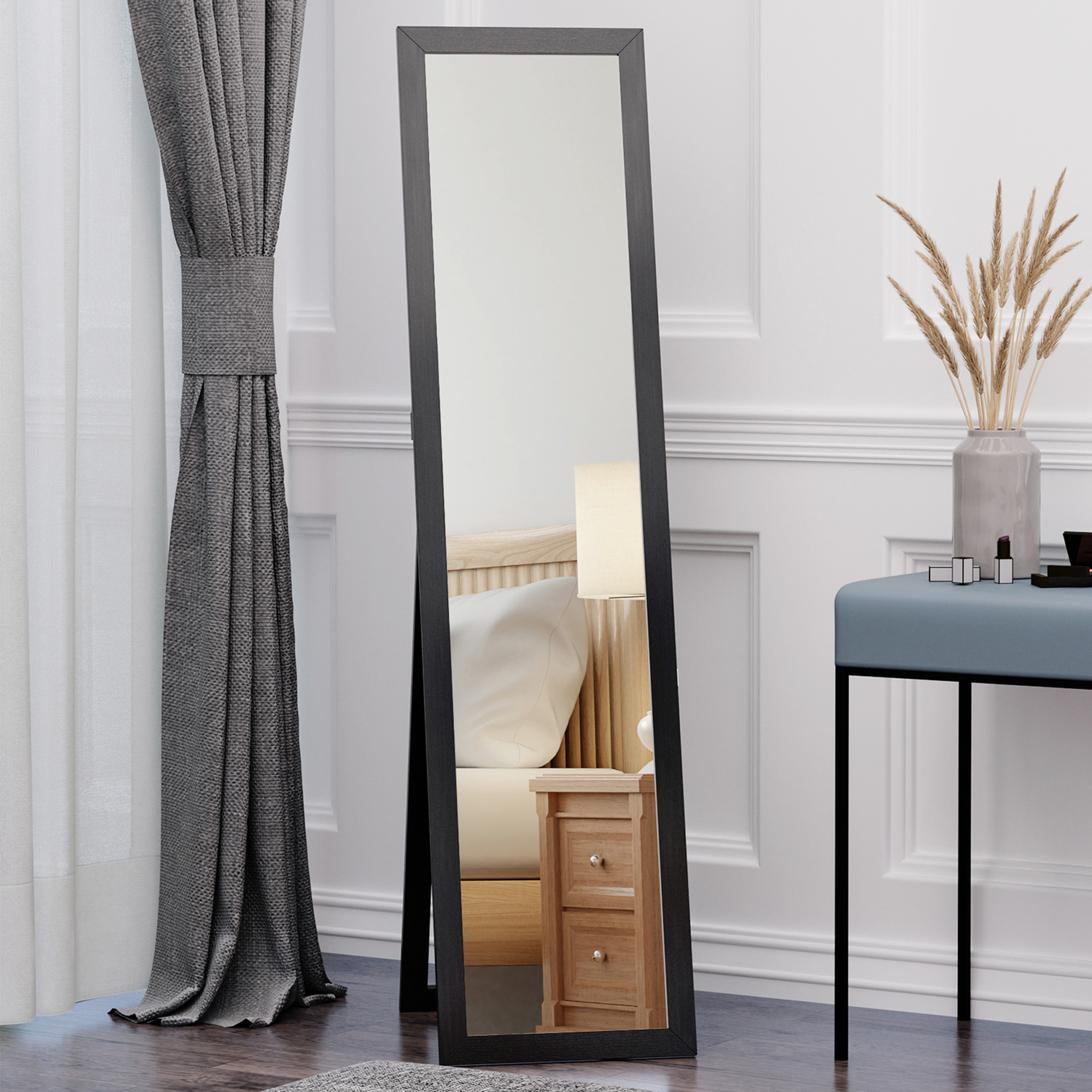
Credit: www.aosom.ca
Frequently Asked Questions
How Do I Hang A Full Length Mirror Safely?
Use wall anchors or studs for secure support. Measure carefully and use a level. Avoid using just nails to prevent falls or damage.
What Tools Are Needed To Hang A Full Length Mirror?
You’ll need a drill, level, measuring tape, screws, wall anchors, and a pencil for marking.
Can I Hang A Full Length Mirror On Drywall?
Yes, but use wall anchors or find studs for strong support to prevent the mirror from falling.
How High Should I Hang A Full Length Mirror?
Hang the mirror so the center aligns with eye level, typically 57 to 65 inches from the floor.
Conclusion
Hanging a full-length mirror on the wall is simple and useful. Choose the right spot and tools for safety. Measure carefully to keep the mirror straight and balanced. Secure the mirror well to avoid falls or damage. A properly hung mirror can brighten and enlarge any room.
Take your time and enjoy the new look it brings. This small step adds style and function to your space. Now, you can check your outfit with ease every day.



