
Are you ready to give your space a sleek, modern look with a frameless mirror? Hanging one might seem tricky, but with the right steps, you can do it yourself quickly and safely.
Imagine how much brighter and bigger your room will feel once that mirror is perfectly in place. Keep reading, and you’ll learn simple, clear instructions that anyone can follow—no special tools or experience needed. By the end, you’ll have the confidence to hang your frameless mirror like a pro and transform your room instantly.

Credit: www.ebay.ca
Choosing The Right Mirror
Choosing the right mirror is key to enhancing any room’s look. It sets the tone and fits your space perfectly. The right mirror balances style and function. You want a mirror that matches your room’s size, shape, and wall strength. This guide helps you pick a frameless mirror that fits your needs.
Selecting Size And Shape
Choose a mirror size that suits your wall space. A too-large mirror can overwhelm the room. A too-small mirror may look lost on a big wall. Consider shapes that match your room style. Rectangular mirrors offer a classic look. Round mirrors add softness and curves. Square mirrors bring a modern feel. Match the shape with your furniture and room design.
Considering Mirror Thickness
Mirror thickness affects both look and safety. Thin mirrors (1/8 inch) are light but fragile. Thicker mirrors (1/4 inch) are stronger and safer. Choose a thickness that your wall can support. Thicker mirrors offer durability and less risk of breakage. Check the weight and find proper wall anchors to hold it securely.
Picking The Location
Place the mirror where it reflects light and space well. Bathrooms, hallways, and living rooms are great spots. Avoid direct sunlight to prevent glare. Think about wall material and stud locations. Drywall needs anchors for heavy mirrors. Solid walls handle weight better. Choose a spot at eye level for best use. The right location makes your mirror both beautiful and practical.
Gathering Tools And Materials
Hanging a frameless mirror can elevate your room’s aesthetics, creating an illusion of space and adding a modern touch. But before you dive into the installation, it’s crucial to gather the right tools and materials. This ensures not only that the mirror hangs securely but also that the process is smooth and efficient. Let’s break down what you’ll need to make this DIY project a success.
Essential Tools List
- Measuring Tape:Measure your wall space accurately to determine the best position for your mirror.
- Level:Ensures your mirror hangs straight, preventing any unsightly tilts.
- Drill:Necessary for drilling holes if you’re using mounts that require screws.
- Pencil:Mark the spots on the wall where you’ll place the mounts or adhesive.
- Cleaning Cloth:Clean the wall and mirror surface to ensure a good adhesive bond.
Recommended Adhesives And Mounts
- Mirror Adhesive:A strong, specialized adhesive that keeps your mirror securely in place. Look for options labeled as “mirror-safe” to prevent damage.
- Double-Sided Mounting Tape:Ideal for lightweight mirrors. Provides a clean solution without drilling.
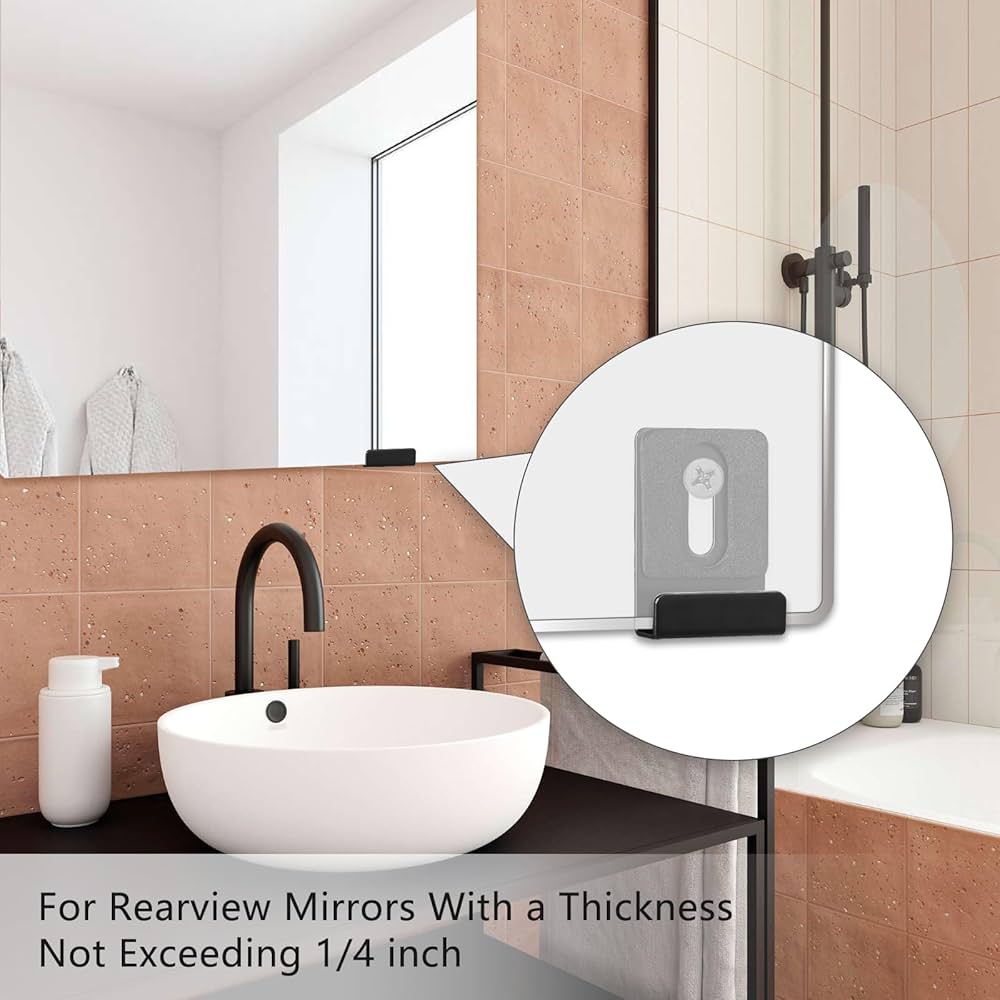
- Mirror Clips or Brackets:Consider these if you prefer a mechanical hold. They provide extra support, especially for larger mirrors.
Safety Gear
- Safety Glasses:Protect your eyes from dust or debris, especially when drilling.
- Gloves:Guard your hands against sharp mirror edges during handling and installation.
- Dust Mask:Useful if you’re drilling into plaster or drywall to minimize inhalation of particles.
Equipping yourself with these tools and materials sets the stage for a successful installation. Have you ever started a project only to realize halfway through that you’re missing something crucial? Avoid that frustration by preparing everything in advance. With the right tools in hand, you’re not just ready to hang a mirror; you’re ready to transform your space with confidence.
Preparing The Wall
Preparing the wall is a crucial step before hanging a frameless mirror. It sets the foundation for a secure hold and a polished look. Skipping this part can lead to a crooked mirror, damage to your wall, or worse, the mirror falling down.
Cleaning The Surface
Start by wiping the wall where you plan to hang the mirror. Use a damp cloth with mild soap to remove dust, grease, and dirt. A clean surface helps the adhesive or mounting hardware stick better, ensuring your mirror stays in place.
If you’re attaching the mirror with adhesive, avoid using oily or waxy cleaners. These can leave a residue that weakens the bond. Have you ever had something fall because the wall was dusty? This simple cleaning step prevents that.
Checking For Wall Damage
Inspect the wall for cracks, holes, or loose paint. Damaged areas can affect how securely the mirror attaches. If you find any problems, patch them with spackle or filler and let it dry completely.
Also, consider the wall material. Drywall, plaster, and tile require different approaches. For example, tile walls may need special anchors or adhesive suited for smooth surfaces. Don’t ignore subtle wall flaws; they could cause bigger issues later.
Marking The Placement
Decide exactly where you want your mirror to hang and mark the spot lightly with a pencil. Use a level to ensure the marks are straight. This step prevents the mirror from being off-center or tilted.
Think about the mirror’s height and how it complements the room’s layout. Will it reflect natural light or create glare? Marking the placement carefully saves time and frustration during installation.
Mounting Techniques
Mounting a frameless mirror requires careful choice of technique to ensure stability and safety. Each method suits different wall types and mirror sizes. Selecting the right approach keeps your mirror secure and enhances your room’s style.
Using Mirror Adhesive
Mirror adhesive offers a clean look without visible hardware. It bonds the mirror directly to the wall for a seamless finish. Clean the wall and mirror surface before applying adhesive. Spread the adhesive evenly on the back of the mirror. Press the mirror firmly against the wall for several minutes. Use temporary supports until the adhesive cures fully. Choose an adhesive designed specifically for mirrors to prevent damage.
Installing Mirror Clips
Mirror clips provide strong support and easy installation. They hold the mirror securely at the edges. Mark the clip positions on the wall to match mirror size. Drill holes and insert wall anchors for extra grip. Attach the clips to the wall using screws. Slide the mirror into the clips carefully. Tighten the clips to hold the mirror without cracking it. This method is ideal for heavier or larger mirrors.
Applying Double-sided Tape
Double-sided tape is a quick and simple mounting option. Use heavy-duty tape designed for mirrors to ensure safety. Clean the wall and mirror edges before applying tape strips. Stick tape to the mirror’s back and press firmly against the wall. Hold the mirror in place for a few minutes. This method works best for small, lightweight mirrors on smooth surfaces. Avoid this technique for textured or uneven walls.
Step-by-step Hanging Process
Hanging a frameless mirror might seem tricky, but breaking the process down makes it manageable and even satisfying. You’ll want to focus on precise placement, secure attachment, and patience as the adhesive sets. Let’s walk through the essential steps to get your mirror perfectly mounted and ready to shine.
Positioning The Mirror
Start by choosing the exact spot where your mirror will hang. Use a pencil to lightly mark the wall, considering factors like lighting and eye level. Don’t rush—stand back and imagine how the mirror will look from different angles.
To avoid guesswork, try taping the mirror to the wall temporarily or use painter’s tape to outline its shape. This hands-on approach helps you visualize the final placement. Have you ever moved a mirror multiple times because the initial spot felt off? Taking time here saves frustration later.
Securing The Mirror To The Wall
Frameless mirrors typically use strong adhesive or mirror clips. If you opt for adhesive, clean both the wall and mirror back thoroughly to ensure a good bond. Apply the adhesive in small dots or strips following the manufacturer’s guidance.
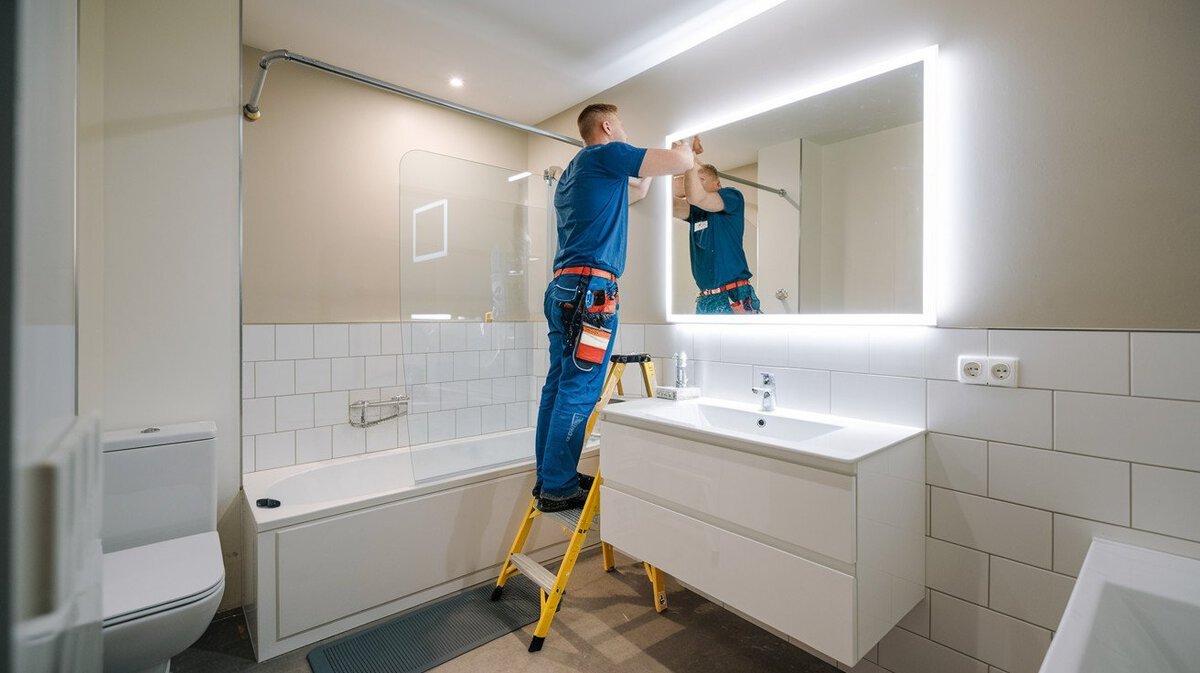
Press the mirror firmly against the wall, starting from the bottom and moving upward to remove air bubbles. Use painter’s tape to hold the mirror in place if needed. If you choose clips, install the bottom clips first, then carefully set the mirror and secure the top clips.
Allowing Adhesive To Cure
Patience is key after mounting your mirror. The adhesive needs time to cure fully, which can range from 24 to 48 hours depending on the product. Avoid touching or shifting the mirror during this period to prevent weakening the bond.
Think about times you’ve hurried this step and later found the mirror loose or crooked. Giving the adhesive proper curing time ensures your mirror stays secure and your effort lasts. Use this waiting time to double-check your tools and clean the surrounding area for a polished finish.

Credit: www.amazon.ca
Troubleshooting Common Issues
Troubleshooting common issues helps keep your frameless mirror secure and looking great. Small problems can cause the mirror to hang unevenly or feel loose. Fixing these issues early protects your wall and mirror.
Fixing Uneven Placement
Uneven mirrors can spoil the room’s look. Use a level to check the mirror’s alignment. Adjust the hanging hooks or adhesive pads slightly until the mirror is straight. Mark the wall lightly with a pencil for perfect placement next time.
Dealing With Loose Mirrors
Loose mirrors feel unsafe and might fall. Tighten screws or replace wall anchors with stronger ones. For adhesive mounts, clean the surface and apply new adhesive strips. Press firmly and hold for the recommended time to ensure a strong bond.
Preventing Wall Damage
Wall damage happens from heavy mirrors or wrong tools. Use proper anchors for your wall type—drywall, plaster, or brick. Avoid nails alone; anchors spread the weight better. Place felt pads behind the mirror edges to stop scratches and marks on the wall.
Maintaining Your Frameless Mirror
Maintaining your frameless mirror is key to keeping it clear and beautiful. Proper care helps the mirror last longer and stay free from damage. Small habits make a big difference in preserving its shine and safety.
Cleaning Tips
Use a soft, lint-free cloth to clean the mirror. Avoid rough materials that can scratch the surface. Spray a glass cleaner on the cloth, not directly on the mirror. Wipe gently in circular motions to remove smudges and dust. Do not use abrasive cleaners or bleach. Dry the mirror with a clean, dry cloth for a streak-free finish.
Avoiding Moisture Damage
Keep the mirror away from high humidity areas. Bathrooms can cause moisture buildup on the back of the mirror. Use a fan or dehumidifier to reduce humidity. Avoid placing the mirror directly above sinks or showers. Moisture can cause the mirror’s edges to discolor or peel. Ensure proper ventilation in the room to protect the mirror.
Regular Inspection
Check the mirror and its mounting regularly. Look for signs of loosening or damage to the adhesive or clips. Inspect the edges for any discoloration or peeling. Tighten the mounting hardware if needed to keep the mirror secure. Early detection of issues prevents accidents and costly repairs. Regular care keeps your frameless mirror safe and looking great.
Credit: bfymirror.com
Frequently Asked Questions
How Do You Hang A Frameless Mirror Safely?
To hang a frameless mirror safely, use heavy-duty wall anchors or mirror clips. Ensure the wall surface is sturdy. Measure and mark the placement accurately. Use a level to keep the mirror straight. Avoid hanging on drywall alone without proper support.
What Tools Are Needed To Hang A Frameless Mirror?
You need a drill, wall anchors, screws, a level, measuring tape, and a pencil. Optional tools include mirror adhesive and mirror clips. These tools help ensure the mirror is securely mounted and perfectly aligned on the wall.
Can I Hang A Frameless Mirror Without Drilling?
Yes, you can use strong mirror adhesive or double-sided mounting tape. These are ideal for lightweight mirrors on smooth, clean surfaces. However, for heavier mirrors, drilling is recommended for safety and stability.
How Do I Prevent Damage When Hanging A Frameless Mirror?
Use protective gloves and handle the mirror gently. Mark drill points carefully to avoid errors. Use proper anchors suited for your wall type. Avoid overtightening screws, which can crack the glass or damage the wall.
Conclusion
Hanging a frameless mirror on your wall is simple and quick. Use the right tools and follow safety steps. Measure carefully to place the mirror straight and secure. Choose the best hooks or adhesive for your wall type. Take your time for a neat, lasting result.
Enjoy the fresh look it brings to your space. With these easy tips, your mirror will stay safe and look great. Give your room a bright, clean feel today!



