
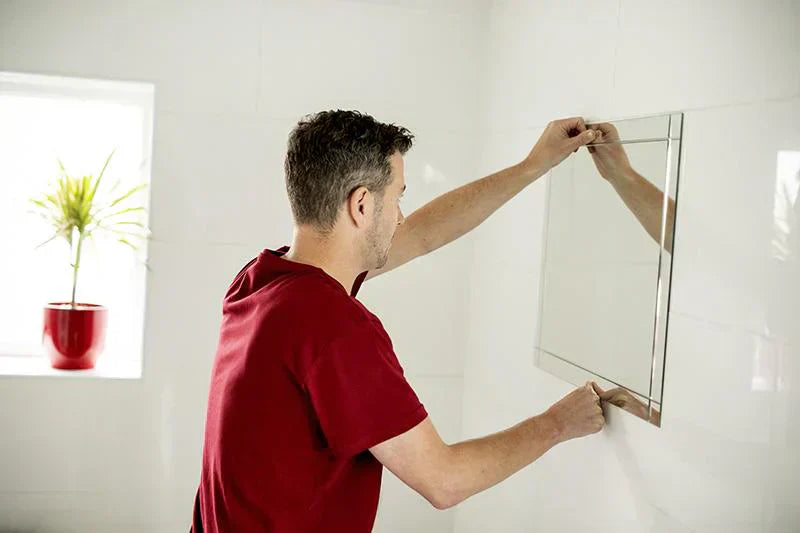
Hanging a mirror on your wall can instantly brighten a room and make your space feel bigger. But what if you don’t want to damage your walls with nails?
You’re not alone. Many people worry about holes, cracks, or messy repairs. The good news is, you don’t need nails to hang a mirror safely and securely. In this guide, you’ll discover simple, effective ways to get your mirror up without any damage.
Keep reading, and you’ll learn tricks that save you time, protect your walls, and make your home look amazing. Ready to transform your space without the hassle? Let’s dive in!

Credit: bfymirror.com
Choosing The Right Mirror
Choosing the right mirror is key to a successful no-nail hanging project. The mirror must fit the space and be easy to hang without damaging walls. Consider several factors before buying to ensure the mirror suits your room and the hanging method.
Consider Mirror Size And Weight
Size matters for no-nail hanging. Large or heavy mirrors need stronger support. Small mirrors are easier to hang with adhesive hooks or strips. Check the weight limit of your hanging product. Too heavy a mirror can fall and cause damage or injury.
Measure your wall space carefully. The mirror should not overwhelm the area. A well-sized mirror enhances room light and style without crowding.
Select Suitable Frame Material
Frame material affects the mirror’s weight and hanging options. Lightweight materials like plastic or aluminum are easier to hang without nails. Wood or metal frames often weigh more and require stronger supports.
Choose frames that match your room decor and are safe for no-nail hanging products. Avoid glass frames or fragile materials that may break if the adhesive fails.
Damage-free Hanging Methods
Strong adhesive strips or hooks hold mirrors securely without damaging walls. They are easy to apply and remove, perfect for renters or delicate surfaces. This method keeps walls clean and mirror placement simple.
Hanging a mirror without nails is a great way to keep your walls pristine. Whether you’re renting or just want to avoid damage, several methods can help. These damage-free techniques are not only effective but also quite simple to execute.Using Adhesive Strips
Adhesive strips are a popular choice for hanging mirrors without making holes. They’re easy to use and can hold significant weight. Simply peel off the backing and apply the strips to the back of your mirror. Make sure the wall surface is clean and dry before pressing the mirror firmly onto it. The key is to ensure the adhesive bonds well to both the wall and the mirror for secure hanging.Employing Command Hooks
Command hooks are a versatile and removable option. They come in various sizes to support different mirror weights. To use them, adhere the hook to the wall as per the instructions on the package, and then hang your mirror. It’s a simple process that leaves no residue when removed.Utilizing Mirror Mounting Tape
Mirror mounting tape is specifically designed for this purpose. It’s a double-sided tape that can hold heavy mirrors securely. Cut the tape into strips and attach them to the back of your mirror. When you’re ready, position the mirror on the wall and press firmly. It’s a straightforward method that requires minimal effort.Applying Velcro Strips
Velcro strips offer a unique approach to damage-free mirror hanging. They allow for easy removal and repositioning. Attach one side of the Velcro to the mirror and the other to the wall. This method is excellent for those who frequently redecorate, as it offers flexibility without compromising wall integrity. Each of these methods provides a simple and effective way to hang a mirror without nails. Which one will you try for your next mirror project?Preparing The Wall And Mirror
Before hanging your mirror without nails, preparing both the wall and the mirror is crucial. This preparation ensures a secure hold and prevents damage to your surfaces. Taking a little time now can save you from future headaches and unexpected falls.
Clean Surface Thoroughly
Start by cleaning the wall where you want to hang the mirror. Dust, grease, or moisture can weaken adhesives or hooks. Use a mild detergent and a damp cloth, then dry the area completely with a clean towel.
Don’t rush this step. I once skipped cleaning properly and found my mirror slipping after a few days. A spotless surface ensures the adhesive sticks tightly and lasts longer.
Measure And Mark Placement
Next, decide exactly where your mirror will go. Use a tape measure to find the ideal height and position. Mark the spots lightly with a pencil, so you can easily remove the marks later without damaging the wall.
Double-check your measurements. Are you positioning the mirror at eye level? Is it centered above the furniture? Taking a moment to visualize the final look helps avoid awkward placements.
Step-by-step Hanging Process
Hanging a mirror without nails can seem tricky, but with the right approach, it becomes straightforward and damage-free. The key lies in using the correct adhesive products and handling them properly. Let’s walk through the process to help you get your mirror up safely and securely.
Applying Adhesive Products Correctly
Start by cleaning the wall surface and the back of the mirror thoroughly. Dirt or grease can prevent adhesives from sticking well.
Choose an adhesive designed for mirrors, like heavy-duty double-sided tape or mirror mounting strips. Cut the adhesive into even pieces to ensure balanced support.
Apply the adhesive in vertical strips rather than dots; this spreads the weight evenly and improves grip. Press firmly on each strip to activate its stickiness before placing the mirror.
Securing The Mirror Safely
Position the mirror carefully against the wall. You might want to mark the desired spot lightly with a pencil first to avoid repositioning.
Once aligned, press the mirror firmly against the wall, starting from the center and moving outward. This helps remove air bubbles and maximizes contact.
If your mirror is large or heavy, consider using additional support like removable brackets or adhesive hooks at the bottom. Have you checked if your adhesive product’s weight rating matches your mirror’s weight?
Allowing Proper Adhesion Time
After securing the mirror, give the adhesive enough time to bond fully. Most adhesives need at least 24 hours to set properly.
Resist the urge to adjust or move the mirror during this period to avoid weakening the bond. Patience here ensures your mirror stays safely mounted for the long term.
Think about how you can plan this timing around your daily routine to prevent accidental bumps or shifts. A little waiting goes a long way in protecting your walls and your mirror.
Tips For Heavy Or Large Mirrors
Hanging a heavy or large mirror without nails can feel like a challenge. But with the right techniques, you can secure your mirror safely and avoid wall damage. Here are practical tips to help you handle the extra weight and size confidently.
Reinforcing With Multiple Adhesives
Using just one type of adhesive might not hold a heavy mirror well. Combining adhesives can increase strength and reliability. Try using heavy-duty double-sided tape along with a strong mounting gel or adhesive strips designed for weighty items.
Apply the adhesive in several spots across the mirror’s back to spread the weight evenly. Press firmly and allow proper curing time before hanging. Have you tested different adhesives together before? You might be surprised how much more secure your mirror feels.
Using Alternative Supports
Sometimes adhesives alone aren’t enough. Consider alternative supports that don’t require nails but add stability. Command hooks, mirror hanging brackets, or tension rods can support larger mirrors effectively.
For example, placing strong Command hooks on the top edge can hold the mirror while the adhesive keeps it flush against the wall. Or, use a tension rod between two walls to rest the mirror against. What creative supports have you tried to keep your décor safe and secure?

Credit: ledmirrorworld.co.uk
Removing Mirrors Without Damage
Removing a mirror from a wall without causing damage takes patience and the right approach. You want to protect your wall’s surface and keep your mirror intact. Knowing how to handle adhesive and clean up afterward makes the process much smoother.
Loosening Adhesive Safely
Start by softening the adhesive holding your mirror to the wall. Use a hairdryer or heat gun on a low setting to warm the adhesive gently. Heat makes the glue more flexible and easier to peel away without pulling paint or drywall.
Try sliding dental floss or a thin wire behind the mirror’s edge, moving it in a gentle sawing motion. This can help break the bond between the mirror and wall without applying too much force. Avoid sharp tools that might scratch or crack the mirror surface.
Ask yourself: is the adhesive soft enough to let the mirror come off smoothly? If not, apply more heat and be patient. Rushing often leads to chipped paint or broken glass.
Cleaning Residue From Walls
Once the mirror is free, adhesive residue can stick stubbornly to your wall. Use a soft cloth dampened with warm, soapy water to gently scrub the area. Avoid harsh chemicals that might damage the paint or drywall finish.
If soap and water don’t do the job, try rubbing alcohol or an adhesive remover designed for delicate surfaces. Test any product on a small hidden spot first to ensure it won’t discolor your wall. After removing residue, wipe the wall with a clean, damp cloth to remove any leftover cleaner.
Think about the last time you removed something sticky from a surface—did patience and gentle care make the cleanup easier? The same idea applies here. Treat the wall gently to keep it looking fresh and ready for your next decorating idea.
Common Mistakes To Avoid
Hanging a mirror without nails requires care and attention. Many people make simple mistakes that cause damage or poor results. Avoiding these errors ensures your mirror stays secure and your wall remains intact.
Ignoring Weight Limits
Not all adhesive strips or hooks hold heavy mirrors. Check the product’s weight limit before use. Too heavy a mirror can fall and break. It can also damage your wall surface. Use multiple hooks or stronger products for heavier mirrors. Always match the mirror’s weight with the right hanging method.
Skipping Surface Preparation
Clean the wall area before applying hooks or strips. Dust, dirt, or grease stop adhesives from sticking well. Use rubbing alcohol or soap and water to clean the surface. Let it dry fully before hanging the mirror. Skipping this step leads to weak hold and falling mirrors.

Credit: ledmirrorworld.co.uk
Frequently Asked Questions
What Are The Best Nail-free Methods To Hang A Mirror?
The best nail-free methods include using adhesive strips, hooks, or mounting tape. These options are damage-free and hold mirrors securely on various wall surfaces.
Can I Hang A Heavy Mirror Without Nails?
Yes, heavy mirrors can be hung without nails using strong adhesive hooks or wall anchors designed for weight. Always check the product’s weight limit before hanging.
How Do Adhesive Strips Work For Hanging Mirrors?
Adhesive strips have strong glue on both sides. You press one side to the mirror and the other to the wall. They hold firmly and remove cleanly.
Are Nail-free Mirror Hangers Safe For All Wall Types?
Most nail-free hangers work well on drywall, plaster, and painted walls. Avoid using them on textured or wallpapered surfaces for best adhesion and safety.
Conclusion
Hanging a mirror without nails is simple and safe for walls. Use strong adhesive strips or hooks to hold the mirror firmly. Always check the weight limit before applying any product. This method keeps your walls clean and undamaged. Try different options until you find what works best for you.
Enjoy your beautifully hung mirror without worrying about holes or damage. Small steps make a big difference in home decor. Give these tips a try and see the results yourself.



