
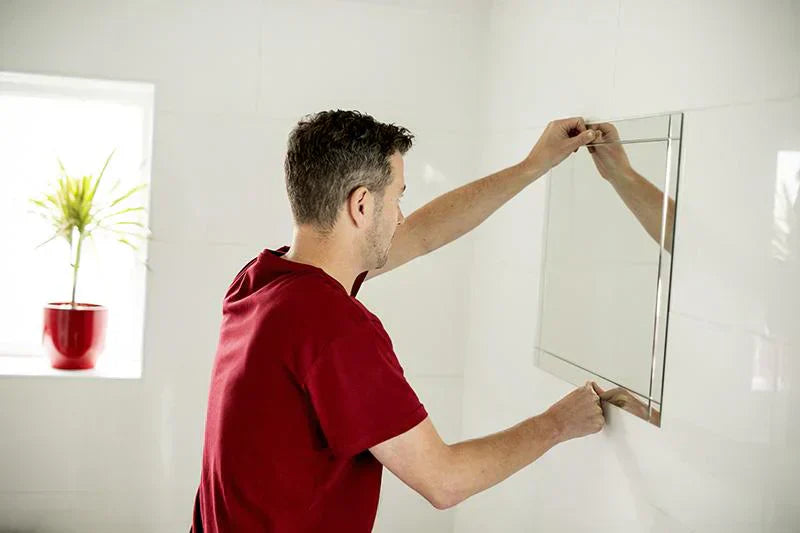
Looking to hang a mirror on your wall but worried about damaging it with nails? You’re not alone.
Many people want a stylish, secure way to display mirrors without leaving holes or marks behind. Imagine transforming your space quickly and easily—no hammer, no mess, and no stress. You’ll discover simple, effective methods to hang your mirror safely and beautifully.
Ready to give your walls a fresh look without the hassle? Keep reading to find out how you can do it today.
Choose The Right Mirror
Choosing the right mirror is key to hanging it without nails. The mirror must suit the wall and the hanging method. Picking the correct mirror ensures safety and style. Think about where the mirror will go and how it will look.
Consider Mirror Weight And Size
The weight of the mirror affects the hanging options. Light mirrors work well with adhesive hooks or strips. Heavy mirrors need stronger supports or special hangers. The size matters too; bigger mirrors need more support points.
Measure the mirror before buying. Know its weight and size to pick the best hanging tool. Too heavy a mirror can fall and cause damage or injury.
Select Suitable Frame Material
Frame material impacts the mirror’s weight and hanging style. Wood frames tend to be heavier but sturdy. Metal frames can be heavy but slim and strong. Plastic frames are usually light and easy to hang.
Match the frame material with the wall surface and hanging method. Some adhesives work better on certain materials. Consider how the frame looks with your room’s style too.

Credit: bfymirror.com
Prepare The Wall Surface
Clean the wall surface thoroughly to remove dust and grease. A smooth, dry surface helps adhesive stick better. Ensure the area is flat and free from bumps or cracks.
Preparing the wall surface is a crucial step when hanging a mirror without using nails. This ensures that the mirror adheres securely and remains safely in place. Neglecting this step can lead to mishaps, so it’s essential to take a few moments to ready the wall. Let’s dive into the specifics of getting your wall ready.Clean And Dry The Area
Begin by cleaning the wall area where you plan to hang the mirror. Use a mild detergent or a damp cloth to wipe away any dust, grease, or dirt. A clean surface ensures that adhesive strips or hooks stick properly. Once cleaned, dry the area thoroughly. Moisture can weaken adhesive strength, so make sure the wall is completely dry before proceeding.Check Wall Material Compatibility
Not all wall materials are created equal. It’s important to know what kind of surface you’re working with—be it drywall, wood, or tile. Each material may require a different approach or product. For instance, certain adhesives work well on tile but may not hold on painted drywall. Consider testing a small, hidden area first to ensure the adhesive won’t damage your wall. This simple check can save you from potential mishaps and ensure your mirror hangs securely.Use Adhesive Strips
Using adhesive strips is a smart way to hang a mirror without damaging your walls. They offer a clean look and make removal easy when you want to change your decor. Plus, they can hold surprisingly heavy mirrors if chosen and applied correctly.
Pick Strong Double-sided Tape
Not all adhesive strips are created equal. Look for ones designed specifically for hanging objects on walls, often labeled as heavy-duty or high-strength. Brands like Command Strips are popular because they balance strength with wall safety.
Check the weight limit on the package carefully. A mirror that weighs 5 pounds needs strips rated for at least that much. If your mirror is heavier, consider using multiple strips to distribute the weight evenly.
Apply And Secure Mirror Properly
Start by cleaning the wall surface and the back of the mirror with rubbing alcohol. This removes dust and oils that can weaken the adhesive. Avoid using regular cleaning sprays as they can leave residues.
Press the adhesive strips firmly to the mirror and then to the wall, holding each spot for about 30 seconds. Make sure you follow the strip manufacturer’s instructions on curing time before hanging the mirror to ensure maximum hold.
Have you ever hung a mirror only to find it slipping after a few days? Taking the time to prepare surfaces and apply pressure can prevent that frustrating experience. Give your mirror a gentle tug after a day to test the hold—if it feels secure, you’re good to go!

Credit: www.amazon.co.uk
Try Command Hooks And Hangers
Command hooks and hangers offer a simple way to hang mirrors without nails. They protect walls from holes and damage. These hooks use strong adhesive strips that hold well on smooth surfaces. Removing them leaves no marks or residue behind. Using these hooks means no drilling, no dust, and quick setup.
Command hooks come in different sizes and weight limits. Choosing the right size helps keep the mirror secure. They work best on clean, dry walls like painted drywall, tile, or glass. Avoid rough or textured surfaces for the best hold.
Choose Appropriate Hook Size
Select a hook that supports your mirror’s weight. Check the packaging for weight limits. For example, small hooks hold up to 1 pound, medium up to 3 pounds, and large up to 5 pounds or more. If your mirror is heavy, use multiple hooks to share the load. Overloading a single hook can cause it to fall.
Measure your mirror’s weight before buying hooks. Use hooks rated slightly above your mirror’s weight for safety. This ensures a strong, lasting hold without risk.
Attach Hooks Without Damage
Clean the wall surface with rubbing alcohol before applying hooks. Avoid using household cleaners that leave residue. Let the wall dry completely. Peel off the adhesive backing and press the hook firmly against the wall for 30 seconds.
Wait one hour before hanging the mirror. This lets the adhesive bond properly. When ready to remove the hooks, pull the adhesive strip slowly downward. This prevents peeling paint or damaging the wall. Command hooks provide a damage-free way to hang mirrors with ease.
Use Mirror Hanging Clips
Using mirror hanging clips offers a simple way to hang mirrors without damaging walls. These clips hold mirrors securely and avoid nails or screws. They come in various styles to fit different mirror sizes and wall types.
Choosing the right clips and placing them correctly ensures the mirror stays stable and safe. This method is ideal for renters or anyone avoiding holes in their walls.
Select Clips For No-damage Mounting
Pick clips designed for damage-free installation. Look for adhesive-backed clips or those that use pressure to hold. Avoid clips requiring drilling or hammering.
Check the weight limit on the package. Use clips rated for your mirror’s size and weight. Plastic or metal clips with rubber pads protect the mirror edges and wall surface.
Position Clips For Stability
Place clips evenly around the mirror’s edges. Use at least four clips: two on top and two on bottom. For larger mirrors, add extra clips on the sides.
- Measure the mirror’s height and width.
- Mark clip positions on the wall lightly with a pencil.
- Ensure clips grip the mirror firmly without pressing too hard.
Make sure the mirror sits flat and does not wobble. Adjust clip positions if needed to balance weight and maintain stability.
Apply Mounting Putty Or Gel
Applying mounting putty or gel is a smart way to hang a mirror without damaging your walls. These adhesives provide a strong hold while being easy to remove later, making them perfect for renters or anyone avoiding nails. Understanding how to select and use the right product can make your mirror hanging experience smooth and secure.
Choose Suitable Putty For Weight
Not all mounting putties or gels are created equal. Check the weight capacity on the package before buying—your mirror’s weight should match or be less than the product’s limit. Using a putty not designed for heavier items risks your mirror falling and breaking.
Consider the type of surface too. Some putties work better on smooth walls like painted drywall, while others stick well on textured surfaces. If you’re unsure, test a small piece first to see how well it adheres.
Press Mirror Firmly In Place
Once you’ve picked the right putty, apply it evenly on the back edges of your mirror. Use enough to create a solid grip but avoid excess that might squeeze out and look messy. Press the mirror firmly against the wall for about 30 seconds to activate the adhesive.
Hold your mirror steady for a couple of minutes to ensure it sticks well. If your mirror is large, consider having someone help you hold it in place as the putty sets. Have you ever tried pressing too quickly and noticed your mirror slip? Taking your time here can save you a lot of trouble later.
Explore Alternative Supports
Hanging a mirror without nails can feel tricky, but you have several solid options that keep your walls safe and your décor stylish. These alternatives not only protect your surfaces but also add a fresh twist to how you display mirrors. Let’s look at some practical ways to support your mirror without drilling into the wall.
Lean Mirror Against Wall
Leaning a mirror against the wall is an easy, damage-free way to showcase your piece. Place it on the floor or on a sturdy piece of furniture like a dresser or console table. This method works best for larger mirrors and creates a relaxed, modern vibe.
To keep it secure, add non-slip pads or rubber bumpers behind the mirror’s base. This prevents slipping and protects your floor from scratches. Have you tried leaning a mirror before? It can surprisingly open up a room by adding depth and light.
Use Easel Or Stand
An easel or a dedicated stand offers excellent support for mirrors without any wall attachment. Choose a wooden or metal easel that complements your mirror’s style for a cohesive look. This approach gives you flexibility to move the mirror around whenever you want.
Consider this especially if you like changing your room layout often or want to showcase art alongside your mirror. A stand also allows you to position the mirror at different angles to catch the best light. What room in your home could benefit from a mirror on a stand?
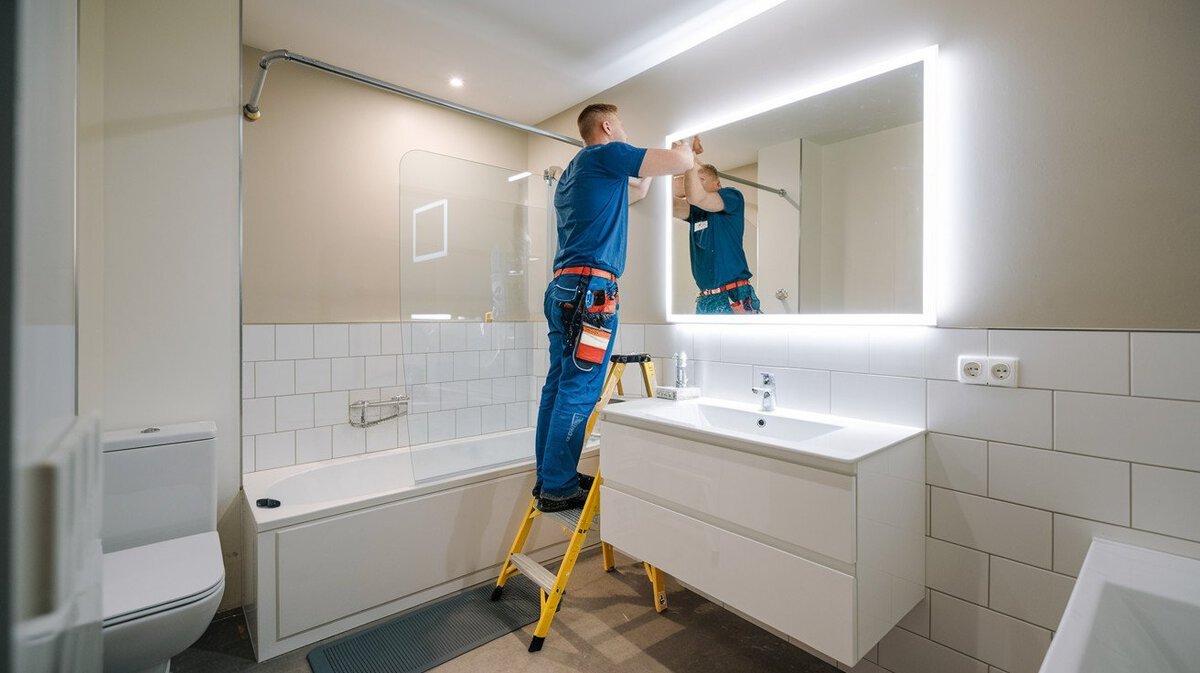
Credit: bfymirror.com
Safety Tips And Maintenance
Hanging a mirror without nails is a clever way to protect your walls, but it does require some care to ensure safety and longevity. Paying attention to safety tips and regular maintenance can prevent accidents and keep your mirror looking great. Here’s how you can stay on top of it.
Check Adhesive Strength Regularly
Adhesive strips and hooks lose their grip over time, especially in humid or warm environments. Make it a habit to inspect the adhesive every few weeks to see if it’s still holding firm. If you notice any loosening, replace the adhesive immediately to avoid unexpected falls.
Think about the last time you had a picture fall unexpectedly—did it cause damage or injury? Don’t wait for that moment to check your mirror’s attachment. Regular checks are a small effort that can save you from big troubles.
Avoid Excessive Weight Or Pressure
Mirrors hung without nails rely on adhesives designed for specific weight limits. Never exceed the recommended weight for your chosen adhesive product. Even leaning on or pressing against the mirror can weaken the hold and risk a fall.
It’s tempting to rest things on a mirror frame or adjust it frequently, but try to avoid that. Instead, choose a lightweight mirror or multiple smaller mirrors if you want to decorate without nails safely. Your wall—and your mirror—will thank you.
Frequently Asked Questions
How Can I Hang A Mirror Without Damaging Walls?
Use adhesive strips or hooks designed for mirrors. They hold weight without nails. Clean the wall before applying for better grip. This method keeps walls intact and is easy to remove.
What Are The Best Alternatives To Nails For Mirrors?
Command strips, double-sided tape, and mirror mounting tape work well. These options support different weights and avoid wall damage. Choose based on mirror size and wall type for safety.
Can I Hang A Heavy Mirror Without Nails?
Yes, use heavy-duty adhesive hooks or wall anchors designed for weight. Check product weight limits before use. For very heavy mirrors, consider professional mounting solutions to ensure safety.
Will Adhesive Damage My Paint Or Wallpaper?
High-quality removable adhesive strips minimize damage risk. Always follow removal instructions carefully. Test a small area before full application to avoid peeling or residue.
Conclusion
Hanging a mirror without nails is simple and safe for your walls. Use strong adhesive strips or hooks made for this purpose. These options hold mirrors well and avoid damage. Take time to clean the wall before applying anything. Measure carefully to place the mirror straight.
With these tips, your mirror will stay secure and look great. No need for drills or nails. Try these easy methods for a neat, damage-free wall. Your space will feel fresh and bright in no time.



