

Hanging a clock on your wall might seem simple, but doing it right can transform your space and keep your timepieces safe. You want your clock to stand out and stay secure, without damaging your walls or looking crooked.
If you’ve ever struggled with finding the perfect spot or the right tools, this guide is made just for you. Keep reading, and you’ll learn easy steps that make hanging your clock quick, neat, and hassle-free. Your walls—and your sense of time—will thank you.
Choosing The Right Clock
Choosing the right clock for your wall is important to create a balanced and attractive look. The clock should fit the room’s size and style. It should also match the wall’s ability to hold its weight. A good choice makes your space feel complete and organized.
Size And Style Considerations
Pick a clock size that fits the wall space well. A large clock suits big walls, while a small one works on narrow spaces. The clock’s style should match your room’s decor. Classic, modern, or rustic clocks each bring a different feel.
- Measure the wall area before choosing size.
- Match clock colors with room tones.
- Think about the clock face readability.
Clock Weight And Mounting Requirements
Check the clock’s weight to ensure safe hanging. Heavy clocks need strong anchors or studs in the wall. Light clocks can hang on simple nails or hooks. Different clocks require different mounting tools.
- Use wall anchors for drywall with heavy clocks.
- Locate studs for very heavy or large clocks.
- Check if the clock comes with mounting hardware.

Credit: medium.com
Selecting The Ideal Wall Spot
Choosing the right spot on your wall to hang a clock is more important than you might think. The perfect location not only makes your clock easy to read but also helps it last longer and complements your room’s style. Let’s look at how to pick that ideal spot so your clock becomes a functional and attractive part of your space.
Assessing Wall Material
Before you grab the hammer, check what type of wall you’re working with. Drywall, plaster, brick, or wood each require different hanging tools and anchors to keep your clock secure.
If you try to hang a heavy clock on drywall without the right anchors, it could fall and break. Using a stud finder can help you locate the strong wooden beams behind drywall, giving you a sturdy spot for your clock.
Have you noticed how some walls feel solid, while others seem fragile? Matching your hanging method to the wall material saves you from future repairs and frustration.
Finding Eye-level Placement
Where you place your clock affects how easy it is to check the time. Aim to hang your clock at eye level, roughly 57 to 60 inches from the floor, so you don’t have to strain your neck.
This height works well whether you’re standing or sitting. In a living room, try hanging the clock above the sofa or fireplace to keep it visible without crowding the space.
Think about where you spend most of your time in the room. Could adjusting the height or position make your clock easier to see during your daily routine?
Avoiding Sunlight And Moisture
Direct sunlight can fade your clock’s face and damage its mechanism over time. Try to pick a spot away from windows or areas that catch strong light during the day.
Moisture is another hidden enemy. Bathrooms and kitchens often have high humidity that can cause rust or warping, so avoid hanging your clock in these spots unless it’s specifically designed for those environments.
Have you ever noticed how some clocks stop working or look worn out faster in certain rooms? Protect your investment by choosing a dry, shaded wall.
Gathering Necessary Tools
Before you start hanging your clock, gathering the right tools is crucial. Having everything ready saves time and prevents frustration. It also ensures your clock stays securely on the wall without damage.
Basic Tools For Hanging
Start with a few essential items you probably already have at home. A hammer and screwdriver are must-haves for almost any wall type. You’ll also need a tape measure to position your clock perfectly and a pencil to mark the spot.
A level can make a big difference in keeping your clock straight. If you don’t have one, a smartphone app can work just as well. Don’t forget safety gear like gloves or goggles if you expect to work with tough materials.
Special Hardware For Different Walls
Not all walls are the same, so the hardware you use matters. Drywall, brick, or plaster each require specific anchors or screws to hold the clock securely.
For drywall, plastic anchors or toggle bolts help prevent the clock from falling. Brick or concrete walls need masonry screws and a drill with a masonry bit. Have you checked what type of wall you have before buying hardware?
Choosing the right hardware avoids holes that are too big or too small. It also protects your walls and keeps your clock hanging safely for years.
Marking The Spot
Finding the perfect spot for your clock can enhance your room’s decor. A well-placed clock is both functional and stylish. To achieve this, start by marking the spot accurately. It ensures your clock hangs securely and looks great.
Measuring For Centered Placement
Determine the wall’s center point first. Measure the wall’s width and divide by two. This gives you the center horizontally. For vertical placement, choose the height that suits your room’s design. Mark this spot lightly with a pencil.
Using A Level For Accuracy
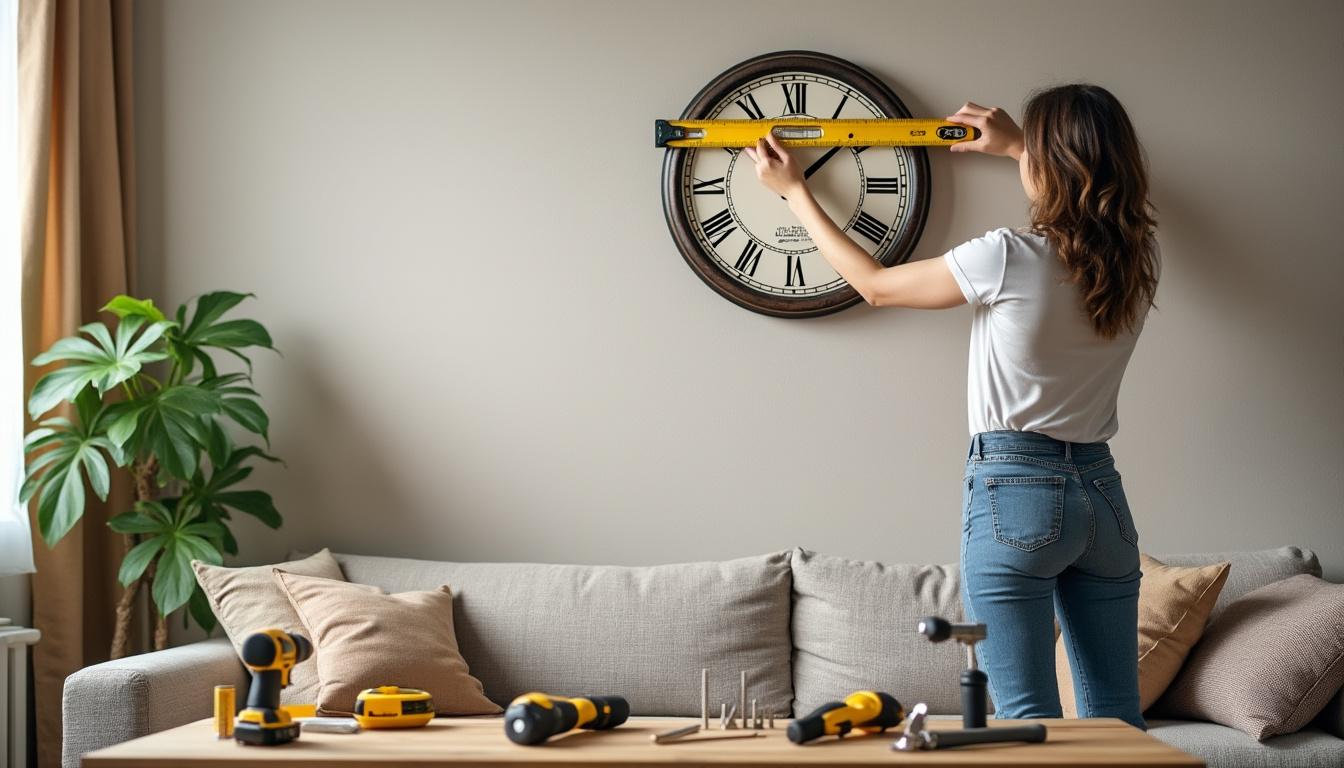
Place a level on the marked spot. Adjust until the bubble is centered. This ensures your clock will hang straight. Mark the point directly under the level where the clock’s hook will go. A level guarantees accuracy and prevents a crooked clock.
Installing Wall Anchors Or Nails
Installing wall anchors or nails is a crucial step to ensure your clock hangs securely and stays in place over time. Choosing the right type of anchor or nail depends on the wall material and the weight of your clock. Properly drilling and securing the hardware will give you peace of mind that your clock won’t fall or damage your wall.
Choosing The Right Anchor Type
Not all wall anchors are created equal. If your clock is heavy, a plastic expansion anchor might not hold up well on drywall. Instead, try a toggle bolt or a metal molly anchor for better support.
For lighter clocks, simple plastic anchors or even sturdy nails might be enough. Think about the wall material: drywall, plaster, or brick all require different anchors. Have you checked what your wall is made of before buying anchors?
Drilling And Securing Hardware
Start by marking the exact spot where your clock will hang. Use a level to make sure your mark is straight. Then, drill a hole slightly smaller than your anchor’s diameter.
Insert the anchor flush with the wall surface. If using a toggle bolt, fold the wings and push them through the hole until they open behind the wall. Finally, screw in your hook or nail securely, but avoid overtightening to prevent wall damage.
Does your drill feel stable as you work? Keeping a steady hand ensures a clean hole and firm anchor placement. These small details make a big difference in how well your clock stays on the wall.
Credit: sokafa.com
Hanging The Clock
Choose a sturdy spot on the wall and mark where the clock will hang. Use a hook or nail that fits the clock’s weight. Hang the clock carefully, making sure it is level and secure.
Aligning The Clock With Anchors
Place the clock near the wall spot where you want to hang it. Check the back of the clock for hanging points or hooks. Match these points with wall anchors or screws already fixed in the wall. Use a level tool to keep the clock straight. Adjust the clock gently until it sits evenly on the anchors. Proper alignment prevents the clock from tilting or falling.
Ensuring Stability And Safety
Ensure the anchors or screws fit the clock’s weight. Use heavy-duty anchors for large or heavy clocks. Press the clock firmly against the wall to secure it in place. Avoid loose fittings that might cause the clock to drop. Double-check the clock’s balance by slightly nudging it. A stable clock stays safe and keeps accurate time.
Final Adjustments
After you’ve securely hung your clock on the wall, it’s time to make the final adjustments that ensure it looks perfect and works accurately. These small tweaks can make a big difference in how your clock complements your space and keeps time reliably. Let’s focus on two key areas: leveling the clock and checking time accuracy.
Leveling The Clock
A crooked clock can be distracting and can even affect the mechanism, especially if it’s a pendulum model. Use a small spirit level or a smartphone leveling app to check if your clock is perfectly horizontal. Adjust the position by slightly shifting it left or right until the bubble is centered.
Sometimes, the wall hook or nail might not sit evenly. If you notice any wobbling, consider using adhesive wall pads behind the clock to stabilize it. This simple step prevents movement and keeps your clock steady over time.
Checking Time Accuracy
Once your clock is hanging straight, verify that it’s showing the correct time. Set the time carefully according to an accurate source like your phone or a radio clock. Then watch it over the next few hours to ensure it keeps time properly.
If your clock runs fast or slow, consult the manufacturer’s instructions for adjustment options. Many clocks have a small dial or screw to fine-tune the speed. This attention to detail guarantees your clock won’t just look good but will also serve its purpose perfectly.
Maintaining Your Wall Clock
Maintaining your wall clock is key to keeping it accurate and looking great for years. Simple care routines can prevent common issues like dust buildup and battery failure. How often do you think about the clock on your wall? A little attention goes a long way.
Regular Cleaning Tips
Dust and dirt can quickly dull the appearance of your clock and even affect its movement. Use a soft, dry cloth to wipe the surface gently every few weeks. Avoid harsh chemicals that can damage finishes or the clock face.
If your clock has glass covering the dial, try a microfiber cloth slightly dampened with water to clean smudges. Be careful not to let moisture seep inside the clock’s mechanism. Cleaning regularly keeps your clock looking fresh and prevents grime from interfering with its function.
Battery Replacement And Care
Dead or leaking batteries are a common reason clocks stop working. Check your clock’s battery at least once a year and replace it as soon as you notice the time lagging or the second hand skipping. Using high-quality alkaline batteries can extend the time between replacements.
Always remove batteries if you won’t use the clock for a long period. This prevents corrosion and damage to the battery compartment. Have you ever found a clock completely stopped because the battery leaked? It’s a frustrating but avoidable problem.
Keeping your wall clock clean and powered correctly ensures it remains a reliable timekeeper and a beautiful decor piece. What small maintenance habit will you start this week to protect your clock?

Credit: tictocclockrepairs.co.uk
Frequently Asked Questions
How Do I Choose The Right Spot To Hang A Clock?
Pick a wall with good visibility and natural light. Avoid areas with direct sunlight or moisture. Ensure the spot complements your room’s decor for aesthetic balance.
What Tools Are Needed To Hang A Clock Properly?
You need a drill, level, measuring tape, pencil, and wall anchors. These tools ensure the clock is hung straight and secure on any wall type.
How High Should I Hang A Wall Clock?
Hang the clock at eye level, usually 57-60 inches from the floor. This height offers easy readability and enhances room decor.
Can I Hang A Clock On Drywall Without Studs?
Yes, use appropriate wall anchors or toggle bolts. These provide strong support and prevent damage to drywall when hanging heavy clocks.
Conclusion
Hanging a clock on the wall is simple and quick. Choose the right spot and tools before starting. Measure carefully and mark where the nail or hook goes. Use a level to keep the clock straight. Secure the clock firmly to avoid falls.
This small task brightens your room and keeps time handy. With these steps, anyone can hang a clock easily. Try it yourself and enjoy a neat, stylish wall clock.



