
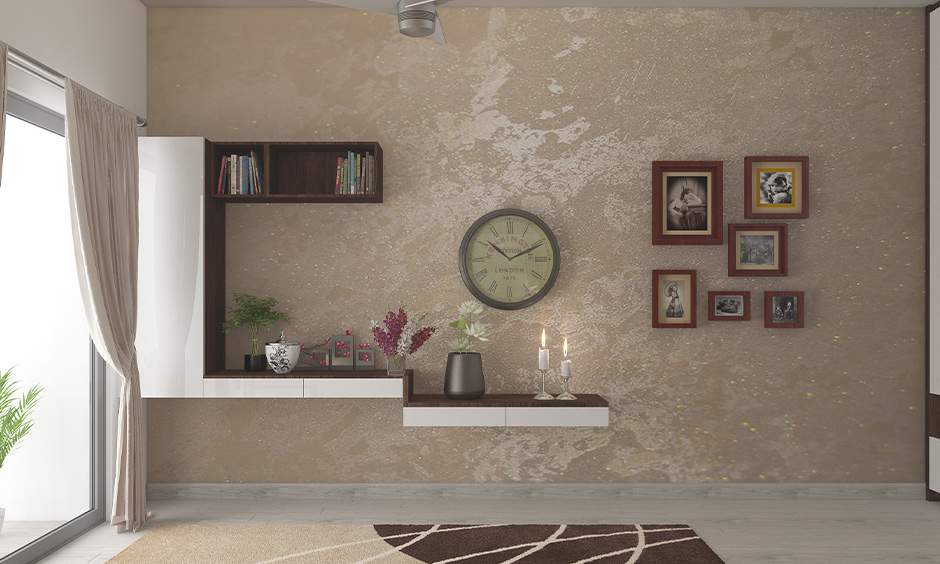
Are you wondering where to hang your wall clock in the living room? Choosing the right spot can make a big difference in how your space looks and feels.
The perfect placement not only keeps you on time but also adds style and balance to your room. Keep reading, and you’ll discover simple tips to find the ideal spot that fits your style and daily routine. Your living room is about to get a fresh, functional upgrade—let’s make sure your wall clock shines in just the right place.
Choosing The Right Wall
Choosing the right wall for your living room clock is key to enhancing your space’s look. The wall must balance style and function. It should complement furniture and room layout. Placement affects how easy it is to see the time. The right spot draws attention without crowding other decor. Thoughtful selection makes your clock a natural fit.
Focal Points To Consider
Pick a wall that naturally draws the eye. This could be above the sofa or near the main seating area. The clock should act as a centerpiece without overpowering the room. Look for walls with simple backgrounds that highlight the clock’s design. Avoid walls with busy patterns or too many decorations. A clear space lets the clock stand out well.
Avoiding Cluttered Walls
Keep walls neat and tidy for the clock to shine. Crowded walls make it hard to focus on the time. Remove extra items or spread them out on different walls. Choose walls with enough open space around the clock. This prevents visual overload and keeps the room calm. A clean wall also helps the clock look larger and more important.

Credit: www.designcafe.com
Optimal Height For Hanging
Choosing the right height to hang your wall clock in the living room can make a big difference in both style and function. The clock should be easy to see from where you usually sit, and it should complement the room’s overall balance. Getting this height right ensures your clock isn’t just a timekeeper but also a focal point.
Eye-level Placement
Placing your wall clock at eye level is often the best choice for comfort and visibility. This usually means the center of the clock should be about 57 to 60 inches from the floor, which matches the average human eye height. When the clock sits here, you won’t have to strain your neck or shift your position to check the time.
Think about where you spend most of your time in the living room. If you often sit on the couch, hang the clock so it’s easily visible from that spot. This simple adjustment creates a natural viewing angle and helps the clock blend seamlessly with your seating arrangement.
Adjusting For Room Size
Room size plays a crucial role in deciding the clock’s height. In a smaller living room, hanging the clock slightly lower can make the space feel cozier and more connected. Conversely, in larger rooms with high ceilings, placing the clock a bit higher avoids it getting lost on a big wall.
Consider the scale of your clock too. A large clock on a small wall looks overwhelming if hung too high, while a small clock in a vast room might need a higher spot to stand out. Don’t be afraid to experiment by temporarily hanging the clock at different heights—sometimes a few inches can change everything.
Balancing With Other Decor
Place the wall clock near other decor items to create harmony in the living room. Balance size and style with nearby art or shelves for a cohesive look. Avoid overcrowding to keep the space neat and inviting.
Balancing with other decor in your living room is essential. The wall clock should complement the overall theme. It should not overpower other elements. Instead, it should blend seamlessly, enhancing the room’s aesthetic.Complementing Furniture
The wall clock should match your furniture style. Consider the material and color of your furniture. A wooden clock pairs well with wooden furniture. For modern furniture, a sleek, metallic clock works best. It creates harmony and balance in the room.Pairing With Wall Art
Place the clock near existing wall art. The colors and styles should complement each other. If your art is bold, choose a simple clock design. This avoids visual clutter and creates a cohesive look. The clock and art should work together, not compete.
Credit: www.designcafe.com
Considering Room Lighting
Considering room lighting is key when choosing where to hang a wall clock in the living room. Lighting affects how well you can see the clock and how it looks in the space. Both natural and artificial light play a role in this decision. Proper placement can make the clock easy to read and enhance the room’s style.
Natural Vs Artificial Light
Natural light changes throughout the day. It can brighten the clock face, making it easy to read. Place the clock near windows but away from direct sunlight. Direct sunlight can fade the clock or cause glare.
Artificial light stays steady. Use ceiling lights, lamps, or wall sconces to highlight the clock. Position the clock where light falls softly. This helps avoid shadows and keeps the clock visible at night.
Avoiding Glare
Glare can make it hard to see the clock’s hands. Avoid placing the clock opposite bright windows or strong light sources. The light should not reflect directly on the clock glass.
Use matte finishes on the clock face to reduce reflections. Adjust lamps or add shades to soften harsh light. This keeps the clock clear and easy to read anytime.
Clock Size And Style Tips
Choosing the right size and style for your living room clock is key to enhancing the space. A well-chosen clock complements your décor and fits the room’s scale. Size and style work together to create balance and focus.
Matching Room Scale
Pick a clock size that suits the room’s dimensions. Large walls need bigger clocks to avoid looking empty. Small rooms fit better with medium or small clocks. Consider the wall space around the clock. Leave enough room so the clock does not overwhelm other décor. Think about nearby furniture and art. A clock too big can crowd the space. Too small, and it may be hard to see or look lost.
Choosing Styles That Fit
Match the clock style to your living room’s design. Modern rooms pair well with sleek, simple clocks. Rustic or traditional spaces suit clocks with wood or vintage details. Bold clocks with bright colors or unique shapes add interest to plain rooms. Neutral tones work if you want a subtle look. Avoid styles that clash with your furniture or wall color. The clock should feel part of the room, not separate.

Credit: www.designcafe.com
Placement For Functionality
Choosing the right spot for your wall clock in the living room affects how well it serves its purpose. Placement for functionality means the clock should be easy to see and not blocked by furniture or decor. This makes checking the time quick and natural without straining your eyes or moving around. Proper placement also helps the clock blend with the room’s style while staying practical.
Easy Visibility Spots
Place the clock where you often look at the time. Above the sofa or mantel is a popular choice. These areas are usually central and visible from most parts of the room. Another option is near the entrance or above a side table. These spots catch attention without needing to move your head much.
Height matters. Hang the clock at eye level or slightly above. This keeps it comfortable to read while sitting or standing. Avoid placing it too high or too low, which makes checking the time harder.
Avoiding Obstructions
Keep the clock free from furniture or decorations that block your view. Avoid corners or behind tall plants and shelves. Obstructions can hide the clock or force you to shift your position.
Consider lighting too. Shadows or glare can make reading the clock difficult. Choose a spot with good light but not direct sunlight that fades or damages the clock face.
Common Placement Mistakes
Placing a wall clock in your living room might seem simple, but common mistakes can throw off the entire look and feel of your space. These errors often disrupt balance and harmony, making the room feel cluttered or awkward. Avoiding these pitfalls can help your clock become a stylish and functional focal point.
Overcrowding The Wall
Filling the wall with too many decorations around your clock steals attention from it and creates visual chaos. Your clock deserves its own breathing room to stand out and be easily readable. Think about leaving some empty space around it—this not only highlights the clock but also keeps the wall from looking too busy.
Have you ever walked into a room where the walls felt stuffed with items? It can make the space feel smaller and overwhelming. Keeping the clock area simple will make your living room feel more open and inviting.
Ignoring Room Flow
Placing the clock where it interrupts natural movement or sightlines in the room is a common mistake. Your clock should be positioned where everyone can easily glance at it without turning awkwardly or blocking pathways. Consider where you spend the most time and place the clock within clear view from those spots.
Think about how people move through your living room. Is the clock visible when you enter, sit down, or relax on the couch? If not, you might be missing the point of having a wall clock in the first place.
Frequently Asked Questions
Where Is The Best Spot To Hang A Living Room Wall Clock?
The best spot is above the sofa or fireplace. It should be eye-level and visible from most seating areas. Avoid cluttered walls to keep the clock as a focal point. Proper placement enhances room aesthetics and functionality.
How High Should I Hang A Wall Clock In Living Room?
Hang the clock at eye level, typically 57-60 inches from the floor. This height ensures easy visibility and balances the room’s visual appeal. Adjust slightly based on furniture height and wall space.
Can A Wall Clock Be A Centerpiece In Living Room Decor?
Yes, a stylish wall clock can serve as a striking centerpiece. Choose a design that complements your decor style. Position it on a prominent wall to draw attention and enhance the room’s character.
Should The Clock Size Match The Living Room Wall Size?
Yes, the clock size should be proportional to the wall. Large walls suit bigger clocks, while smaller walls need modest-sized clocks. Proper size maintains balance and prevents the clock from overwhelming or getting lost on the wall.
Conclusion
Choosing the right spot for a wall clock can change your living room’s look. Place it where everyone can see the time easily. Think about your room’s style and wall space. Above the sofa or near the entrance often works well.
Keep the height at eye level for comfort. A well-placed clock adds both style and function. It helps keep your day on track. Take your time to find the perfect spot. Your living room will feel more welcoming and organized.
Simple changes can make a big difference.



