
Hanging a clock on your wall might seem simple, but doing it right can make a big difference in how your space looks and feels. You want your clock to stay secure, look great, and be easy to read every time you check the time.
If you’ve ever struggled with crooked clocks or holes in the wall, this guide is for you. Keep reading, and you’ll learn easy steps that anyone can follow to hang a clock perfectly—no guesswork, no frustration. Let’s get started and make your wall clock a standout feature in your home!
Choosing The Right Clock
Choosing the right clock is important before hanging it on your wall. The clock should fit your space and suit your style. Consider its type, size, material, and weight. These factors help pick a clock that works well and looks good.
Types Of Wall Clocks
Wall clocks come in many styles:
- Analog clocks with hands and numbers
- Digital clocks showing time with digits
- Decorative clocks that serve as art
- Silent or ticking clocks for quiet rooms
Choose a type that matches the room’s use and vibe.
Size And Style Considerations
Pick a clock size that fits your wall space. Large clocks suit big walls, small clocks fit tight spaces. Match the clock style to your room’s look. Classic, modern, rustic, or minimalist styles create different feels.
A clock should stand out but not overwhelm the room.
Material And Weight Factors
Clock material affects its weight and durability. Common materials include:
- Wood – warm and traditional
- Metal – modern and sturdy
- Plastic – lightweight and affordable
- Glass – elegant but fragile
Heavier clocks need strong wall anchors. Lighter clocks offer easy hanging and moving.
Credit: sokafa.com
Selecting The Ideal Wall Spot
Choosing the perfect spot to hang your clock can make a big difference in how it looks and functions. It’s not just about finding an empty wall; you want a place that complements your room’s style and makes checking the time easy and natural. Let’s look at some key points to help you pick the right spot.
Assessing Wall Space
Start by looking for a wall with enough space to fit your clock without crowding. Is there a blank area that naturally draws the eye? A clock placed on a busy or cluttered wall can get lost or make the space feel chaotic.
Think about the size of your clock too. A large clock on a small wall can overwhelm the space, while a tiny clock on a big empty wall might look out of place. Visualize how the clock will balance with other items on the wall, like shelves or pictures.
Lighting And Visibility
Good lighting is key for easily reading the time. Natural light can highlight your clock beautifully, but avoid direct sunlight that might cause glare or fade the clock’s colors.
Consider where you spend the most time in the room. Will you be able to see the clock clearly from your usual spots? Positioning it where you glance frequently helps you stay on schedule without extra effort.
Avoiding Obstacles And Damage
Check for potential obstacles like light switches, vents, or furniture that could block your view or make hanging tricky. Avoid walls with electrical wiring or plumbing behind them to prevent damage.
Have you ever hung something only to realize it was too close to a door that swings open? Make sure your clock won’t get bumped or knocked down. Choosing a safe spot keeps your clock secure and your walls intact.
Gathering Necessary Tools
Gathering the right tools makes hanging a clock easier and safer. Essential items include a drill, screws, a level, and a measuring tape. Having these ready helps ensure the clock stays secure and straight on the wall.
Gathering the necessary tools is crucial for hanging a clock on the wall. Having the right tools ensures a smooth and secure installation. This section will guide you through the essential tools and equipment needed. Whether you’re a DIY enthusiast or a beginner, this guide simplifies the process.Essential Hanging Tools
To start, gather essential tools for hanging your clock. A hammer is necessary for driving nails into the wall. For a secure fit, use wall anchors, especially for heavy clocks. A screwdriver helps in tightening any screws. Picture hooks can be a great alternative for lighter clocks. Choose the right tools based on your wall type and clock weight.Safety Equipment
Safety should be a priority while working on any project. Wear safety goggles to protect your eyes from dust or debris. Gloves can provide a better grip and protect your hands. Ensure your working area is well-lit to avoid any mishaps. A sturdy ladder is essential if you need to reach high spots on the wall. Always ensure the ladder is stable before climbing.Optional Measuring Devices
Measuring devices help achieve precise placement on the wall. A tape measure is ideal for marking the perfect spot. A level ensures your clock hangs straight. A pencil is useful for marking points on the wall. For more accuracy, a laser level can be beneficial. These tools help create a neat and professional look. Gathering the right tools makes the process efficient and stress-free.Marking The Placement
Marking the placement of your clock on the wall sets the stage for a perfect hang. This step ensures the clock sits at the right height and is straight. Taking time here helps avoid future adjustments and wall damage. Follow a careful process to mark spots clearly and accurately.
Measuring Height And Alignment
Decide the ideal height for your clock. A good rule is to place it at eye level. Use a tape measure to find this height from the floor. Check the wall space around to keep the clock centered with other decor.
Measure the width of the clock to find its middle point. Mark this spot lightly with a pencil. This mark acts as a guide for the hook or nail placement. Align the clock’s center with the mark for balanced positioning.
Using Level And Pencil Marks
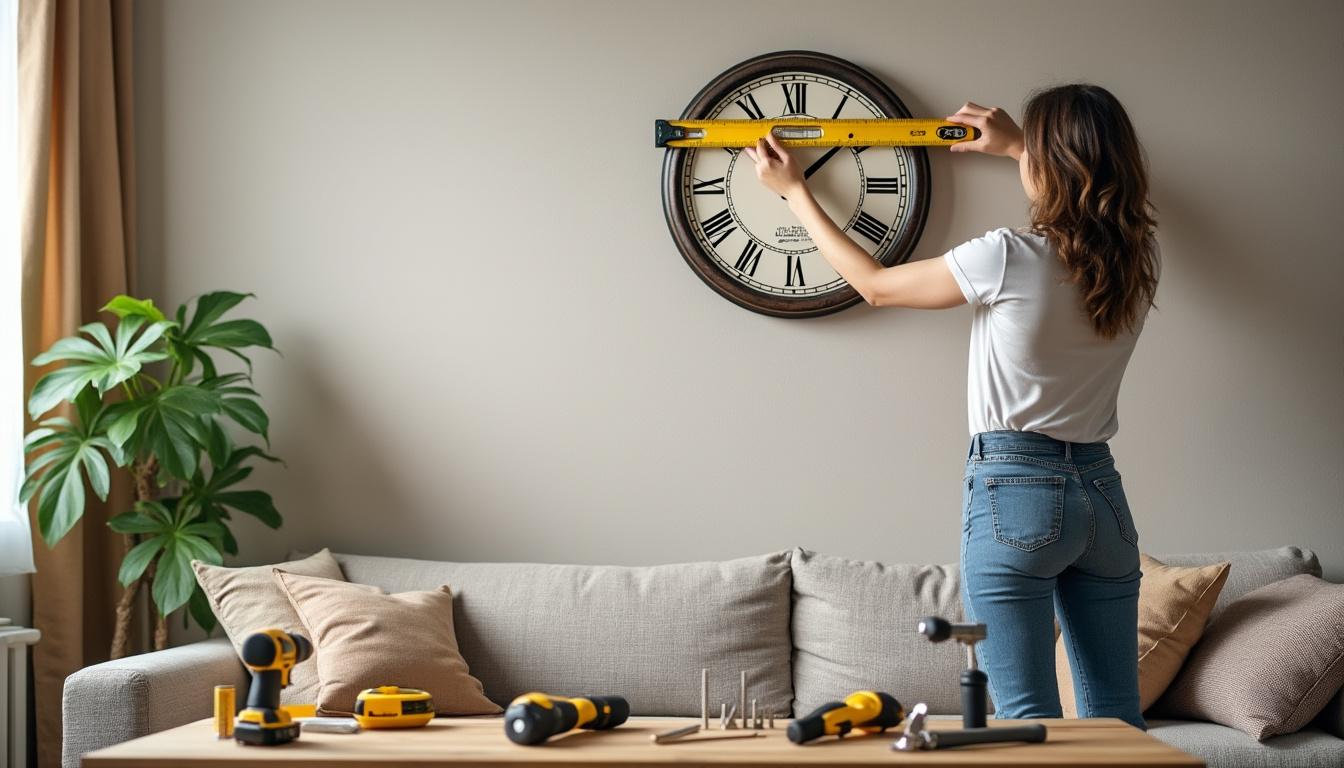
Use a level tool to ensure your marks are straight. Place the level horizontally at the height mark. Adjust until the bubble is centered for a true horizontal line. Draw a light pencil line along this level to keep your placement even.
Make small pencil marks where the clock’s hanging mechanism will meet the wall. These marks must be precise for secure hanging. Avoid heavy marks to keep your wall clean after hanging.
Double-checking Position
Step back and look at the pencil marks from a distance. Confirm the height and alignment look right to your eyes. Use the level again to double-check the straightness of the marks.
Measure once more between marks and the floor to verify accuracy. Adjust the marks if anything seems off. Taking this extra moment saves time and effort after the clock is hung.
Installing Wall Anchors And Hooks
Installing wall anchors and hooks is a crucial step to ensure your clock hangs securely and stays in place. It prevents damage to your wall and holds the clock’s weight effectively. Let’s look at how to choose the right anchors, drill them properly, and attach hooks or nails for a stable setup.
Choosing The Right Anchor Type
Not all wall anchors are made equal. Your choice depends on the wall material and the clock’s weight.
- Plastic expansion anchorswork well for lightweight clocks on drywall.
- Molly boltsprovide extra grip in hollow walls and support medium weights.
- Toggle boltsare ideal for heavy clocks and offer strong support on drywall or plaster.
- For concrete or brick walls, use concrete anchorsor wall plugs.
Have you checked what your wall is made of before picking anchors? This simple step can save you from a clock falling and wall damage.
Drilling And Securing Anchors
Start by marking the exact spot where the clock will hang. Use a pencil and a level for precision.
Choose a drill bit size that matches your anchor. Drilling a hole too big or small affects anchor strength.
After drilling, gently tap the anchor into the hole until it’s flush with the wall. Avoid forcing it, which can damage the wall.
Securing the anchor properly is key. If it wiggles, try a slightly larger anchor or a different type.
Attaching Hooks Or Nails
Once anchors are in place, attach the hooks or nails designed to hold your clock. Screws are best for anchors that require them, while heavy-duty picture hooks work well for lighter setups.
Make sure the hook or nail is straight and firmly screwed into the anchor. A loose hook is a common cause of clocks falling.
Test the hook by gently pulling on it before hanging your clock. This quick test can prevent accidents later.
Think about your clock’s shape and how it hangs. Does it need a single hook or two for balance? Planning this will save you time and effort.

Credit: tictocclockrepairs.co.uk
Hanging The Clock
Hanging the clock correctly ensures it looks great and works well. Take time to place it right on your wall. A well-hung clock adds style and function to any room. Follow simple steps to get the perfect hang.
Positioning The Clock On The Wall
Choose a spot visible from different angles. Avoid places with direct sunlight to prevent fading. Hold the clock against the wall to see how it fits. Mark the spot lightly with a pencil. Keep the clock at eye level for easy reading.
Ensuring Stability And Balance
Use the right hooks or nails for your clock’s weight. Heavy clocks need strong anchors or wall plugs. Check the clock’s back for hanging hardware. Make sure the hook or nail fits securely. Hang the clock gently and test its hold. Adjust the hook if the clock feels loose.
Adjusting For Perfect Alignment
Step back and look at the clock. Use a small level to check if it is straight. Slightly move the clock left or right to adjust. Make small shifts until the clock is perfectly aligned. A straight clock looks neat and easy to read.
Final Touches And Maintenance
After successfully hanging your clock, the work isn’t quite finished. Paying attention to the final touches and ongoing maintenance ensures your clock stays both functional and attractive for years to come. Small adjustments and regular care can prevent common problems and keep your timepiece running smoothly.
Checking Time Accuracy
Once your clock is mounted, observe it over a few days to confirm it keeps accurate time. If you notice it’s running fast or slow, check the battery first—weak batteries often cause timing issues.
Adjusting the clock hands slightly can help correct minor discrepancies. Have you ever left a clock running without checking and realized it was off by several minutes? Catching this early saves frustration later.
Cleaning And Care Tips
Dust buildup can dull your clock’s appearance and even affect its mechanism. Use a soft, dry cloth to gently wipe the surface weekly.
Avoid harsh chemicals or sprays near the clock as they may damage finishes or seep into the clock’s interior. If your clock has glass, a lightly dampened microfiber cloth works best.
- Keep the clock away from direct sunlight to prevent fading.
- Maintain a stable room temperature to avoid mechanical stress.
- Replace batteries every year or as needed to avoid leaks.
Troubleshooting Common Issues
If your clock stops or the hands stick, first inspect the battery and replace it if necessary. Loose hands can often be fixed by gently pressing them back onto their spindle.
Listen for ticking sounds; silence might indicate a dead motor, which can sometimes be reset by removing and reinserting the battery.
Have you encountered a clock that suddenly runs backwards or skips? This usually means internal gears need realignment or professional servicing.

Credit: medium.com
Frequently Asked Questions
How Do I Choose The Right Wall For Hanging A Clock?
Pick a wall visible from most room areas. Ensure it’s strong, smooth, and free from direct sunlight or moisture. Avoid walls with heavy vibrations to keep the clock steady and accurate.
What Tools Are Needed To Hang A Clock Properly?
You need a pencil, measuring tape, level, drill or hammer, and appropriate wall anchors or nails. These tools help ensure your clock hangs straight and securely on the wall.
How High Should I Hang A Wall Clock?
Hang the clock at eye level, typically 57 to 60 inches from the floor. This height makes it easy to read the time without straining your neck.
Can I Hang A Clock On Drywall Without Studs?
Yes, use wall anchors or toggle bolts designed for drywall. They provide strong support and prevent the clock from falling or damaging the wall.
Conclusion
Hanging a clock on the wall is simple and rewarding. Choose the right spot and tools carefully. Mark the place clearly before drilling or nailing. Secure the clock firmly to avoid falls. Step back and enjoy your new wall decor.
A well-hung clock adds style and function to any room. Try it yourself and see how easy it can be. Time to make your space look better and stay on time!



