
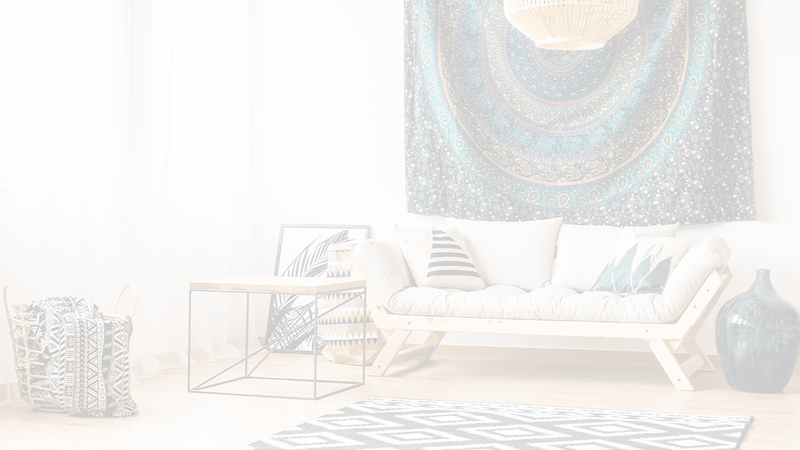
Are you looking to add a splash of color and personality to your space? Hanging a tapestry on your wall is one of the easiest and most stylish ways to transform any room instantly.
But if you’re unsure about the best way to hang it so it looks perfect and stays secure, you’re not alone. In this guide, you’ll discover simple, foolproof methods to hang your tapestry without damaging your walls or your fabric.
By the end, you’ll have the confidence to showcase your tapestry like a pro—and give your room that wow factor you’ve been craving. Ready to get started? Let’s dive in!
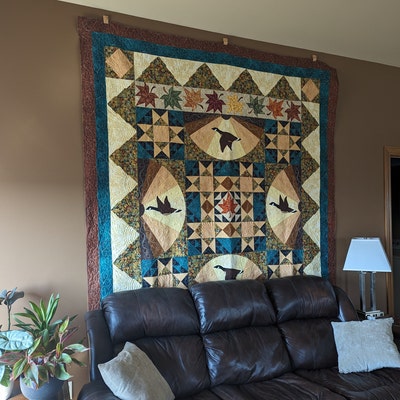
Credit: www.teamduval.org
Choosing The Right Tapestry
Choosing the right tapestry sets the tone for your space. It creates a focal point and adds warmth and personality to your walls. The perfect tapestry complements your room’s style and feels inviting. Consider several factors to pick the best tapestry for your home.
Material And Size
Material affects the look and feel of your tapestry. Cotton offers a soft and natural touch. Polyester is durable and easy to clean. Wool adds texture and warmth but needs careful care.
Size matters for impact and fit. Small tapestries work well for cozy corners. Large tapestries cover big walls and become the room’s centerpiece. Measure your wall space to avoid tapestries that are too small or too large.
Color And Design
Color influences the room’s mood. Bright colors energize, while muted tones calm. Choose colors that blend with or contrast your wall paint.
Design styles vary widely. Geometric patterns bring modern vibes. Floral prints add softness. Abstract designs create artistic flair. Pick a design that matches your taste and room style.
Theme And Room Compatibility
Match the tapestry’s theme with your room’s purpose. A nature-themed tapestry fits well in a bedroom or living room. Bohemian styles suit creative spaces. Minimalist designs work for modern offices.
Think about your room’s existing furniture and decor. The tapestry should enhance, not clash with other elements. This creates harmony and a balanced look.

Credit: www.youtube.com
Selecting The Best Wall Space
Selecting the best wall space for your tapestry can make a big difference in how it looks and feels in your room. It’s not just about picking an empty spot; you want a place where your tapestry can truly shine and enhance your space. Let’s look at some key points to consider before hanging it up.
Light And Visibility
Natural light can highlight the colors and details of your tapestry beautifully. Choose a wall that gets enough sunlight during the day but avoid direct harsh light that might fade the fabric over time.
Think about how often you and your guests will see the tapestry. Placing it where it catches attention, like above a couch or opposite the entrance, helps it become a focal point. Ask yourself: will this spot let the tapestry speak for itself or will it get lost among other decorations?
Wall Condition
Check the wall’s surface before deciding. Smooth, clean walls work best for hanging tapestries without damaging the fabric or wall.
If your wall has rough textures, peeling paint, or moisture issues, the tapestry might not hang well or could get damaged. Fix any cracks or dampness first to protect both your wall and artwork.
Room Layout
Consider the size and shape of your room. A large tapestry can fill an empty wall and add warmth, while a smaller one might look lost in a big space.
Also, think about the furniture arrangement. A tapestry above a bed or sofa can create a cozy vibe, but avoid cluttering the wall with too many items around it. How can you balance your wall art with the rest of the room so everything feels connected?
Tools And Materials Needed
Hanging a tapestry can transform your space beautifully. To do this effectively, gather the right tools and materials. Proper preparation ensures your tapestry stays secure and looks stunning. Here’s what you’ll need.
Hanging Hardware Options
Choose the right hanging hardware for your tapestry. Options vary based on wall type and tapestry weight. Common choices include:
- Adhesive hooks
- Nails
- Push pins
- Command strips
- Rods with brackets
Each option offers different benefits. Consider your tapestry’s weight and wall material.
Measuring Tools
Accurate measurements prevent mishaps. Use reliable tools for precision:
- Measuring tape
- Level
- Pencil
Mark the wall where you plan to hang. This helps ensure symmetry and balance.
Protective Gear
Safety matters when using tools. Equip yourself with essential protective gear:
- Safety goggles
- Work gloves
- Dust mask
These items protect you from accidental injuries. Always prioritize safety during installation.
Preparing The Wall And Tapestry
Getting your wall and tapestry ready is a crucial part of hanging it perfectly. Skipping this can lead to wrinkles, uneven hanging, or damage to your wall and fabric. Preparing both surfaces ensures your tapestry looks stunning and stays secure for a long time.
Cleaning The Wall
Start by wiping the wall with a damp cloth to remove dust and dirt. A clean surface helps tapestries stick better if you’re using adhesive hooks or strips. Avoid oily or wet spots, as these can cause hooks to fall off or paint to peel.
If your wall has rough patches or peeling paint, gently sand or repair these areas first. This extra step can prevent uneven hanging and protect your tapestry fabric from snagging. Would you hang a picture on a grimy wall? Treat your tapestry with the same respect.
Ironing Or Steaming The Tapestry
Wrinkles in your tapestry can distract from its beauty. Use a low-heat iron or a handheld steamer to smooth out any creases. Always test a small, hidden area first to avoid damaging delicate fibers or colors.
Steaming works well for delicate materials or tapestries with intricate details. Hold the steamer a few inches away and move it slowly over the fabric. This simple step can make your tapestry look fresh and professionally displayed.
Measuring And Marking
Measure your wall space and the tapestry carefully before hanging. Use a tape measure and pencil to mark where the top corners of the tapestry will go. This helps avoid guesswork and uneven placement.
Consider the height you want your tapestry to hang. Eye level is a common choice, but think about how it fits with your furniture and lighting. Marking the spots clearly will save you from unnecessary holes or sticky marks on your wall.
Hanging Methods
Hanging a tapestry can transform any room with color and texture. Choosing the right hanging method depends on your wall type, tapestry size, and style preference. Some methods offer strong support while others keep walls damage-free.
Explore these common ways to hang your tapestry easily and securely.
Using Nails And Hooks
Nails and hooks provide strong, reliable support for heavy tapestries. Use small nails or picture hooks to avoid large holes in the wall. Place nails along the top edge of the tapestry for even weight distribution. This method works well on drywall and wooden walls.
- Choose nails or hooks that match tapestry weight.
- Mark the wall for accurate placement.
- Use a hammer or drill carefully.
Command Strips And Adhesives
Command strips offer a damage-free way to hang lightweight tapestries. They stick firmly and remove cleanly without marks. Apply strips evenly across the tapestry’s top edge for balance. This option suits renters and temporary displays.
- Clean wall surface before applying strips.
- Press strips firmly to tapestry and wall.
- Follow product instructions for best hold.
Wooden Dowels Or Rods
Wooden dowels or rods create a neat, framed look for tapestries. Slide the top edge of the tapestry onto the rod. Hang the rod on brackets or hooks attached to the wall. This technique adds structure and keeps the tapestry flat.
- Choose a dowel wider than the tapestry width.
- Use brackets that fit the rod size.
- Position the rod for balanced hanging.
Tapestry Clips And Hangers
Tapestry clips grip the fabric edges without damage. Hang clips on nails or hooks for easy installation. This method suits delicate fabrics and allows quick changes. Clips come in various styles and materials to match decor.
- Attach clips evenly along tapestry sides or top.
- Use sturdy nails or hooks for support.
- Check clips do not leave marks on fabric.

Credit: americanartdecor.com
Securing And Adjusting
Securing and adjusting a tapestry on your wall ensures it looks neat and stays in place. Proper handling avoids sagging and wrinkles, making your tapestry a stunning feature. Follow these tips to achieve a smooth and balanced display.
Ensuring Even Alignment
Start by checking the top edge of the tapestry. Use a level or measure the distance from the ceiling or floor. Adjust the placement until the tapestry hangs straight. Even alignment prevents a crooked look and keeps the design balanced.
Tightening And Smoothing
Pull the tapestry gently to remove wrinkles and sagging. Secure it firmly at each corner to keep tension. Use clips, push pins, or nails depending on your wall type. Smooth the fabric with your hands for a crisp, clean appearance.
Preventing Damage
Choose gentle hanging tools to avoid wall and fabric damage. Avoid heavy nails or sharp hooks that can tear the tapestry. Use adhesive hooks or fabric-safe strips for delicate walls. Check the tapestry regularly and adjust tension to keep it safe and secure.
Creative Display Ideas
Creative display ideas can transform a simple tapestry into a stunning focal point in your room. They let you express your style and make the wall truly yours. Experimenting with different ways to hang and decorate around your tapestry can add depth and personality to your space.
Layering With Other Wall Art
Try placing your tapestry alongside framed photos, paintings, or mirrors. This layering effect adds texture and interest to your wall. You can overlap pieces or arrange them in a gallery-style layout to create a dynamic visual story.
Think about mixing different sizes and shapes to avoid a flat look. Your tapestry can act as a backdrop, highlighting smaller artworks in front. Have you considered how combining elements can bring out colors and themes you love?
Using Fairy Lights
Adding fairy lights around or through your tapestry creates a cozy and magical atmosphere. The soft glow highlights the patterns and makes the tapestry pop, especially in the evening. You can drape the lights on top or weave them through the fabric for a unique effect.
Choose warm white lights for a gentle vibe or colorful ones to match the tapestry’s tones. This simple addition can turn your tapestry into a night-time centerpiece that draws attention. What mood do you want your room to have after dark?
Framing The Tapestry
Framing your tapestry gives it a polished and finished look, similar to traditional art. Use a large frame or create a custom one that fits the fabric perfectly without stretching it. This method protects the tapestry and makes it easier to hang securely.
Frames in natural wood or sleek metal can complement the tapestry’s style. Framing also allows you to switch out your wall art effortlessly when you want a change. Have you thought about how framing could elevate your tapestry’s presence in the room?
Maintenance Tips
Proper maintenance keeps your tapestry looking fresh and vibrant for years. It protects the fabric and colors from damage. Regular care prevents wear and tear, preserving its beauty on your wall.
Cleaning And Washing
Dust your tapestry regularly using a soft brush or vacuum with a gentle attachment. Spot clean stains immediately with a mild detergent and cold water. Avoid harsh chemicals that can harm the fabric.
For washing, hand wash in cold water or use a delicate cycle in a washing machine. Always air dry flat to prevent stretching or warping.
Avoiding Sun Damage
Direct sunlight can fade your tapestry’s colors quickly. Hang it in a spot that gets indirect light. Use curtains or blinds to protect the fabric during peak sunlight hours.
Rotate your tapestry occasionally to ensure even exposure and prevent uneven fading.
Storage Solutions
Store your tapestry in a cool, dry place away from moisture and pests. Roll it gently instead of folding to avoid creases. Use acid-free tissue paper for extra protection.
Keep it in a breathable fabric bag or wrap to allow airflow and prevent mold growth.
Frequently Asked Questions
How Do You Hang A Tapestry Without Damaging Walls?
Use removable adhesive hooks or Velcro strips designed for walls. These options hold tapestries securely without nails or holes, preserving your wall’s surface.
What Tools Are Best For Hanging A Tapestry?
A tape measure, level, nails or hooks, and a hammer are ideal. These tools ensure your tapestry is hung straight and safely.
Can I Hang A Tapestry On Drywall Without Studs?
Yes, use wall anchors or adhesive hooks rated for drywall. They provide extra support and prevent damage when no studs are available.
How High Should I Hang A Tapestry On A Wall?
Hang tapestries at eye level or slightly above for best visibility. This height enhances the room’s aesthetics and highlights the tapestry’s details.
Conclusion
Hanging a tapestry can brighten any room quickly. Choose the right method for your wall type. Use simple tools and take your time. Make sure the tapestry hangs straight and secure. Small details make a big difference in appearance. Enjoy your new wall art every day.
Try different styles to find what fits you best. This simple project adds warmth and color easily.



