
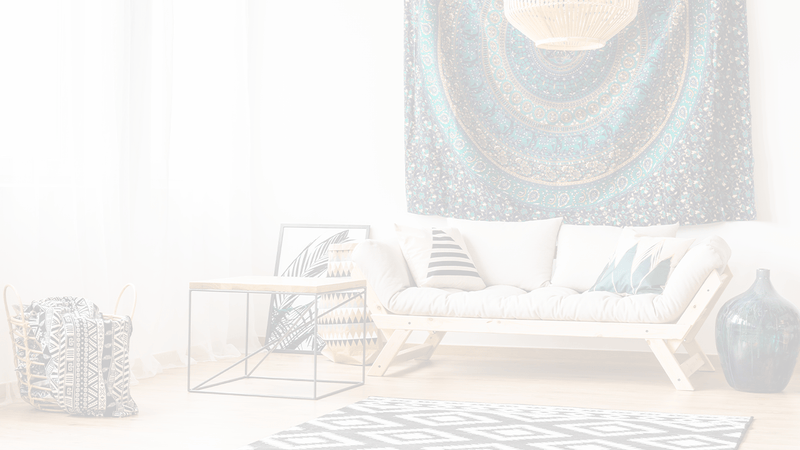
Are you looking to add a unique touch to your space without spending a fortune? Hanging a tapestry on your wall is a simple and stylish way to transform any room instantly.
But how do you make sure it looks perfect and stays put? This guide will show you exactly how to hang a tapestry with ease, so your walls reflect your personality and style. Keep reading, and you’ll discover the easiest tricks to get your tapestry up right—no damage, no hassle, just beautiful results.
Choosing The Right Tapestry
Choosing the right tapestry is crucial for transforming your space. It’s not just about picking a pretty pattern—you want a piece that fits your wall perfectly and lasts over time. Think about how size, design, and material will work together in your room before making a decision.
Size And Design Considerations
Start by measuring your wall space carefully. A tapestry that’s too small might look lost, while one that’s too large can overwhelm the room. Consider what mood you want to create—bold colors and large patterns grab attention, while subtle designs add a calm vibe.
Ask yourself: Do you want the tapestry to be the focal point or a background piece? Matching the tapestry’s style with your existing decor can either complement or contrast your room. If your walls are busy with other art, a simple tapestry might work better.
Material Types And Durability
Material choice affects not only the look but how long your tapestry will last. Cotton tapestries are soft and easy to clean, but they might fade in direct sunlight. Polyester options resist wrinkles and stains, making them ideal for high-traffic areas.
Think about where you’ll hang it. In a sunny room, pick a fabric that resists fading. For a cozy bedroom, a thicker, warmer material can add texture and comfort. Always check care instructions to ensure your tapestry stays vibrant and intact.
Credit: www.etsy.com
Selecting Wall Space
Choosing the right wall space is key to showing off your tapestry well. It helps create a strong visual impact and protects the fabric. Think about the size and shape of the tapestry, and the room’s style. The wall should be large enough for the tapestry to hang flat and be seen clearly. Avoid walls crowded with other decorations to keep focus on the tapestry.
Assessing Wall Condition
Check the wall surface before hanging. Smooth, clean walls work best. Avoid damp or cracked areas that can damage the fabric. Paint should be dry and not peeling. Walls with holes or rough patches can make hanging tricky. Fix any damage to keep the tapestry secure and looking good.
Lighting And Visibility
Good lighting makes your tapestry stand out. Natural light brightens colors and details beautifully. Place the tapestry where it gets some daylight but not direct sunlight. Too much sun can fade the fabric. Use soft indoor lights to highlight the tapestry in the evening. Make sure the area is easy to see and enjoy from different angles.
Preparing Tools And Materials
Gather all necessary tools like nails, hooks, a hammer, and a measuring tape before starting. Choose materials that suit your wall type and tapestry size for a secure hold. Double-check everything to avoid interruptions during hanging.
Preparing your tools and materials is a crucial step in hanging a tapestry. The right tools make the process smooth and ensure the tapestry looks great. Gather everything you need before starting to avoid interruptions.Essential Hanging Tools
To hang a tapestry, you’ll need a few basic tools.- Measuring Tape:Ensures your tapestry is centered and straight.
- Level:Keeps your tapestry perfectly horizontal.
- Hammer:Necessary for driving nails or hooks into the wall.
- Nails or Hooks:These secure the tapestry to the wall.
- Drill:Useful for heavier tapestries needing wall anchors.
Optional Decorative Accessories
You might want to enhance the look with some decorative touches.- Decorative Rods:Add a stylish finish and support the tapestry.
- Wall Clips:Hold the tapestry without damaging it.
- Tassels or Fringe:Add flair to the bottom or sides.
Hanging Methods
Choosing the right hanging method for your tapestry can change the entire vibe of your space. Each technique offers a unique way to display your fabric, depending on your wall type and how permanent you want the setup to be. Let’s look at some practical methods that you can try today.
Using Nails And Hooks
This is a classic and sturdy way to hang a tapestry. Nails or small hooks driven into the wall hold the fabric securely, making it ideal for heavier tapestries. You can space the nails evenly along the top edge or corners to spread the weight.
Think about the damage nails might cause to your walls—are you ready for that? If you are renting, this might not be the best option. But if you own your home, nails offer a reliable and simple solution that keeps your tapestry flat and taut.
Command Strips And Adhesives
Command strips are perfect if you want a no-damage option. They stick to the wall and hold lightweight tapestries without leaving marks when removed. This method works well on smooth surfaces and allows easy repositioning.
Just make sure the tapestry isn’t too heavy. If you have a delicate wall or want to change your décor often, these strips give you flexibility and peace of mind. Have you tried this method before? How did it hold up over time?
Rod Or Dowel Installation
Hanging a tapestry on a rod or dowel adds a polished, decorative touch. Slide the tapestry over the rod or attach it with clips, then mount the rod on brackets fixed to the wall. This method keeps the fabric wrinkle-free and easy to take down.
It’s especially good for tapestries with a pocket sewn into the top. You can also use curtain rods for a quick setup. Would you prefer this option for a more elegant display or to make swapping tapestries effortless?
Step-by-step Hanging Process
Hanging a tapestry can instantly transform a room, but getting it just right takes a bit of care. The step-by-step process helps you avoid common mistakes and ensures your tapestry looks stunning on your wall. Let’s break down the practical actions you need to take to hang your tapestry securely and beautifully.
Marking Placement
Start by deciding exactly where the tapestry will go. Hold it against the wall and step back to see how it fits with your room’s layout and lighting. Use a pencil to lightly mark the top corners or edges where you want to place the hanging points.
If your tapestry is large, consider using a measuring tape to center it perfectly on the wall or above furniture. Don’t rush this step; a few extra seconds here can save you from crooked results later. Ask yourself: Does this spot highlight the tapestry’s design best?
Securing The Tapestry
Choose the right hardware based on your wall type—hooks, nails, or adhesive strips work well on drywall, while masonry walls might need anchors or screws. If your tapestry has a rod pocket, slide a curtain rod or wooden dowel through it for easy hanging. Otherwise, use pushpins or small nails at the marked points, making sure they’re level.
For added security, use wall anchors or picture hanging strips rated for your tapestry’s weight. Avoid using tape directly on the fabric to prevent damage. Remember, the goal is to keep your tapestry flat and taut without stretching or sagging.
Adjusting For Perfect Fit
Once your tapestry is hanging, step back and check for wrinkles or uneven edges. Gently smooth out any creases with your hands or a soft brush. If the tapestry is slightly crooked, adjust the nails or hooks by a small margin until it hangs straight.
Consider adding small weights or clips at the bottom corners if your tapestry curls or moves. This subtle tweak can make a big difference in maintaining a polished look. Have you noticed how small adjustments can completely change the vibe of a room?

Credit: americanartdecor.com
Maintaining Your Tapestry
Maintaining your tapestry keeps it beautiful and fresh for years. Proper care protects the fabric and colors. It also helps your tapestry stay a lovely part of your room decor.
Cleaning Tips
Dust your tapestry often with a soft brush or vacuum on low. Spot clean stains quickly using a gentle detergent and cold water. Avoid soaking the tapestry; instead, dab gently with a clean cloth.
For deep cleaning, hand wash carefully or use a professional cleaner. Always check the care label before washing. Dry your tapestry flat away from direct sunlight to prevent shrinkage.
Preventing Damage And Fading
Keep your tapestry away from direct sunlight to avoid color fading. Rotate the tapestry occasionally to ensure even exposure to light. Avoid hanging it in damp areas to prevent mold and mildew.
Use proper hanging tools like nails or hooks that do not damage the fabric. Handle the tapestry gently when moving or adjusting. Store rolled or flat in a dry place if not in use.
Creative Display Ideas
Creative display ideas can transform a simple tapestry into a stunning wall feature. These ideas add depth and style to your room. They make your space feel unique and inviting. Explore ways to mix and match for a fresh look.
Layering With Other Wall Art
Layer your tapestry with framed photos or paintings. This creates a rich, textured wall space. Use different sizes and shapes for visual interest. Place smaller art pieces overlapping the tapestry edges. This approach adds dimension without clutter. Try mixing materials like wood frames and metal art. It gives a balanced, artistic vibe to your wall.
Using Lighting To Enhance Appearance
Lighting can highlight your tapestry’s colors and patterns. Use spotlights or adjustable wall lamps aimed at the fabric. Soft, warm lights make the tapestry feel cozy and inviting. LED strip lights behind the tapestry create a glowing effect. Avoid harsh lights that wash out colors. Experiment with light angles to find the best look. Good lighting turns your tapestry into a focal point.

Credit: aboderie.co.uk
Frequently Asked Questions
What Materials Are Needed To Hang A Tapestry On Wall?
You need nails, hooks, a measuring tape, and a level to hang a tapestry. Optional tools include adhesive strips for damage-free mounting. Choose materials based on wall type to ensure secure and safe hanging.
How Do I Prevent Damage When Hanging A Tapestry?
Use adhesive hooks or strips designed for wall use to avoid holes. Avoid heavy nails on delicate walls. Consider a wooden rod or dowel to distribute weight evenly and protect fabric.
Can I Hang A Tapestry Without Nails Or Drilling?
Yes, use removable adhesive strips or hooks for lightweight tapestries. Command strips are a popular choice. This method keeps walls intact and is ideal for renters or temporary decor.
What Is The Best Height To Hang A Tapestry?
Hang your tapestry at eye level for best visibility. Typically, center it around 57 to 60 inches from the floor. This height enhances room aesthetics and ensures comfortable viewing.
Conclusion
Hanging a tapestry on your wall can change any room’s feel. Choose the right method for your wall type and tapestry size. Use simple tools like hooks, nails, or adhesive strips for easy setup. Keep the tapestry smooth and flat to avoid wrinkles.
With care, your tapestry will brighten your space for a long time. Try different styles and placements to find what suits you best. Enjoy the cozy and artistic touch it brings to your home.



