

Are you looking to transform your room without spending a fortune? Hanging a tapestry on the ceiling is a simple trick that can instantly change the vibe of your space.
Imagine turning your plain ceiling into a cozy, artistic retreat that reflects your style. If you’ve ever wondered how to do it right—without damaging your walls or struggling with complicated tools—this guide is for you. Keep reading, and you’ll discover easy, step-by-step tips to hang your tapestry safely and beautifully.
Your room makeover starts here!
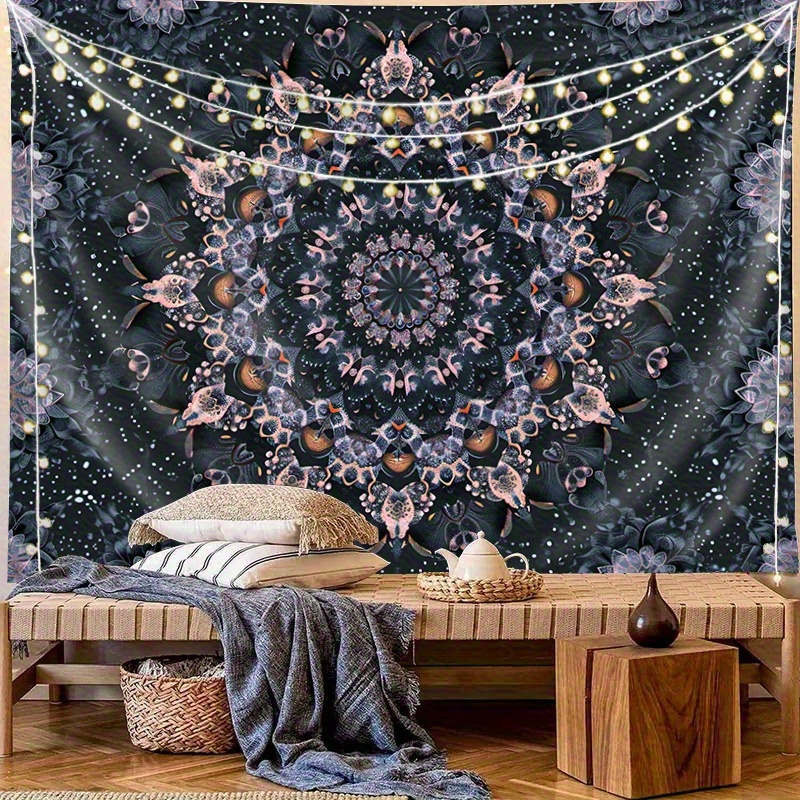
Credit: www.temu.com
Choosing The Right Tapestry
Choosing the right tapestry for your ceiling is key to creating a beautiful and safe setup. The tapestry should match your room’s style and the ceiling’s structure. Picking the correct material and size helps prevent damage and makes the space feel cozy.
Consider the tapestry’s weight and design before hanging it. Both affect how easy it is to install and how it looks once up. The right choice can turn your ceiling into a stunning focal point.
Material And Weight Considerations
Lightweight fabrics like cotton or polyester work best for ceilings. They are easy to hang and less likely to sag. Thick or heavy materials may need extra support and strong hooks. Avoid materials that stretch or wrinkle easily to keep the tapestry neat.
Check the tapestry’s weight before buying. Lighter tapestries reduce strain on ceiling anchors. They lower the risk of damage to your ceiling or the tapestry itself.
Size And Design Tips
Measure your ceiling area carefully. Choose a tapestry size that fits well without crowding the space. Large tapestries create a dramatic look but need secure mounting. Smaller ones add subtle charm and are easier to manage.
Pick designs that complement your room’s colors and mood. Simple patterns work well on ceilings to avoid overwhelming the space. Bold prints can add personality but balance them with your room’s decor.
Preparing Your Ceiling
Preparing your ceiling before hanging a tapestry is essential to ensure safety and achieve the perfect look. Taking time to understand your ceiling’s structure and marking the right spots helps avoid damage and frustration later. Let’s look at how to get your ceiling ready so your tapestry stays up securely and looks fantastic.
Checking Ceiling Material
Not all ceilings are built the same. You need to identify whether your ceiling is drywall, plaster, wood, or concrete. This affects the type of hooks or anchors you’ll use and how to install them safely.
Drywall, for example, can’t hold much weight without anchors, while wood beams can support heavier tapestries with simple screws. If you’re unsure about your ceiling material, try tapping gently with your knuckles or use a stud finder to detect beams.
Have you ever hung something only to have it fall? That often happens because the ceiling material wasn’t checked first. Taking this step seriously saves you from those mishaps.
Measuring And Marking
Accurate measurements make all the difference. Start by measuring the tapestry’s dimensions and decide where you want it on the ceiling. Will it be centered in the room or offset over a specific area?
Use a pencil to lightly mark the spots on your ceiling where the hooks will go. Make sure the marks align with ceiling joists or use proper anchors if you’re going into drywall. Double-check your marks by measuring the distances between them to confirm they match your tapestry’s edges.
Think about the height, too. Hanging it too low could feel cramped, while too high might make the tapestry less visible. How high do you want your tapestry to be from the floor? Mark that mentally before drilling or installing any hardware.
Hanging Methods
Secure the tapestry with lightweight hooks or adhesive strips designed for ceilings. Stretch it evenly to avoid sagging and create a cozy, decorative look. This simple technique brightens the room and adds texture overhead.
Hanging a tapestry on the ceiling can transform a room, adding personality and texture. Whether you want to create a cozy atmosphere or a dramatic focal point, the method you choose to hang your tapestry is key. Consider your space, the weight of the tapestry, and your personal style to decide the best approach. Here are some effective hanging methods you might explore.Using Hooks And Anchors
For heavy tapestries, hooks and anchors provide sturdy support. Start by marking the spots on the ceiling where you want to place your hooks. Use a drill to insert anchors into these spots, and then screw in your hooks. This method is ideal for renters who need a removable solution, as it leaves minimal damage when removed.Employing Curtain Rods
If you want to achieve a draped effect, curtain rods are a creative choice. Install two brackets on the ceiling, slide the tapestry onto the rod, and place it into the brackets. Ensure the rod matches the tapestry’s style and color for a cohesive look.Adhesive Solutions
For those who prefer a no-drill option, adhesive strips or hooks are perfect. These are especially useful for lightweight tapestries. Clean the ceiling surface, then firmly press the adhesive to ensure it sticks well. Keep in mind, the strength of the adhesive can vary, so always check the weight limit before hanging your tapestry. Which method resonates with your style and space? Each option offers a unique way to showcase your tapestry, so choose what fits your vision and watch your room transform.Securing The Tapestry
Securing your tapestry on the ceiling is crucial to make sure it stays in place without damaging your walls or fabric. The right technique gives your space a cozy, creative vibe while keeping things safe and sturdy. Let’s look at simple, effective ways to hold your tapestry up with confidence.
Folding And Pinning Techniques
Folding your tapestry carefully along the edges can help create a neat border for pinning. Fold about an inch or two on each side to double the fabric thickness, which makes it easier to secure without tearing.
Use sewing pins or thumbtacks to attach the folded edges to the ceiling. Pinning at regular intervals, such as every 6 to 8 inches, distributes the weight evenly and prevents sagging.
Have you ever noticed how a few well-placed pins can hold heavy fabric without any extra tools? It’s all about balancing tension and using enough pins to support the weight.
Using Clips And Rods
Clips offer a damage-free way to hang your tapestry, especially if you want to avoid making holes. Strong binder clips or curtain clips can grip the tapestry edge firmly.
Pair these clips with a lightweight tension rod or a curtain rod fixed to the ceiling. The rod runs along the tapestry’s top edge, holding it up evenly.
This method lets you slide the tapestry on and off easily, perfect if you like to change your decor regularly. Plus, rods come in various finishes to match your room’s style.
Creative Styling Ideas
Hanging a tapestry on the ceiling opens up a world of creative styling possibilities. You can transform your space into a cozy retreat, a vibrant art gallery, or a dreamy nook just by how you style your tapestries. Let’s explore some creative ideas that will help you make the most of your ceiling tapestry and reflect your unique taste.
Layering Multiple Tapestries
Why settle for one tapestry when you can create depth and texture by layering several? Try hanging tapestries of different sizes and patterns slightly overlapping each other. This adds visual interest and a custom feel to your ceiling.
Mixing colors and designs can also help you set the mood. Pair a bold, colorful tapestry with a more neutral or sheer one for balance. Have you thought about using tapestries with different materials, like cotton and silk, to add a tactile dimension?
Incorporating Lighting
Lighting is a powerful tool to highlight your ceiling tapestry. String lights or fairy lights woven around the edges can create a warm, inviting glow. LED strip lights behind the tapestry add a subtle backlight that makes patterns pop.
Think about placing a dimmable lamp nearby to control the ambiance. Have you tried adding lanterns or pendant lights that complement your tapestry’s theme? These small touches can change the entire vibe of your room instantly.
Adding Greenery And Accessories
Green plants bring freshness and life to any space, and they look fantastic when combined with ceiling tapestries. Hanging small potted plants or trailing vines around the tapestry edges softens the look and introduces a natural element.
You can also add accessories like dreamcatchers, macramé hangings, or decorative mobiles nearby. These pieces enhance the bohemian or eclectic style that often pairs well with tapestries. What small item could you add that reflects your personality and makes the space truly yours?

Credit: www.amazon.com
Maintenance Tips
Keeping a tapestry on the ceiling fresh and sturdy needs regular care. Proper maintenance extends its life and keeps it looking great. Simple habits prevent damage and avoid common problems like sagging or dirt buildup.
Cleaning Without Damage
Dust the tapestry gently using a soft brush or vacuum with a brush attachment. Avoid harsh scrubbing or using water, as it can weaken the fabric. Spot clean stains with a mild detergent and a damp cloth. Test any cleaning solution on a small hidden area first. Let the tapestry air dry completely before rehanging.
Preventing Sagging
Support the tapestry evenly to keep it taut and flat. Use multiple hooks or clips spaced across the ceiling. Check the attachments regularly to make sure they are secure. Tighten or adjust the fasteners if the tapestry starts to droop. Avoid placing heavy objects on the fabric or pulling it down.
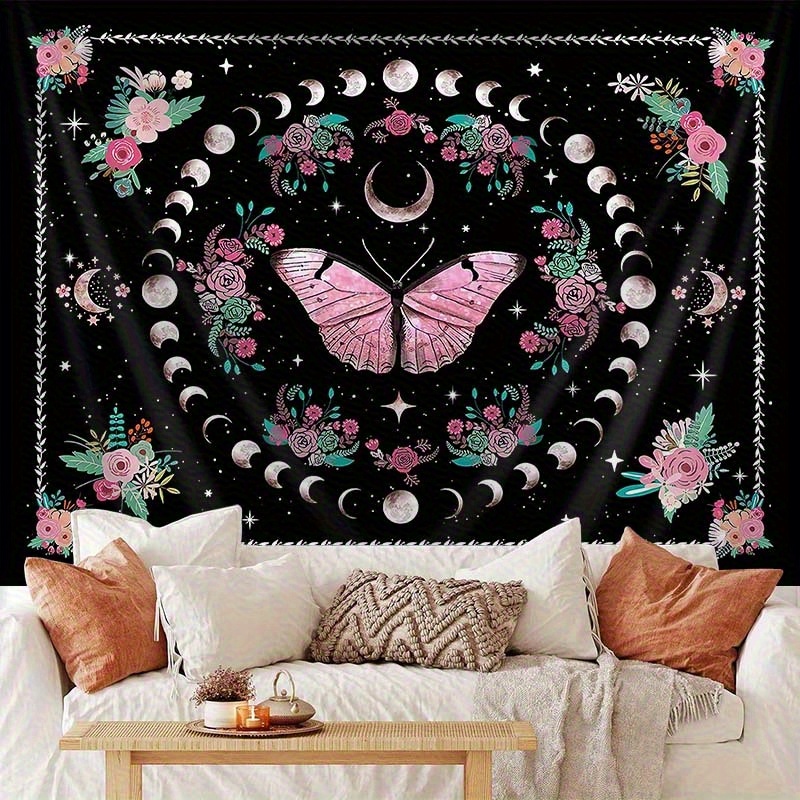
Credit: www.temu.com
Frequently Asked Questions
How Do I Hang A Tapestry On The Ceiling Safely?
Use ceiling hooks or adhesive strips rated for your tapestry’s weight. Ensure the surface is clean and dry before installation. Avoid heavy tapestries on weak ceilings to prevent damage or accidents.
What Tools Do I Need To Hang A Ceiling Tapestry?
You’ll need ceiling hooks, a drill or screwdriver, a measuring tape, and possibly adhesive strips. Optional items include a ladder and a stud finder for secure placement.
Can I Hang A Tapestry Without Drilling Holes?
Yes, use strong adhesive hooks or Velcro strips designed for ceiling use. Make sure the tapestry is lightweight and the ceiling surface is smooth and clean.
How Do I Prevent Tapestry Sagging On The Ceiling?
Use multiple hooks spaced evenly to distribute weight. Choose a tapestry with a sturdy fabric and avoid excessive stretching when hanging.
Conclusion
Hanging a tapestry on the ceiling adds style and warmth to any room. It can change the mood and make space feel cozy. Use the right tools and measure carefully for best results. Choose a tapestry that fits your room’s colors and theme.
Take your time to secure it well and avoid damage. Enjoy the new look and comfort it brings above you. A simple step that makes a big difference. Give your ceiling a fresh, creative touch today.



