
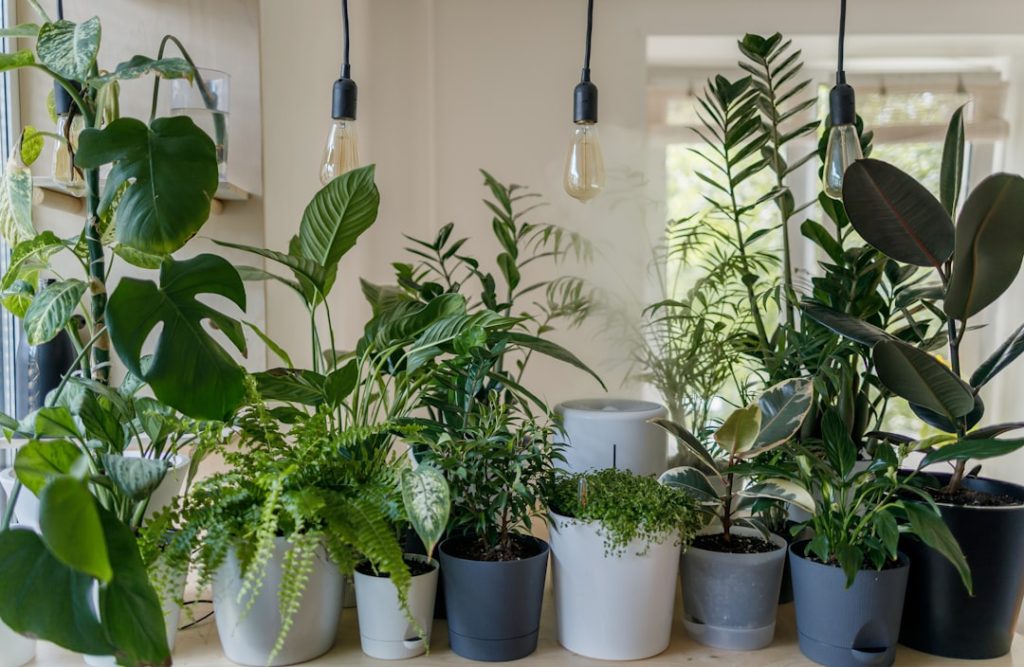
Have you ever wondered if your desk lamp could do more than just light up your workspace? What if it could actually help your plants grow healthier and stronger?
If you’re looking to boost your indoor garden but don’t have access to plenty of natural sunlight, this question might be on your mind. You’ll discover how a simple desk lamp could make a real difference for your plants—and learn practical tips to make the most of it.
Keep reading to find out if your desk lamp is more powerful than you think.

Credit: www.reddit.com
Benefits Of Desk Lamps For Plants
Using a desk lamp for your plants can make a noticeable difference in their growth and overall health. It’s an easy way to give your greenery a boost, especially if natural light is limited. Let’s look at how a desk lamp can benefit your plants in practical ways.
Enhancing Light Exposure
Desk lamps provide additional light that your plants might not get from windows alone. This is especially helpful during darker months or in rooms with small windows. By adding a desk lamp, you ensure your plants receive consistent light, which is crucial for their growth.
Think about your own experience: if you ever struggled to keep a plant alive in a dim corner, a desk lamp can change that. It fills the light gap and helps your plants thrive instead of just surviving.
Extending Photosynthesis Hours
Plants need light to perform photosynthesis, the process that feeds them. A desk lamp can extend the hours your plants get light beyond the natural daylight available. This means they can keep producing energy for longer periods.
By extending light exposure, you allow your plants to stay active and healthy, even on cloudy days or during short winter days. Have you noticed your plants looking dull during low-light seasons? A desk lamp might be just what they need.
Improving Plant Health Indoors
Indoor plants often face challenges like limited light and dry air. A desk lamp can improve their environment by providing steady light and sometimes warmth. This helps reduce issues like leggy stems and poor leaf color.
Using a desk lamp can also help prevent common indoor plant problems such as slow growth and leaf drop. It’s a simple way to make your indoor garden more vibrant and alive. What’s stopping you from giving your plants the light they deserve?
Choosing The Right Desk Lamp
Choosing the right desk lamp is key to helping plants grow indoors. Not all lamps provide the light plants need. You must consider the type of bulb, light intensity, and adjustability. These factors affect how well your plants will thrive under artificial light.
Types Of Light Bulbs
Different bulbs produce different types of light. Common options include:
- Incandescent bulbs: Not ideal for plants. They produce heat, not enough useful light.
- Fluorescent bulbs: Popular for plant growth. They emit a balanced light spectrum.
- LED bulbs: Energy-efficient and long-lasting. They can provide specific light colors plants need.
Choose bulbs labeled as “full spectrum” or “grow lights” for best results.
Light Intensity And Spectrum
Plants need certain light intensity to photosynthesize well. Too weak light slows growth. Too strong light may harm leaves.
The light spectrum matters too. Plants use mostly blue and red light for growth. Blue light helps leaf growth. Red light supports flowering and fruiting.
Select lamps that offer adjustable intensity and a balanced spectrum for healthy plants.
Adjustable Features For Growth
Adjustable lamps let you control height and angle. This helps focus light where plants need it most.
Dimmable lights allow changing brightness to match plant needs during growth stages.
A flexible lamp arm or neck makes it easy to move the light as plants grow taller.
Choose lamps with adjustable features to provide the best care for your plants.
Best Plants For Desk Lamp Growth
Certain plants like pothos, snake plants, and succulents thrive well under desk lamps. These low-light plants grow steadily with consistent artificial light. Desk lamps provide enough light for small, easy-care plants to stay healthy indoors.
Growing plants using a desk lamp might sound unconventional, but it’s an intriguing option for plant lovers with limited sunlight. While not all plants thrive under artificial light, certain types adapt surprisingly well. Choosing the right plants can make all the difference in your indoor gardening success.Low-light Indoor Plants
Low-light indoor plants are your best bet for desk lamp growth. Peace lilies and snake plants are known for their resilience and ability to thrive in less intense light. These plants not only purify the air but also add a touch of green to your workspace. Consider adding pothos to your indoor garden. It’s a forgiving plant that adjusts well to different light conditions. With its trailing vines, it can add a decorative element to your desk area.Herbs And Small Vegetables
Imagine plucking fresh basil leaves for your pasta dish right from your desk. Herbs like basil, parsley, and mint can flourish under the glow of a desk lamp. They require minimal space and provide the added benefit of fresh flavors within arm’s reach. Small vegetables such as microgreens and lettuce can also be grown under a desk lamp. They grow quickly and are perfect for salads or garnishing dishes. Just ensure the lamp provides enough light intensity for these plants to photosynthesize effectively.Flowering Plants Suitable For Lamps
For those who love a pop of color, flowering plants can also be nurtured with desk lamps. African violets and peace lilies are examples of flowering plants that do well under artificial light. Their vibrant blooms can bring life and beauty to any workspace. You might wonder if these plants truly bloom under a desk lamp. The answer lies in the lamp’s light spectrum and intensity. Choose a lamp that mimics natural sunlight, and you might be surprised by the vibrant blooms that follow. Have you ever tried growing plants with a desk lamp? It might just be the innovative touch your indoor garden needs.
Credit: www.amazon.com
Placement And Usage Tips
Proper placement and usage of your desk lamp can make a big difference in how well your plants grow. It’s not just about shining light on them; you need to think about distance, timing, and avoiding too much light. These factors help your plants get the right amount of energy without stress.
Optimal Distance From Plants
Keeping your desk lamp at the right distance is crucial. Too close, and the light might burn the leaves; too far, and your plants won’t get enough energy. A good starting point is about 12 to 18 inches away, but this depends on the lamp’s brightness and your plant type.
Try moving the lamp a few inches closer or farther and watch how your plant reacts over several days. You’ll notice healthier growth when the distance feels just right. Have you ever seen leaves curl or fade? That’s a sign to adjust the light’s position.
Daily Lighting Duration
Plants need a balance of light and dark to thrive. Most indoor plants do well with about 12 to 16 hours of light each day from a desk lamp. It’s easy to forget, so consider using a timer to keep the schedule consistent.
If you provide too little light, your plant might stretch out, reaching for more. Too much light can stress the plant, causing leaves to yellow or dry out. What’s your current lighting routine, and could a timer help you stick to it?
Avoiding Overexposure
Overexposure to artificial light can harm plants just like too much sun. Watch for signs like leaf burn, wilting, or faded color, which mean your plant is getting too much light. If you notice these, reduce the lamp’s hours or move it farther away.
Remember, plants also need darkness to rest and perform key growth processes. Think of light as food—too much can upset the balance. Are you monitoring your plants closely enough to catch these warning signs early?
Common Mistakes To Avoid
Using a desk lamp to help plants grow seems simple. Yet, many make avoidable mistakes that slow plant growth or harm the plant. Knowing what to avoid saves time and effort.
Using Incorrect Light Bulbs
Not all bulbs are fit for plants. Regular bulbs often lack the right light spectrum plants need. Plants need blue and red light to grow well. Using bulbs without these lights can cause weak growth. Choose bulbs labeled as “grow lights” or full-spectrum bulbs. These provide the correct light to support photosynthesis.
Ignoring Plant Light Needs
Different plants need different light amounts. Some like bright light, others prefer low light. Overexposing a shade-loving plant can burn its leaves. Too little light makes plants weak and leggy. Learn your plant’s light preference. Adjust your lamp’s distance and time on accordingly. Consistency is key for healthy growth.
Neglecting Water And Soil
Light alone does not grow plants. Water and soil quality matter too. Poor soil drains badly or lacks nutrients. Overwatering or underwatering can kill plants. Water your plants regularly but avoid soggy soil. Use soil suited for your plant type. Good care supports growth along with light.
Diy Desk Lamp Setup For Growth
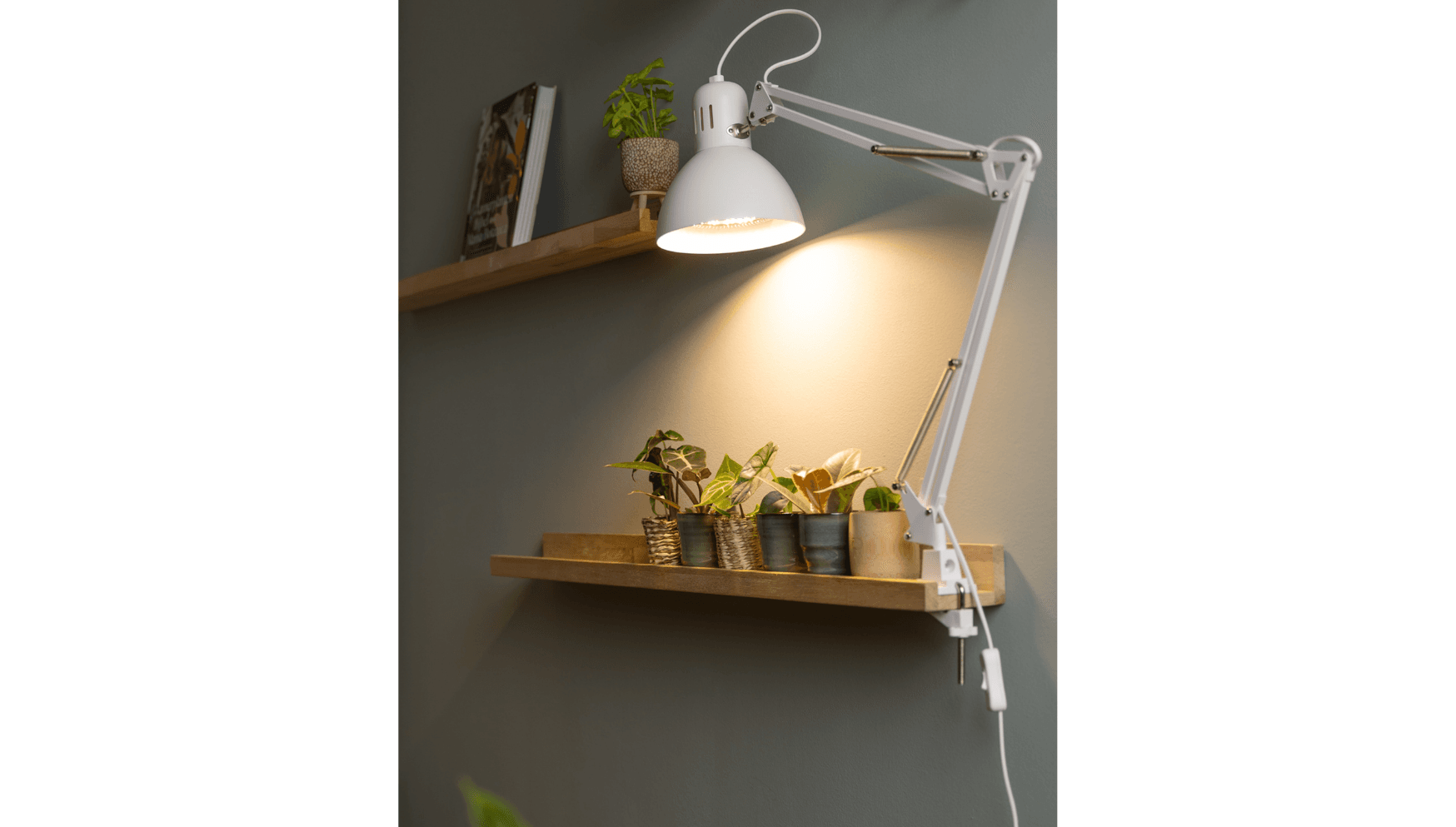
Setting up a desk lamp to support plant growth doesn’t have to be complicated or expensive. With a few simple adjustments, you can create an ideal light environment that encourages healthy leaves and robust stems. Let’s look at how you can turn your everyday desk lamp into a plant-friendly grow light.
Budget-friendly Options
You don’t need a high-end grow light to help your plants thrive. Many affordable LED or CFL bulbs provide enough light for small indoor plants.
Look for bulbs labeled “full spectrum” or with a color temperature between 5000K and 6500K. These mimic natural daylight and boost photosynthesis.
Using bulbs you already have around the house can work, too. Just make sure they produce enough brightness and the right light color.
Customizing Light Angles
Adjusting the angle of your desk lamp is key to delivering light where your plants need it most.
Try positioning the lamp so light hits the plants from above at about a 45-degree angle. This mimics natural sunlight and prevents uneven growth.
If your lamp isn’t adjustable, you can use books or stands to raise or tilt it. Watch your plants daily to see if they lean toward the light and adjust accordingly.
Incorporating Timers
Plants need consistent light cycles to grow well. Using a timer helps you maintain regular periods of light and darkness.
Most indoor plants thrive with 12 to 16 hours of light daily. Setting a timer ensures you don’t forget to turn the lamp on or off.
This hands-off approach saves you time and creates a stable growing environment, which can lead to healthier plants faster.
Credit: plnts.com
Frequently Asked Questions
Can A Desk Lamp Provide Enough Light For Plants?
A desk lamp can support plant growth if it emits the right light spectrum. LED or full-spectrum lamps work best. Regular incandescent lamps usually lack sufficient light intensity or spectrum for healthy plant development.
What Type Of Desk Lamp Is Best For Plant Growth?
Full-spectrum or grow light LEDs are ideal desk lamps for plants. They mimic natural sunlight, providing essential blue and red wavelengths. Avoid standard bulbs, as they lack the necessary light quality for photosynthesis.
How Many Hours Should A Desk Lamp Be On For Plants?
Plants generally need 12 to 16 hours of light daily from a desk lamp. This duration supports photosynthesis without causing stress. Use a timer to maintain consistent light exposure for optimal growth.
Can A Desk Lamp Replace Natural Sunlight For Plants?
A desk lamp can supplement but not fully replace natural sunlight. It helps indoor plants grow when sunlight is limited. However, natural sunlight offers a broader spectrum and intensity essential for plant health.
Conclusion
A desk lamp can support plant growth by providing extra light. Plants need light to make food and grow strong. A lamp with the right type of bulb helps when natural light is low. Not all lamps work well, so choose one made for plants.
Place the lamp close but not too near to avoid damage. Regular light from a desk lamp can keep indoor plants healthy and green. Simple steps like these help plants thrive inside your home. Try it and watch your plants grow better.



