
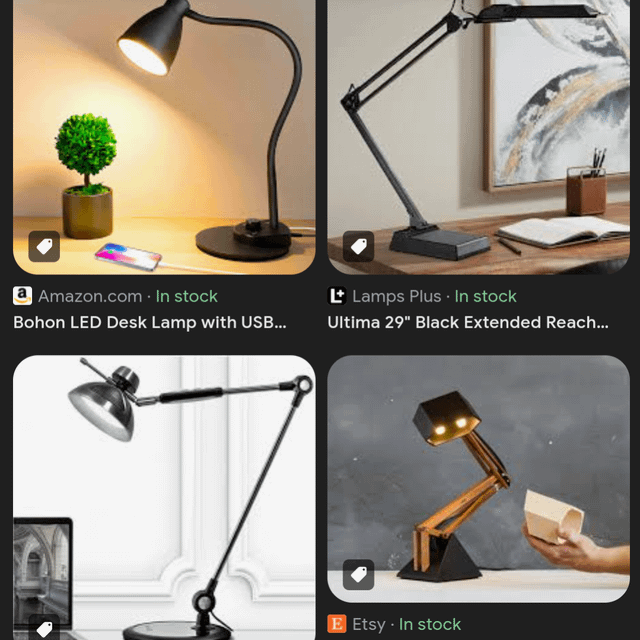
Are you wondering if your desk lamp can double as a grow light for your plants? It sounds like a simple, cost-saving idea.
But before you start placing your green friends under that lamp, there are important things you need to know. Using the wrong light could slow your plants’ growth or even harm them. Keep reading to discover whether your desk lamp is a good fit for growing plants and how to make sure your plants get the light they truly need.
Your plants’ health depends on it!

Credit: www.amazon.com
Desk Lamps Vs Grow Lights
Choosing between a desk lamp and a grow light for your plants might seem straightforward, but there are key differences that impact how well your plants grow. While desk lamps provide general lighting, grow lights are designed specifically to support plant health and development. Understanding these differences can help you decide what fits your indoor gardening needs.
Light Spectrum Differences
Plants need specific colors of light to thrive, mainly blue and red wavelengths. Desk lamps usually emit a broad, white light that doesn’t target these crucial spectrums. Grow lights, on the other hand, are engineered to provide light in the exact spectrum plants use for photosynthesis.
If you’ve ever noticed your plants stretching or growing weak under a desk lamp, it’s likely due to the lack of proper light spectrum. Would you want to feed your body with the wrong nutrients? Plants need the right “nutrients” in light form too.
Intensity And Coverage
Desk lamps often don’t produce enough light intensity or cover enough area for plants to grow well. Their bulbs are designed for human eyes, not for plant leaves. Grow lights deliver stronger, more focused light over a wider area, which helps plants grow evenly and robustly.
Think about your own workspace: a dim lamp won’t let you see everything clearly. Similarly, weak light won’t give your plants the energy they need. Are you giving your plants enough light to truly thrive?
Energy Efficiency
Using a desk lamp as a grow light can be less energy-efficient. Many desk lamps use incandescent or CFL bulbs, which waste energy and produce heat that can harm plants. Grow lights, especially LED models, use less electricity and produce less heat, making them better for long-term indoor gardening.
If you want to save on your electricity bill while helping your plants grow, investing in a proper grow light can pay off quickly. Do you want to spend more on power and risk plant damage, or choose a smarter lighting option?
Types Of Desk Lamps
Desk lamps come in different types, each with unique light features. Understanding these types helps decide their use for plant growth. Some lamps offer better light quality for plants than others. Here are the main types found in homes and offices.
Led Desk Lamps
LED desk lamps use light-emitting diodes to produce light. They are energy-efficient and last a long time. These lamps give off less heat, which is safer for plants. Many LED lamps offer adjustable brightness and color settings. This makes them useful for providing light suited to plant needs.
Incandescent Lamps
Incandescent lamps use a filament heated to produce light. They tend to use more energy and create more heat. The light they emit is warm and yellowish. This light is not ideal for most plants, as it lacks the full spectrum. The heat can also harm delicate plant leaves.
Fluorescent Lamps
Fluorescent lamps use gas to create light inside the tube. They are more energy-efficient than incandescent lamps. The light is cooler and often closer to natural sunlight. Many grow lights use fluorescent technology because it supports plant growth. These lamps can be a good choice for growing small plants indoors.
Plant Light Requirements
Understanding plant light requirements is key for healthy growth. Light is crucial for photosynthesis, influencing plant health and yield. Knowing the right light conditions helps plants thrive, even indoors.
Photosynthesis Basics
Photosynthesis is how plants make food using light. They convert light energy into chemical energy. This process needs light, carbon dioxide, and water. Without enough light, photosynthesis slows down. Plants may become weak or fail to grow.
Light Duration And Timing
Plants need specific light duration for optimal growth. Most plants require around 12 to 16 hours of light daily. This duration mimics natural sunlight patterns. Too little light can stunt growth. Too much can stress plants.
Ideal Light Intensity
Light intensity affects plant growth significantly. Plants vary in their light intensity needs. Low light plants need less intense light. High light plants thrive with stronger light. Ensure your light source matches your plant’s needs.
Credit: www.homedepot.com
Using Desk Lamps For Plants
Using a desk lamp for plants can be a simple way to give them extra light. Many people wonder if their desk lamp can help plants grow. The answer depends on the type of bulb and how you set up the lamp. Desk lamps can work for small plants, especially in spaces with little sunlight. You just need to choose the right bulb and place the lamp at the correct distance. Understanding the limits of desk lamps helps set the right expectations for plant growth.
Choosing The Right Bulb
Not all bulbs provide the light plants need. Plants use light mostly in the blue and red spectrum. Look for bulbs labeled “full spectrum” or “grow light.” LED and fluorescent bulbs often work best. Avoid regular incandescent bulbs because they give off too much heat and not enough useful light. Check the bulb’s brightness, measured in lumens. Aim for at least 800 lumens for small plants.
Positioning And Distance
Place the desk lamp close to your plant. A distance of 6 to 12 inches works for most bulbs. Keep the light on for 12 to 16 hours a day to mimic natural sunlight. Use a timer to keep the light schedule consistent. Move the lamp higher if the plant shows signs of heat stress, like brown leaf edges. Adjust the lamp height as the plant grows to keep the light effective.
Limitations To Consider
- Desk lamps cover only small areas. They are not good for large or many plants.
- The light intensity may be too low for some plant types.
- Heat from some bulbs can harm plants if too close.
- Desk lamps lack UV light, which some plants need for strong growth.
- Using a desk lamp is better as a supplement, not a full replacement for sunlight.
Alternative Grow Light Options
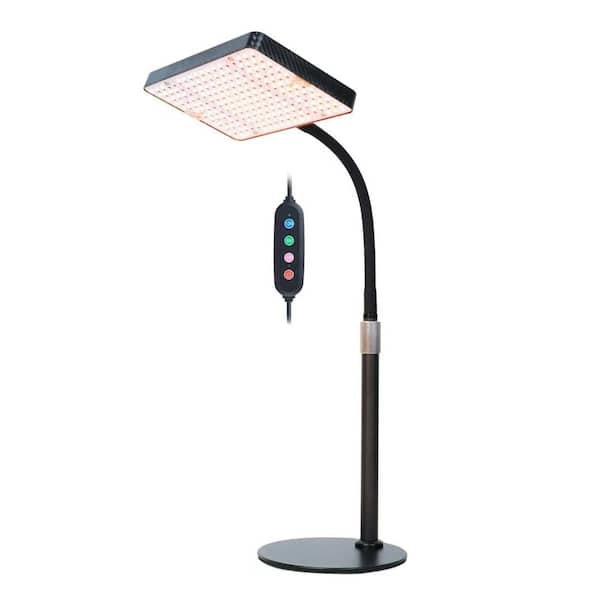
Choosing the right grow light helps plants grow healthy indoors. Desk lamps often lack the right light spectrum and intensity for plant growth. Several alternative grow light options provide better results for indoor gardening. These lights offer the right balance of light color and strength for various plants.
Full-spectrum Led Grow Lights
Full-spectrum LED grow lights mimic natural sunlight closely. They emit light in all colors plants need for photosynthesis. These LEDs use less energy and produce less heat. They last longer and can be adjusted for different plant types. Ideal for small spaces and a variety of plants.
Fluorescent Grow Lights
Fluorescent grow lights are affordable and widely used. They produce cool, soft light suitable for seedlings and herbs. These lights are energy-efficient and generate little heat. They come in tubes or compact bulbs. A popular choice for beginners and small indoor gardens.
High-intensity Discharge Lights
High-intensity discharge (HID) lights deliver strong light output. They work well for plants with high light needs. HID lights include Metal Halide (MH) and High-Pressure Sodium (HPS) lamps. MH bulbs support vegetative growth, while HPS bulbs boost flowering. These lights need proper ventilation due to heat.

Credit: www.succulentsandsunshine.com
Tips For Healthy Plant Growth Indoors
Growing plants indoors can be rewarding, but it takes more than just placing them under any light. To help your plants thrive, paying close attention to how they react and adjusting their environment is key. Here are some practical tips to keep your indoor garden healthy and vibrant.
Monitoring Plant Response
Watch your plants closely after setting up your desk lamp as a grow light. Are the leaves turning yellow or looking scorched? These signs might mean the light is too strong or too close.
Conversely, if your plant is stretching or leaning toward the light, it probably needs more intensity or longer exposure. Keep a daily journal or take photos to track changes. This simple habit helps you spot trends and make better decisions.
Adjusting Light Schedules
Plants don’t need light 24/7. Most indoor plants do well with 12 to 16 hours of light daily. Try setting a timer for your desk lamp to maintain consistent light periods.
Change the schedule based on your plant’s response. If it looks tired or stops growing, reduce the hours. If it seems sluggish, increase light exposure gradually. This trial-and-error approach fine-tunes your setup to your plant’s unique needs.
Supplementing With Natural Light
Desk lamps can help, but natural light is still valuable. Position your plants near windows when possible to give them a boost. Even a little morning or late afternoon sun can make a big difference.
If your space lacks sunlight, consider rotating your plants between a naturally lit spot and your desk lamp area. This mix often leads to healthier growth and happier plants overall. Have you tried combining both sources yet?
Frequently Asked Questions
Can A Desk Lamp Provide Enough Light For Plants?
Most desk lamps lack the full spectrum and intensity plants need. They can support low-light plants but aren’t ideal for growth.
What Type Of Bulb Works Best For Plant Growth?
LED grow bulbs or fluorescent lights with a full spectrum are best. They provide the right light wavelengths for photosynthesis.
How Far Should A Desk Lamp Be From Plants?
Keep the lamp 6-12 inches away to avoid burning leaves. Adjust distance based on light intensity and plant response.
Are Desk Lamps Energy-efficient For Growing Plants?
Standard desk lamps can use more energy and provide less light. LED grow lights are more energy-efficient and effective for plants.
Conclusion
A desk lamp can help plants grow, but it has limits. It may not give the right light your plants need. Special grow lights work better for healthy growth. Still, a desk lamp can be useful for small or low-light plants.
Watch your plants closely to see how they respond. Change the light if they look weak or yellow. Small steps can lead to greener, happier plants at home. Choose the best light for your plant’s needs and space.



