
Have you ever wondered how your security system knows when someone is nearby? Or how automatic lights turn on just as you enter a room?
The secret lies in movement sensors. These clever devices detect motion around you and trigger actions that make your life easier and safer. If you want to understand exactly how a movement sensor works—and how it can benefit your home or business—keep reading.
By the end, you’ll see just how simple and smart these gadgets really are.

Credit: wasserstein-home.com
Types Of Movement Sensors
Movement sensors come in various types, each designed to detect motion using different technologies. Understanding these types helps you choose the right sensor for your needs, whether it’s for home security, automation, or energy saving. Let’s look at some common movement sensors and how they work.
Passive Infrared Sensors
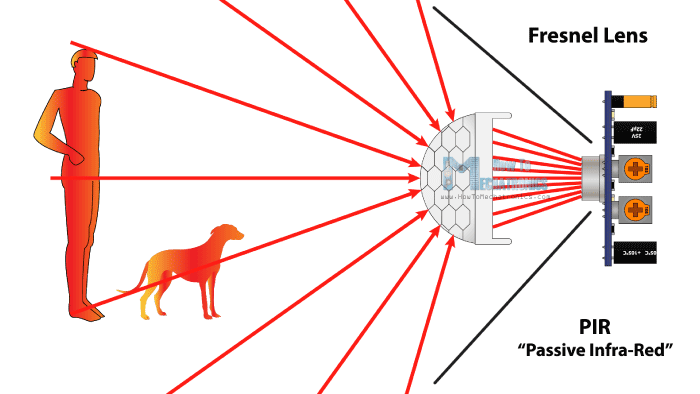
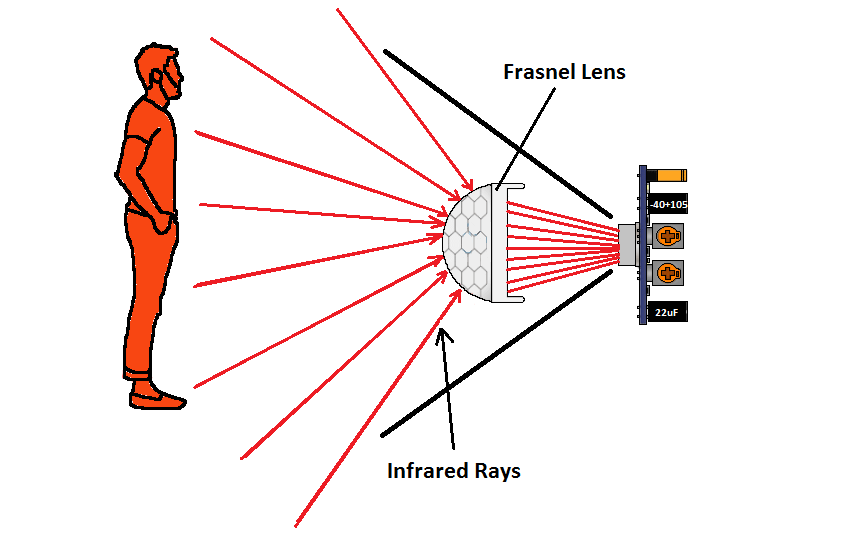
Passive Infrared (PIR) sensors detect heat emitted by living beings. They don’t emit any energy themselves; instead, they sense infrared radiation from objects in their field of view.
These sensors are common in security systems and automatic lighting. If you’ve ever walked into a room and the lights turned on by themselves, a PIR sensor was likely behind that convenience.
Ultrasonic Sensors
Ultrasonic sensors use sound waves at frequencies higher than humans can hear. They emit these waves and measure the time it takes for the echoes to bounce back after hitting an object.
This type of sensor is useful in detecting movement in enclosed spaces, like a garage or hallway. Have you noticed automatic doors opening just as you approach? Ultrasonic sensors might be at work there.
Microwave Sensors
Microwave sensors send out microwave pulses and measure the reflected waves from moving objects. They can cover larger areas compared to PIR sensors.
These sensors can detect motion through walls and other obstacles, making them suitable for certain security applications. However, their sensitivity means they can sometimes trigger false alarms from non-human movement.
Tomographic Motion Detection
Tomographic motion detection uses radio waves to create a network of signals across a space. When something moves within the network, it disturbs the radio waves, triggering the sensor.
This technology works well in complex environments where other sensors might fail, such as through walls or around furniture. If you need a sensor that covers every corner, tomographic detection is worth considering.
Key Components Inside Sensors
Understanding the key components inside a movement sensor helps you see how this simple device detects motion so accurately. These parts work together seamlessly to sense changes in the environment, process signals, and power the whole system. Knowing what’s inside can also guide you in choosing the right sensor for your needs or troubleshooting issues when they arise.
Sensors And Detectors
The heart of any movement sensor lies in its sensors and detectors. These components pick up physical changes like heat, light, or sound waves caused by movement.
Common types include:
- PIR Sensors (Passive Infrared):Detect body heat and are widely used in security alarms.
- Ultrasonic Sensors:Emit sound waves and measure the reflection to spot motion.
- Microwave Sensors:Use radio waves to detect movement within a certain range.
Have you noticed how some sensors react faster than others? That’s often because of the type and sensitivity of their detectors.
Signal Processors
Once the sensor detects movement, the signal processor steps in to interpret the data. It filters out background noise and decides if the detected change is significant enough to trigger an action.
This component is like the brain of the sensor. It ensures you don’t get false alarms from small, irrelevant movements like a curtain fluttering or a pet walking by.
Advanced processors can even learn patterns over time, improving accuracy. Think about how useful this would be in your home security system.
Power Sources
Every sensor needs energy to operate, which comes from its power source. Many sensors run on batteries, making them easy to install anywhere without wiring hassles.
Others connect directly to the electrical system, offering continuous power but requiring professional setup.
Some modern sensors use solar power or energy harvesting to extend battery life, reducing maintenance. What’s your preference—convenience or longevity?
How Sensors Detect Movement
Movement sensors are vital in modern technology. They detect motion and provide data. These sensors use various techniques to sense movement. Understanding how these sensors work can be fascinating. Let’s explore different methods sensors use to detect movement.
Detecting Heat Changes
Many sensors detect movement by noticing heat changes. These sensors, known as infrared sensors, look for heat emitted by objects. They detect heat from humans and animals. When a warm body enters a sensor’s range, it triggers a response. This method is effective for detecting living beings in an area.
Using Sound Waves
Sound waves help sensors detect motion. Ultrasonic sensors emit sound waves at a high frequency. These waves bounce back when they hit an object. The sensor measures the time taken for the waves to return. This time helps determine the object’s distance and movement. It is a reliable method for detecting motion in various environments.
Electromagnetic Field Disturbances
Electromagnetic sensors monitor changes in magnetic fields. They are sensitive to metal objects moving in their field. When an object moves, it disturbs the field. The sensor detects this disturbance and triggers an alert. This method is often used in security systems and metal detection applications.

Credit: octiot.com
Smart Features In Modern Sensors
Modern movement sensors are no longer simple devices that just detect motion. They come packed with smart features that make them more efficient, reliable, and user-friendly. These features give you control over how the sensor reacts and help minimize unnecessary alerts, making your security system smarter and less intrusive.
Sensitivity Adjustment
One of the smartest features in modern sensors is the ability to adjust sensitivity. You can set how much motion triggers the sensor, which helps in tailoring the device to your specific environment.
For example, if you have pets moving around, lowering the sensitivity can prevent constant alerts. On the other hand, in a quiet area, you might want higher sensitivity to catch even subtle movements.
Have you ever wished your sensor could ignore harmless movement but catch real threats? Sensitivity adjustment lets you do just that.
False Alarm Reduction
Nothing is more frustrating than frequent false alarms. Modern sensors use smart algorithms to reduce these unwanted alerts by distinguishing between actual threats and harmless movements.
These sensors can filter out environmental factors like wind, small animals, or even shadows. This means fewer distractions and more trust in your security system.
Imagine not needing to rush to check every false alert—how much easier would managing your security be?
Integration With Smart Systems
Movement sensors today don’t work alone; they connect seamlessly with smart home systems. This integration allows you to control sensors via your smartphone or voice assistants.
You can set automated responses, such as turning on lights or sending notifications when motion is detected. This creates a more connected and responsive home environment.
Have you tried controlling your security with just a tap or voice command? Integration with smart systems makes that possible and convenient.
Common Applications
Movement sensors detect motion by sensing heat, sound, or changes in light. They trigger actions in devices to improve safety, convenience, and efficiency. These sensors are common in many settings, making life easier and homes smarter.
Home Security
Movement sensors help protect homes from intruders. They detect unwanted movement around doors and windows. When motion is sensed, alarms or lights activate quickly. This scares off potential burglars and alerts homeowners. Many security systems use these sensors for reliable monitoring day and night.
Lighting Automation
Motion sensors turn lights on and off automatically. They save energy by lighting rooms only when people are present. Hallways, bathrooms, and outdoor areas benefit from this smart control. This automation adds comfort and helps avoid walking in the dark. It also reduces electricity bills over time.
Energy Management
Movement sensors optimize energy use in homes and offices. They control heating, cooling, and lighting based on occupancy. This reduces wasted energy and lowers utility costs. Buildings stay comfortable without running systems unnecessarily. Efficient energy management supports greener living and cuts expenses.
Challenges And Limitations
Movement sensors are useful but face some challenges and limits. These affect their accuracy and reliability. Understanding these helps in choosing the right sensor for your needs.
Environmental Interference
Movement sensors can be affected by their surroundings. Bright sunlight, heavy rain, or fog may cause false alarms. Heat sources like heaters can confuse infrared sensors. Electrical noise from nearby devices might disrupt signals. These environmental factors reduce sensor performance.
Range And Coverage Issues
Each sensor has a limited range to detect movement. Objects too far away may go unnoticed. Coverage can be blocked by walls or furniture. Some sensors only detect movement in certain directions. Poor placement leads to blind spots and missed detection.
Maintenance Needs
Movement sensors require regular care to work well. Dust and dirt on sensors reduce sensitivity. Batteries need frequent replacement in wireless models. Software updates may be necessary to fix bugs. Lack of maintenance causes sensor failure or errors.
Future Trends In Movement Detection
Movement detection technology is evolving rapidly, shaping the way we interact with our environments. The future holds exciting possibilities that could change everyday security, automation, and user experience. Understanding what lies ahead helps you stay informed and ready to adapt to new innovations.
Ai And Machine Learning Integration
Artificial intelligence and machine learning are becoming key players in movement sensors. These technologies enable devices to learn from patterns, reducing false alarms and improving response times.
Imagine your security system recognizing the difference between a pet and an intruder without your input. This personalizes safety and cuts down unnecessary notifications, making the technology less intrusive and more reliable.
Improved Accuracy
Future sensors aim to detect movement with greater precision, even in challenging environments. Advances in sensor materials and signal processing will help devices work better in low light and through obstacles.
This means you won’t have to worry about missed detections or constant false triggers. The improved accuracy enhances trust in the technology and broadens its practical use in homes and workplaces.
Expanding Use Cases
The applications for movement detection are growing beyond security. Smart homes, healthcare, retail, and even entertainment are finding new ways to use this technology.
Have you considered how movement sensors could assist in elderly care by monitoring daily activities without being invasive? Or how they might enable hands-free controls in gaming and virtual reality? These expanding use cases highlight the technology’s versatility and potential impact on your life.
Credit: medium.com
Frequently Asked Questions
What Is A Movement Sensor And How Does It Work?
A movement sensor detects physical motion in an area using infrared, ultrasonic, or microwave signals. It triggers devices when movement is sensed, improving security and automation.
Where Are Movement Sensors Commonly Used?
Movement sensors are widely used in security systems, automatic lighting, smart homes, and energy-saving devices to detect motion and activate responses.
How Do Infrared Movement Sensors Detect Motion?
Infrared sensors detect heat emitted by moving objects. When a warm body moves, the sensor senses the change in infrared radiation and triggers an alert or action.
Can Movement Sensors Differentiate Between Humans And Pets?
Some advanced movement sensors use algorithms to distinguish humans from pets by analyzing size and heat signatures, reducing false alarms in homes with pets.
Conclusion
Movement sensors detect changes in their surroundings. They use different technologies like infrared or ultrasonic waves. These sensors help save energy and increase security. You find them in lights, alarms, and smart devices. Understanding how they work helps you choose the right one.
Simple, reliable, and effective—movement sensors make life easier. They respond quickly to motion and keep spaces safe. Now, you know the basics of movement sensors and their uses.



