
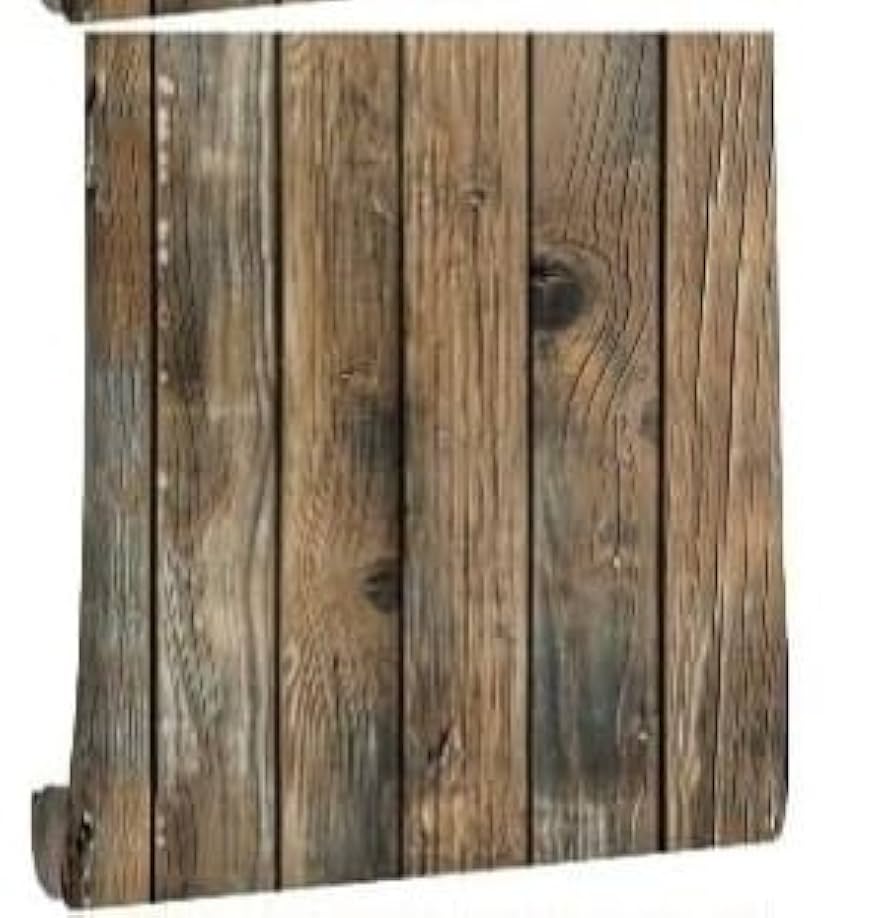
Are you thinking about adding some style to your wooden furniture or walls without making a permanent change? Wall stickers might be the perfect solution.
But can wall stickers be used on wood without damaging the surface or losing their stickiness? If you’ve ever wondered whether your wooden surfaces can handle these trendy decorations, this article is for you. Keep reading to discover the secrets behind using wall stickers on wood, and how you can transform your space easily and safely.
Types Of Wood Surfaces
Wood surfaces vary greatly, affecting how well wall stickers stick. Understanding the type of wood surface helps in choosing the right sticker and application method. Wood can be smooth or rough, finished or unfinished, each type offering different adhesion results.
Smooth Vs Rough Wood
Smooth wood has a flat, even surface. Wall stickers stick better here because the adhesive can cover more area. Examples include polished wood panels and laminated wood.
Rough wood has a textured, uneven surface. This makes it hard for stickers to stick well. The bumps and grooves reduce contact with the adhesive. Examples include natural wood with visible grain or unfinished wood.
Finished Vs Unfinished Wood
Finished wood has a protective layer like paint, varnish, or sealant. This layer helps stickers stick better and makes removal easier without damage.
Unfinished wood lacks any protective coating. It absorbs moisture and oils, making stickers less sticky. Removing stickers from unfinished wood can cause damage or leave residue behind.

Credit: www.amazon.ca
Choosing The Right Wall Stickers
Choosing the right wall stickers for wood surfaces can make a big difference in how well they stick and how your space looks. Not all stickers are created equal, especially when applied to wood, which can vary in texture and finish. Knowing what to look for helps you avoid peeling edges and ensures your design lasts.
Material And Adhesive Types
The material of the wall sticker affects how well it will cling to wood. Vinyl stickers tend to work best because they are durable and have a strong adhesive that handles smooth and slightly textured wood.
Check the type of adhesive used. Some adhesives are designed to be removable, which might be great for temporary decorations but less ideal for long-term use on wood. Permanent adhesives stick better but can damage delicate wood finishes when removed.
Think about your wood surface—is it painted, varnished, or raw? Smooth, sealed wood allows stickers to adhere more easily than rough or porous wood. If your wood is unfinished, consider using a primer or a clear sealant first to improve adhesion.
Size And Design Considerations
Size matters more than you might expect. Large stickers can weigh down and peel off if the adhesive isn’t strong enough for the wood’s texture. Smaller stickers are easier to manage and replace if needed.
Design choices also play a role. Complex designs with many small details might not transfer well on rough wood grains. Simple, bold shapes or text usually look cleaner and hold better.
Ask yourself: Do you want a statement piece or subtle accents? Your answer can guide you to the right size and style, ensuring your stickers complement your wood surface without overwhelming it.
Preparing Wood For Wall Stickers
Preparing wood for wall stickers ensures strong adhesion and a smooth finish. Wood surfaces vary, so proper preparation is essential. This process removes dirt, oils, and rough spots that could affect sticker application. Follow simple steps to make your wood ready for wall stickers.
Cleaning And Drying The Surface
Start by wiping the wood with a damp cloth to remove dust. Use mild soap and water for any sticky residue. Avoid soaking the wood. Dry the surface completely with a clean towel or let it air dry. A dry surface helps stickers stick better and last longer.
Sanding And Priming Tips
Lightly sand the wood with fine-grit sandpaper to smooth rough areas. Sanding creates a better grip for the stickers. Remove sanding dust with a soft brush or cloth. Apply a primer or a base coat if the wood is unfinished. This step seals the surface and prevents moisture from affecting the stickers. Let the primer dry fully before applying the stickers.
Applying Wall Stickers On Wood
Wall stickers add charm to any space. But can they stick on wood? The answer is yes, with a few considerations. Wood surfaces vary in texture and finish. Smooth, painted wood works best for wall stickers. Rough or unfinished wood may pose challenges. Understanding the correct application process ensures a good outcome.
Step-by-step Application Process
First, clean the wood surface. Remove dust and dirt using a damp cloth. Let it dry completely before applying stickers. Next, plan your design layout. Use a pencil to lightly mark positions on the wood. Peel the backing from the sticker slowly. Start from one corner and press down gently. Use a soft cloth or squeegee to smooth out air bubbles. Press firmly to ensure the sticker sticks well.
Common Mistakes To Avoid
Do not apply stickers to dirty or wet wood. This reduces adhesion. Avoid using stickers on textured or uneven surfaces. They may not stick properly. Do not rush the application process. Take your time to align the stickers correctly. Avoid using sharp objects to remove air bubbles. This can damage the sticker. Keep these tips in mind for a successful application.
Removing Wall Stickers From Wood
Removing wall stickers from wood surfaces can feel tricky, especially if you want to avoid damage. Wood is sensitive to harsh treatments, so you need gentle but effective ways to get those stickers off cleanly. Let’s look at how you can do this without ruining your wooden walls or furniture.
Safe Removal Techniques
Start by warming the sticker slightly using a hairdryer. The heat softens the adhesive, making it easier to peel the sticker off. Hold the hairdryer a few inches away and move it around for about 30 seconds.
Next, try lifting the edge of the sticker gently with your fingernail or a plastic scraper. Avoid metal tools as they can scratch the wood. Pull the sticker slowly and steadily to prevent tearing.
If the sticker resists, apply a small amount of cooking oil or adhesive remover on a cloth and dab it on the sticker’s edges. Let it sit for a minute to loosen the glue, then peel again. Always test these liquids on a hidden spot first to ensure they don’t discolor your wood.
Handling Residue And Damage
Sticker residue can be sticky and stubborn. Use a soft cloth with warm, soapy water to rub the area gently. Avoid soaking the wood, as excess moisture may cause warping or staining.
For tougher residue, rubbing alcohol on a cotton ball works well but test it first on a hidden section. If you notice any discoloration or finish damage, stop immediately and try a milder option like a mixture of vinegar and water.
After cleaning, dry the area thoroughly and consider applying a wood polish or oil to restore its shine. Have you ever faced a stubborn sticker that wouldn’t budge? What worked best for your wood surface? Share your tips and experiences!

Credit: www.amazon.ca
Maintaining Wall Stickers On Wood
Maintaining wall stickers on wood requires a bit more attention than on painted walls. Wood surfaces can vary in texture and finish, which affects how well your stickers stick and how long they last. Taking care of your wall stickers properly ensures they remain vibrant and damage-free for months or even years.
Cleaning And Care Tips
Keep your wall stickers dust-free by gently wiping them with a soft, dry cloth. Avoid using harsh chemicals or abrasive materials that can damage both the sticker and the wood surface.
If you notice any dirt buildup, lightly dampen a cloth with water and gently clean the sticker without soaking the wood. Excess moisture can cause the wood to swell or the adhesive to weaken, so be cautious.
Think about the placement of your stickers—avoid areas prone to humidity or direct sunlight, as these conditions can cause peeling or fading over time.
Longevity And Durability Factors
The durability of wall stickers on wood depends heavily on the wood’s finish. Smooth, sealed wood holds stickers better than rough or untreated wood.
Have you ever tried applying a sticker on raw wood and seen it peel off quickly? That’s because the adhesive struggles to bond with porous surfaces.
To extend the life of your stickers, consider lightly sanding and sealing the wood before application if possible. This creates a stable surface that helps the sticker adhere firmly.
Temperature changes also play a role—extreme heat or cold can weaken adhesive properties. Keep your wooden surfaces in stable environments for the best results.
Creative Ideas For Wood Surfaces
Wood surfaces offer a warm and natural backdrop that can be enhanced beautifully with wall stickers. Using stickers on wood opens up a world of creative possibilities, from subtle accents to bold statements. Whether your wood is polished, painted, or raw, you can transform it with designs that reflect your style.
Decorative Uses In Home Interiors
Wall stickers on wood furniture or paneling add an unexpected charm. You might try applying floral or geometric stickers on a wooden dresser to refresh its look without sanding or painting. Stickers work great on wooden doors too—think of a nature-inspired decal that turns a plain door into a focal point.
Have you thought about customizing wooden shelves with motivational quotes or fun shapes? The smooth finish of many wood surfaces helps stickers stick well and stay put. Plus, you can easily remove or replace them when you want a change.
Diy Projects With Wall Stickers
Transform small wooden items like picture frames or storage boxes with patterned stickers for a quick style upgrade. You can create themed sets by matching stickers with the wood’s natural grain, adding depth and texture.
Try layering different sticker designs on wood to create a unique collage effect. This approach works especially well on wooden trays or tabletops. Have you considered using stickers to mark sections on wooden organizers or craft supplies? It’s a practical way to keep things tidy and visually appealing.

Credit: www.amazon.ca
Frequently Asked Questions
Can Wall Stickers Damage Wooden Surfaces?
Wall stickers usually don’t damage smooth, sealed wood. However, on unfinished or delicate wood, adhesive may peel off the finish or leave residue. Always test a small area first to ensure safe removal without damage.
Are Wall Stickers Easy To Remove From Wood?
Yes, wall stickers are generally easy to remove from sealed wood. Gently peel them off without forcing. Using heat from a hairdryer can help soften the adhesive for cleaner removal.
Will Wall Stickers Stick To Rough Wooden Surfaces?
Wall stickers may not adhere well to rough or porous wood. Uneven textures reduce contact, causing stickers to peel or fall off. For best results, apply stickers on smooth, sealed wooden surfaces.
Can Wall Stickers Be Reused On Wood?
Most wall stickers are designed for single use. Removing them from wood often reduces stickiness, making reuse difficult. Reusable decals specifically made for wood surfaces are available if you want to reposition them.
Conclusion
Wall stickers work well on smooth, clean wood surfaces. They add style without damaging the wood. Make sure the wood is dry and dust-free. Avoid rough or painted wood for best results. Stickers are easy to remove and change. They offer a simple way to refresh wood decor.
Choose the right sticker and enjoy a quick room update. Wood can look new with a little creativity. Try wall stickers to give wood a fresh look.



